Malta: Why Connectivity, Not Coastline, Reprices Yield
Malta’s compact towns mean connectivity—not just sea views—reprices yield. Prioritise transport nodes, seasonality and planned infrastructure when forecasting returns.
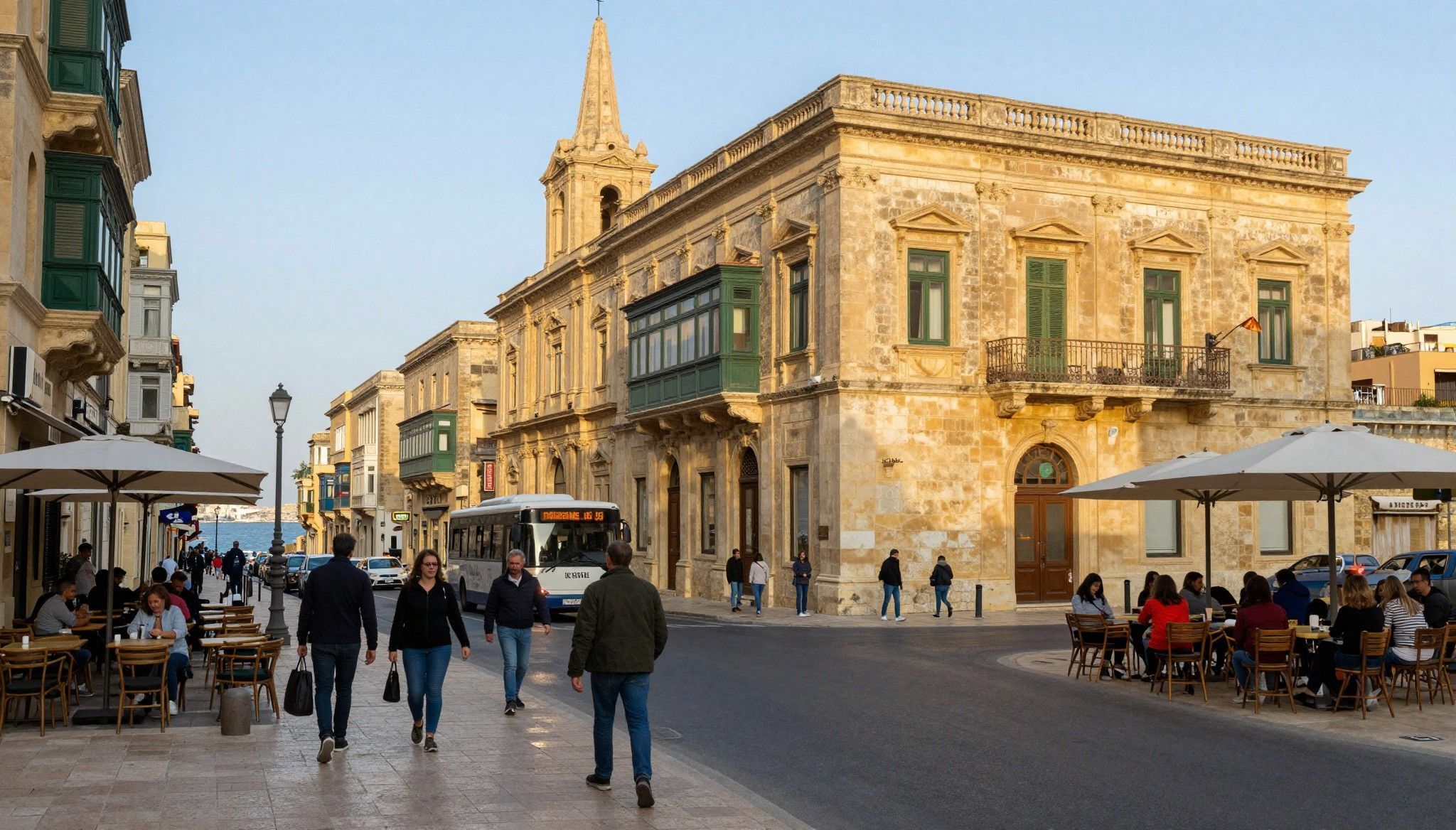
Imagine a Sunday morning in Sliema: espresso steam, ferries slicing the harbour, limestone balconies drying linen in the breeze. Malta compresses Mediterranean life into compact, walkable towns where history, sea and commerce collide. For international buyers this compression is both charm and complication — every amenity, transport link and micro‑market matters to yield and resale.
Living Malta: compact Mediterranean life with infrastructure at its core
Malta’s daily rhythm is shaped by short distances: a 30‑minute commute can reach coast, office cluster or heritage centre. That proximity elevates the value of connectivity — good bus/road links, ferry timetables, and airport access directly affect occupier demand and short‑stay revenue streams. For buyers, the lifestyle is immediate; for investors, the question is how reliably that lifestyle converts to occupancy and rent.
Neighbourhood brief: Valletta, Sliema, St. Julian’s and the quieter east coast
Valletta offers a dense, heritage‑rich product that appeals to short‑stay and premium renters; Sliema and St. Julian’s are commuter and leisure hubs with higher advertised prices and strong serviced‑apartment demand. The quieter east coast and villages such as Marsaskala or Mellieħa trade tourist intensity for family rental steadiness and lower per‑m2 entry points. Each area’s transport links — ferry routes, bus frequency, and main road access — change the risk/reward profile for both yield and capital growth.
Food, markets and the weekly tempo that shapes tenant preferences
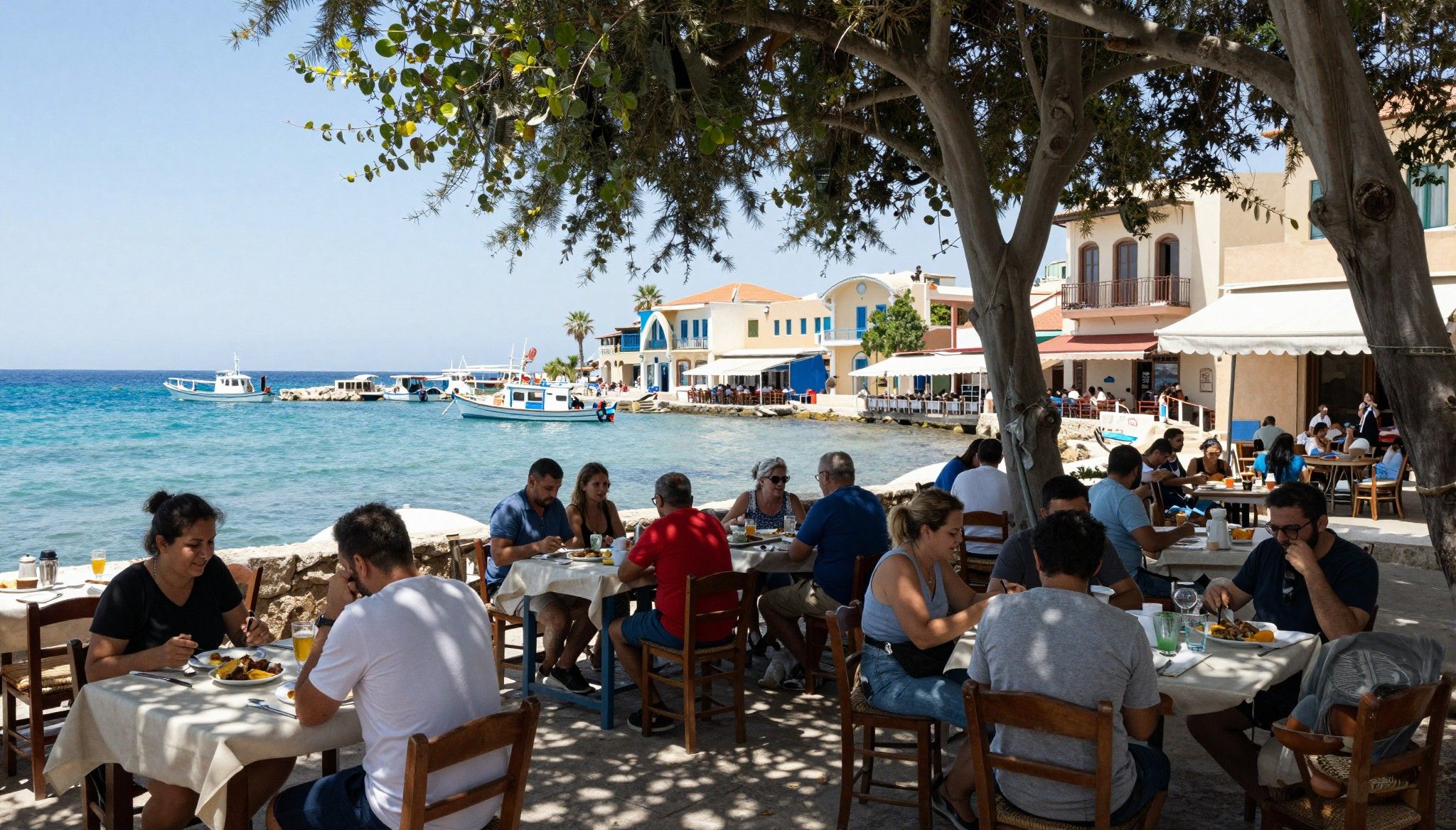
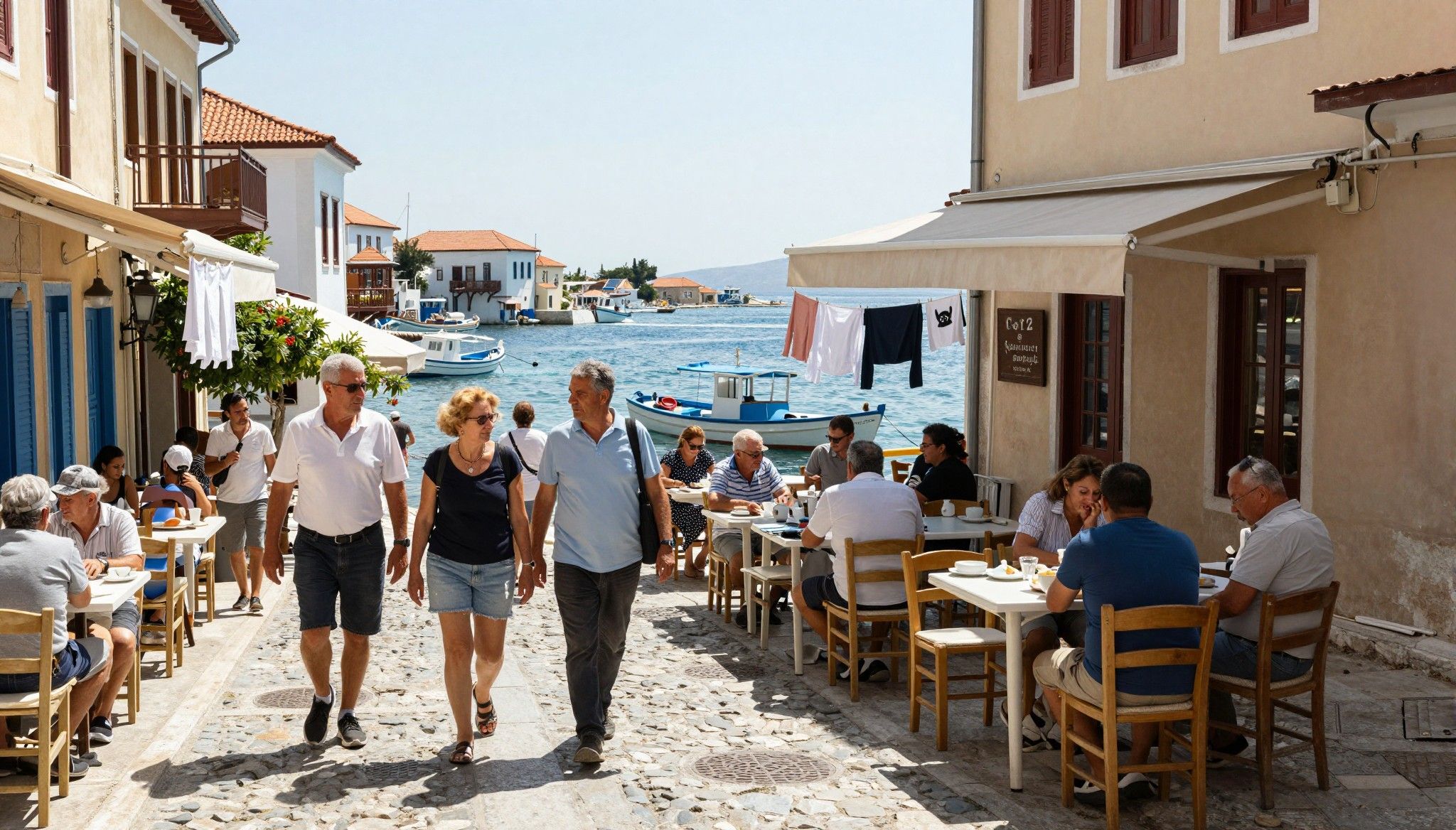
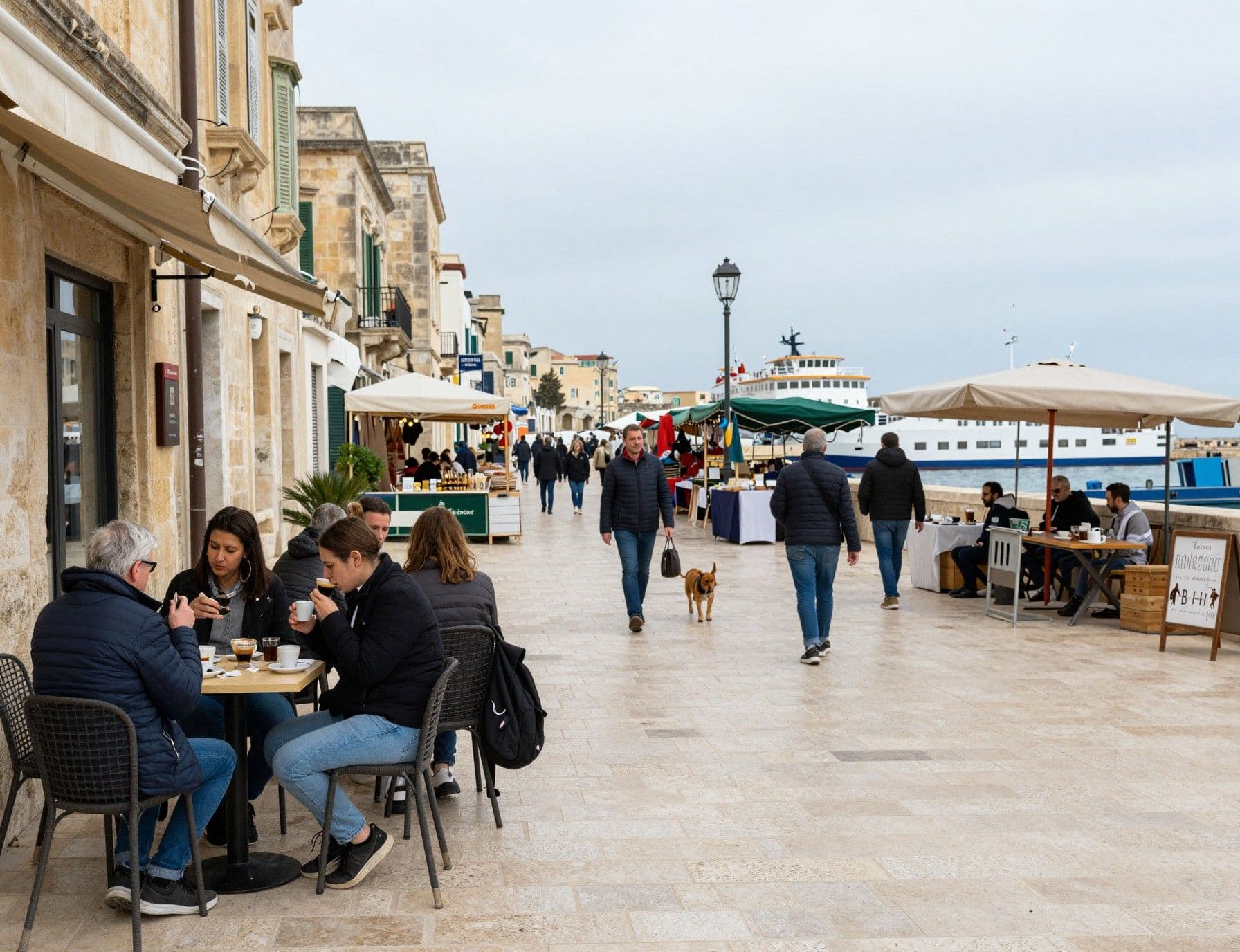
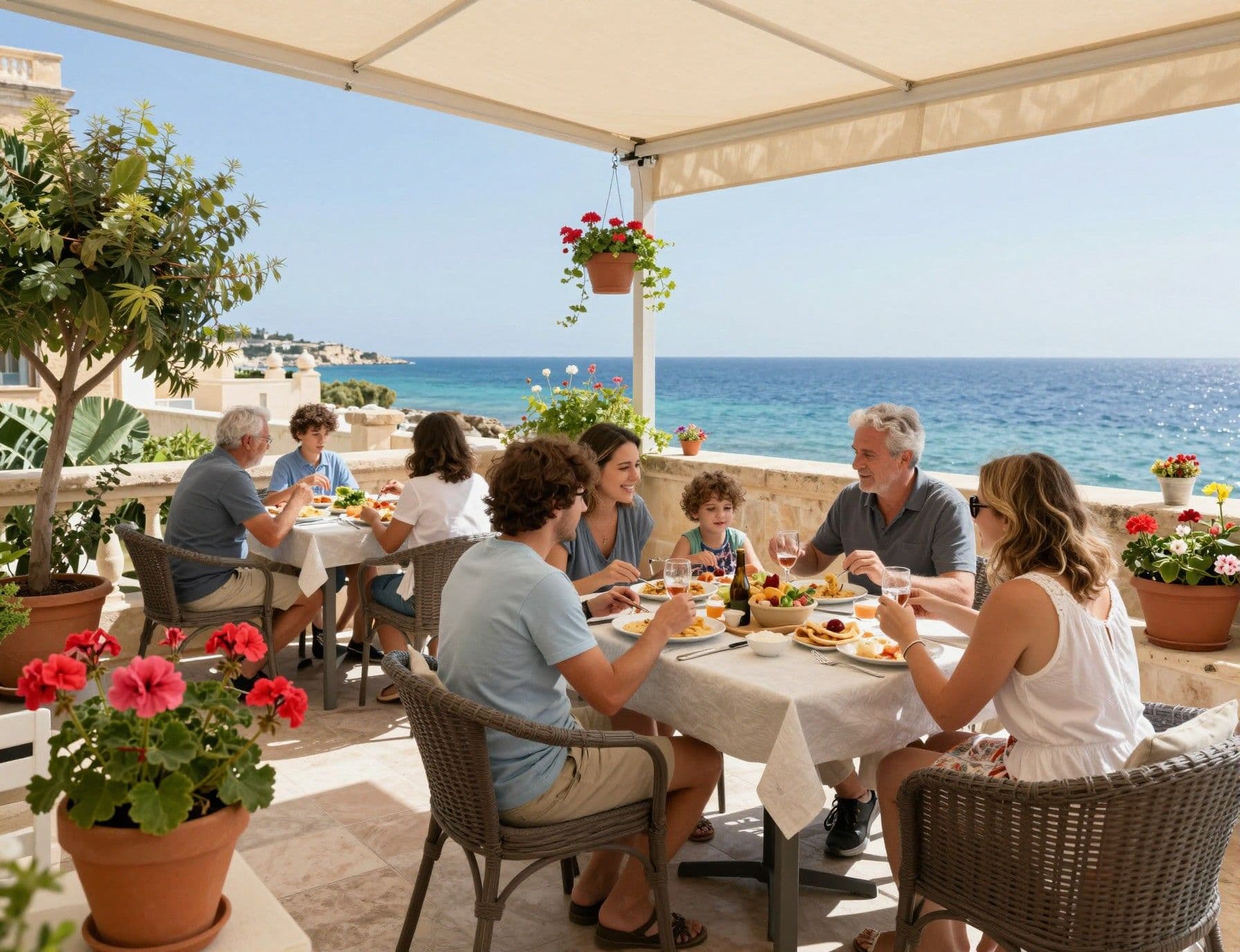
Weekends in Malta pivot around markets, harbourside cafés and outdoor dining — lifestyle features that create predictable rental demand spikes during high season. Tourism recovered strongly in 2024 with inbound arrivals exceeding three million, supporting short‑stay revenue slices of the market. That said, markets and cafés also reveal micro‑differences in tenant pools: proximity to good markets suits families; proximity to nightlife suits short‑stay and young professional demand.
- Sliema promenade cafés, Valletta’s narrow baroque streets, Marsaxlokk fish market, Għajn Tuffieħa sunset swims, Tigné Point shopping and ferry access, St. Julian’s nightlife and co‑working venues.
Making the move: how infrastructure and connectivity reprice risk
Malta’s island geography concentrates the impact of infrastructure projects: a harbour upgrade, an airport route or a new road junction can reallocate footfall and rental demand within months. Government programmes and investments into ports and TEN‑T infrastructure have visible local effects — especially in harbour towns where shipping and cruise traffic underpin seasonal hospitality employment. For buyers and asset managers, mapping planned upgrades against target neighbourhoods should be standard practice.
Property types and the connectivity advantage
Apartments near transport nodes command two different premiums: rental yield stability for long lets and higher ADRs (average daily rates) for short lets. Maisonettes and townhouses in well‑connected villages may offer lower entry price per m2 and steadier yields. A product’s mobility premium — distance to bus stops, ferry piers or main roads — should be modelled explicitly in yield forecasts.
How local experts turn lifestyle insight into investment filters
- Work with agencies that quantify connectivity: 1) Map travel times to airport/central business zones at different hours; 2) Overlay tourist footfall and hotel pipeline; 3) Stress‑test rental assumptions across high and low seasons; 4) Price proximity premiums into cap rate sensitivity analyses.
Insider knowledge: what expats and investors wish they'd known
Three practical truths surface repeatedly: rental seasonality is real, advertised price growth outpaces transactional lag, and transport bottlenecks create localised vacancies. NSO data show steady property price rises; however advertised and transacted prices can diverge in the short term. The fiscal and regulatory environment matters too, but connectivity and tenancy demand are the immediate levers that determine near‑term yield.
Cultural and daily‑life factors that change occupancy profiles
English is an official language and the islands host established expat communities, easing integration for tenants and owners. Yet local festivals, siesta rhythms and weekend harbour congestion shift when and how spaces are used; short‑let calendars reflect festival peaks more than consistent weekday occupancy. Buyers who match product type to seasonal and cultural rhythms avoid adverse vacancy surprises.
- Red flags and quick checks: proximity to ferry/harbour noise, reliability of local bus routes, future roadworks plans, advertised vs transacted price spread, short‑let licensing status.
Step back: plan for life beyond the first two years. Infrastructure upgrades and tourism cycles can boost returns but also create pockets of oversupply — consider diversification across neighbourhood types and a mix of tenures (long lets plus limited short‑let exposure). Local agencies with transport and planning expertise act as early warning systems for neighbourhood revaluation.
- A short checklist before offers: 1) Verify bus/ferry timetables at peak hours; 2) Check NSO RPPI trends for the area; 3) Confirm short‑let licensing if relying on tourist income; 4) Run a 10/20/30 cap‑rate sensitivity (10% lower occupancy, 20% higher operating costs, 30% slower price growth).
Conclusion: Malta sells a Mediterranean life that’s compact, sociable and highly dependent on connectivity. For the international buyer the strategy is simple and strict — prioritise proven transport links, model seasonality into yield assumptions, and let planned infrastructure upgrades inform, not hype, acquisition decisions. Local agencies that combine lifestyle knowledge with transport and planning evidence will be the most useful partners in turning Maltese mornings into reliable returns.
Dutch investment strategist who built a practice assisting 200+ Dutch clients find Spanish assets, with emphasis on cap rates and due diligence.