Malta’s Yield Myth: Where Lifestyle Converts to Income
Malta’s low‑yield reputation hides micro‑market pockets where lifestyle demand and short‑let tourism lift real returns—model by street, not by country.
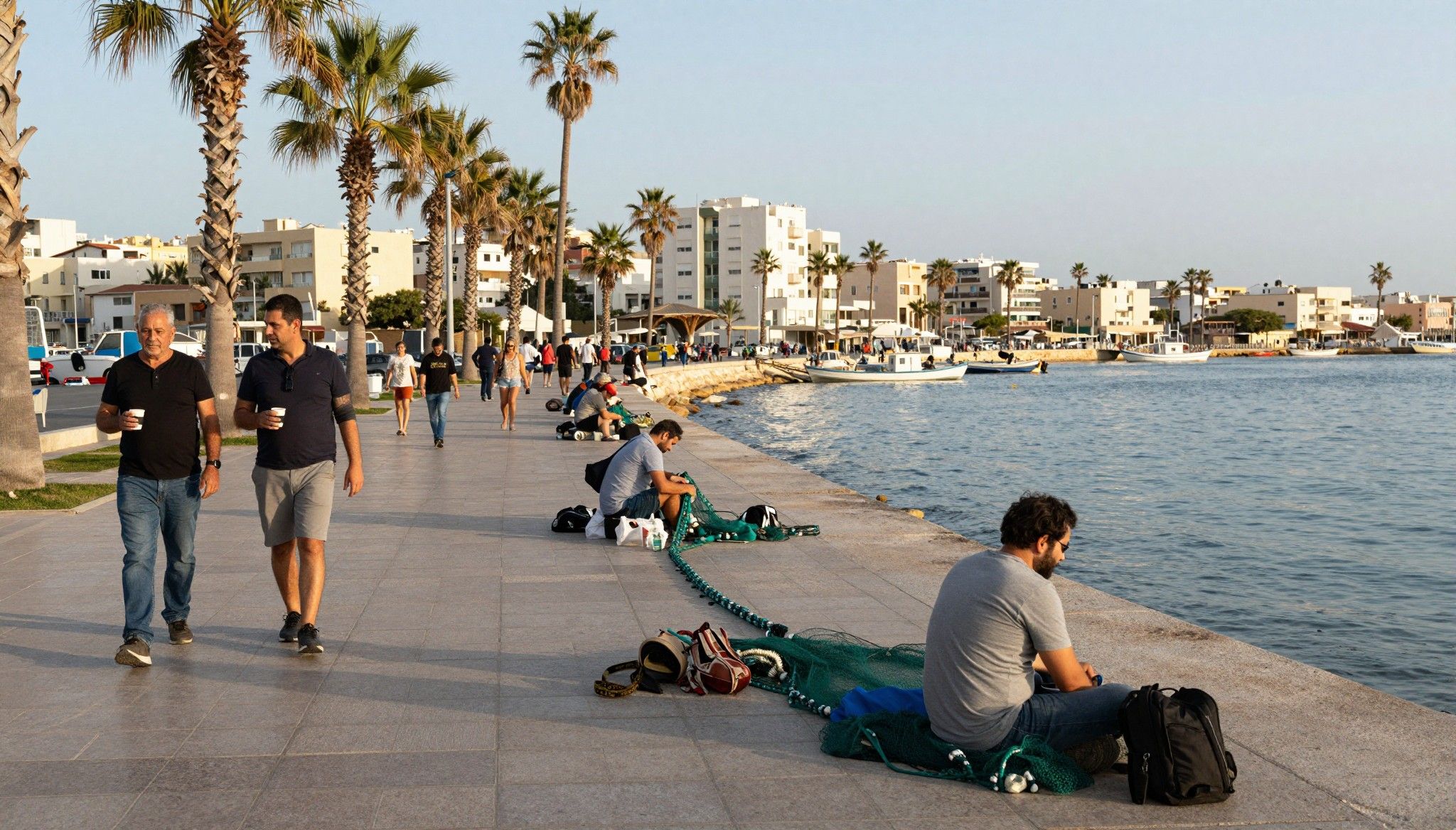
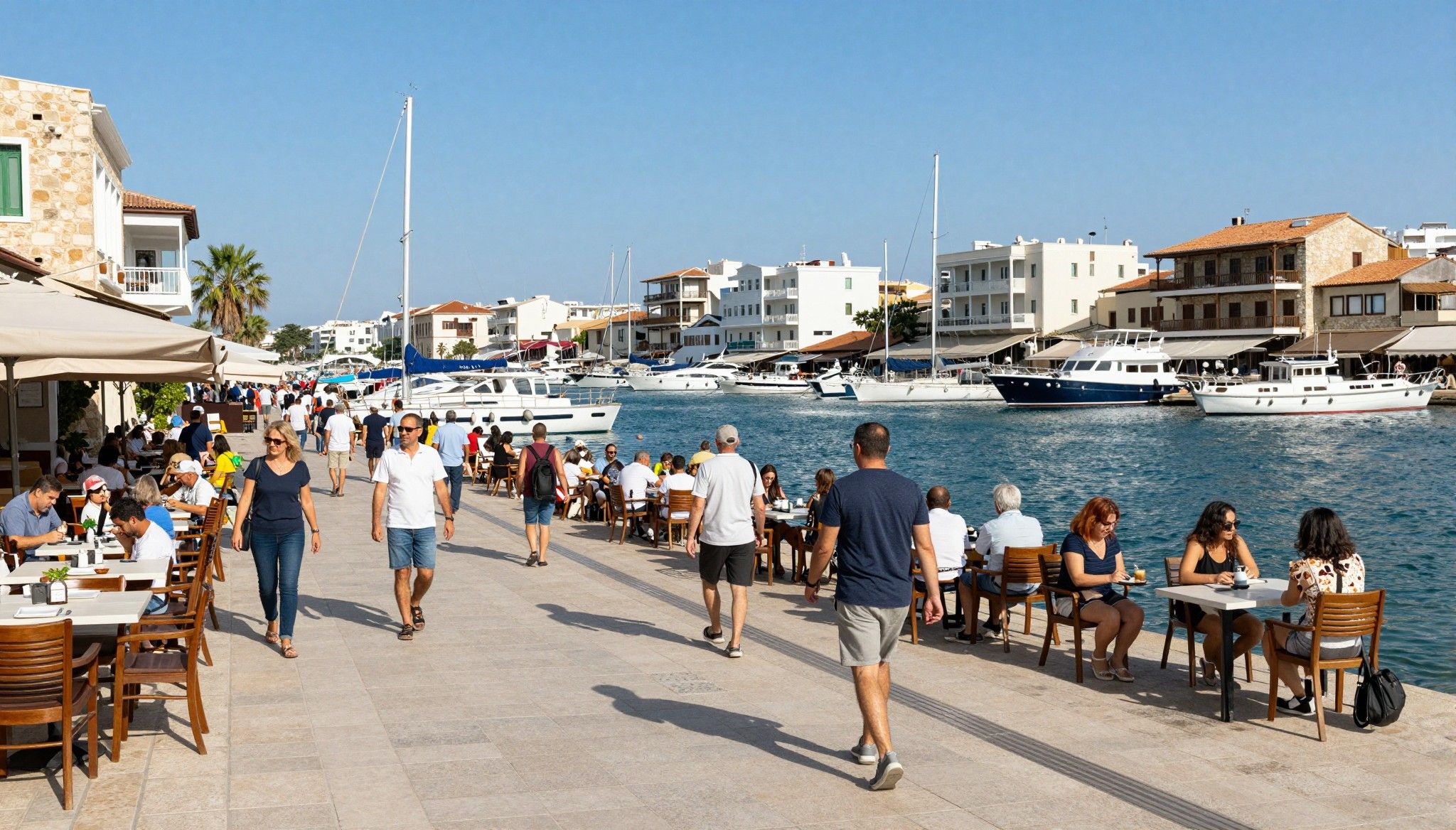
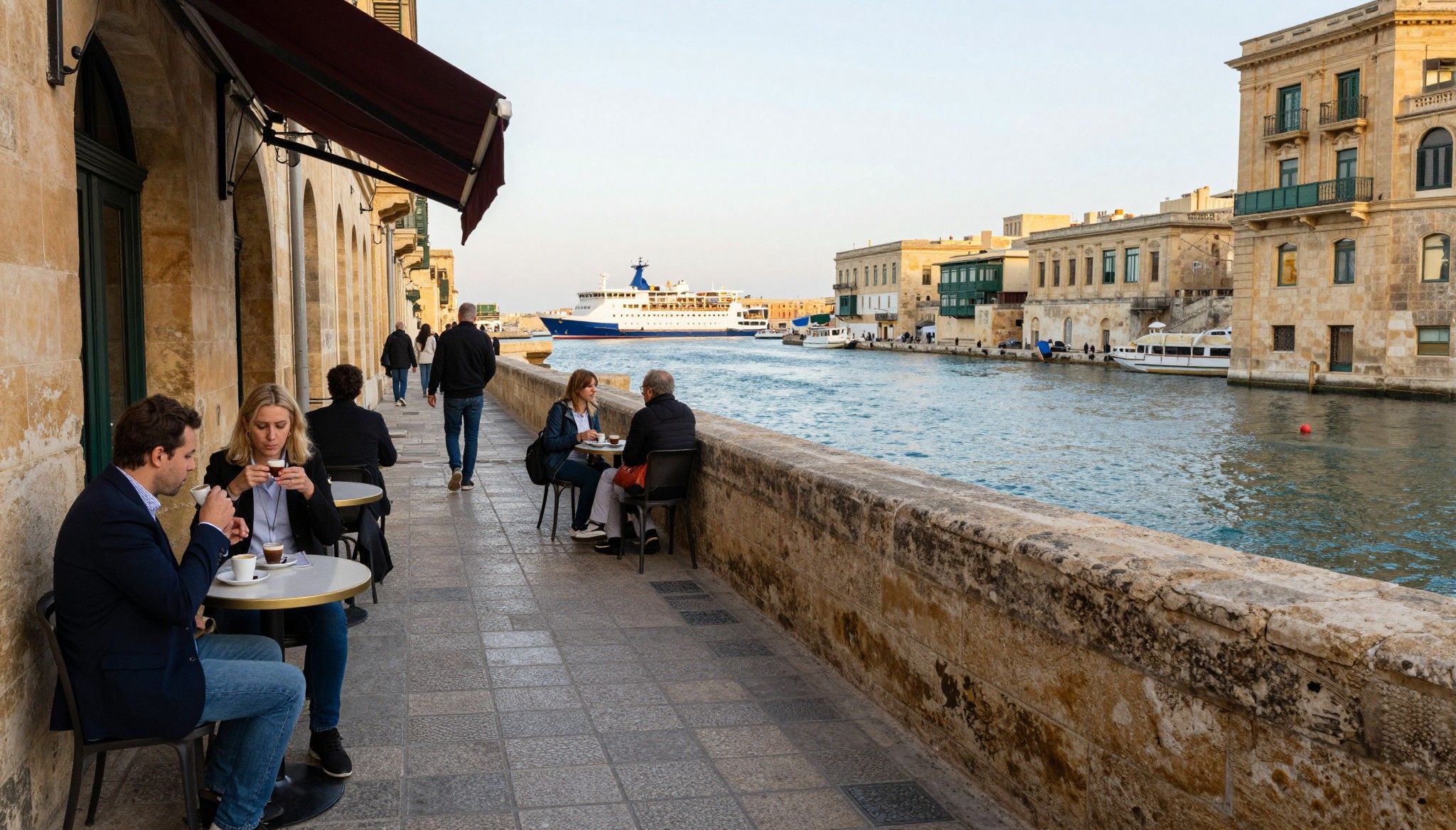
Imagine standing on Sliema’s seafront at 08:30, espresso in hand, ferries slicing past Valletta’s fortifications and rental notices taped to building doors two streets back. That contrast—sunlit Mediterranean life threaded through a tightly traded housing market—explains why Malta feels like both a lifestyle escape and a spreadsheet problem. For international buyers who prize regular rental income, Malta’s popularity with tourists and expats creates demand, but headline 'low yield' claims miss where returns actually hide.
Living the Malta lifestyle
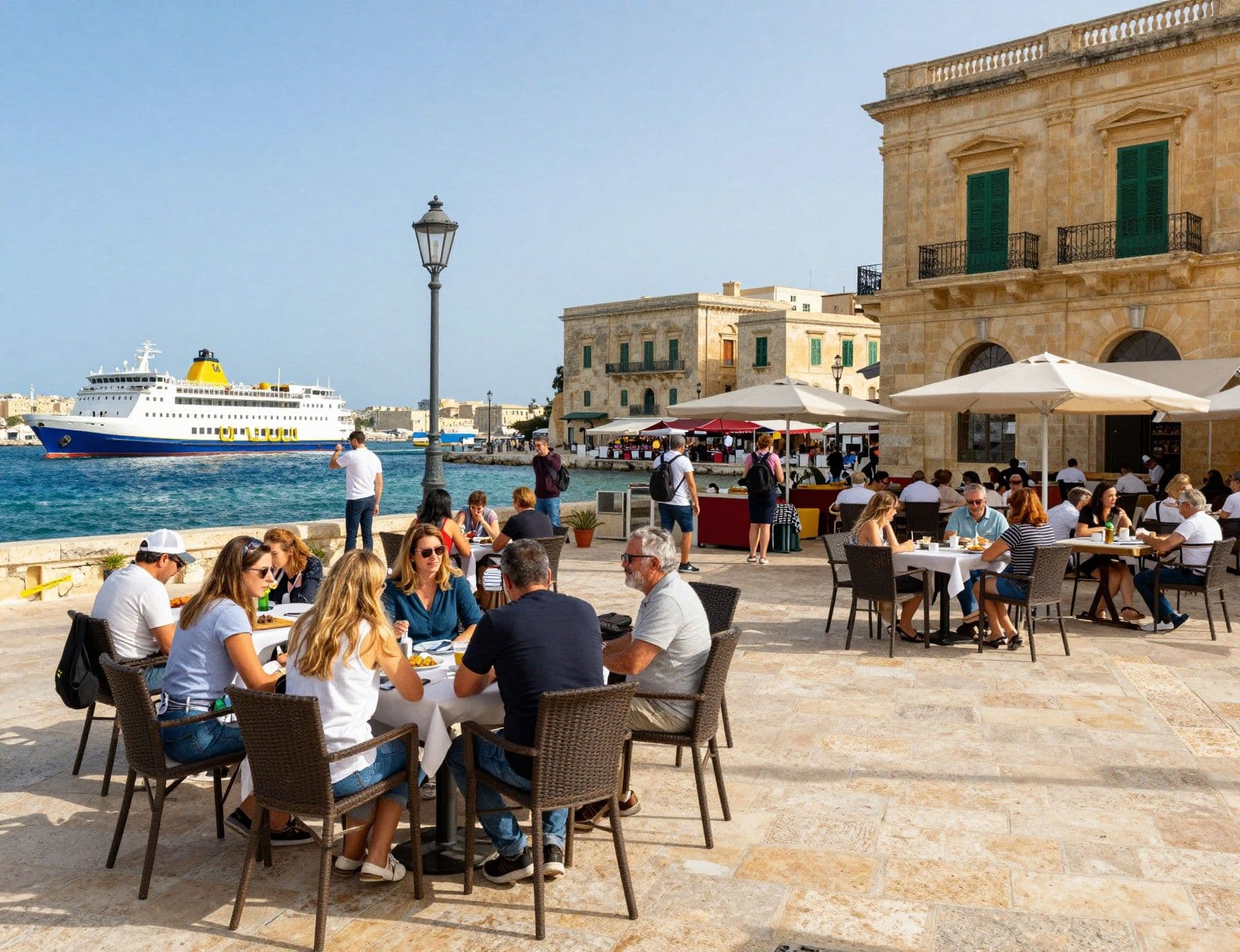
Malta is concentrated—three main islands, short commutes and dense neighbourhoods where cafés, late-night pastizzerias and small grocery shops define daily life. High tourist volumes (roughly 3.5–3.7 million visitors in 2024) amplify seasonal rental demand and feed a steady market for serviced accommodation and short-lets. That rhythm—busy summers, quieter winters—shapes tenant expectations and which properties actually deliver reliable yields. (Source: Malta Tourism Authority.)
Neighbourhoods that feel different at eye level
Sliema: daytime promenades, ferries to Valletta and a mix of long‑let families and corporate tenants. St Julian’s/Għargħur corridor: nightlife and short‑let demand concentrated around Paceville and Spinola Bay. Valletta: tourist footfall, premium night rates but constrained supply and higher purchase prices. Gozo: quieter, lower prices and different tenant profile—holiday families and longer stays. Knowing this street‑level split matters more than island‑level labels.
Food, markets and everyday rhythms
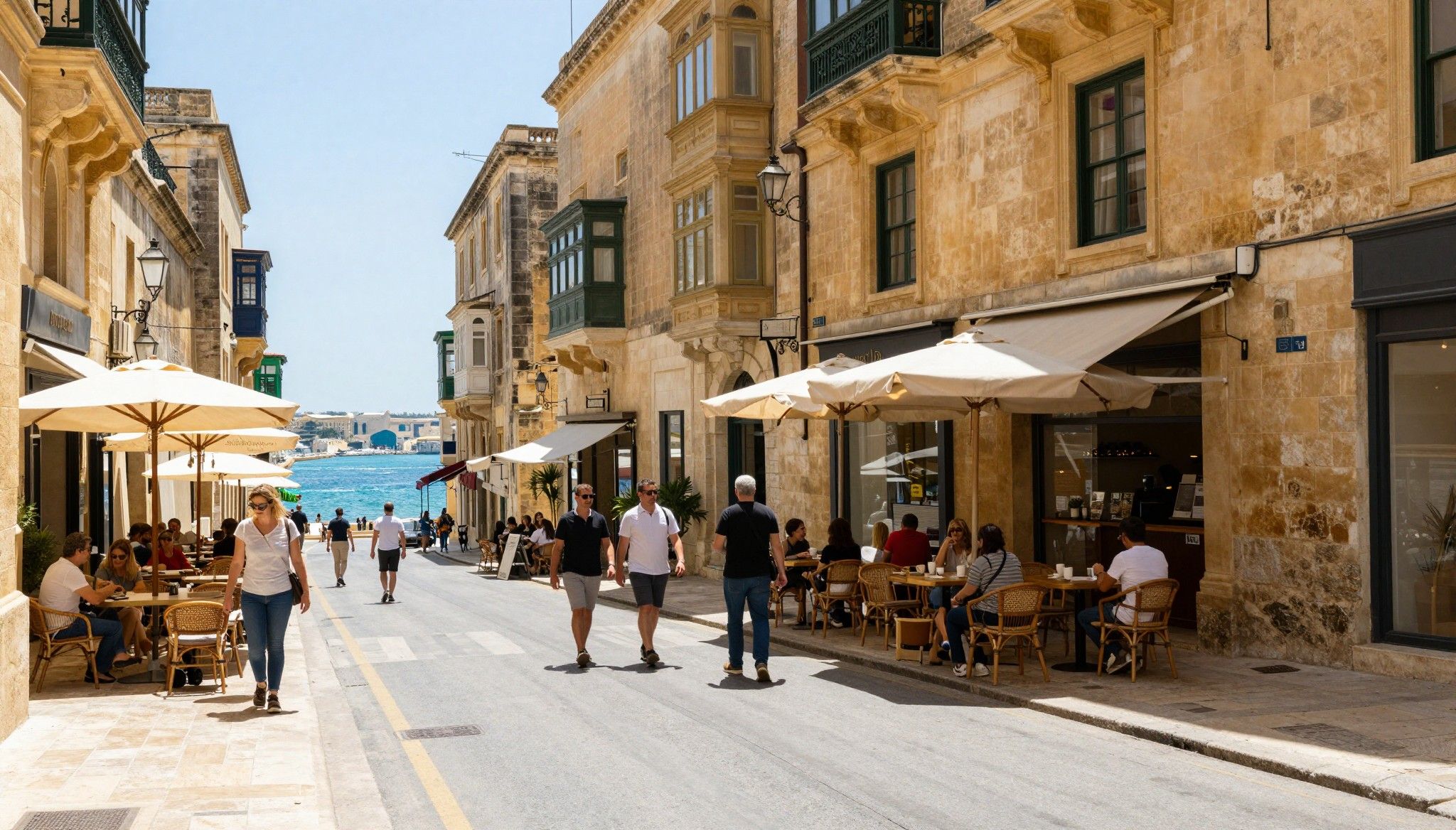
A day in Malta is built around market runs (Ħal Luqa and Marsaxlokk’s fish market), café culture on Tower Road in Sliema, and aperitifs in Valletta’s Strait Street. These micro‑patterns determine tenant preferences: proximity to a weekly market, walking distance to cafés, and a balcony for evening breezes all affect rental desirability. Lifestyle features become yield drivers when they match tenant checklists.
Making the move: practical considerations that map to lifestyle

The spreadsheet reality: Malta’s house price index has risen in recent years while gross yields quoted in broad surveys trend below many EU peers. But two facts reframe the conversation: rental yields vary dramatically by micro‑location and property type, and tourism recovery sustains short‑term demand. Use local RPPI trends alongside neighbourhood rental data to model realistic yields by street, not by country average. (Sources: NSO, Trading Economics.)
Property styles and what they mean for rental income
Apartments in converted historic buildings can command premium nightly rates but carry renovation and maintenance risk; modern apartments near St Julian’s offer steadier long‑let income; maisonettes and terraced houses in family neighbourhoods generate stable multi‑year tenancies with lower management overhead. Gross yields reported around 3.9–5% are averages—well‑maintained, location‑right units can exceed those figures. (Source: Global Property Guide.)
Six blended steps to match lifestyle to yield
Follow these steps to turn lifestyle preferences into a defensible rental strategy that reflects Maltese market realities and tenant behaviour.
Define target tenant (short‑let tourists, long‑let professionals, family rentals).
Map micro‑locations (street, block, beach access) to comparable rents for 12–24 month and nightly rates.
Estimate total cost of ownership: purchase price, insurance, maintenance, agency fees and seasonal vacancy.
Stress‑test yields under off‑season occupancy and local regulation changes that affect short‑lets.
Decide management model: self‑manage, local letting agent, or professional short‑let operator.
Insider knowledge: what expats wish they’d known
Expats commonly assume Malta is uniformly pricey or uniformly cheap. The real lesson: neighbourhood nuance matters. Sliema and St Julian’s deliver convenience and rental liquidity; inner Valletta units carry heritage premiums and renovation unpredictability; southern towns like Marsaxlokk trade lower price‑per‑sqm for a quieter tenant mix. Consider lifestyle trade‑offs—close‑in walkability vs lower entry price on the periphery—and test them against actual rental comparables. (Tourism and arrival patterns matter when modelling short‑let income.)
Cultural integration, language and daily life
English is an official language and widely used in business, which flattens friction for international owners. Yet local customs—late shop hours, strong community ties, and the importance of seasonal festa calendars—shape tenant behaviour. Agents who live in the same neighbourhood understand these rhythms and can help position a property’s lifestyle story to the right tenant segment.
Practical red flags local agents will flag
Unclear title or incomplete deeds—confirm with a local notary; lack of insulation/AC in older stock—tenant comfort affects rates; ambiguous common‑area responsibilities—maintenance costs reduce net yield; short‑let licence requirements—local rules can change quickly. Always ask sellers for recent invoices and verified comparables. (Source: NSO RPPI for transaction context.)
Invest where lifestyle demand meets regulatory stability: beachfront promenades near Sliema, family neighbourhoods with schools, and modern blocks close to business hubs often hit the best balance.
Conclusion: buy the lifestyle your tenant will pay for, then justify the price with data. Malta’s small geography concentrates both risk and opportunity—street‑level research, neighbourhood‑savvy agents, and conservative yield stress tests turn the island’s charm into repeatable income. If you’re planning a first visit, schedule market tours in Sliema, St Julian’s and Valletta, gather 12 months of rental comparables, and ask an agent for historic occupancy figures before making offers.
Swedish financier who guided 150+ families to Spanish title deeds since relocating from Stockholm in 2012, focusing on legal and tax implications.