Fall for France, Buy by the Spreadsheet
France’s allure is real — pair seasonal, neighbourhood rhythms with data on yields, tourism and regulation to turn lifestyle into dependable returns.
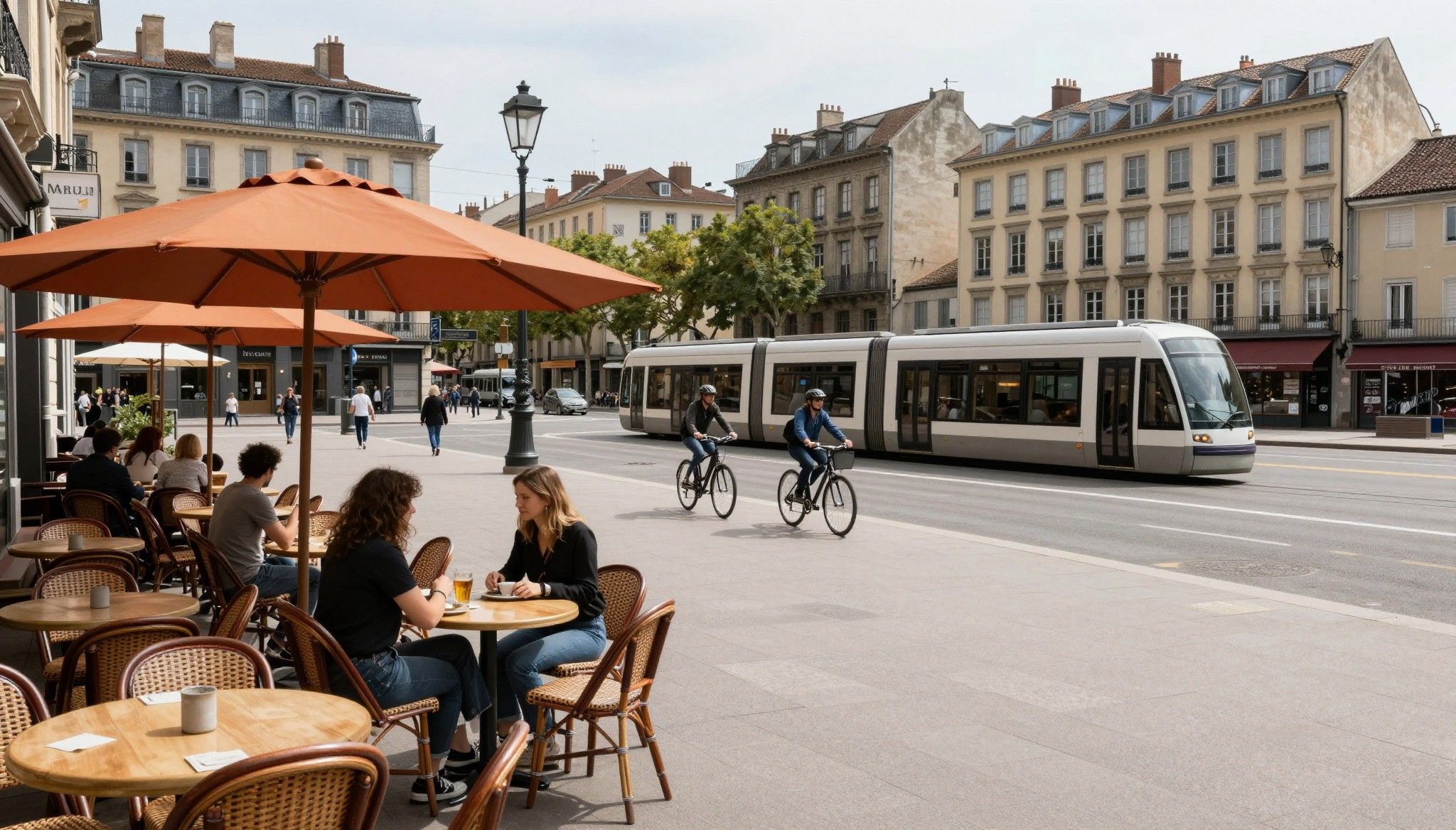
Imagine stepping out at 8 a.m. to buy pain au chocolat on Rue Cler, then catching a train for a weekend in Provence — that everyday ease is part of the French rhythm. Yet beneath the charm, macro forces — from post‑pandemic tourist flows and interest‑rate cycles to regional infrastructure projects — quietly reprice neighbourhoods. For international buyers, the choice is therefore emotional and arithmetic: buy the life you want, and test it against data that predicts returns.
Living the France lifestyle — what it feels like

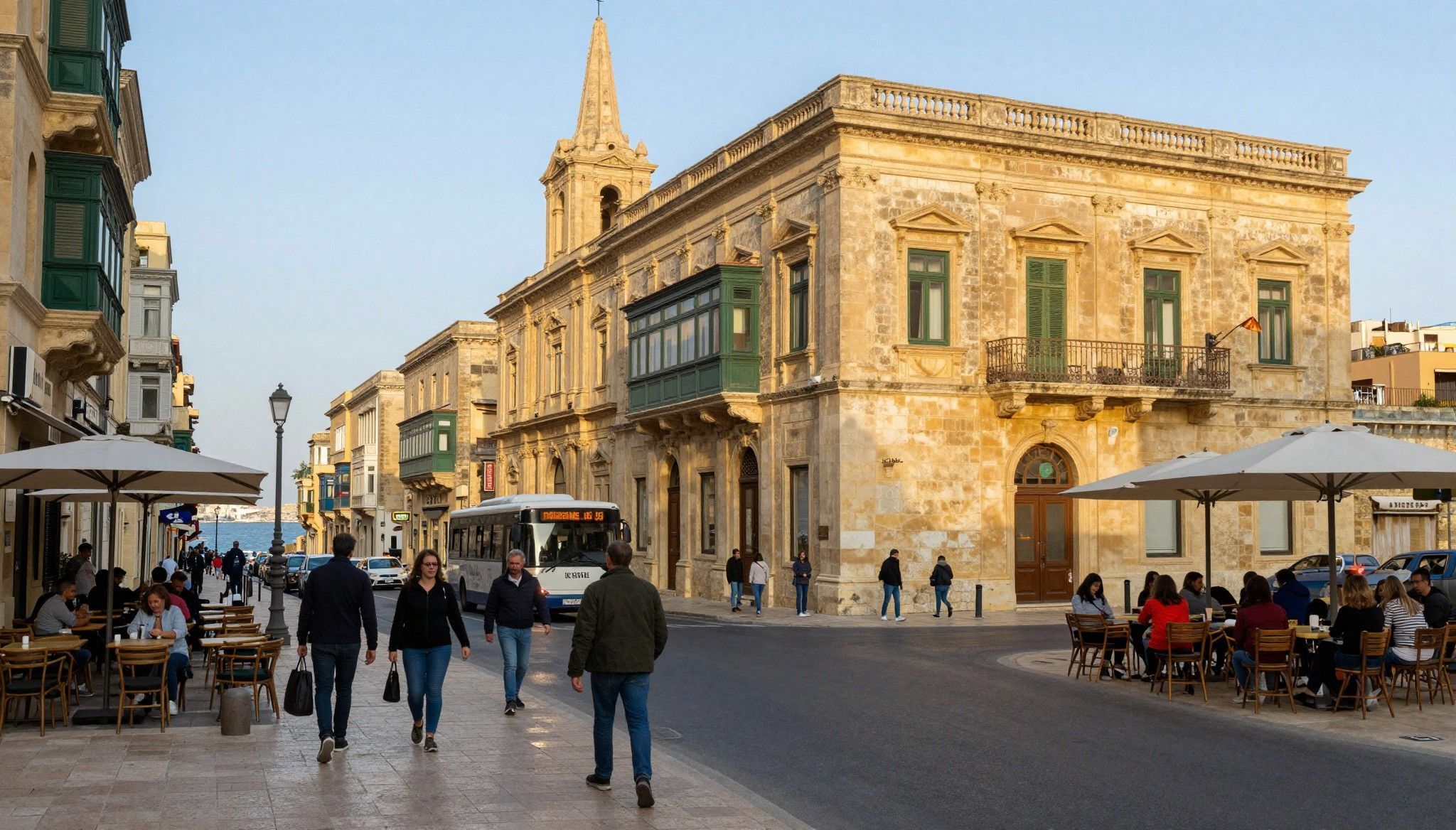
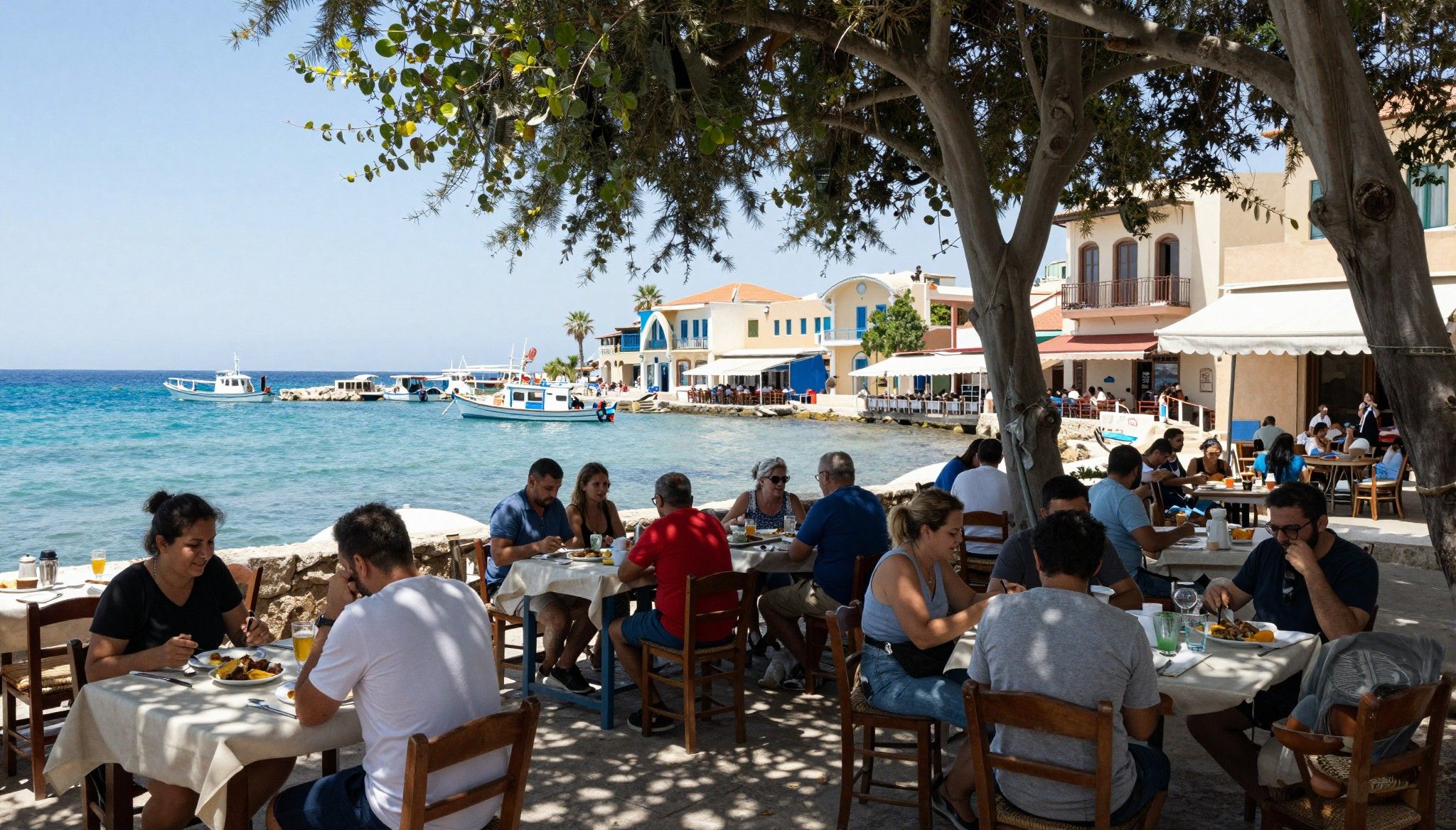
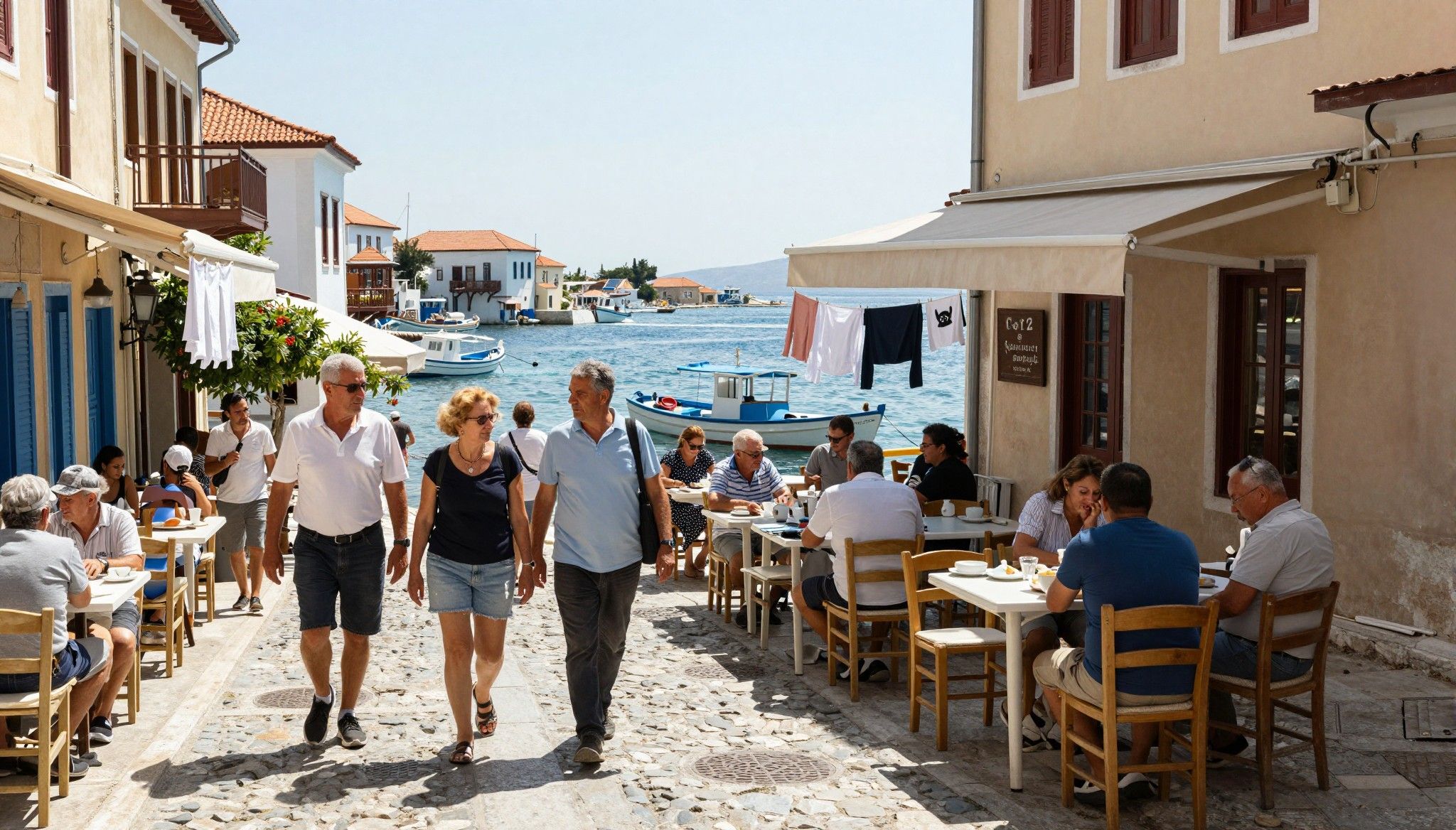
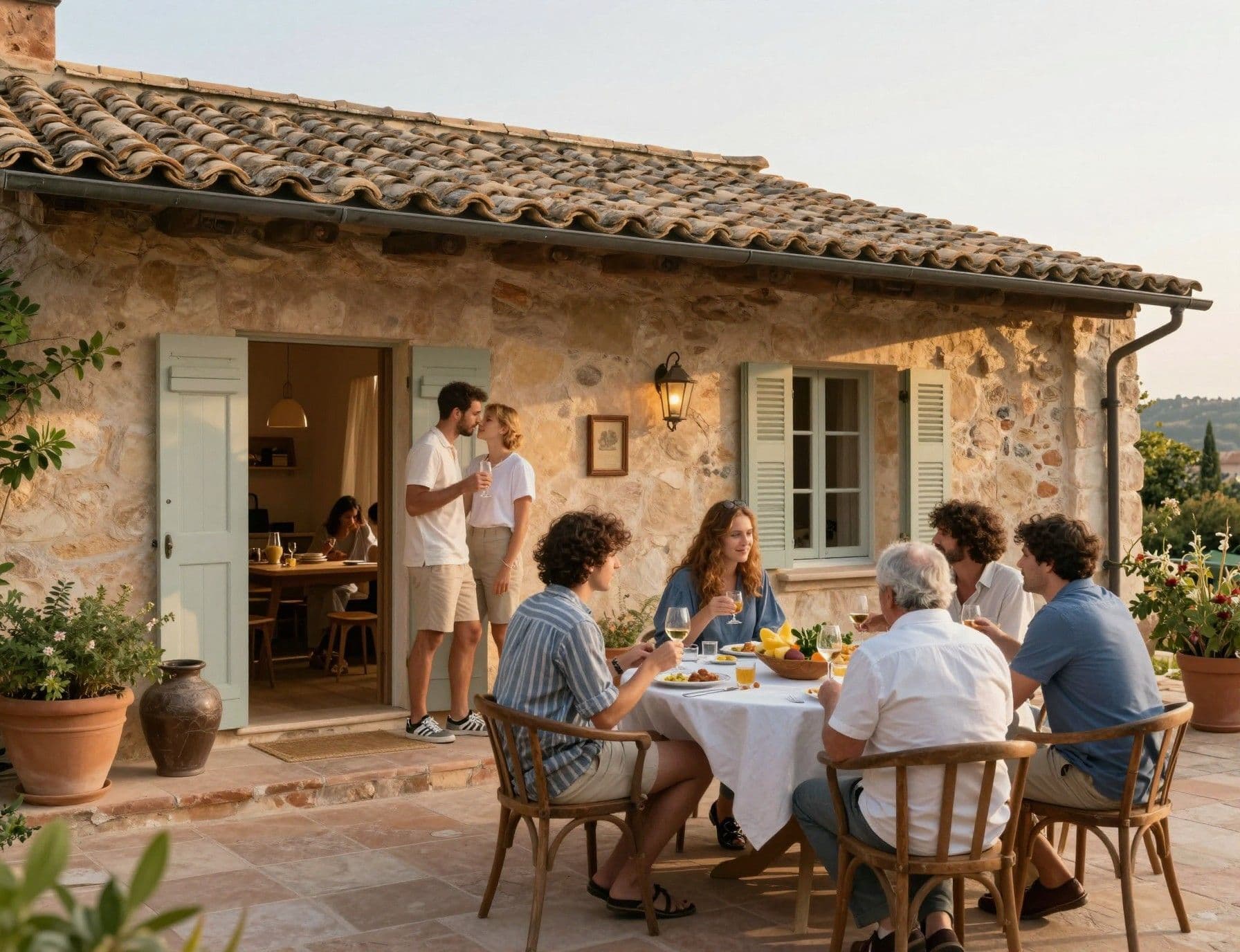
France is a palette of daily rituals: coffee at a zinc bar in Lyon’s Croix‑Rousse, market bargaining in Nice’s Cours Saleya, and Sunday walks along Bordeaux’s river. Seasons rearrange life — winter markets and indoor bistros in Alsace, summer beach rhythm on the Côte d’Azur, vineyard harvests in Bordeaux — and that seasonality shapes both demand and vacancy for rental stock. As an investor you must translate those lived seasons into occupancy curves and cashflow forecasts.
Neighbourhoods that act like small countries
Paris is a mosaic: Le Marais hums with galleries and short‑stay demand, the 7th offers diplomatic stability, while 19th‑arrondissement pockets are undergoing gentrification. Outside the capital, Lyon’s Presqu’île blends office demand with student renters; Nice’s Old Town feeds high seasonal tourism but uneven year‑round occupancy; Nantes and Rennes attract tech workers and steady long‑term lets. Spotting which neighbourhood behaves like a tourist magnet versus a year‑round labour market is the first practical filter for acquisition.
Food, markets and the tempo of daily life
Markets define micro‑economies: Marché d’Aligre in Paris supports neighbourhood restaurants while weekly marchés in Provence anchor long‑term residents. Cafés double as informal coworking for freelancers; boulangeries guarantee foot traffic that benefits ground‑floor retail conversions. When choosing a property, map nearby markets, primary schools and transport nodes — these amenities predict rental demand more reliably than boutique prestige.
- Lifestyle highlights — places that shape value
- Rue Cler (Paris) — daily markets and stable long‑let demand
- Cours Saleya (Nice) — intense seasonal touring, high short‑let ceilings, low off‑season occupancy
- Presqu’île (Lyon) — balanced mix of students, offices and families; predictable mid‑term leases
Making the move: how macro drivers change prices and yield
National price momentum has been subtle: recent INSEE and notarial data show modest quarterly moves in 2025, while median €/m² varies dramatically between cities. Gross rental yields for residential stock sit in the mid‑4% range nationally, higher in dynamic regional centres and lower in central Paris. Translate these averages into a net yield model: account for local property tax, management fees and realistic vacancy rates to avoid overestimating returns.
Key economic drivers investors must model
- Tourism volume (international arrivals) — raises short‑let ceilings but increases regulatory scrutiny. (See OECD tourism trends).
- Job and student markets — cities with growing employment or university intake sustain year‑round leasing and reduce vacancy.
- Transport and infrastructure — high‑speed rail lines and airport investments reprice suburbs into commuting belts.
- Regulation and short‑let rules — municipal rules (especially in Paris) limit commercial short‑lets and can flip returns quickly.
Property styles and what they mean for returns
Haussmannian flats in Paris deliver capital resilience but capped gross yields; provincial villas offer higher gross yields but require active management. New builds attract lower maintenance but higher purchase prices per m²; older properties often need renovation budgets that improve net yield if executed prudently. Build renovation scenarios into your acquisition model: include mandated energy upgrades (DPE) and realistic CapEx timelines.
Working with local experts who understand both lifestyle and maths
Choose agents who combine neighbourhood intel with yield modelling: they should provide recent comparable rents, expected vacancy, and evidence of tenant demand by cohort (students, tourists, professionals). Lawyers and notaires will handle transaction mechanics; a good property manager can be the difference between projected and realised returns. Ask for anonymised P&L statements from comparable management contracts before committing.
- Six steps that blend lifestyle and financial due diligence
- 1) Map lifestyle anchors (markets, schools, transport) that support year‑round demand.
- 2) Run three rent scenarios (optimistic short‑let, baseline long‑let, stressed low occupancy) for five years.
- 3) Confirm regulatory limits on short‑lets with municipality records (Paris and many coastal towns have specific rules).
- 4) Add renovation and energy‑upgrade budgets; tie them to expected yield uplifts and timelines.
- 5) Secure a local property manager and model net yield after management fees and taxes.
- 6) Use an independent valuation to stress‑test your purchase price against three cap‑rate scenarios.
Insider knowledge — myths, red flags and contrarian pockets
Myth: Paris is always the safest capital for returns. Reality: Paris offers capital stability but low gross yields and high regulation risk — short‑let restrictions tightened in many arrondissements and Olympic‑era distortions left regulatory and tenant pressures. Contrarian opportunity: mid‑sized university cities (Nantes, Rennes, Grenoble) often combine growing wages, student demand and sub‑8% purchase prices per m² compared with Paris, producing steadier net yields for long‑term investors.
Red flag checklist
- New municipal short‑let bans or registration requirements that increase compliance costs.
- Properties with single‑season market appeal and no year‑round tenant base.
- Large planned infrastructure works that will constrict access for 2–4 years without clear upside.
What expats say they wish they'd known
Expats consistently highlight three surprises: the pace of administrative paperwork, the importance of neighbourhood rituals (markets, boulangeries) in tenant retention, and the cost of energy upgrades in older stock. Those factors affect cashflow as much as headline price per m². Build buffers into your cashflow model for admin delays and incremental compliance costs.
Conclusion — fall for the life, buy with the spreadsheet
France offers a rich everyday life that easily converts into an investable thesis when paired with disciplined modelling. Prioritise neighbourhoods with year‑round occupancy anchors, stress‑test short‑let assumptions against local regulation, and insist on third‑party yield projections. When lifestyle and numbers align, France can be both a home and a measured addition to a diversified property portfolio.
Norwegian market analyst who relocated from Oslo to Mallorca in 2016, guiding Northern buyers through regulatory risk, currency hedging, and rentability.