When France’s Summer Illusion Masks Rental Risk
Summer demand inflates perceived rental income in France; use INSEE/notarial data and occupancy modelling to convert seasonal magic into realistic annual yields.
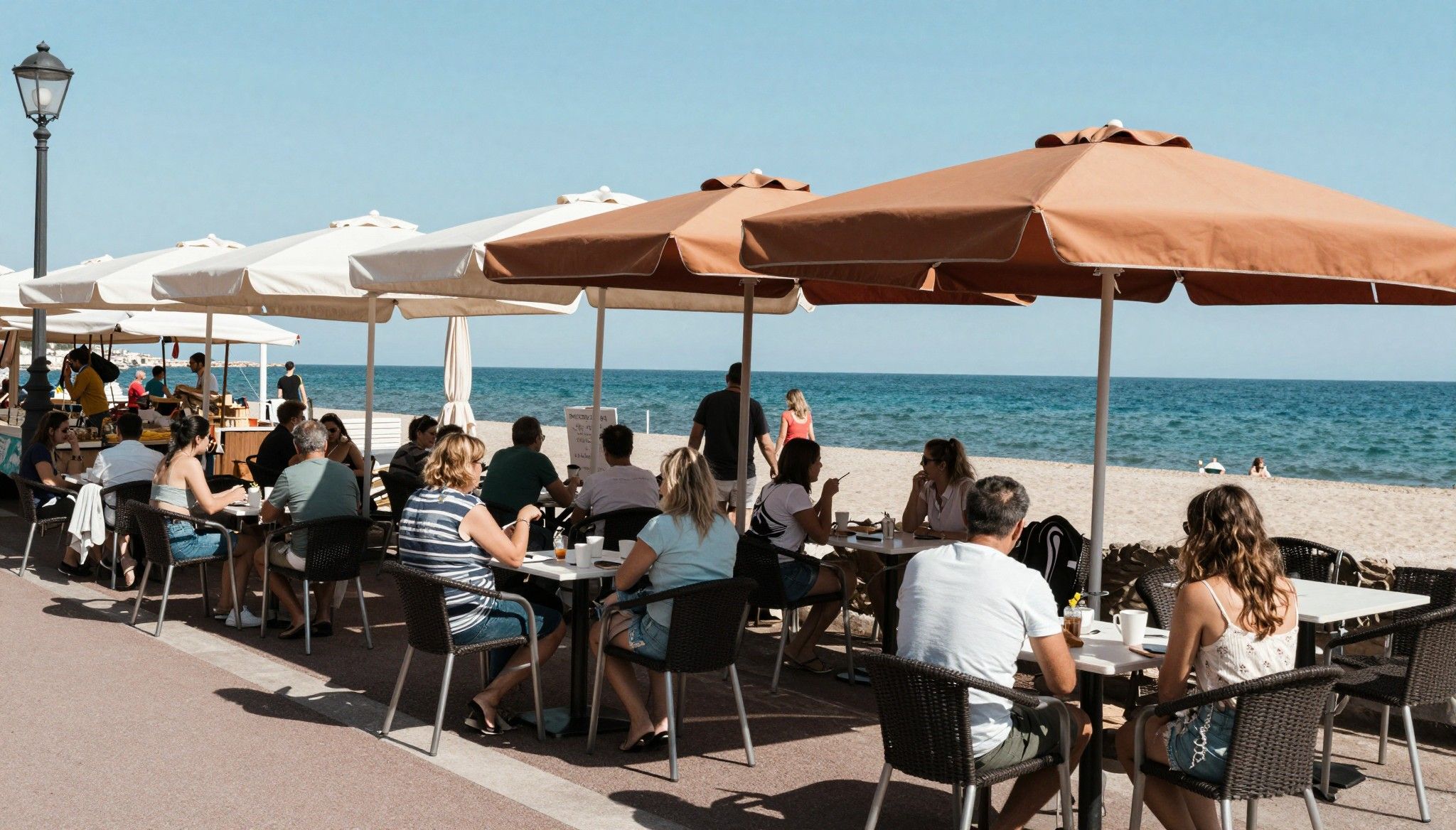
Imagine arriving in Nice on a July morning: terraces hum, market stalls heap peaches and basil, and short‑lets flash booked for the summer. It’s intoxicating — and deceptive. France’s tourism high season creates temporary rents and headline yields that often mislead buyers about year‑round returns. This guide shows how the summer illusion inflates perceived rental income, which French regions amplify the effect, and the data‑driven steps investors must take before a purchase.
Living the France life — what the summer sells
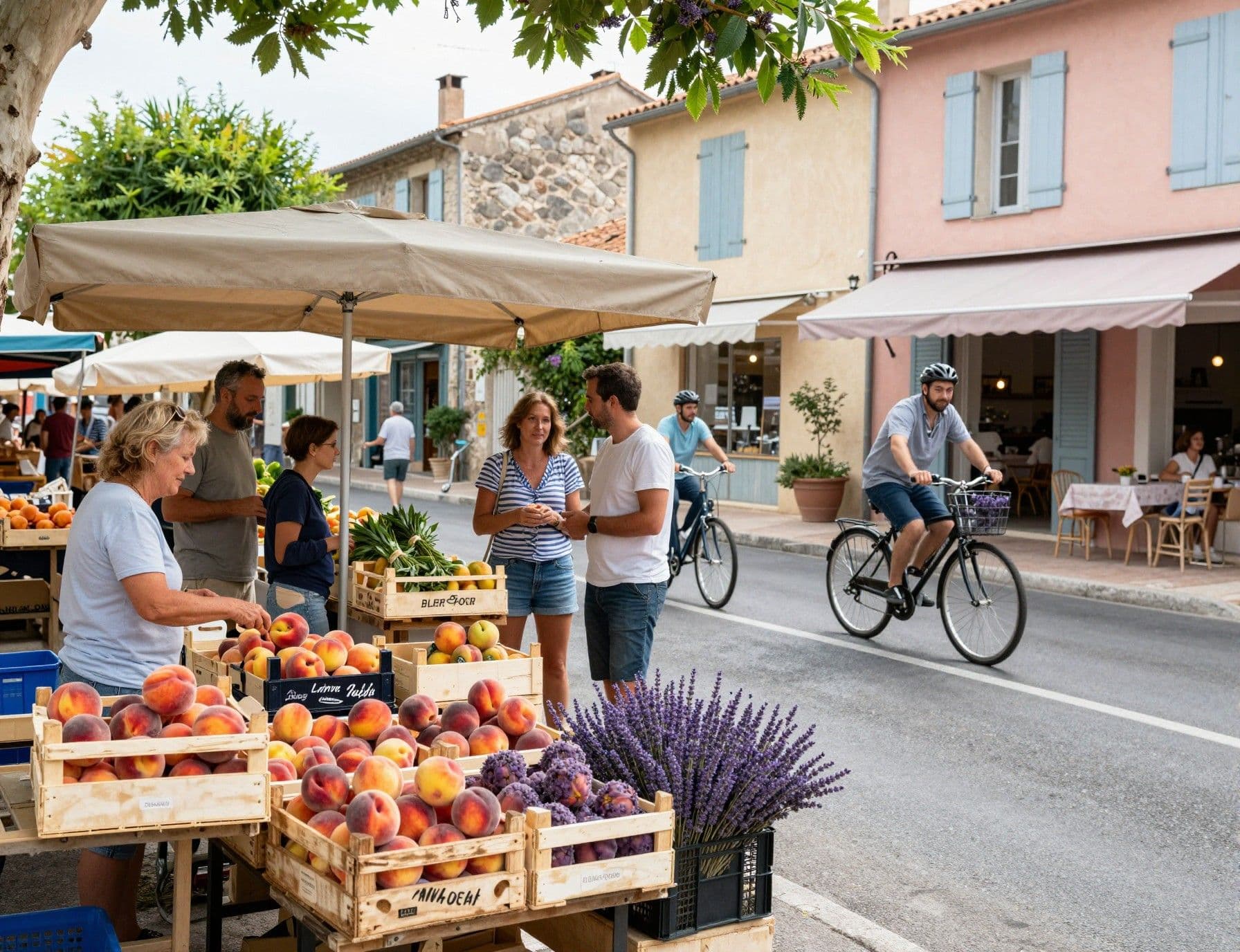
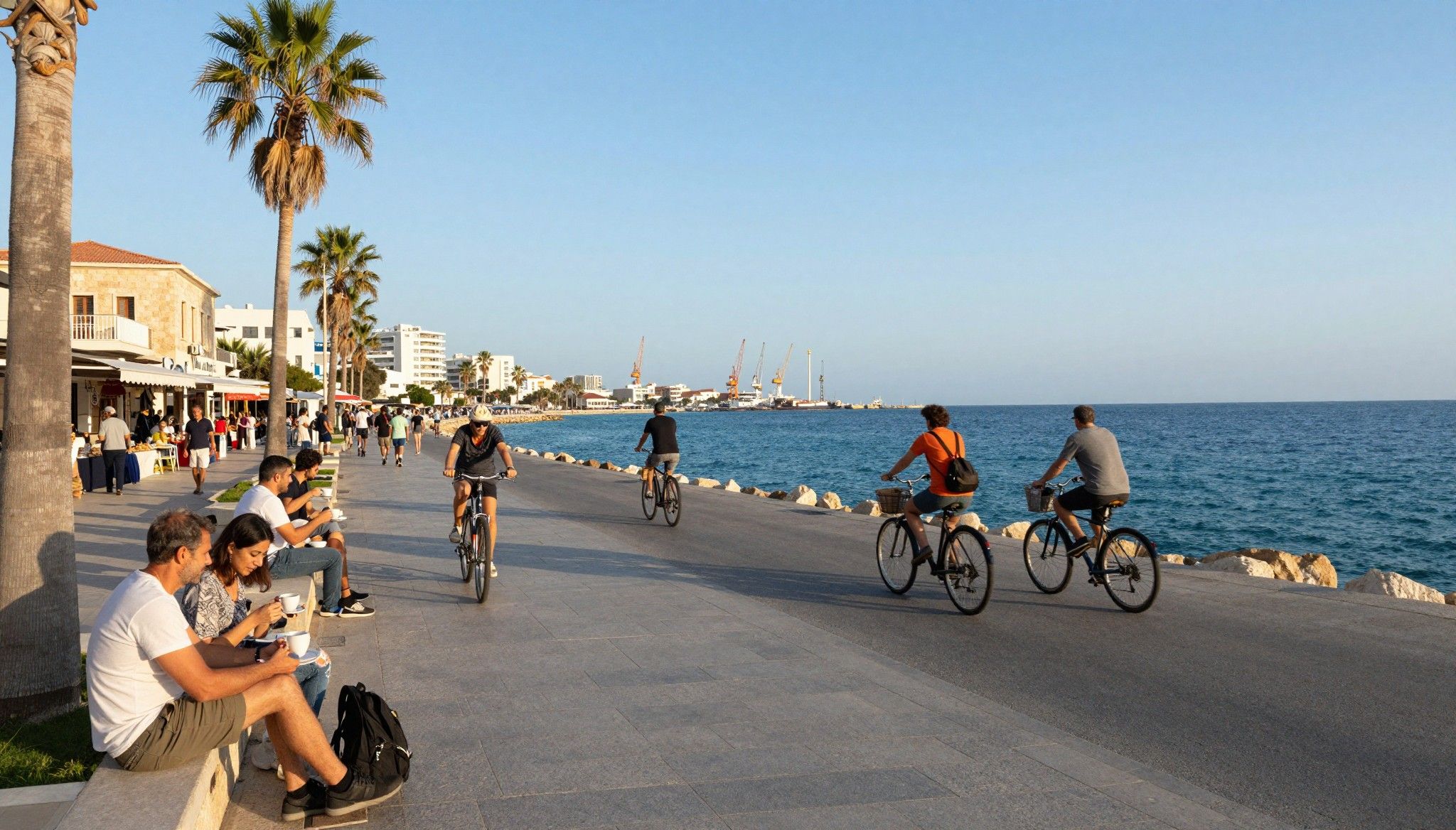
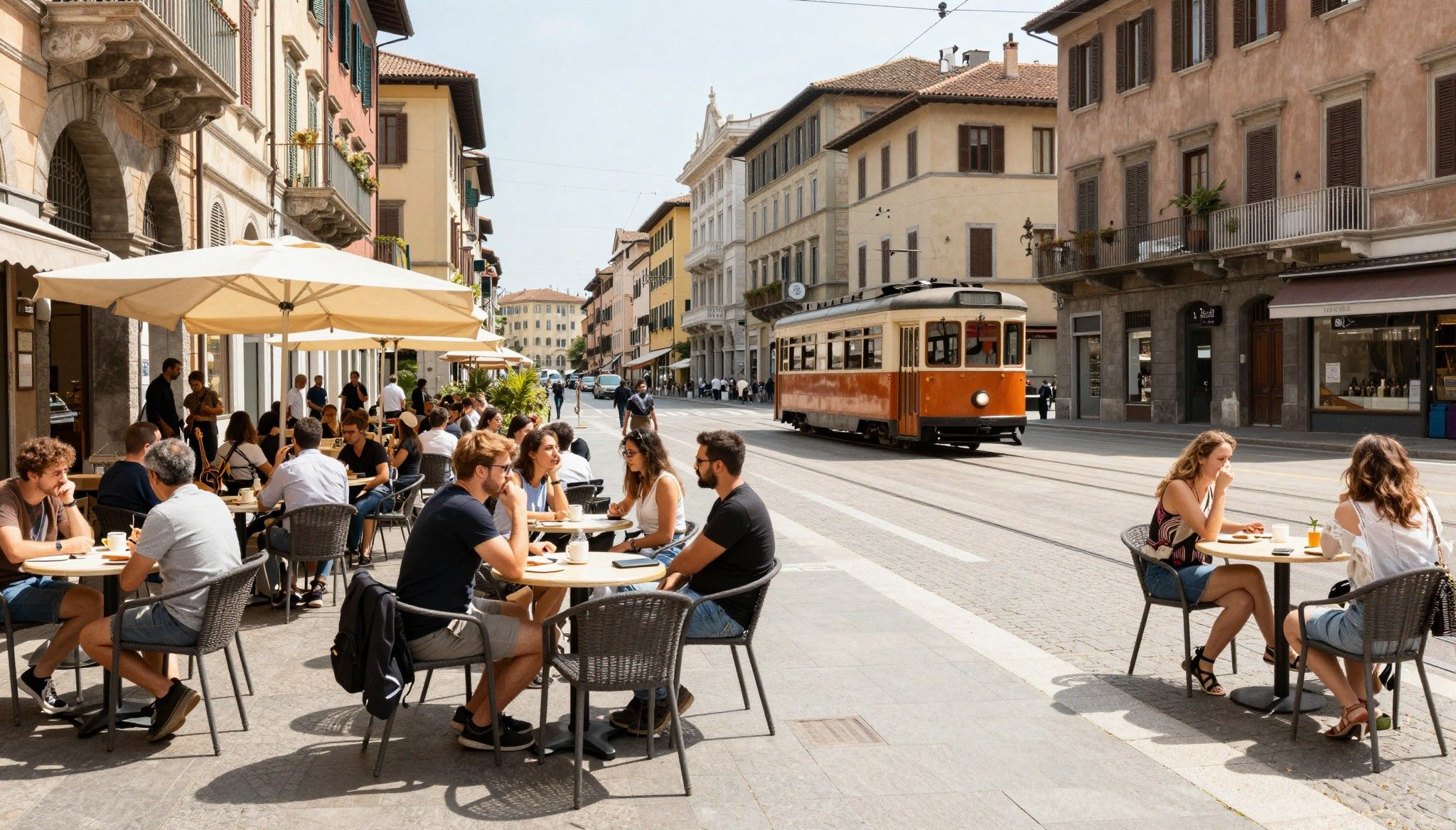
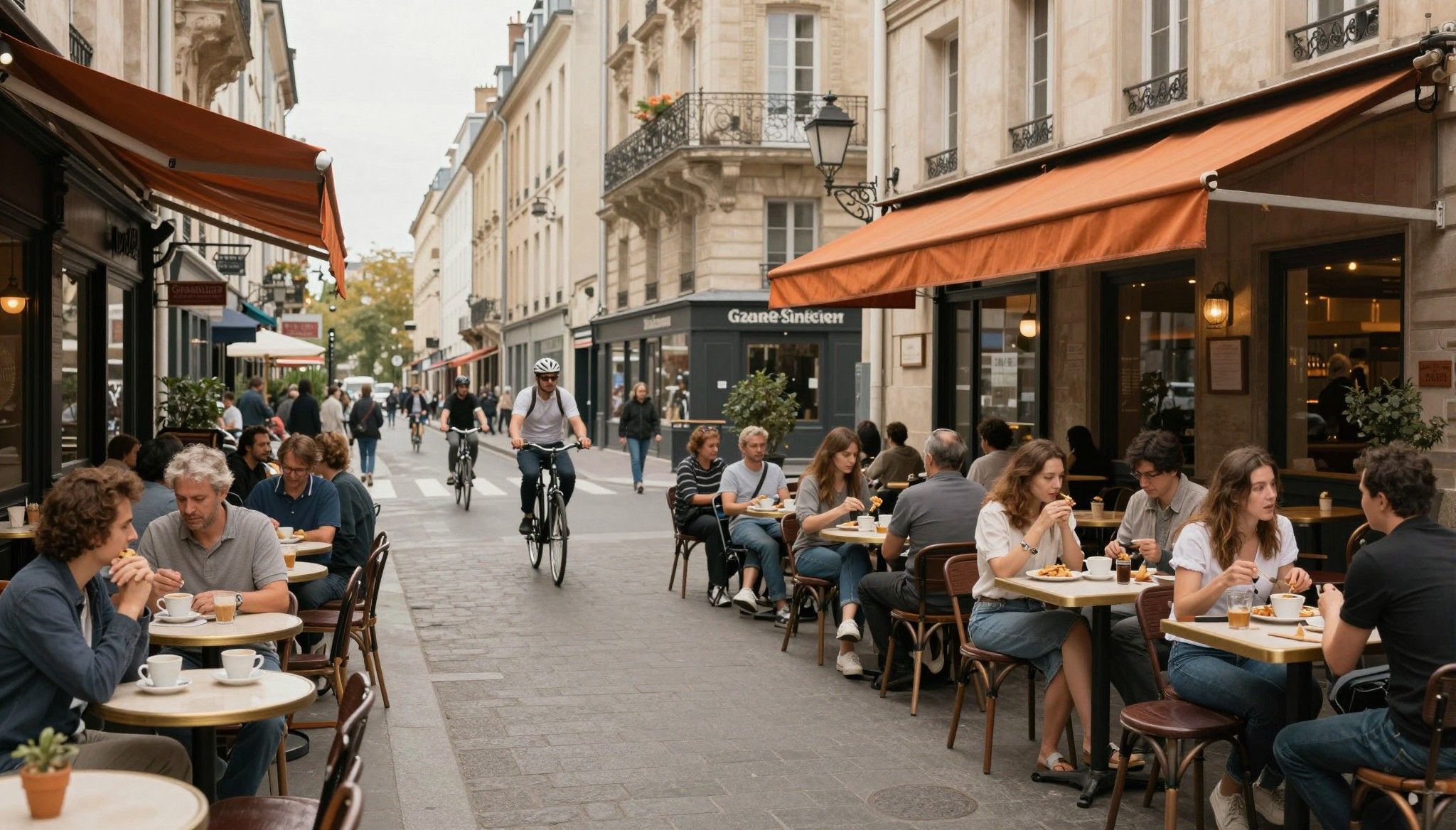
France is cinematic in summer: open markets, late dinners, and coastal crowds. Yet daily life outside July–August is quieter, governed by school calendars, local commerce hours and weekly markets. For buyers imagining steady cashflows from tourist lets, the mismatch between summer spectacle and off‑season reality is the single biggest practical surprise.
Neighbourhood spotlight: Vieux Nice and the Riviera rhythm
Streets like Rue Droite pulse in July; owners can charge premium nightly rates. But winter utility costs, stricter change‑of‑use rules in coastal municipalities and falling occupancy reduce effective annual yield. When you walk from Cours Saleya into quieter lanes in October, the tourism premium is obvious — and temporary.
Food, markets and weekday life: Lyon’s Croix‑Rousse example
Picture Sunday market runs at Les Halles de Lyon Paul Bocuse; the city is lively year‑round thanks to residents, students and business travel. Here, short‑term demand layers on stable local demand — a healthier mix than purely touristic towns. That mix matters when converting summer income projections into realistic annual forecasts.
- Lifestyle highlights that affect demand: proximity to markets (Cours Saleya, Les Halles), weekday coworking hubs (Station F, La Cordée), transport nodes (Gare de Lyon, Nice Ville), and event calendars (Festival d’Avignon, Cannes Film Festival).
Making the move: practical considerations that cut through the illusion
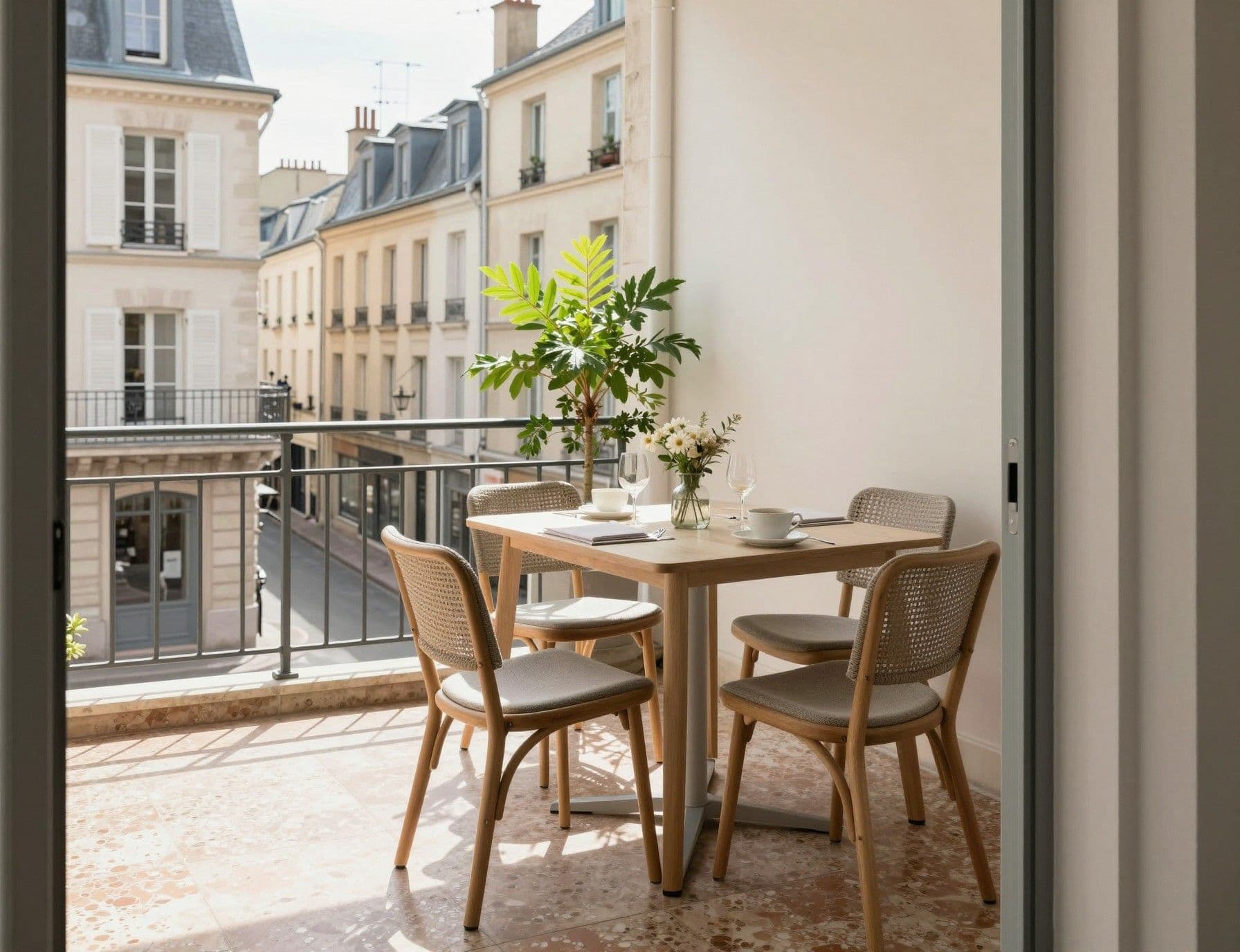
Begin with data, not peak‑season anecdotes. National indices from INSEE and notarial sources show regional divergence: Paris and select coastal or Alpine resorts command high prices per square metre but produce compressed gross yields, while many secondary cities and western coastal towns deliver higher gross yields once seasonality is discounted. Use official quarterly data to model full‑year occupancy and true net yield rather than extrapolating from July incomes.
Property styles: what you actually buy when you chase summer cash
Seaside studios and 1‑bed apartments sell on summer desirability; they are cheap to buy per entrant and simple to manage but are the most seasonal. Larger flats and townhouses attract longer stays and family bookings off‑peak. For investors seeking stable annual yields, prioritize properties that appeal to business or long‑stay leisure markets — proximity to transport and amenities matters more than sea views alone.
Working with local experts who know the calendar
- Steps to reconcile lifestyle desire with steady returns: 1. Build an occupancy model: use monthly tourist arrivals and local long‑stay demand to map realistic occupancy. 2. Adjust headline nightly rates by season and include platform fees and cleaning. 3. Stress‑test for a 40–60% summer‑biased occupancy curve; many coastal lets fall into this range. 4. Add local regulatory costs: registration, local taxes, and potential change‑of‑use expenses. 5. Compare to long‑let yield models (12‑month contracts) to see tradeoffs in net yield and management complexity.
Insider knowledge: what expats and investors wish they’d known
Seasonality, local rules and true running costs are the usual regrets. Owners who priced and managed solely for July–August found booking gaps and higher maintenance in winter. Investors who combined short‑lets in season with trusted long‑lets off‑season reported steadier cashflow and lower churn.
Cultural integration and tenant mix
French tenancy culture values long‑term stability; many tenants sign multi‑year leases. For investor landlords, offering furnished long‑lets to professionals or families can reduce vacancy and legal friction compared with frequent short‑lets. Learning local tenant expectations — notice periods, inventory norms, and deposit rules — reduces disputes and unforeseen costs.
Long‑term lifestyle and market cycles
France’s market shows cyclical adjustment: 2023–24 saw cooling in some markets; late‑2025 indices point to stabilization. Expect local cycles to differ — university towns, export‑linked cities and transport hubs often lead recoveries. For lifestyle buyers who are also investors, combine neighbourhoods that deliver daily life appeal with structural demand drivers.
- Red flags that summer visibility hides: • Municipal limits or bans on short‑term lets in historical centres. • Overvaluation vs local salary levels (price/m² multiples of local median income). • Dependence on a single event (film festival, race week) for peak bookings. • High seasonal utility and maintenance costs for older stock.
Conclusion: Fall in love with France — but underwrite the full year. Use official indices (INSEE, notarial data) to build 12‑month cashflow models and prefer mixed‑demand locations or blended leasing strategies. Partner with agencies that provide monthly occupancy data, perform regulatory checks, and model both summer peaks and winter troughs. That way, you keep the summer magic — without letting it misprice your portfolio.
Danish relocation specialist who moved to Cyprus in 2018, helping Nordic clients diversify with rental yields and residency considerations.