Cyprus: Where Lifestyle Meets Measured Yield
Cyprus blends Mediterranean lifestyle with measurable investment trade‑offs: rising apartment prices, 4–6% gross yields in cities, and clear micro‑market dispersion to model.
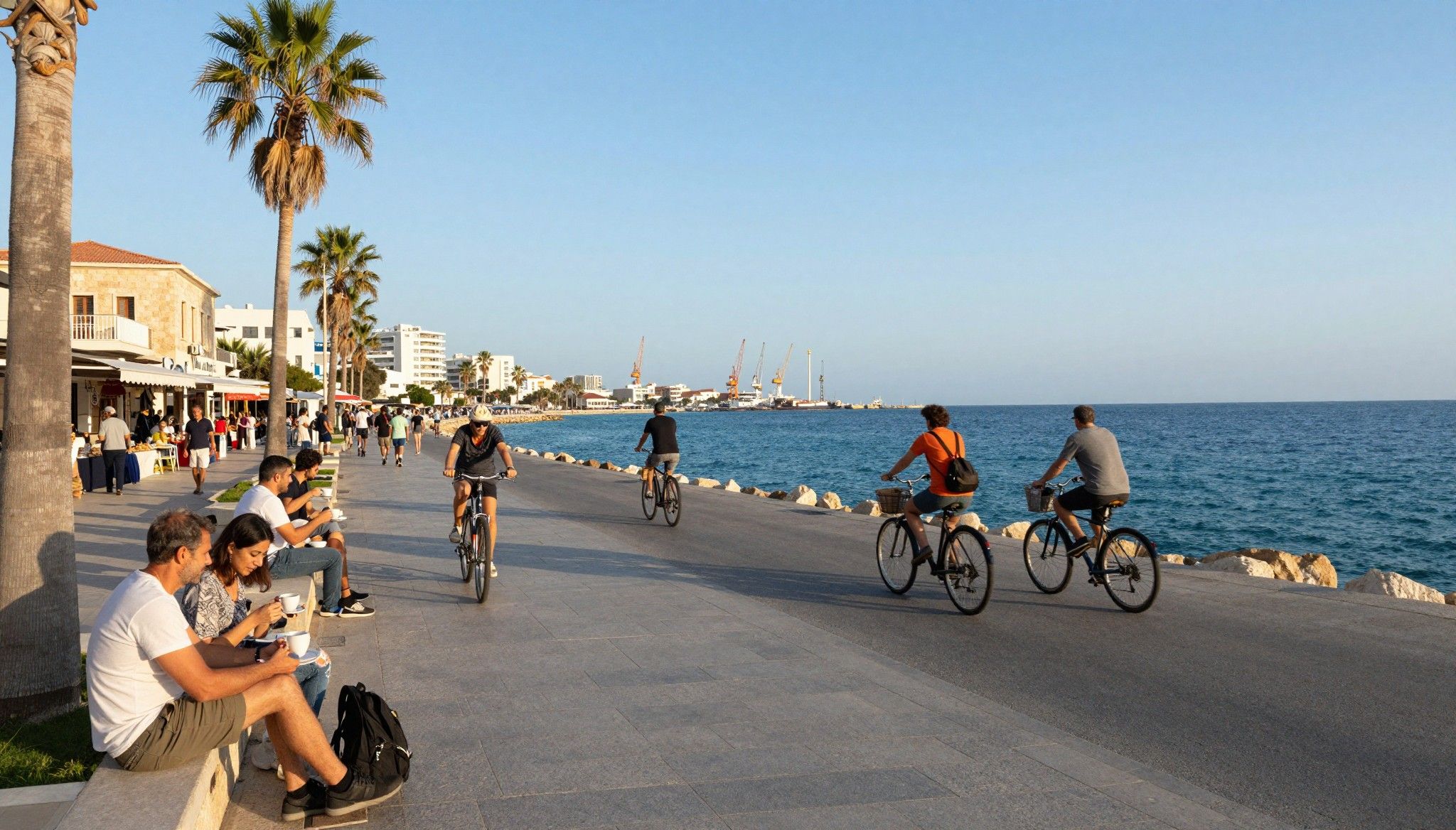
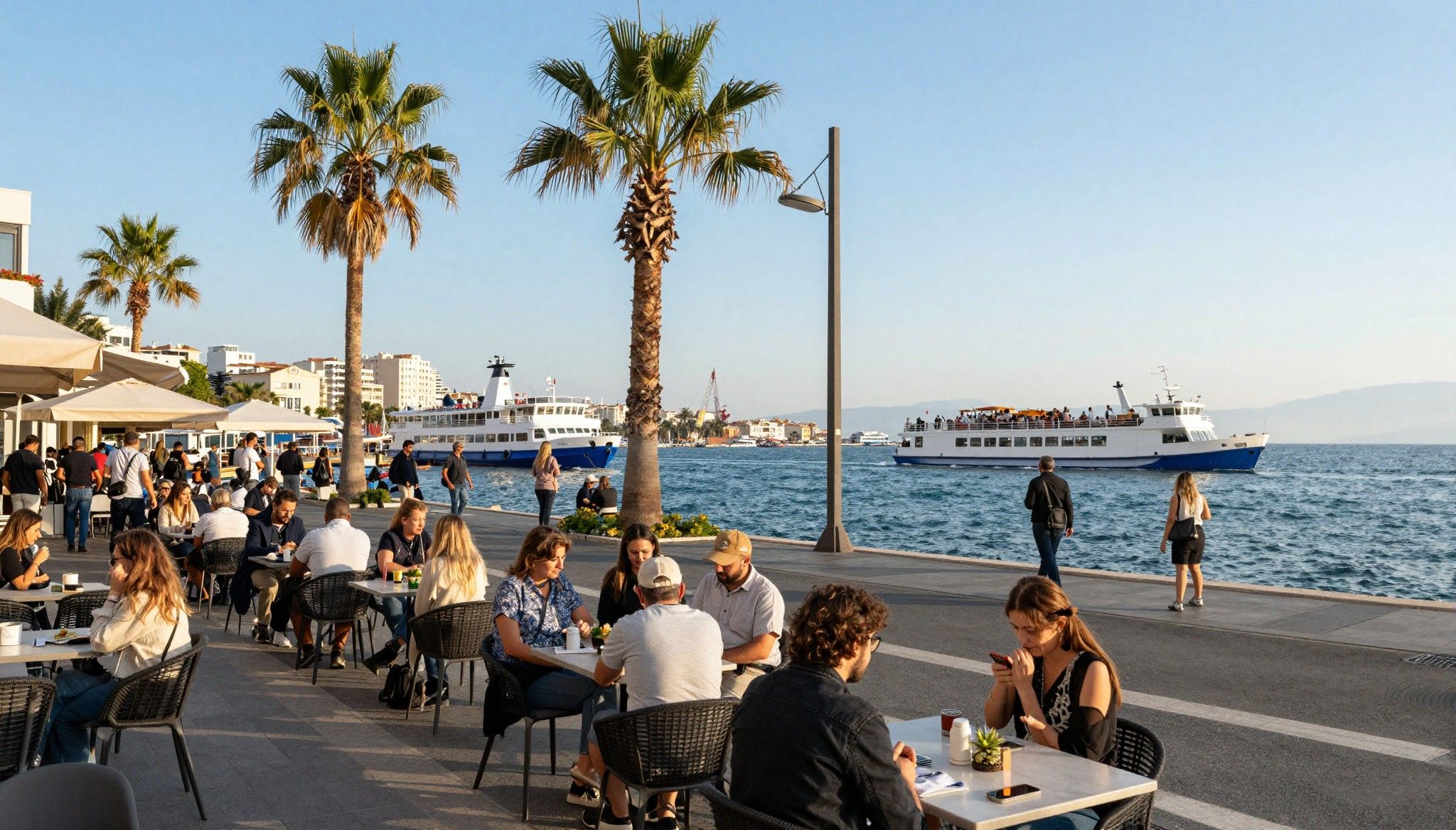
Imagine waking to the soft hum of a coastal town: espresso cups clinking in Larnaca’s Finikoudes promenade, delivery scooters threading past stone houses in Paphos, and construction cranes framing Limassol’s skyline. Cyprus feels like a Mediterranean storybook — sunlit terraces, olive groves within a short drive, compact towns where markets set the day’s rhythm. For international buyers this is both an emotional draw and a set of measurable trade‑offs: coastal desirability pushes prices, inland towns present value, and short‑stay tourism reshapes rental dynamics. Below I mix the island’s lived texture with the data investors need to translate feeling into cash flow and risk controls.
Living the Cyprus lifestyle

Daily life in Cyprus is anchored to outdoors and community. Mornings begin with local bakeries (try a warm koulouri) and afternoons drift toward coastlines or village tavernas. English is widely spoken in business and services, making initial integration easier for many expats, while weekends still revolve around family meals and local fêtes. This rhythm matters to buyers: properties with terraces, shade, and easy access to neighborhood cafés outperform in both short‑term holiday rentals and long‑term tenancy markets.
Neighborhood spotlight: Limassol’s dual personality
Limassol splits into a premium coastal ribbon and evolving inner districts. The Marina and Germasogeia attract international buyers seeking rental yield and capital appreciation, with new developments commanding the island’s highest prices per square metre. Walk 10 minutes inland and you find quieter streets, lower entry prices, and tenants seeking longer leases — an important micro‑market distinction when modelling yields. For portfolio builders, Limassol is a study in segmentation: prime sea‑front for capital gains, inner suburbs for steadier cash flow.
Food, markets and the off‑season reality
Cypriot gastronomy — meze, halloumi, fresh fish — does more than delight; it reveals demand cycles. Coastal towns spike in summer with short‑stay bookings, while university towns like Nicosia and Larnaca sustain year‑round demand from students and professionals. That seasonality changes effective yields: gross yields look attractive if you assume summer occupancy near 80–90%, but net yields fall once management, cleaning, and vacancy in shoulder months are accounted for. Smart buyers run scenario models for both peak and off‑peak occupancy.
- Lifestyle highlights to factor into location choice: Finikoudes promenade (Larnaca) for easy rentals; Limassol Marina for premium capital growth; Old Town Nicosia for long‑let demand and heritage appeal; Paphos coastal strips for tourism volume; Troodos foothills for quieter, family‑oriented living.
Making the move: practical considerations

The island’s sentiment is backed by measurable momentum: official indices from CYSTAT and Central Bank show residential prices rising in recent quarters, concentrated in apartment sales and coastal districts. That trend compresses entry‑level opportunities and tilts new supply toward smaller, higher‑density units. For buyers focused on yield, this means prioritising sub‑markets with stable year‑round demand rather than headline‑driven coastal premiums.
Property styles and investor fit
Apartments dominate recent transactions — they’re easier to rent, cheaper to manage, and increasingly the product developers build. Traditional houses in suburbs or mountain villages offer lifestyle appeal but often lower rental liquidity. If your priority is gross yield, small two‑bed apartments in Larnaca or inner Limassol can deliver higher yields per euro invested; if you prioritise capital stability and diversification, townhouses or older village houses with renovation upside are worth considering. Always model both gross and net yields over 3–5 year horizons.
Working with experts who understand both lifestyle and yield
- 1. Commission a market‑wide yield analysis: request current price per m², typical rents, and vacancy assumptions from local agents. 2. Visit the micro‑markets: spend a day walking streets at different times to validate tenant profiles. 3. Stress‑test management costs: include cleaning, utility gaps, and licensing for short‑lets. 4. Negotiate with data: use recent comparable sales (last 6–12 months) to support price adjustments. 5. Prepare exit scenarios: know resale liquidity and how prices behaved in the last downturn.
Insider knowledge: what expats wish they’d known
Expat buyers often underestimate micro‑market dispersion. Two properties 3 km apart can show very different rental profiles because of schools, airports, or proximity to universities. Recent professional reports note that while headline prices rose, yields across major cities commonly sit in the 4–6% gross range — attractive compared with some European peers, but fragile once fees and taxes are included. The lesson: don’t conflate island‑wide sentiment with uniform opportunity.
Cultural and seasonal realities that change how you live
Language is less a barrier in everyday life than navigating local bureaucracy and building regulations. Expect a slower administrative tempo and plan for in‑person meetings and notarised paperwork. Seasonality affects services: some coastal amenities close in winter, changing tenant expectations and maintenance schedules. Factor these into service contracts and contingency reserves when calculating net yields.
Long‑term view: sustainability of lifestyle and returns
Cyprus benefits from tourism, a growing services sector, and improved connectivity — structural supports for demand. Yet rising prices and a leaning toward apartment supply increase sensitivity to interest‑rate cycles and regulatory shifts on short‑term lets. For patient investors, balancing coastal exposure with inland or university‑linked assets can protect yields while preserving the lifestyle elements that attracted you in the first place.
- Red flags and watchlist items: rapid price jumps without rental growth; developments sold off‑plan with long delivery windows; unclear short‑let licensing in specific municipalities; high service charges in luxury schemes that erode net yield.
If Cyprus already feels like home in your imagination, treat the next steps like an investment project. Visit the chosen districts in two different seasons, secure local agents who provide recent rental comparables, and build conservative yield models that include vacancy, management and regulatory risk. With a balanced portfolio approach — coastal upside tempered by inland stability — Cyprus can deliver both the Mediterranean life you crave and measured financial returns.
Swedish financier who guided 150+ families to Spanish title deeds since relocating from Stockholm in 2012, focusing on legal and tax implications.