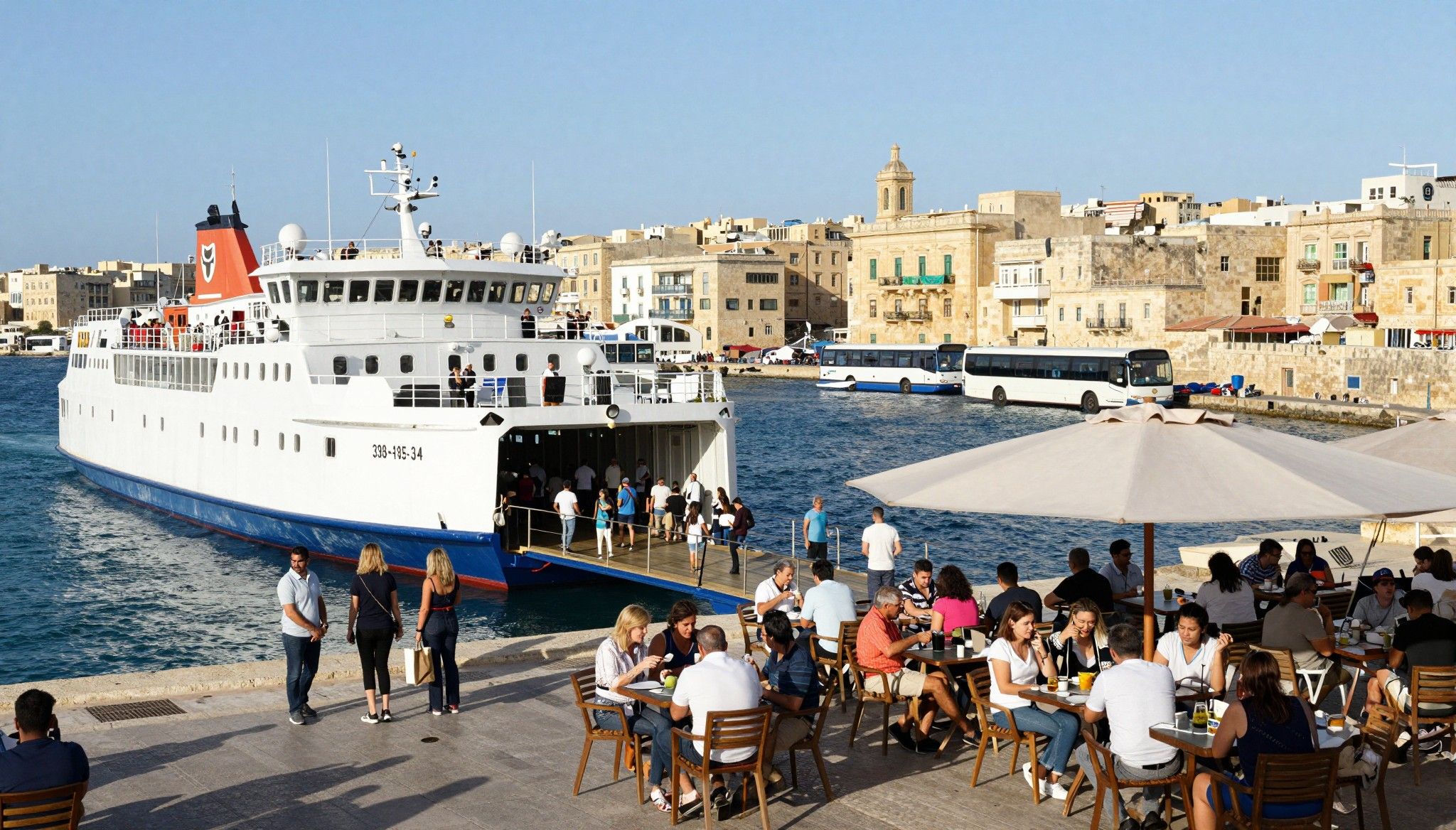
Italy: Where Lifestyle Translates to Measured Yield
Italy’s lifestyle sells itself—but yields depend on micro-markets, tenant mix and new short‑term rental rules. Match property type to tenant demand and confirm STR registration before buying.
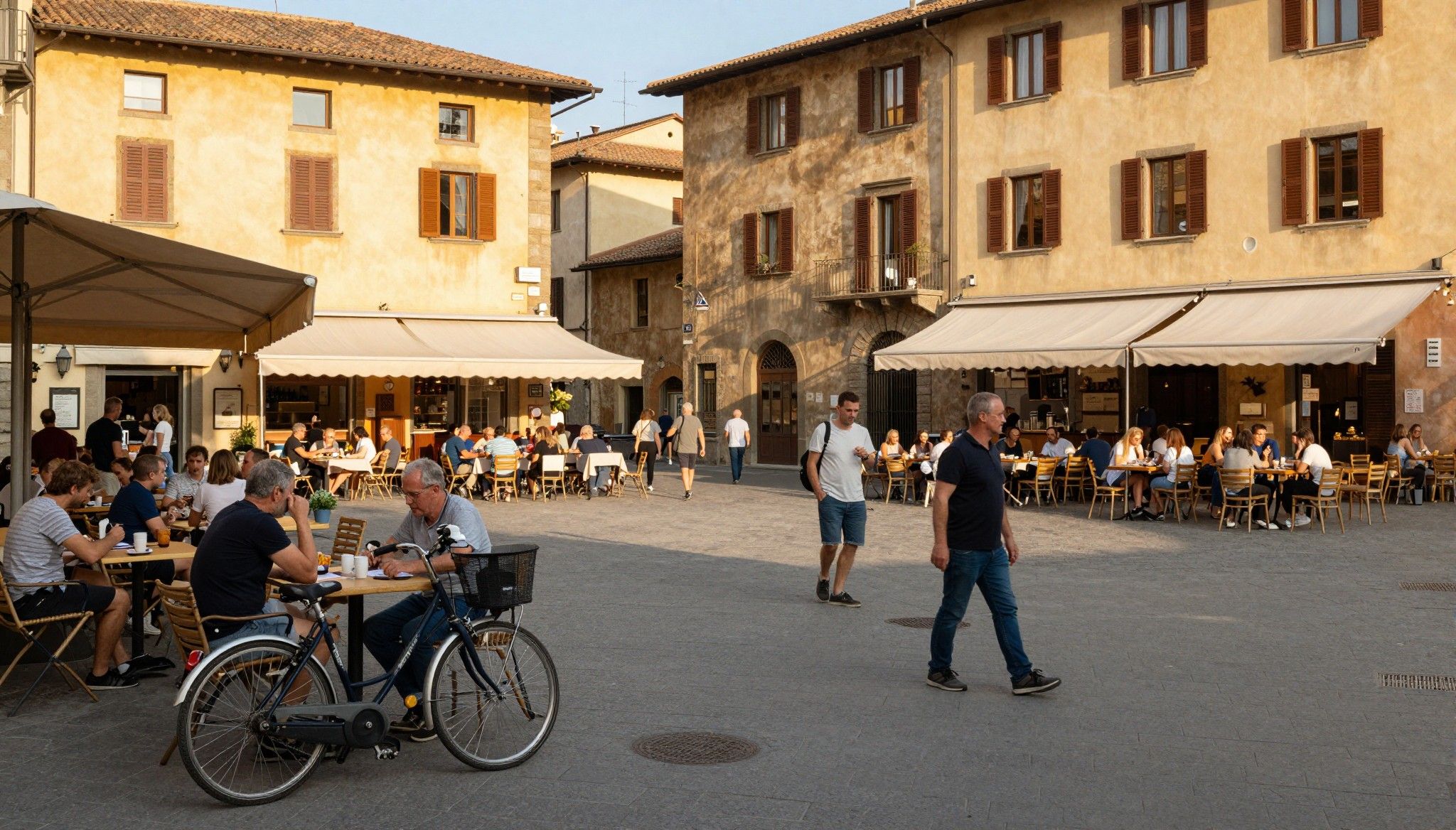
Imagine sipping a morning espresso under a striped awning in Trastevere, then walking five minutes to a market where fishmongers shout prices and pensioners argue over football. Italy still lives at human pace: piazzas that fill at dusk, cafés that double as offices, and neighbourhoods defined by a single bar, a baker and a church bell. For international buyers, that texture—streets you can memorise, seasons you can plan around—matters as much as square metres.
Living the Italy lifestyle
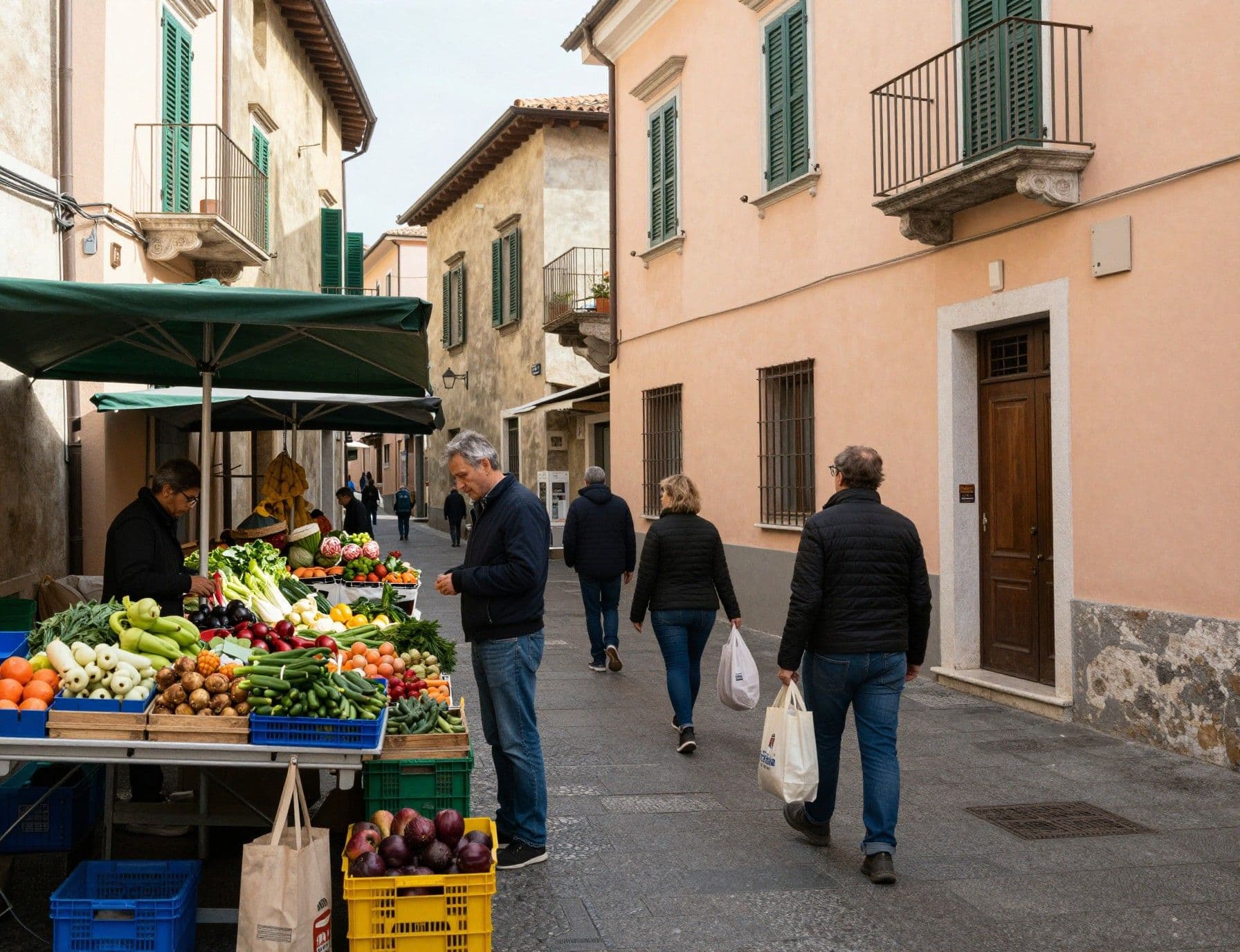
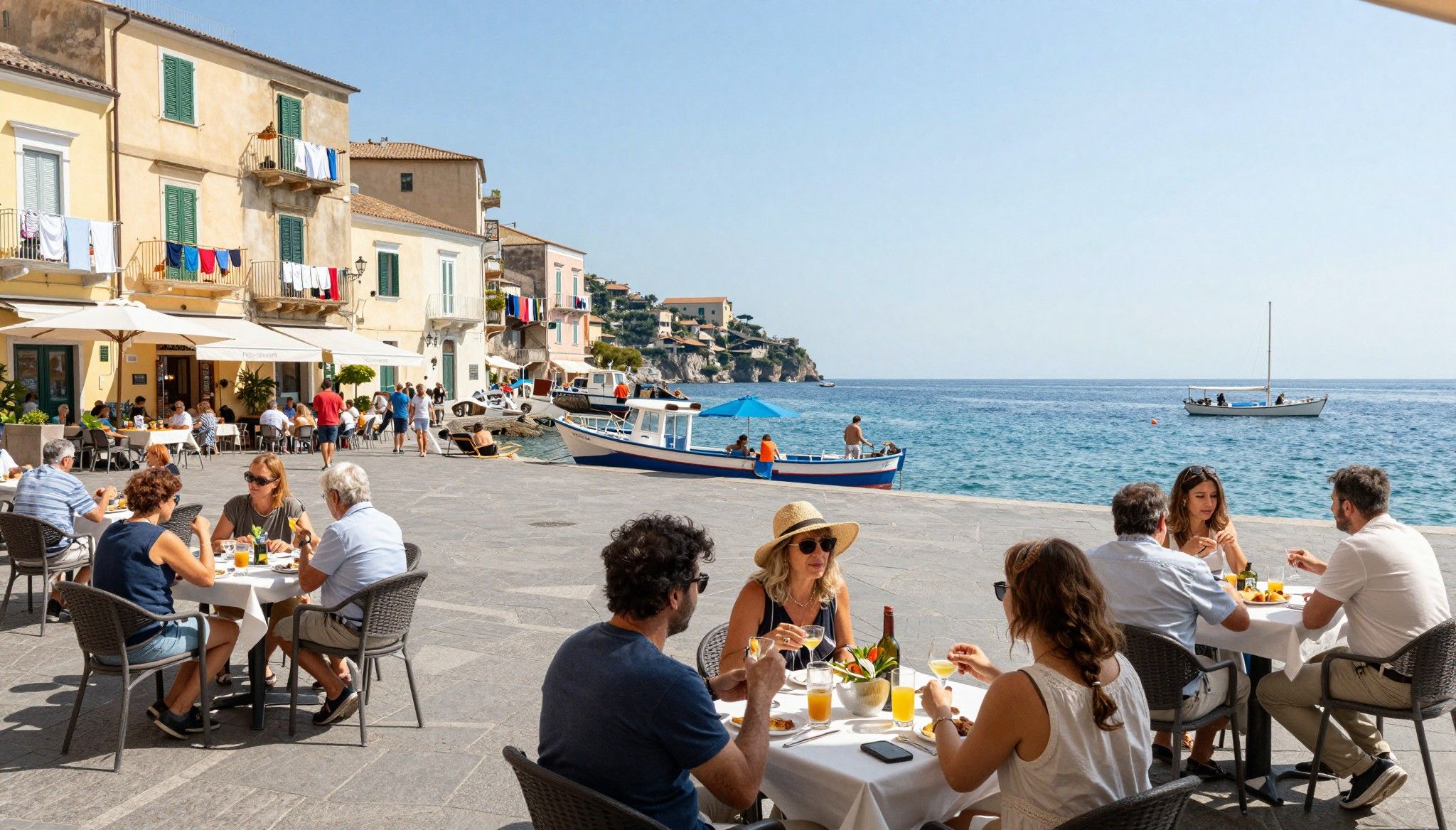
Daily life in Italy blends ritual and practicality. Mornings belong to quick espresso at the counter; afternoons to gelato and neighbourhood errands; evenings to long dinners that start late. Weather, geography and local culture shape choices: coastal towns centre life around the sea, hill towns around the piazza, university cities around student life. Those rhythms determine what tenants want—and therefore what a property yields.
Rome — layered history, steady tourist and professional demand
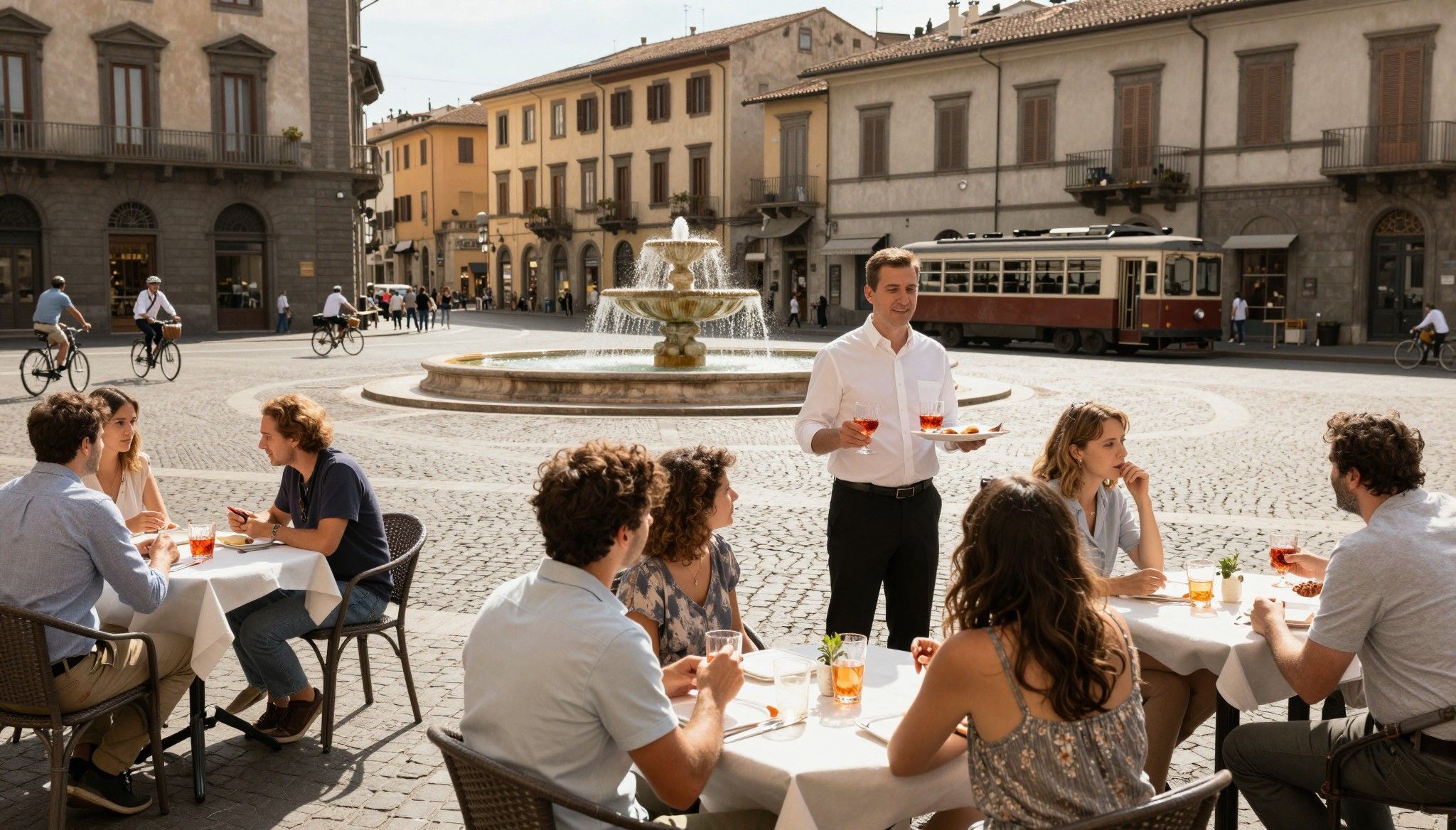
Picture Trastevere’s cobbled alleys, Monti’s trattorie and university corridors in San Lorenzo. Rome mixes long-stay professionals, students and tourists—this mix supports diversified rental demand. Gross yields vary across Rome; smaller units outside the historic core often deliver the strongest percentage returns versus headline central prices. Recent yield surveys put city-wide averages in the mid-to-high single digits, with wide micro-market dispersion.
Milan & Bologna — jobs, students and year-round lettings
Milan’s finance and fashion economy and Bologna’s student density create steady, year-round rental pools. That stability lowers vacancy risk but pushes prices up—yields compress in prime central pockets and improve in commuter towns. For investors seeking predictable cashflow, Monza, Bergamo and the university belts around Bologna often balance price and rent better than downtown Milan.
Lifestyle highlights
- Morning espresso at Sant’Eustachio (Rome) — witness local routines and tenant profiles.
- Sunday market stroll at Porta Palazzo (Turin) — ideal for sourcing short-term-stay design and local staging.
- Aperitivo on Navigli (Milan) — shows demand for one-bed rentals for young professionals.
Making the move: practical considerations
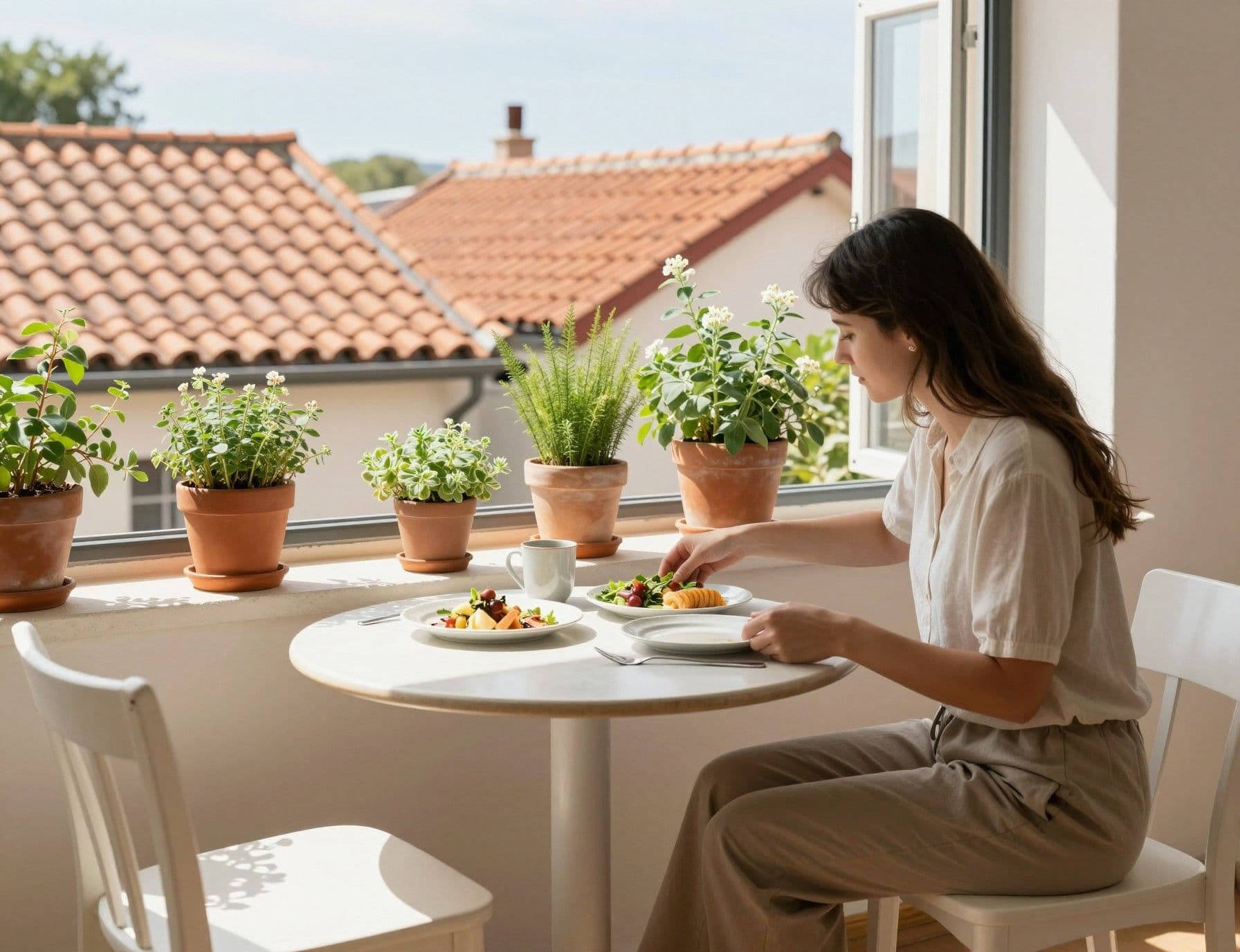
Romance meets regulation. House prices in Italy rose year-on-year through 2024, with new-builds outperforming resales—this influences where yields are attractive versus capital cost. Simultaneously, national and regional rules for short-term rentals tightened in 2023–2024, increasing compliance overhead for tourist lets. Translate lifestyle appeal into an investment by mapping tenant type (students, long-term locals, holiday visitors) to legal and tax requirements before you bid.
Property types and what they rent for
Historic centre flats sell on charm but often carry higher purchase prices and renovation limits. Suburban apartments and modern conversions usually need less capex and attract longer-term tenants. Villas and farmhouses work for lifestyle buyers but demand seasonal optimism or premium long-term leases. Match property type to rental product: small, efficient units for students and professionals; well-presented two-bed homes for families and relocators.
How local experts turn lifestyle into yield
A local agency that knows the piazza, the permit office and the town’s tourist rules saves months of wasted effort. Expect advisors to provide comparable rents, realistic refurbishment budgets, utility and condominium fee estimates, and clarity on short-term rental registration (BDRS/CIN) and withholding obligations. Good agents introduce reliable property managers who convert lifestyle features—courtyard, terrace, access to markets—into rental pricing power.
- Steps to align lifestyle and yield: 1) Define tenant type and seasonal exposure; 2) Run a 5-year cashflow with vacancy scenarios; 3) Confirm STR registration and local limits before purchase; 4) Price modest renovations to meet local renter expectations.
Insider knowledge: what expats wish they'd known
Expat buyers often underrate paperwork and community nuance. The charm of a tiny piazza comes with noise and limited parking; a sunny terrace may require seismic retrofit work in older buildings. Language barriers slow administrative tasks but neighbourhood bars and market sellers teach you the local market faster than any listing website.
Cultural integration and daily life
Simple habits—learning basic Italian, shopping weekly at a mercato, joining a local sports club—transform a property into a home and reduce tenant churn if you keep a pied-à-terre. In many towns, the property that fits local social rhythms (small kitchen, balcony, proximity to a market) rents faster and more consistently than one optimised only for views.
Long-term lifestyle and portfolio fit
Think in 5–10 year windows. Italy rewards patient owners: urban regeneration projects, tourism recovery, and repopulation schemes in smaller towns can shift yields materially. Balance high-touch short-term strategies with stable long-term lets to smooth income and reduce regulatory exposure.
- Red flags and quick checks: ask for recent rental contracts; confirm registration under the national BDRS/CIN where applicable; request utility bills and condominium minutes for hidden costs; check seismic and energy certificates (APE).
Conclusion — Italy is both a lived-in country and an investment market. The sensory appeal—markets, piazzas, seasonality—creates distinct tenant demand that an informed purchase can monetise. Use local market data, confirm regulatory compliance for short-term letting, and pair lifestyle goals with a conservative yield model. If you want the lifestyle, make the numbers the gateway—not an afterthought.
Swedish financier who guided 150+ families to Spanish title deeds since relocating from Stockholm in 2012, focusing on legal and tax implications.