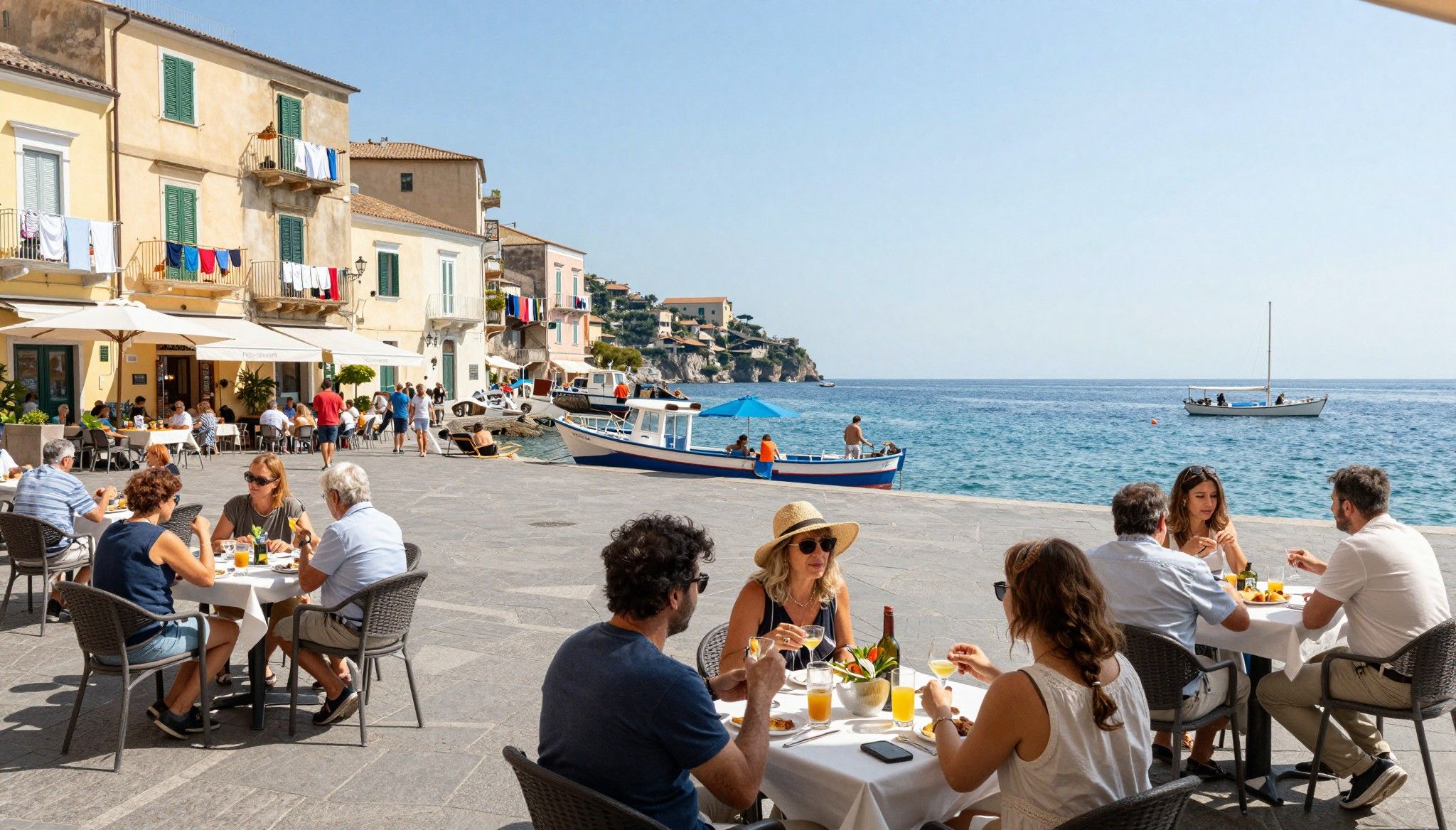
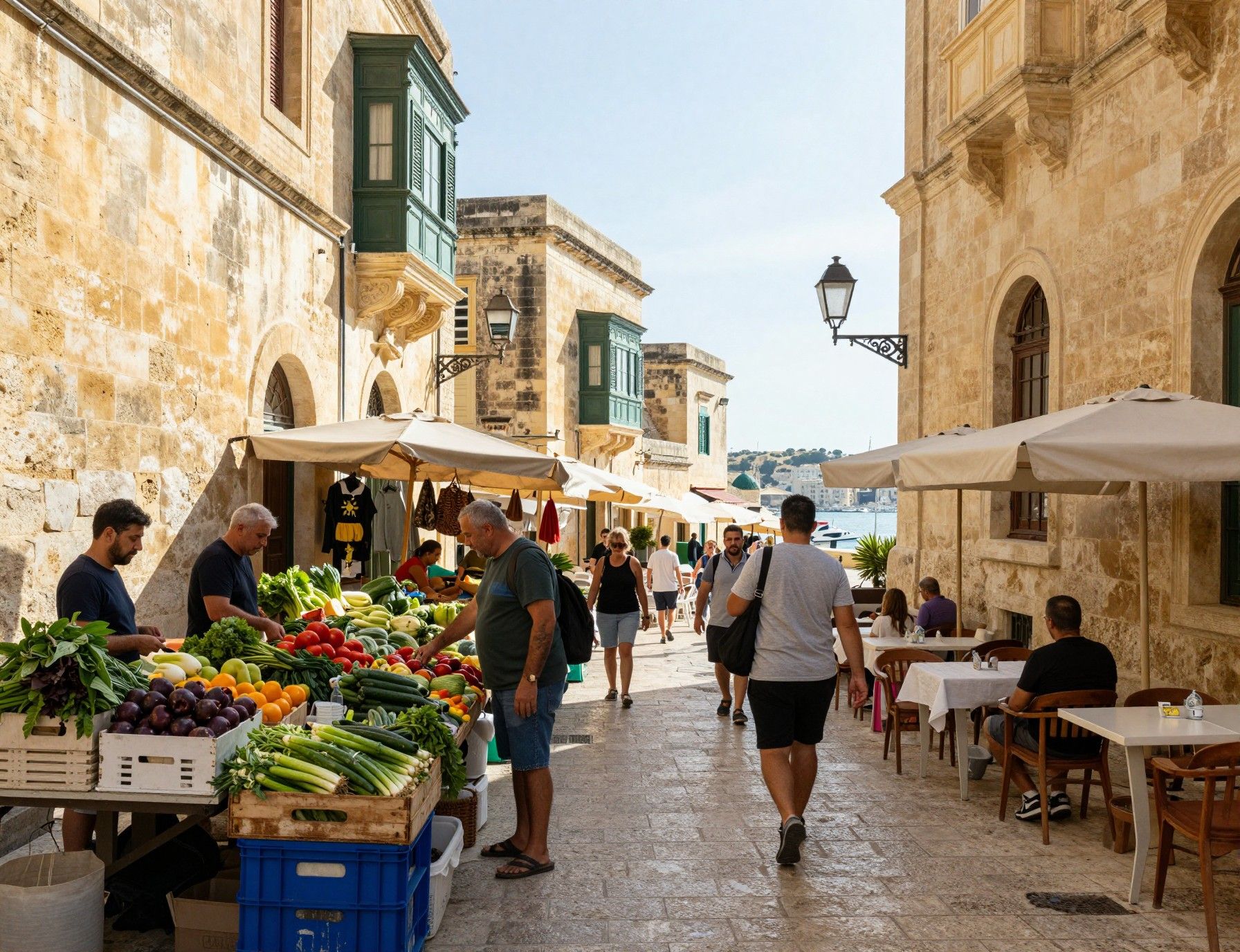
Malta: Short Commutes Beat Sea Views for Yield
In Malta, investment premiums are shifting from sea views to short commutes; mobility‑proximate properties deliver steadier occupancy, better yields and lower seasonality risk.
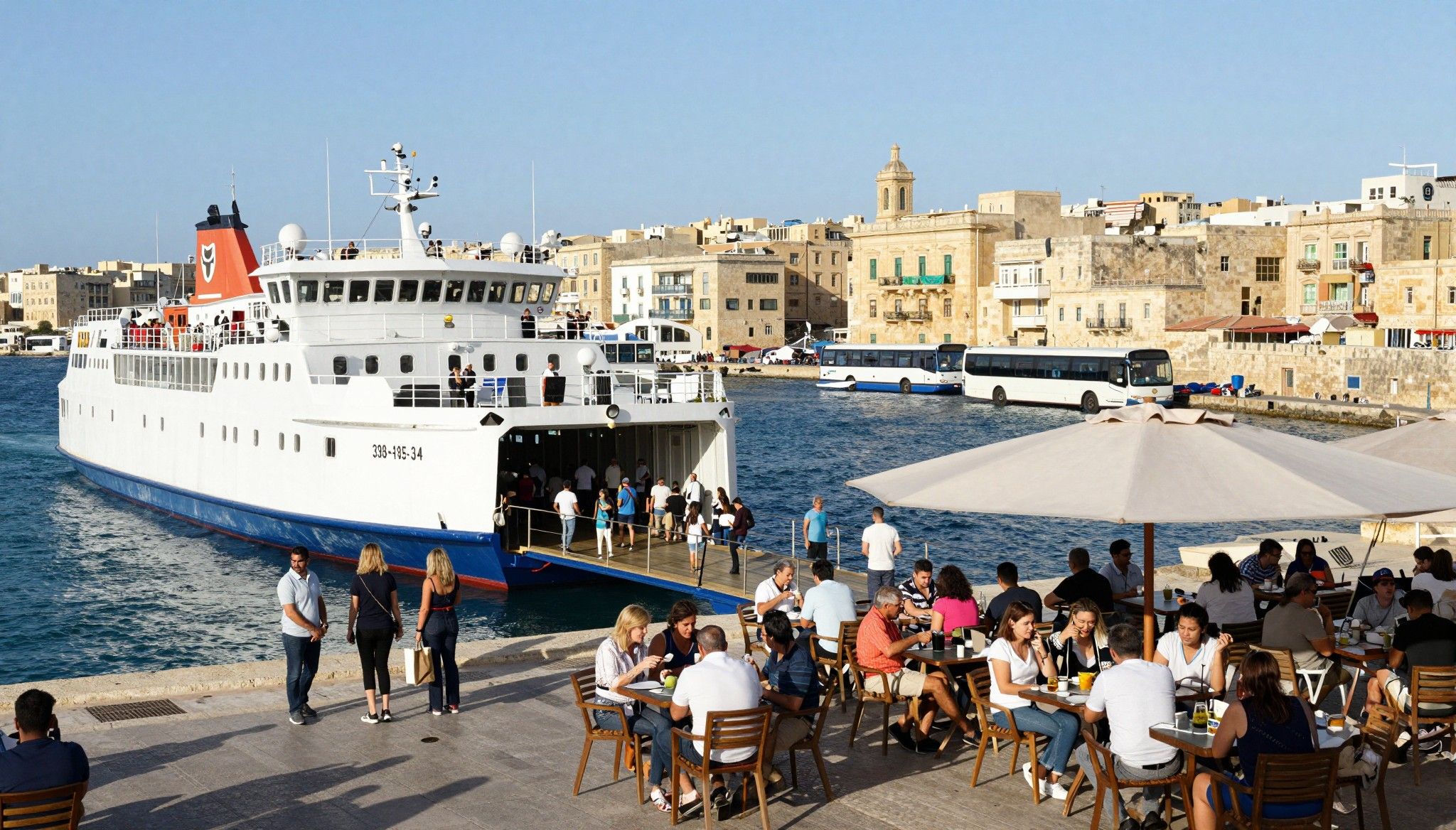
Imagine sipping an espresso on a narrow Valletta street, then catching a 20‑minute bus to a rental-ready apartment that reliably earns income all year. Malta looks like a postcard: limestone façades, blue bays and stacked terraces. The reality that matters to buyers — especially investors — is mobility: where transport, ferries and road upgrades shorten commutes and protect rental demand. This piece argues the contrarian point most buyers miss: in Malta the premium is increasingly paid for connectivity, not the view.
Living Malta: beyond the postcard
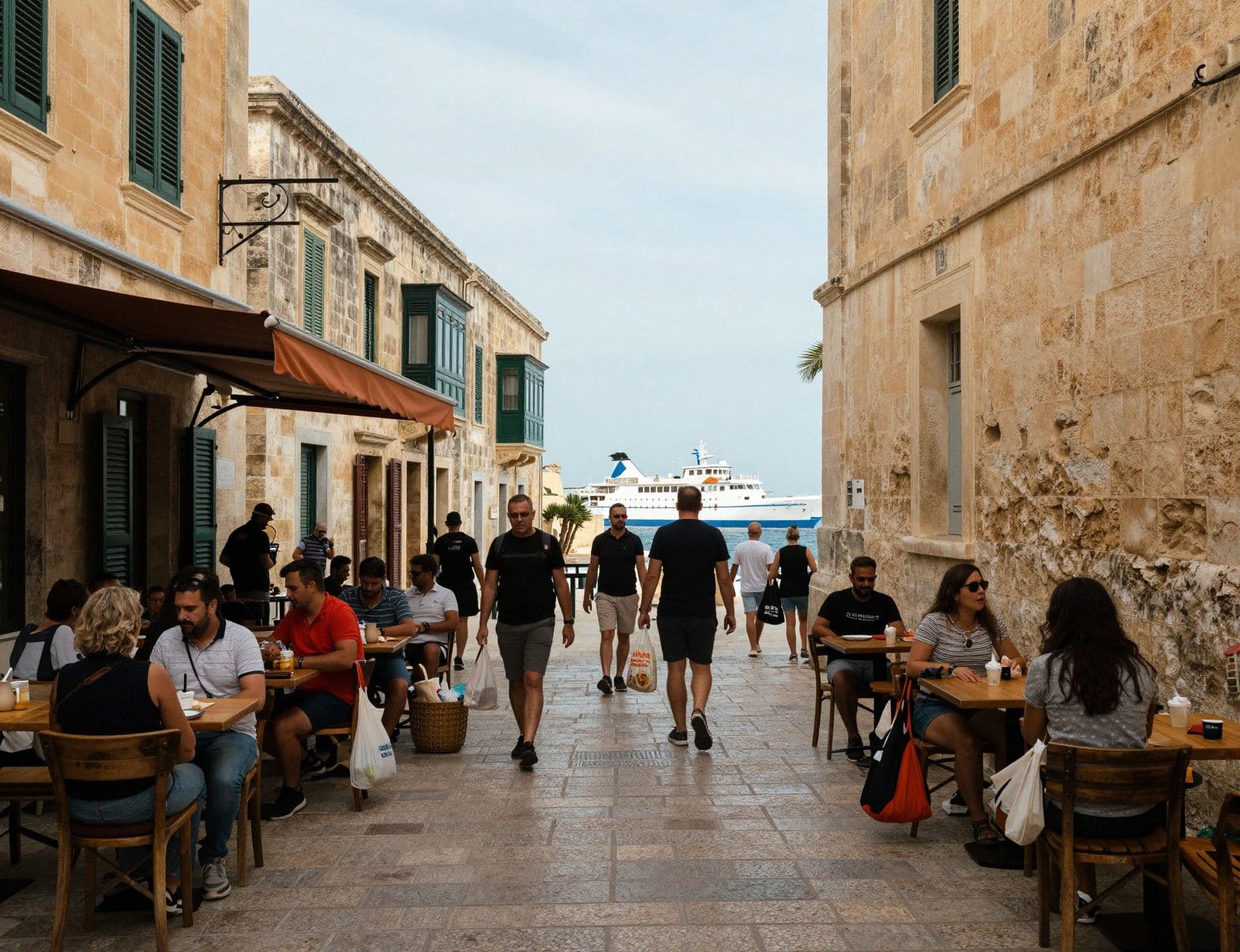
Malta’s compact size concentrates contrasts: Valletta’s baroque density sits 15 minutes from Sliema’s shopping spine and under an hour from Gozo by ferry. Daily life here is shaped by short journeys — a market run, a commute to a coworking hub in Floriana, an evening ferry to Gozo — rather than long drives. That compresses tenant pools: students, remote workers and short‑stay tourists all prize short, predictable commutes. For buyers that means a property’s true selling point is accessibility to transport nodes and service hubs, not strictly sea views or grand facades.
Neighborhood spotlight: Valletta, Sliema and St Julian’s
Valletta offers unmatched historic cachet and short walking commutes to government and cultural employers. Sliema and St Julian’s supply predictable rental demand from professionals and longer‑term expats attracted by cafes, supermarkets and ferry links. Markets and agents report that apartments a five–ten minute walk from main bus corridors or ferry terminals command steadier occupancy and lower marketing periods: a micro‑location premium buyers can quantify. Local market reports show rental resilience in these corridors even when headline prices rise.
Daily rhythms: markets, ferries and the workday
Weekdays start with packed buses and terraces full of commuters grabbing coffee; weekends shift to harbours, local markets and beaches. Increasing off‑peak tourism and remote‑worker flows have extended rental seasonality into autumn and winter, supporting year‑round demand for well‑connected units. The National Statistics Office reports rising inbound visitors and guest‑nights, which translates into steadier short‑let options in transport‑proximate locations. In short: transport access smooths seasonality and underpins occupancy.
- Valletta historic core: walking access to cultural employers and premium short‑let rates
- Sliema waterfront: ferry links, retail and reliable mid‑term tenancy
- St Julian’s/Paceville: nightlife draws short‑let demand but needs good public transport to diversify tenancy
- Mellieħa and northern beaches: lifestyle appeal but longer transfers can increase vacancy risk off‑peak
Making the move: real estate that matches Maltese life
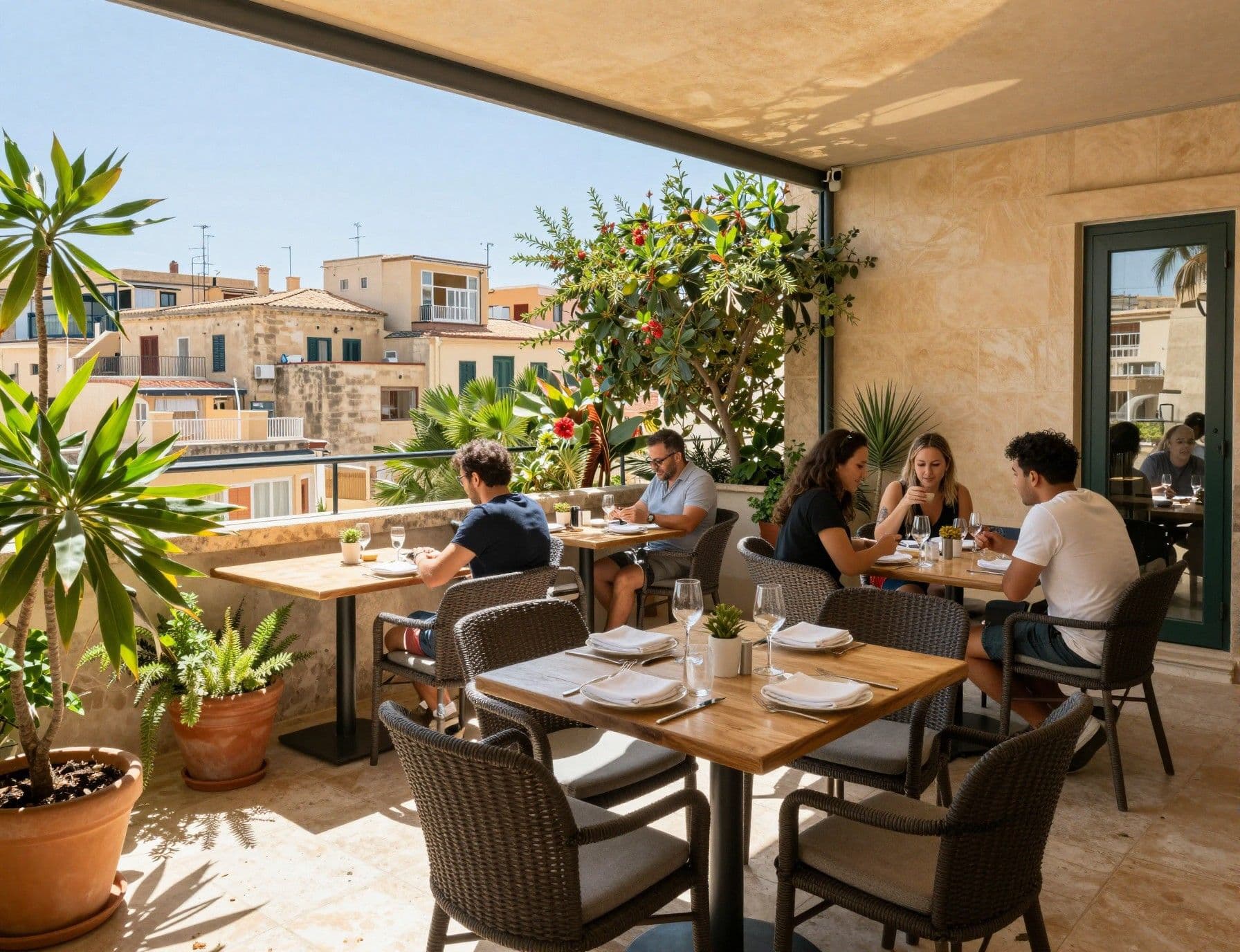
You can love a seafront view and still make a poor investment if the property sits on a slow bus route or a congested feeder road. Successful buyers marry lifestyle preferences with transport metrics: walking distance to main bus routes, frequency of ferries, and proximity to major arterial roads. Recent infrastructure works around Ċirkewwa and other nodes have changed travel times and market desirability in measurable ways; buyers who track these changes capture upside while avoiding thin, seasonal demand.
Property types and their mobility tradeoffs
Apartments near bus hubs deliver the most predictable rental yields in Malta’s dense urban pockets, while townhouses with private parking can command higher long‑term rents in suburban localities. Maisonettes offer flexible layouts that suit both families and shared‑housing for professionals; their value depends heavily on access to schools and public transport. Evaluate properties by 'effective commute' — the door‑to‑destination time during peak hours — not by straight‑line distance.
Working with local experts who measure mobility
Agencies that understand transport dynamics will overlay commute maps, bus frequencies and ferry timetables on their valuation models. Ask for recent comparable lettings that include tenant profiles (students, professionals, holiday guests) and evidence of occupancy rates across seasons. Local brokers with data access can translate national indicators — like the Residential Property Price Index — into street‑level forecasts, helping you estimate probable net yields and downside scenarios.
- Steps to prioritise mobility when buying in Malta: 1. Map peak‑hour door‑to‑destination times for work, schools and health services. 2. Request historical occupancy and short‑let seasonality for the micro‑area. 3. Check recent road or ferry upgrades that alter travel time in the last 24 months. 4. Price in management costs for short‑lets if property depends on tourism.
Insider knowledge: what expats wish they'd known
Expats commonly underestimate everyday friction: late buses, seasonal ferry schedules and roadworks that add minutes to commutes and stress to tenant retention. Malta’s RPPI rose modestly in 2024 and infrastructure spending has been a clear policy priority; that combination favours areas where mobility upgrades have recently reduced travel times. Practically, many owners who thought sea‑view premium would guarantee bookings found stronger returns in units closer to transport hubs with neutral views.
Cultural and social integration: translating mobility into lifestyle
English is an official language and local life is approachable, but community integration depends on daily routines: where you shop, where your children go to school, and whether your commute fits social rhythms. Choosing a property near frequent transport links reduces isolation and expands social options — cafés, clubs, language classes — making long‑term residency more pleasant and resale prospects stronger. In short, mobility equals marketability and wellbeing.
Longer‑term view: how infrastructure reshapes value
Infrastructure projects — road improvements, terminal upgrades and targeted ferry enhancements — change effective catchment areas and the income profile of nearby stock. Buyers with a five‑ to ten‑year horizon should prioritise properties within evolving mobility corridors to capture both rental stability and potential capital appreciation. Track confirmed public works rather than speculative plans: the value from completed or funded projects is where downside risk falls.
- Practical red flags to avoid: • A sea‑view apartment on a single narrow lane with no bus access. • Properties marketed on 'tranquillity' but 30+ minutes from health services. • Units lacking documented occupancy history in shoulder seasons. • Listings that ignore recent ferry or road schedule changes.
Malta's lifestyle is immediate: market cafes by day, harbour promenades by night, and festivals that animate neighbourhoods across seasons. For buyers who want both life and yield, the contrarian move is to pay the premium for mobility — proximity to buses, ferries and arterial roads — rather than the postcard view. Next steps: map your target commute, request micro‑area occupancy data from licensed brokers, and prioritise properties within funded infrastructure corridors. An agent who measures minutes will protect both your lifestyle and your yield.
Dutch investment strategist who built a practice assisting 200+ Dutch clients find Spanish assets, with emphasis on cap rates and due diligence.