France: Match Lifestyle to Street‑Level Yield
France pairs irresistible lifestyle variety with measurable market pockets: use street‑level data, DPE checks and local seasonality to align lifestyle choices with reliable yields.
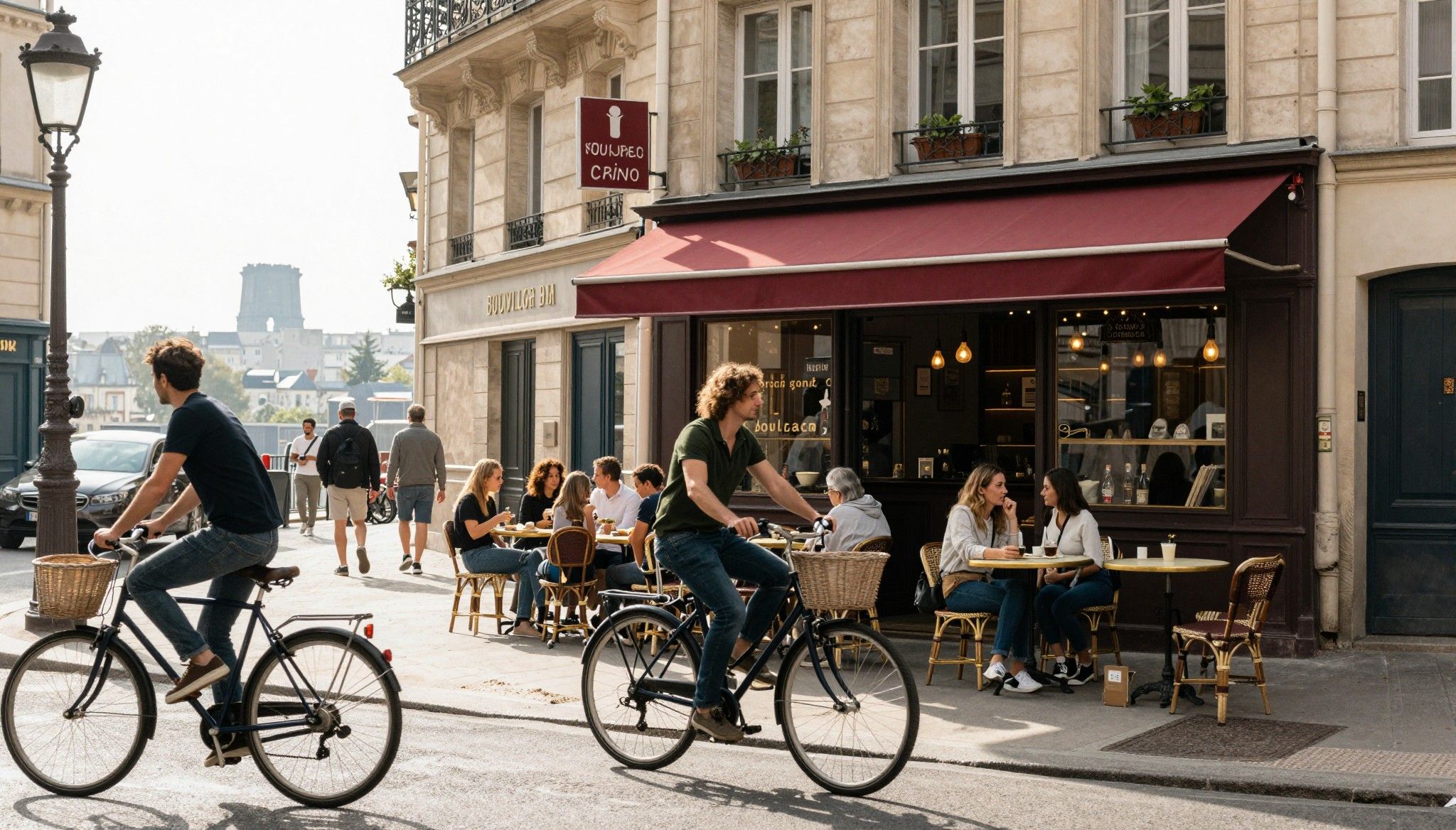
Imagine mornings in a Marseille boulangerie, afternoons watching bicycles thread the Marais, and evenings on a Côte d’Azur terrace — yet the France you fall for is also a market with measurable cycles, pockets of yield and clear rules. This guide pairs the lived, local France with the data that matters to investors: price per square metre, rental yield benchmarks, seasonality risks and the micro‑locations where lifestyle and returns converge. We’ll bust one big myth: France’s ‘always-expensive’ label hides mid‑market opportunities for disciplined buyers who use neighbourhood-level data, not folklore. Read on to visualise life here, and to act with financial clarity.
Living the France lifestyle — what you’ll actually wake up to
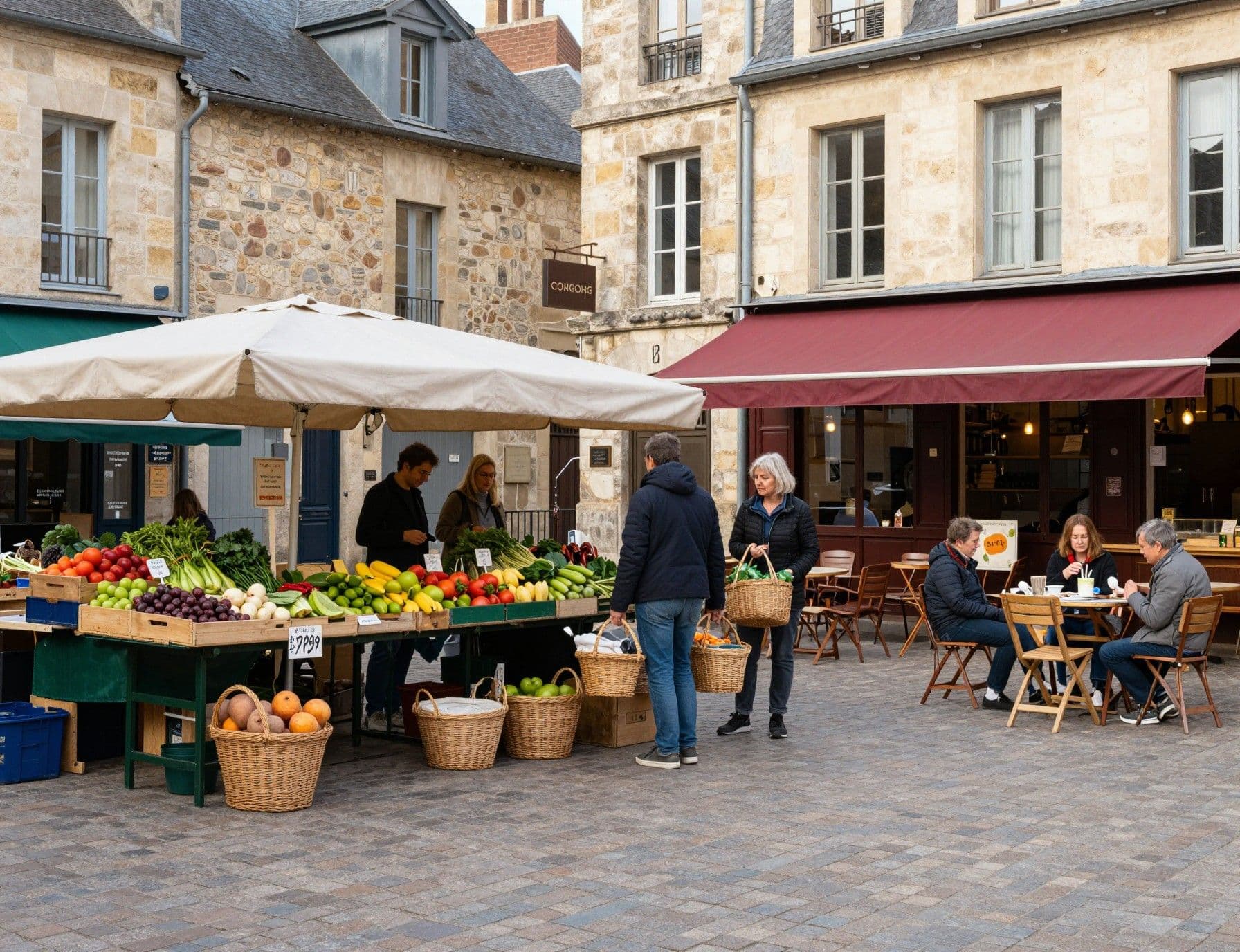
France is often imagined as postcard perfect: boulangeries, marché stalls and limestone facades. In reality the daily rhythm varies widely. In Lyon and Bordeaux it’s neighborhood markets and weekday cafés; on the Riviera it’s marina life and seasonal crowds; in smaller towns like Angers or La Rochelle, life is slower and community‑centred. For investors that means apartment types, tenant profiles and demand seasonality differ as much as climates — choose a lifestyle first, then quantify the market signals that support it.
Neighborhood spotlight: Paris arrondissements vs. rising second‑tier cities
Paris remains price‑dense and highly segmented: prime central arrondissements trade at multiples of outer neighbourhoods, while citywide apartment prices stabilised around €9,400–9,600/m² in recent quarters according to Notaires‑INSEE. By contrast, medium cities — Nantes, Rennes, Toulouse — offer lower price per m² and healthier gross yields for rental investors because demand is steadier year‑round and stock is newer. Treat Paris like a boutique allocation and second‑tier cities as core yield plays.
Food, market life and seasonality: where lifestyle creates rental demand
Local food culture — from the market at Rue Cler in Paris to Cours Saleya in Nice — drives short‑term visitor interest and supports premium short lets during festival and summer months. However, short‑let revenue is volatile and regulated heavily in many municipalities; use local occupancy data rather than assumptions. For long‑term tenancy, proximity to markets, schools and transport consistently increases demand and reduces void periods.
- Lifestyle highlights that affect property choice: • Rue Cler market (Paris) and weekly farmers’ markets as tenant magnets • Vieux‑Nice and Port Lympia for seasonal holiday premiums • Lyon’s Croix‑Rousse for long‑stay urban families and strong rental stability • Bordeaux’s Chartrons for young professionals drawn to wine and startups • Ski‑resort villages (Meribel, Chamonix) where short‑stay luxury demand spikes • Loire towns (Angers, Tours) for lower price per m² and predictable local rental pools
Making the move: matching property types to the life you want
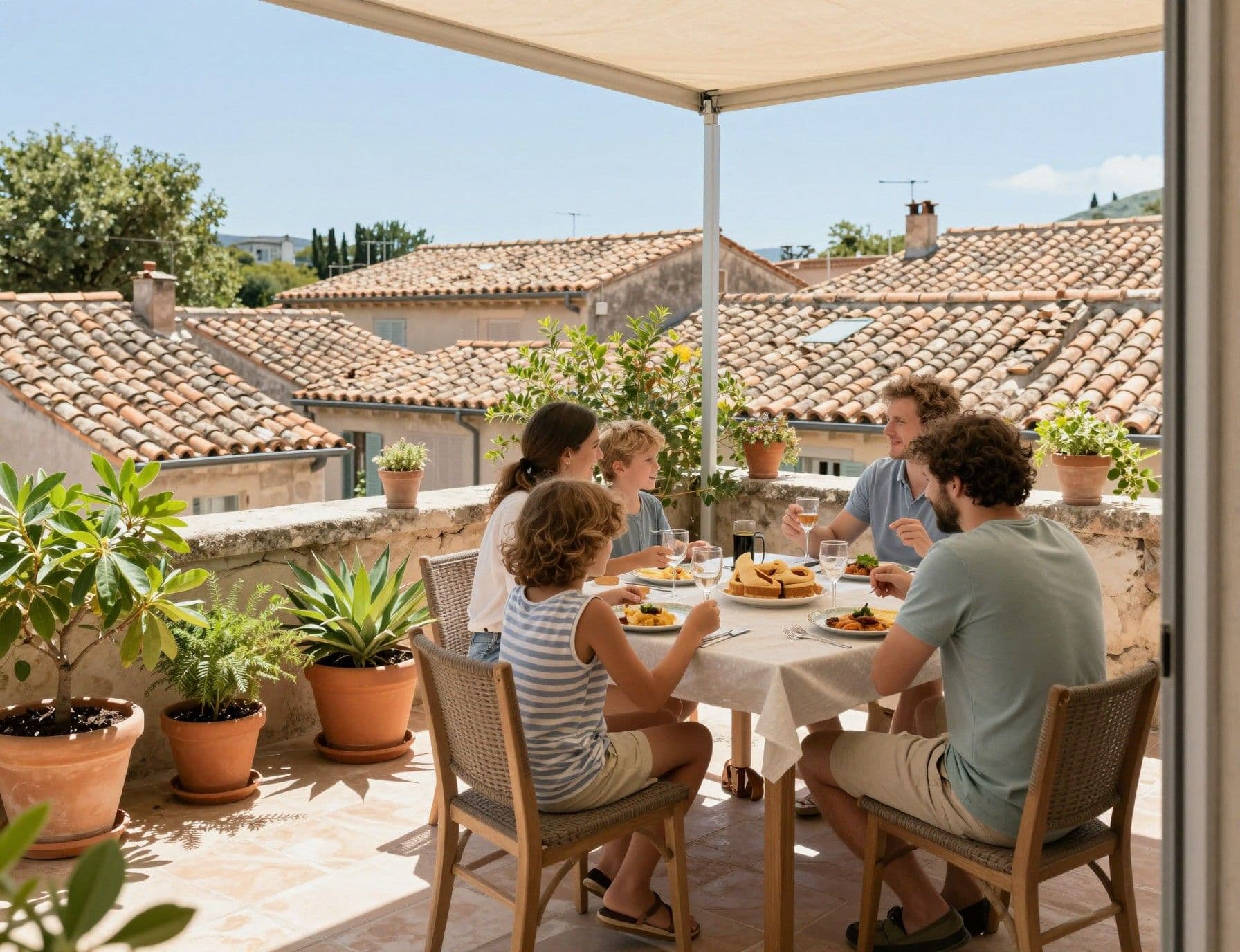
Your chosen lifestyle narrows the property type and changes expected returns. Studio apartments in central Paris command premium rents but compress gross yields; three‑bed homes in provincial capitals typically offer higher gross yields and lower vacancy risk. Benchmarks from European living yield guides suggest prime residential yields for France sit in the low‑mid single digits, so calculations should include net yield after taxes, management and maintenance rather than headline rent figures.
Property styles and what they deliver
Historic Haussmann flats provide tenant appeal and capital preservation but often require higher CapEx for energy upgrades. New builds (NEUF) are easier to manage, energy‑efficient, and popular with professional tenants but carry higher per‑m² prices near transport hubs. Rural stone houses deliver lifestyle but longer voids and higher upkeep — fit these to your exit strategy and liquidity needs.
Working with local experts who know both lifestyle and numbers
A local agent who understands tenant profiles, DPE (energy performance), short‑let regulation and seasonal demand is indispensable. Ask for transaction data at the street level, recent comparable rents, and evidence of operational experience with the tenant segment you target. Good agents also advise on realistic refurbishment schedules and predictable maintenance costs.
- Practical steps to blend lifestyle and investment (sequence): 1. Define desired lifestyle (city, coast, mountain) and acceptable vacancy risk. 2. Request street‑level price/m² and recent rent comparables from agents. 3. Run net yield scenarios (rent less taxes, insurance, management, maintenance). 4. Verify short‑let restrictions and DPE rating impact on resale value. 5. Budget for 4–8% immediate CapEx on older stock for compliance and tenant readiness. 6. Plan exit timelines: 3–5 years for yield optimisation, 7–10+ for capital appreciation.
Insider knowledge: the unspoken rules and seasonal truth
Expats often learn three rules the hard way: language matters (even basic French speeds tenancy approvals), DPE (energy rating) affects marketability more than you expect, and seasonal towns look great in August but show steep winter vacancy unless long‑term demand exists. Notaires and INSEE data show the market is normalising after recent volatility; use that to calibrate timing, not to chase headlines.
Cultural integration and everyday practicalities
Local etiquette — punctuality for viewings, paper documentation for rental applications, and strong preference for long‑term relationships with landlords — affects tenancy speed and quality. Expat communities concentrate in predictable pockets (central Paris arrondissements, Nice, Aix‑en‑Provence), which helps with immediate social life but can also mean competition for rental stock and higher prices.
Long‑term lifestyle: where value sustains the life you want
Over a ten‑year horizon, France’s core strengths are legal transparency, diversified regional economies and tourism. Those factors support steady capital preservation. Investors seeking both lifestyle and return should prioritise towns with diversified year‑round economies (e.g., Nantes, Toulouse, Grenoble) over purely seasonal resorts unless you price for operational risk and concierge management.
- Red flags investors should watch: • Reliance on short‑lets without municipal permitting • Poor DPE rating in older stock (future regulatory risk) • Overpaying for a view with low year‑round demand • Streets with persistent vacancy or declining services • Lack of recent transaction data at the street level
Conclusion — fall in love intentionally: taste the croissant, then run the numbers. France offers powerful lifestyle diversity and investable, measurable markets — but good outcomes come to buyers who match personal life goals to micro‑market data. Start with a neighbourhood visit, request street‑level comparables, demand net yield scenarios, and hire an agent who proves operational experience. That’s how you convert French mornings into a steady income stream and a life you don’t have to pause to afford.
British expat who moved to the Algarve in 2014. Specializes in portfolio-focused analysis, yields, and tax planning for UK buyers investing abroad.