How Croatia’s Regulatory Shifts Reprice Lifestyle Premiums
How recent regulatory shifts in Croatia — from short‑let data rules to taxation and ownership reciprocity — reshape lifestyle premiums and investor returns.
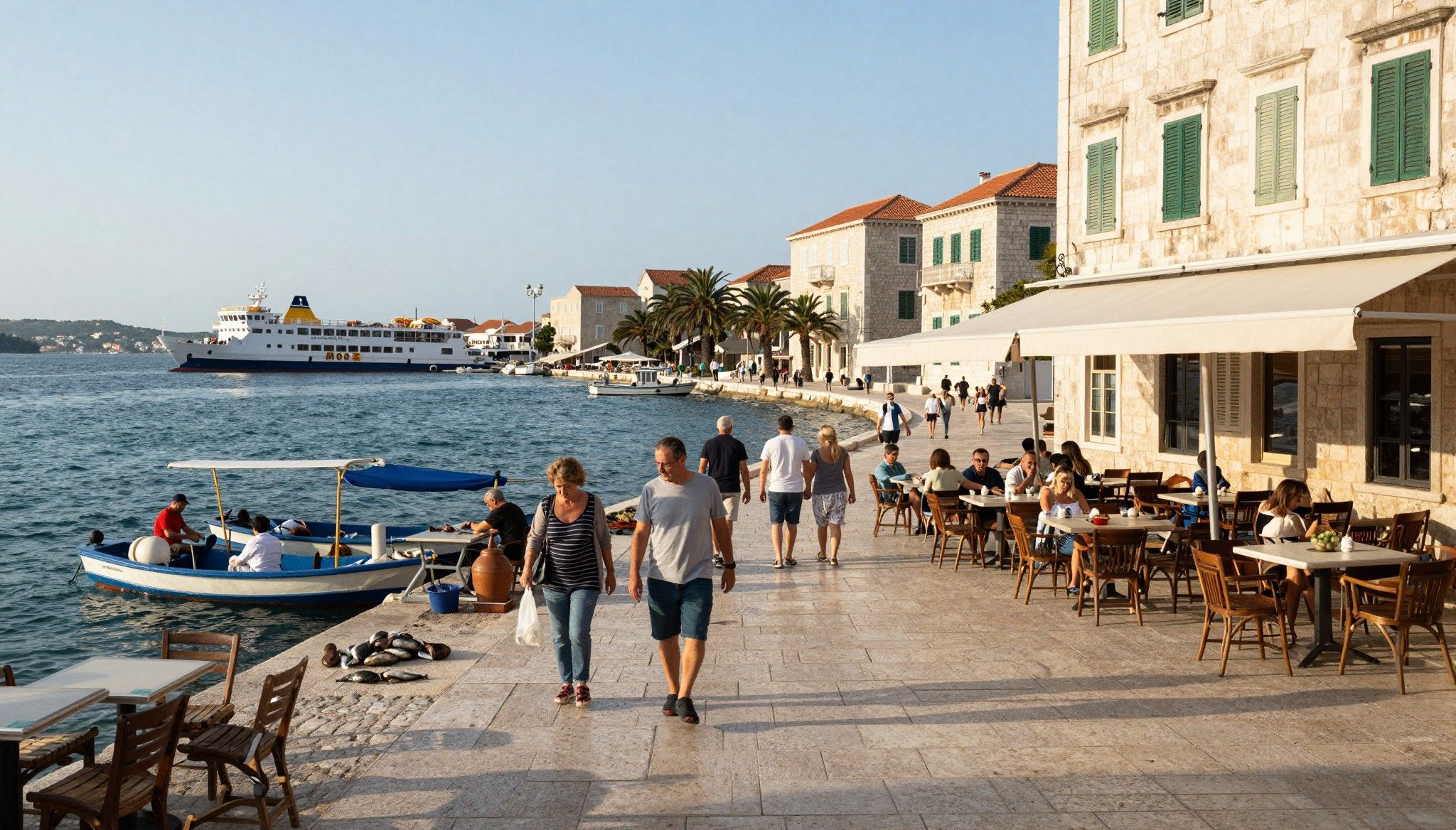
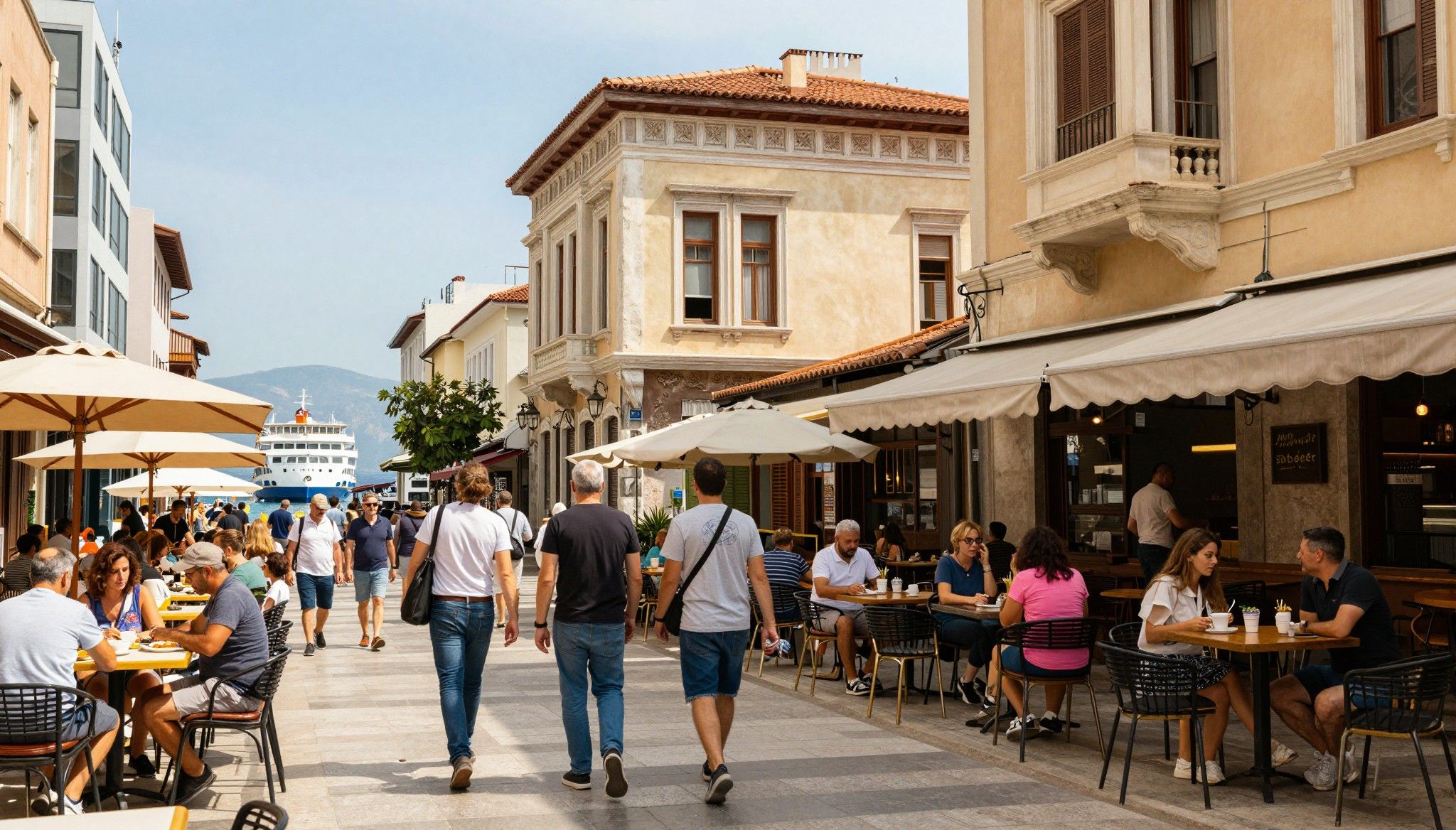
Imagine sipping a ristretto at caffe Barbat on Zagreb’s Tkalčićeva, then catching a late ferry to the Dalmatian coast — life in Croatia moves between sunlit Adriatic coves and pulse-quickening market squares. That contrast is precisely why regulatory shifts — from short‑term rental rules to ownership reciprocity — change not only lifestyle choices but the spreadsheet under every purchase. This guide blends the lived experience of Croatia with the hard numbers and rules international buyers must know before they sign.
Living the Croatia lifestyle
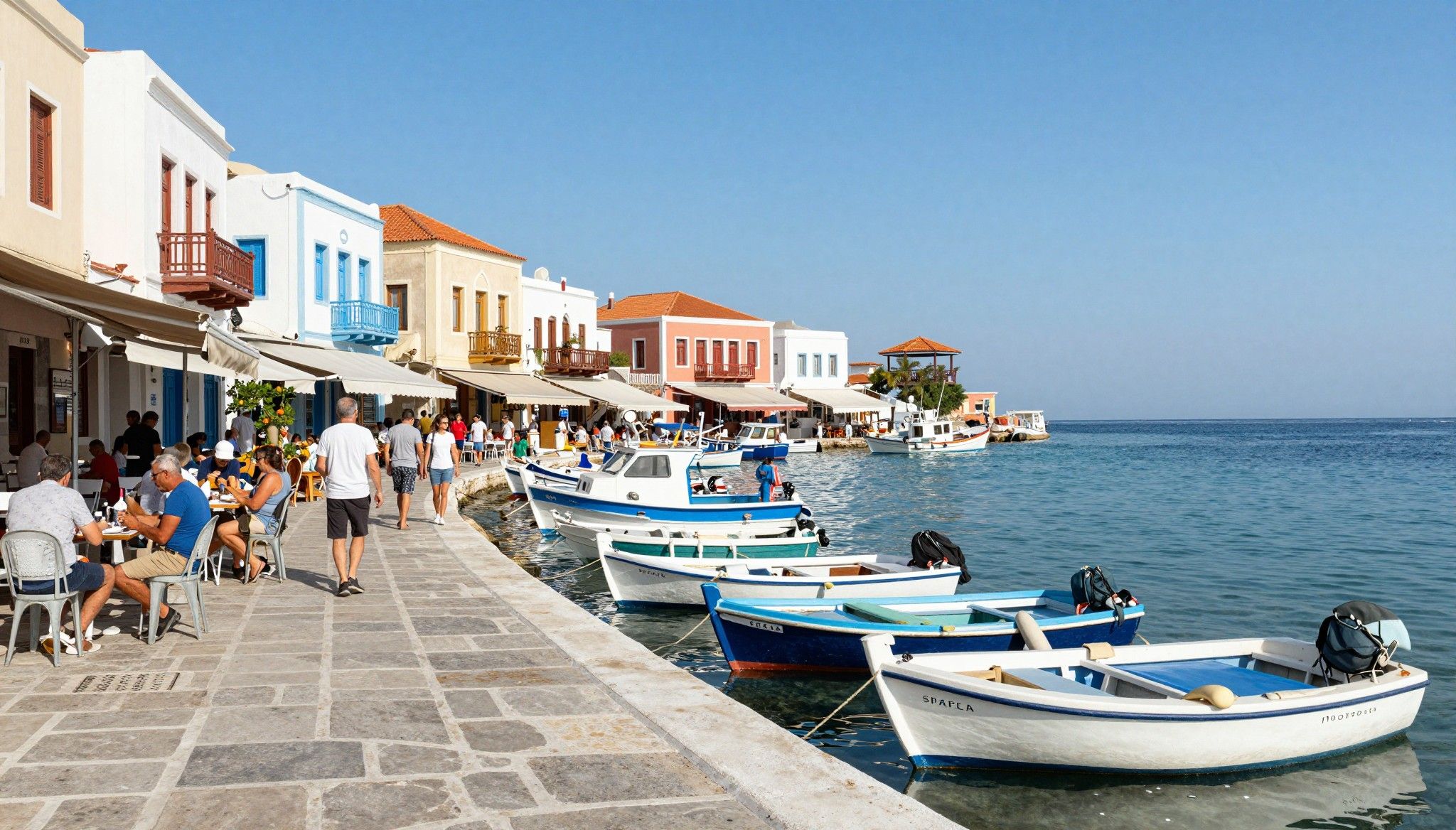
Croatia’s daily rhythm is coastal daylight and continental mornings: seaside towns quiet at dawn, markets filling by nine, and urban neighbourhoods like Zagreb’s Gornji Grad active with cafés and galleries. Knowing how people actually live — where locals shop, eat and commute — is essential when you translate a lifestyle preference into a property choice that will produce reliable rental or resale returns. The places that feel like ‘holiday’ in July can feel very different in November, which affects demand and long‑term yield.
Neighborhood spotlight: Split’s Veli Varoš and Zagreb’s Šubićeva
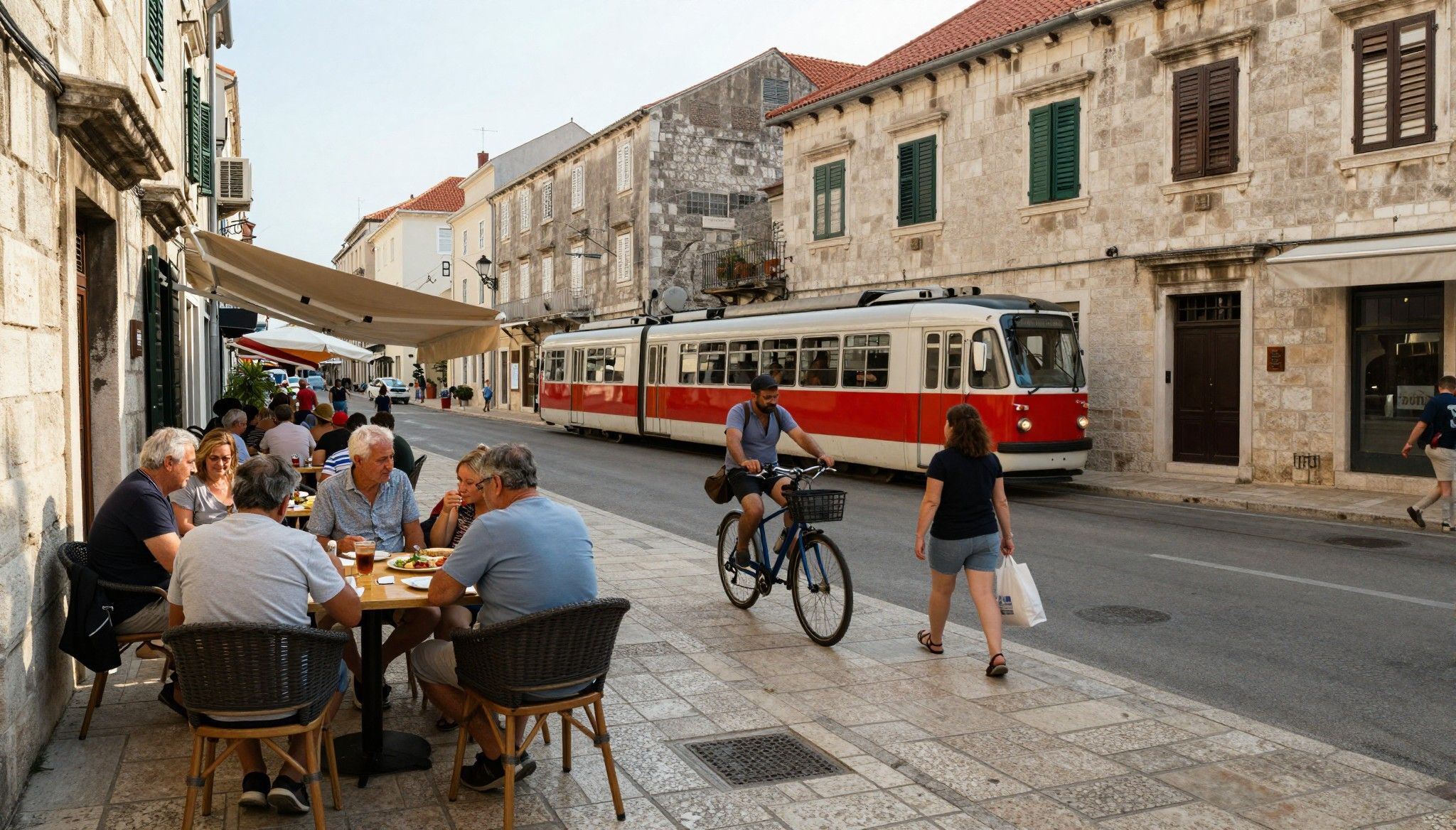
Veli Varoš in Split is a compact labyrinth of stone alleys and family-run konobas where small apartments rent quickly in summer to couples and groups seeking authentic Dalmatian life. By contrast, Šubićeva in Zagreb — a stretch near universities and hospitals — trades seaside glamour for steady year‑round rental demand from students, medical staff and young professionals. When regulation shifts (for example, short‑term rental registration or tax changes), Veli Varoš’s seasonal premium will compress faster than Šubićeva’s stable cash flow.
Food, markets and the seasons that matter
Markets like Dolac (Zagreb) and Pazar (Split) are daily theatre — fresh produce, octopus drying in the sun, neighbours catching up — and these micro-economies shape tenant expectations: a kitchenette that supports local shopping beats a marble countertop for many renters. Seasonality is real: coastal demand spikes May–September, while inland urban areas show more even occupancy across the year. That distinction should drive product choice — small two‑bed flats near transport for year‑round rent, sea‑view studios for seasonal short lets.
Making the move: practical considerations
Lifestyle appeal meets regulatory reality the moment you decide to buy. EU citizens have simplified access but still face special rules for protected zones and agricultural land; non‑EU buyers often need ministerial approval or to buy via a Croatian company. Taxes — including a 3% real estate transfer tax where VAT doesn't apply — and registration steps are predictable but must be factored into net yields from day one. For authoritative steps see the government guide and Invest Croatia’s tax overview.
Property types and how they match lifestyles and returns
A renovated stone house on an Istrian hill suits slow‑season owners who value privacy but is less attractive for short‑let income due to maintenance and access. New apartments in Zagreb or Split command consistent monthly rents and lower upkeep, improving net yield for buy‑to‑let investors. Match product to tenant profile: students and professionals for city flats, holidaymakers for coastal studios, and long‑stay retirees for well‑connected small towns.
How local experts protect lifestyle value
A culturally fluent agency acts as translator between lifestyle aspirations and legal realities: they vet protected‑area status, check land‑registry claims, and advise on whether a property’s layout will appeal to your target tenant. Agencies knowledgeable about municipal zoning, pedestrian zones, and parking constraints will guard you against common mismatches — like buying a ‘sea‑view’ that loses appeal because it’s 20 minutes’ walk from the ferry. Use a local specialist to convert lifestyle language into yield‑optimised property briefs.
- Match lifestyle to product: quick checklist
- City flat near tram or bus stops — steady tenancies and predictable maintenance costs
- Small coastal studio with registration for short lets — high seasonal ARRs but sensitive to regulation
- Rural stone house — lifestyle premium, higher capex, limited rental liquidity
Insider knowledge: regulatory changes that reprice returns
Two recent regulatory trends matter most for yields: tighter data and registration rules for short‑term rentals at EU level, and domestic reforms around property taxation and empty homes. House price indices show strong nominal growth — nearly doubling since 2016 in many coastal hotspots — but proposed measures to tax vacant properties or require host registration can reduce seasonal premiums. For investors, the net effect is a re‑pricing of risk: what was high summer cash flow may become less reliable once administrative costs and compliance are included.
Short‑term rental registration and data sharing
The EU’s move to harmonise short‑term rental registration and host data reporting increases compliance burdens for coastal landlords who rely on platforms. Member states will implement registration schemes and data sharing with tax authorities, reducing informal activity and narrowing the yield gap between licensed and unlicensed properties. Expect municipal registration numbers and platform data to become core inputs in underwritten rental forecasts.
Tax shifts: transfer tax, vacancy levies and effective yields
Croatia’s 3% real estate transfer tax applies where VAT isn’t paid at purchase; additional municipal taxes or proposed vacancy charges can materially lower net yields. Policymakers have considered measures targeting empty or exclusively short‑let properties — proposals that, if enacted, would introduce per‑m2 levies which compress gross returns. Investors should model scenarios with an added cost per m2 and a lowered occupancy rate to test resilience.
- Regulatory action plan for buyers (stepwise)
- Verify buyer eligibility (EU vs non‑EU) and whether ministerial consent is required; obtain OIB and confirm registerability.
- Model rental scenarios with: (a) current seasonal revenue, (b) post‑registration compliance costs, and (c) a vacancy/levy per m2 to see worst‑case returns.
- Insist on a title and land‑registry audit that flags protected areas, building permits, and ancient rights which can obstruct redevelopment plans.
What expats wish they'd known
The common regrets: underestimating municipality rules, misreading seasonality, and buying without testing local rental demand. Expats also report surprise at the paperwork rhythm — Croatian bureaucracy is methodical and local relationships speed processes. Treat local agents as translators of municipal practice, not just deal-finders; they’ll warn you when a charming balcony carries hidden maintenance obligations or when a ‘private’ beach claim will be a legal fiction.
Cultural and community realities that affect value
Community integration matters: neighbours in small coastal towns often enforce informal rules that affect rentals (quiet hours, parking norms, seasonal festivals). Language isn’t a strict barrier — English is common in tourism hubs — but local goodwill accelerates renovations, planning approvals and tenancy renewals. Factor social capital into long‑term ownership costs; a property that pleases locals is more likely to avoid disputes that reduce net returns.
Long‑term view: how lifestyle markets will evolve
Official price indices and market research show above‑average growth in recent years, especially in Zagreb and the Adriatic coast. That momentum will likely moderate if regulatory compliance increases operating costs, but core fundamentals — EU membership, tourism demand, and limited coastal supply — support structural value. The prudent investor stresses-test properties under multiple regulatory scenarios and prioritises locations with year‑round demand.
- Red flags to avoid
- Claims of a ‘private beach’ — Croatian law rarely recognises truly private coastlines.
- Properties without confirmed municipal registration as short‑let units — registration is becoming mandatory and enforcement is rising.
- Unclear land‑registry titles or missing building permits for renovations — these create hidden capex and legal risk.
Conclusion: buy the lifestyle, stress‑test the yield. Croatia sells a lived experience — Adriatic light, cafés, fresh markets — but regulators and taxes now move faster than neighbourhood gossip. Treat every coastal premium as sensitive to policy changes: run conservative rental models, insist on title clarity, and use local advisors who translate municipal practice into numbers. If you combine the sensory joy of Croatian life with disciplined scenario planning, you’ll own both the dream and the spreadsheet.
Swedish financier who guided 150+ families to Spanish title deeds since relocating from Stockholm in 2012, focusing on legal and tax implications.