How Croatia’s New Rules Reprice Yield
Croatia’s charm meets new regulatory gravity: euro, Schengen, VAT vs transfer tax and a 2025 property tax reshape net yields and buying eligibility.
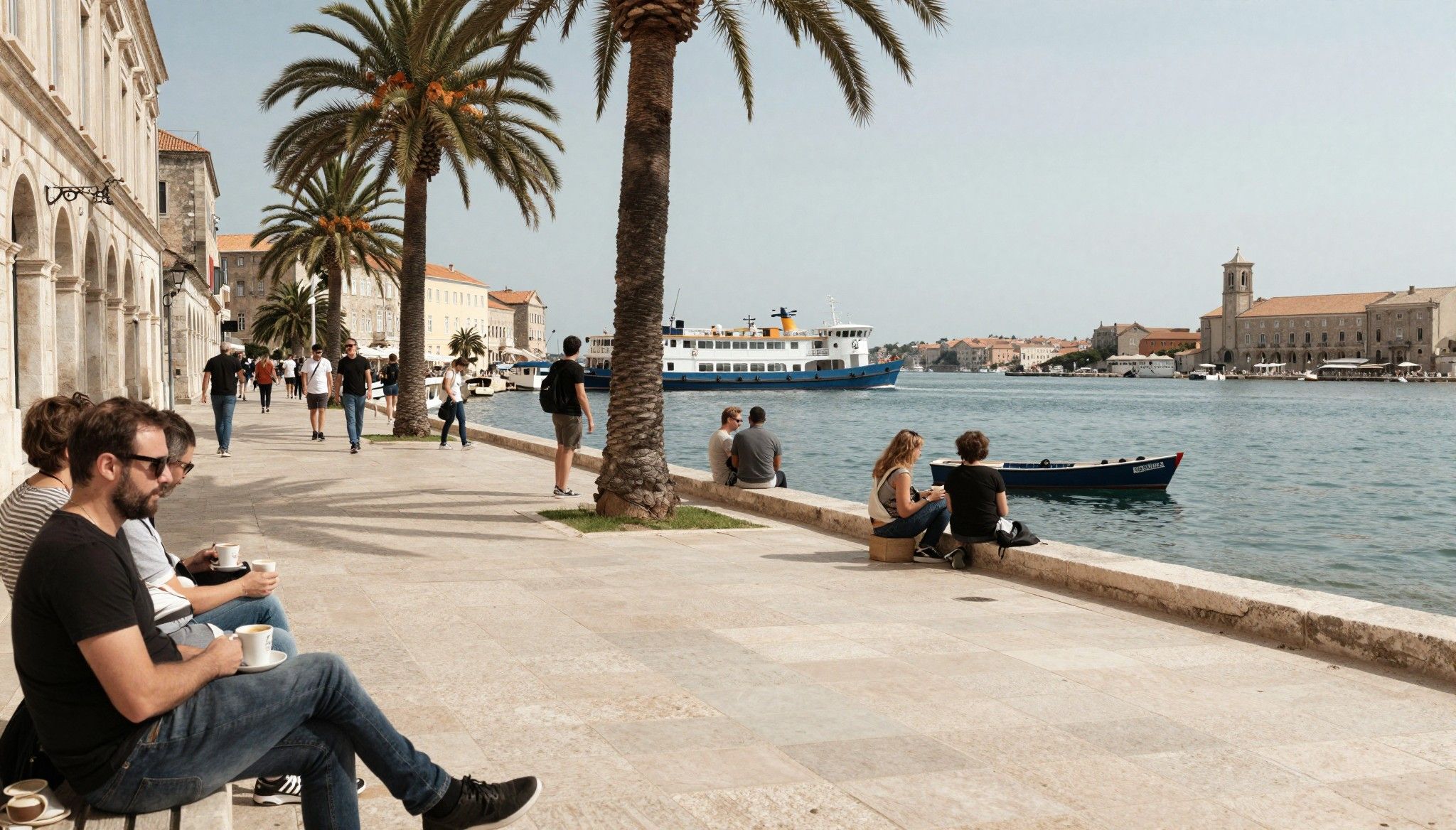
Imagine sipping espresso on Split’s waterfront at 8am, then signing a purchase contract by noon — Croatia feels small, liveable and immediate. But recent regulatory shifts — the euro adoption, Schengen entry and new property taxation — have quietly changed the maths of buying here.
Living the Croatia Lifestyle
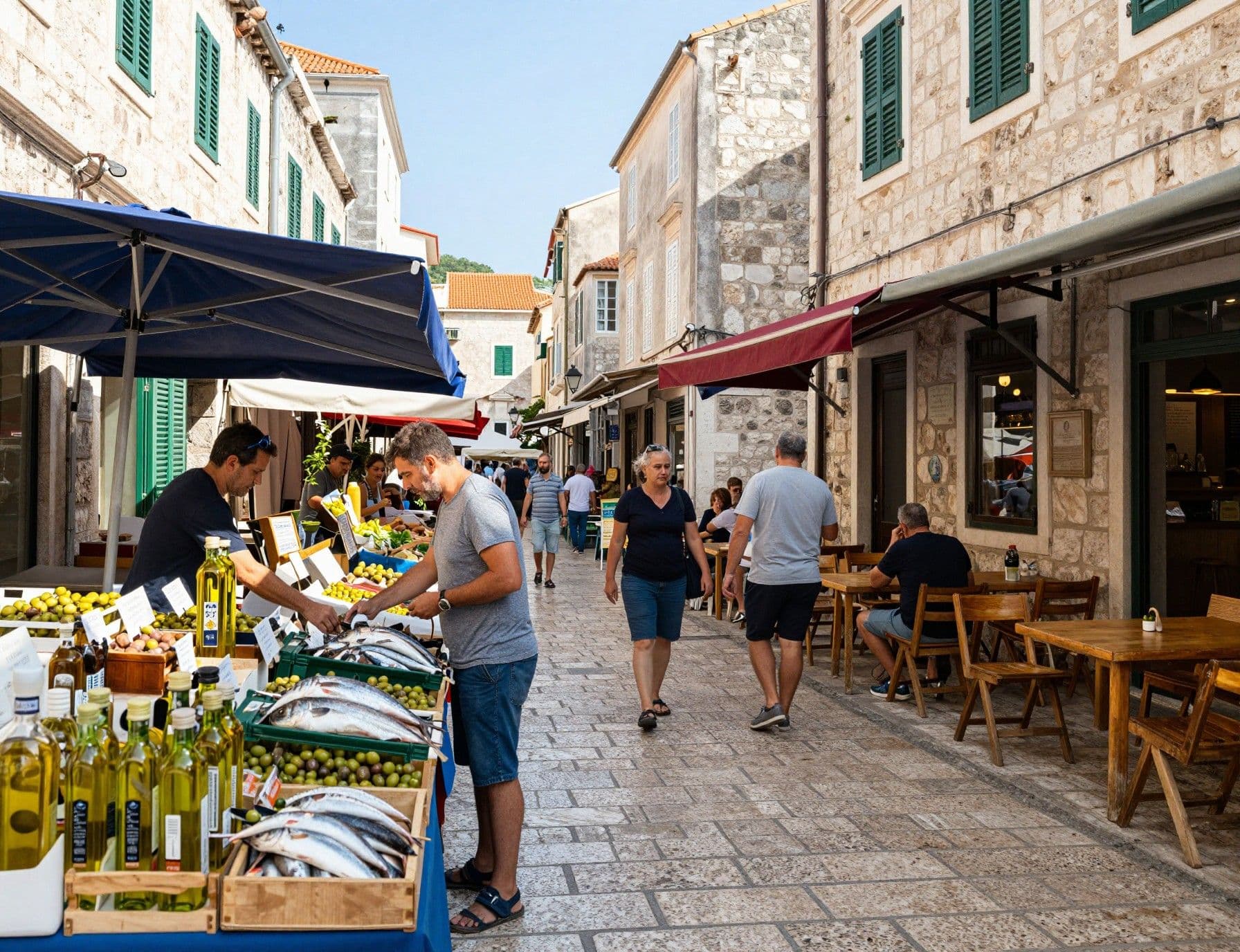
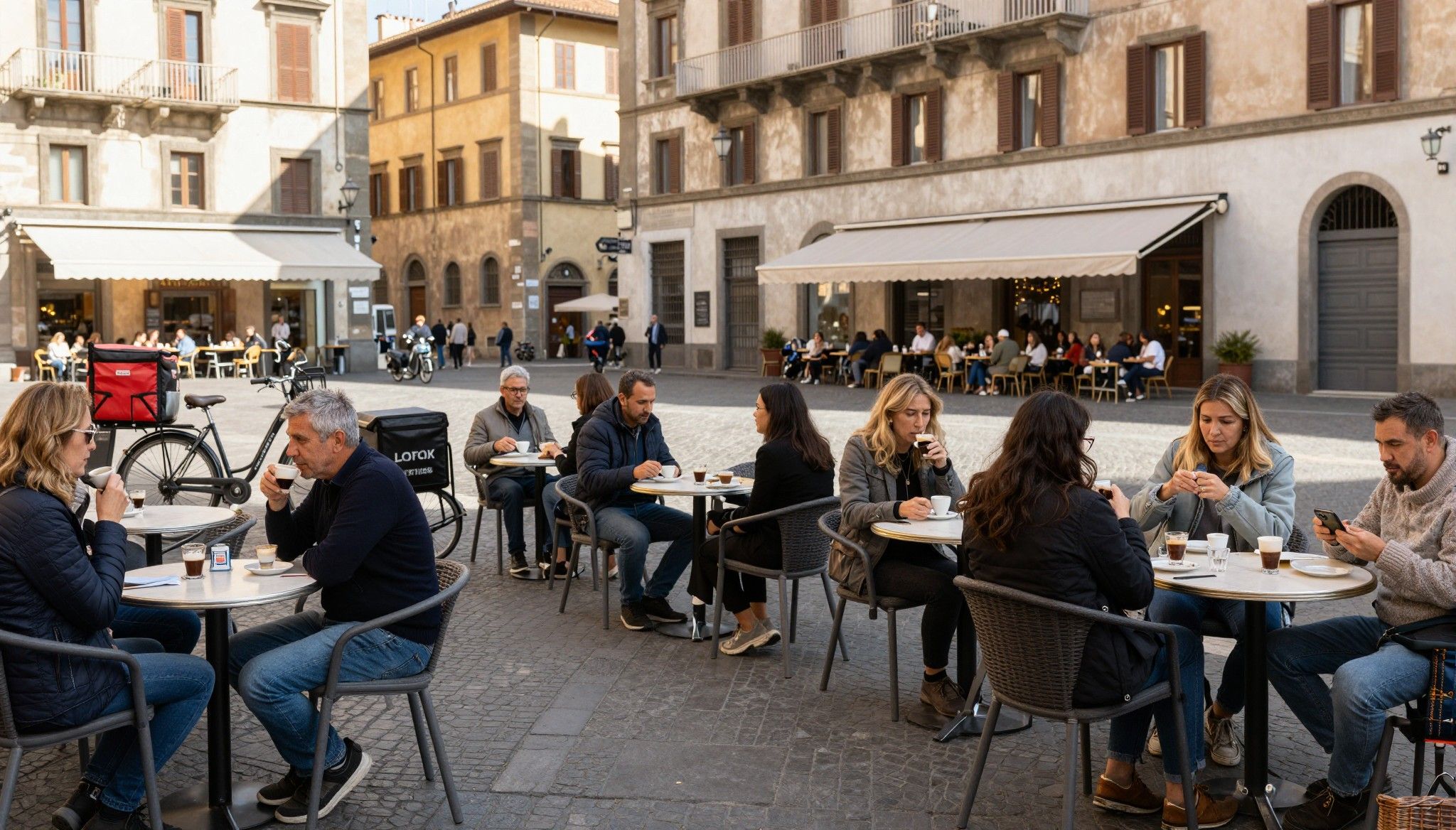
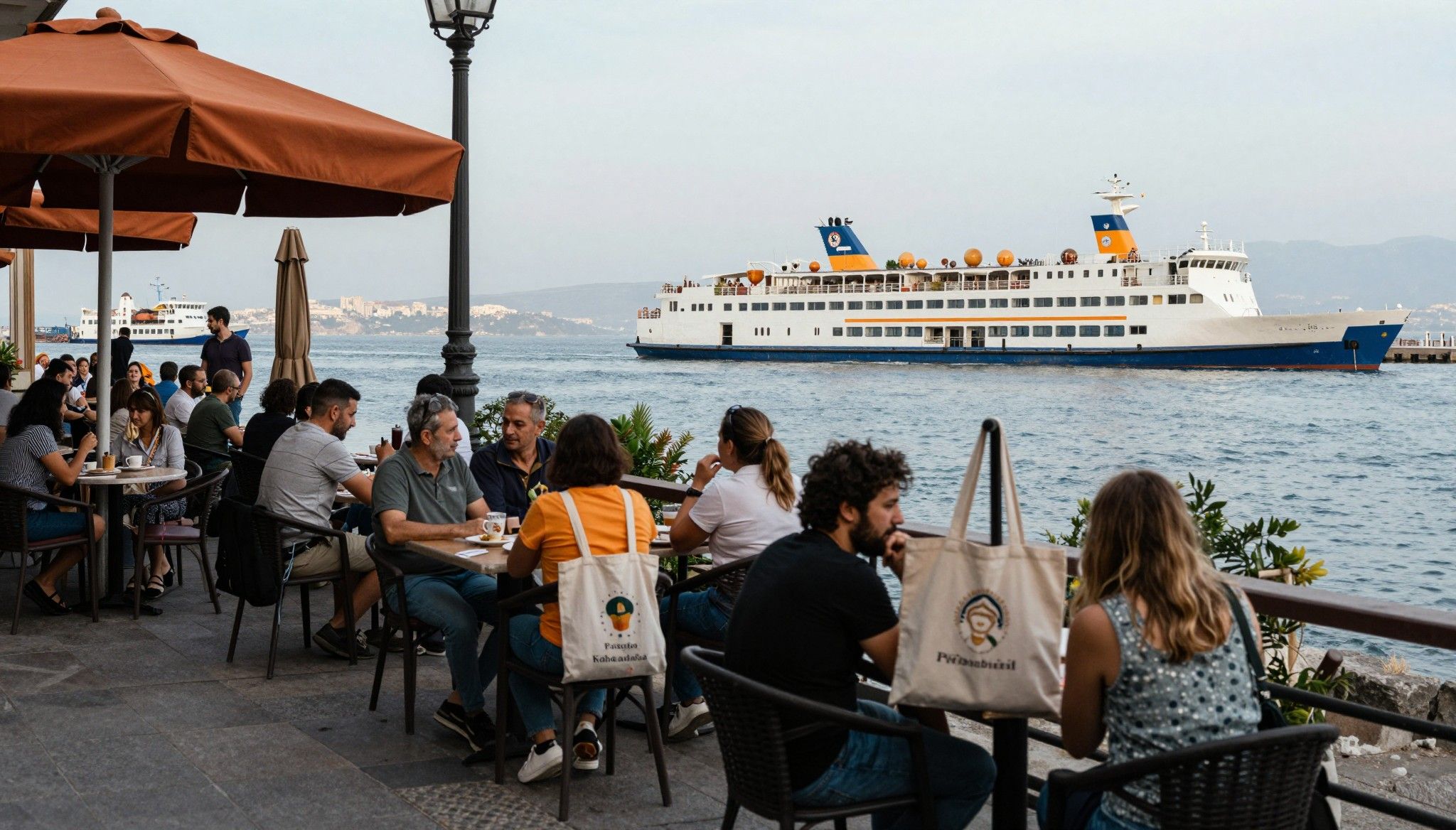
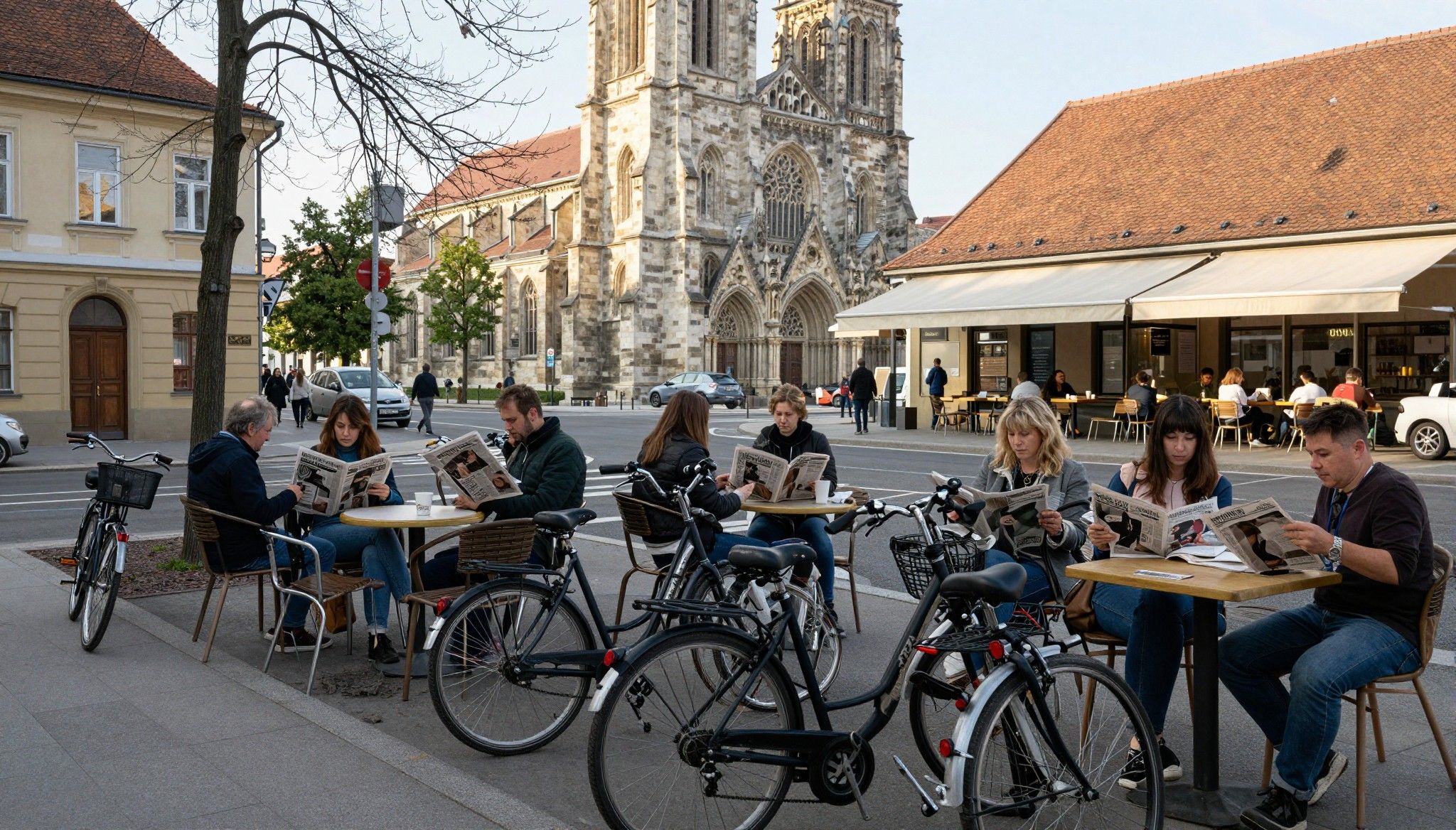
Croatia’s daily rhythm is coastal mornings, market lunches and piazza evenings. In Zagreb cafés around Tkalčićeva, students and remote workers cluster; in Dubrovnik’s Old Town the day is defined by sightseeing tides; on Brač and Hvar, stone streets meet marina terraces. That mix — Adriatic life plus compact cities — shapes what buyers actually want: small, well-located flats that rent easily to tourists and long-stay professionals.
Neighborhood spotlight: Split’s Varoš and Firule
Varoš (narrow alleys, local konobas) and Firule (beach-adjacent apartment blocks) show the trade-off: historic charm versus rental consistency. Varoš units command strong short‑let interest for their Instagram-ready façades; Firule’s 2‑bed flats perform better as year‑round rentals for families and digital nomads.
Food, markets and seasonality
Saturday markets in Zadar and Rijeka determine weekly life: fresh fish, olive oil and seasonal fruit. Summer tourism amplifies rental income but also vacancy risk outside peak months — a reality that should shape cap‑rate expectations and furnishing choices.
- Morning coffee at Café Luxor (Zagreb), evening fish at Konoba Mate (Hvar), weekend market in Dolac, sunset walk on Split Riva — lifestyle triggers that influence neighbourhood premiums.
Making the Move: Practical Considerations
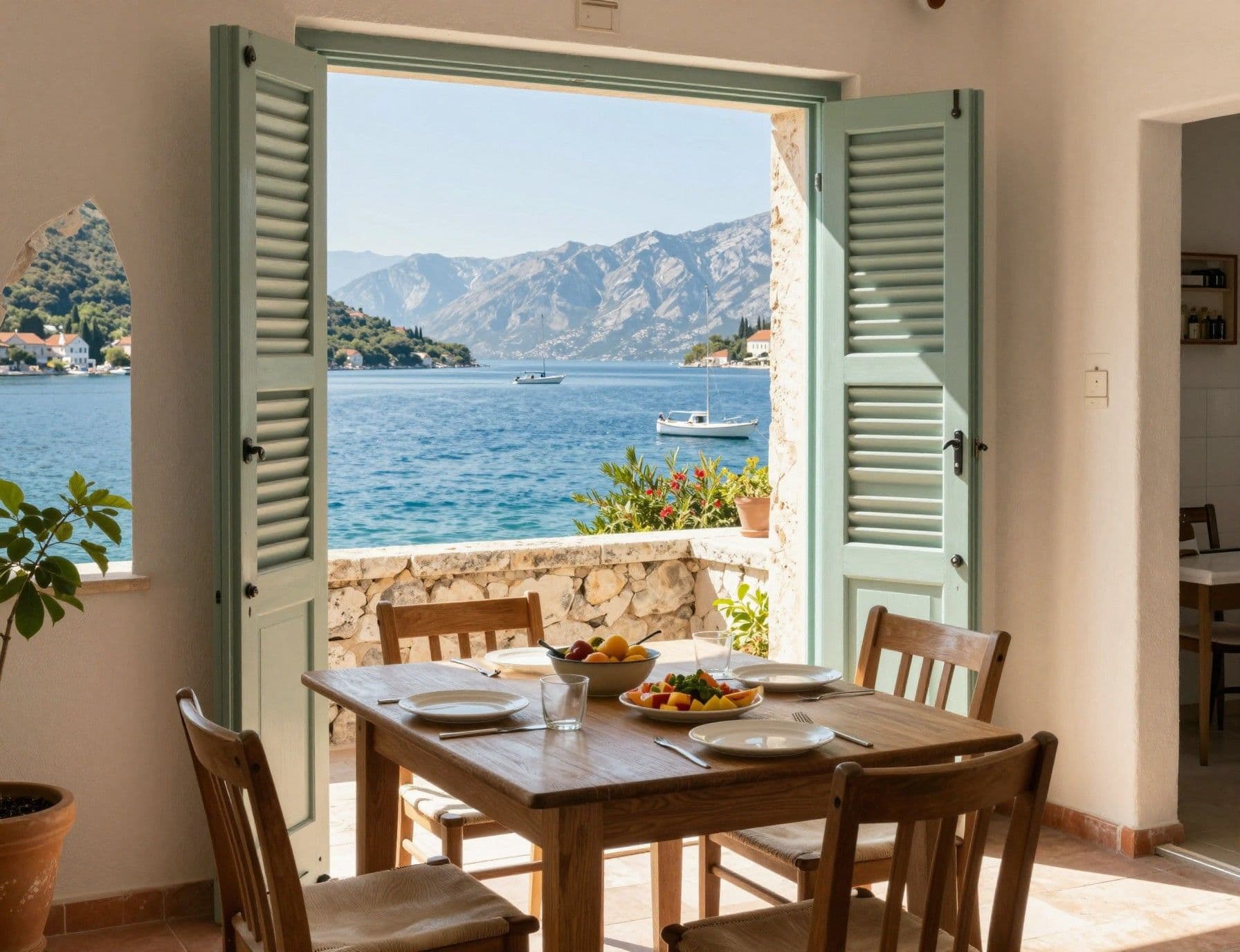
Lifestyle is the magnet; regulations and taxes are the gravity. EU citizens now buy under near‑parity rules, but non‑EU buyers still face reciprocity checks and, in some cases, ministry approval. On tax, a 3% real estate transfer tax typically applies to used-property purchases while VAT (25%) targets new builds — a distinction that materially changes acquisition cost and net yield.
Property styles: stone houses vs. new apartments
Restored stone houses in Dalmatia sell the dream — outdoor terraces, thick walls and character — but can carry renovation costs, seasonal heating inefficiencies and limited year‑round rental appeal. New builds in Zagreb or Split cost more per m² but deliver predictable maintenance, energy efficiency and easier professional lettings.
Working with experts who know regulation
- 1. Verify buyer eligibility early (EU vs non‑EU) to avoid approval delays. 2. Model VAT vs RETT scenarios: when VAT applies you avoid the 3% transfer tax — run both on your acquisition spreadsheet. 3. Factor the new property tax (effective 2025+) into holding cost forecasts. 4. Include short‑let compliance costs (registration, local tourist levies) when projecting gross rental yields.
Insider Knowledge: What Expats Wish They’d Known
Practical surprises often come from enforcement and timing: municipal rules for short‑lets vary, the new property tax (introduced 2025) changes annual carrying costs, and post‑euro price rounding can nudge local pricing expectations. Buyers who under‑model these factors overestimate net yields.
Cultural integration and daily life
Croatians value local ties — knowing the kafana owner or market vendor pays social dividends. Learning basic Croatian phrases and attending local events (e.g., Split’s Ultra festival or regional wine fairs) speeds integration and opens rental demand channels beyond tourists.
Long‑term lifestyle and investment fit
If you plan to live part‑time, prioritize properties with easy local management (concierge, on‑island support) and year‑round access. If your goal is income, focus on central flats in Zagreb or Split where corporate and longer‑stay demand smooths seasonality and improves occupancy.
- Red flags to watch: missing building permits, unclear land register entries, municipal short‑let bans, properties sold without VAT clarity, and sellers unable to prove utility connections.
Conclusion: Croatia sells a lifestyle — stone alleys, coastal light, market rhythms — but the regulatory landscape (euro adoption, Schengen, the 3% transfer tax vs VAT, and the 2025 property tax) changes the return equations. Model carrying costs, confirm buyer eligibility early, and pair a lifestyle brief with a taxed, regulation‑aware financial model before you sign.
British expat who moved to the Algarve in 2014. Specializes in portfolio-focused analysis, yields, and tax planning for UK buyers investing abroad.