How Greece’s Golden‑Visa & Tax Shifts Reprice Yield
Greece’s lifestyle is irresistible — but 2024–25 Golden Visa, VAT/transfer tax and ENFIA changes reshape yields; match neighbourhood romance to tax realities.
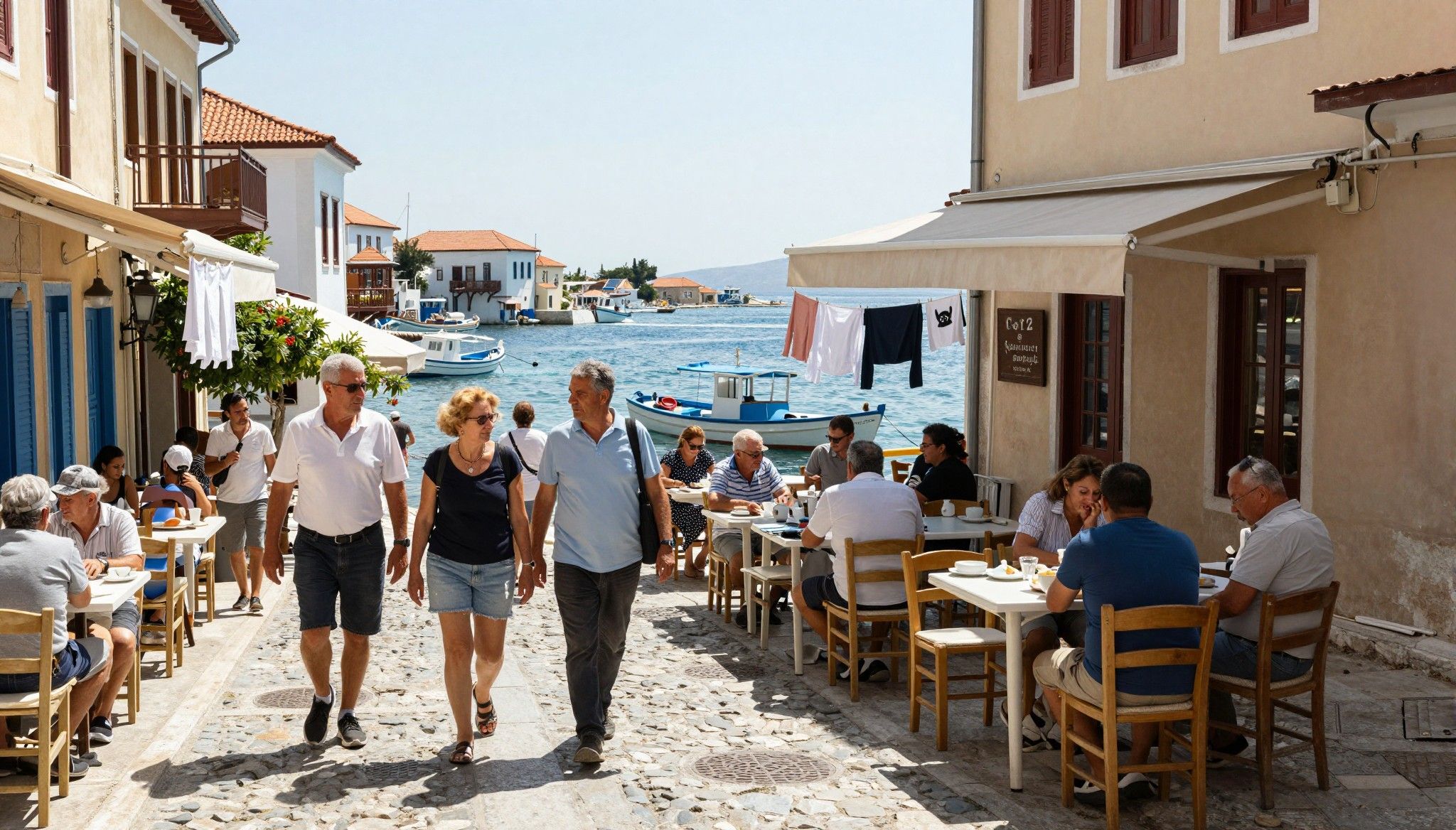
Imagine sipping an espresso on a shaded table in Plaka, then hopping on a tram to a riverside taverna in Thessaloniki by evening. Greece feels tactile: sun-warmed stone, late-night plates passed between neighbours, markets stacked with citrus and sea bream. For many international buyers the romance is real — but recent regulatory shifts (Golden Visa thresholds, VAT/transfer tax rules and ENFIA changes) mean the spreadsheet now matters as much as the view. This piece pairs the lived experience of Greek neighbourhoods with the concrete legal and tax moves that will decide whether a Greek purchase is a lifestyle win or a yield disappointment.
Living the Greece lifestyle

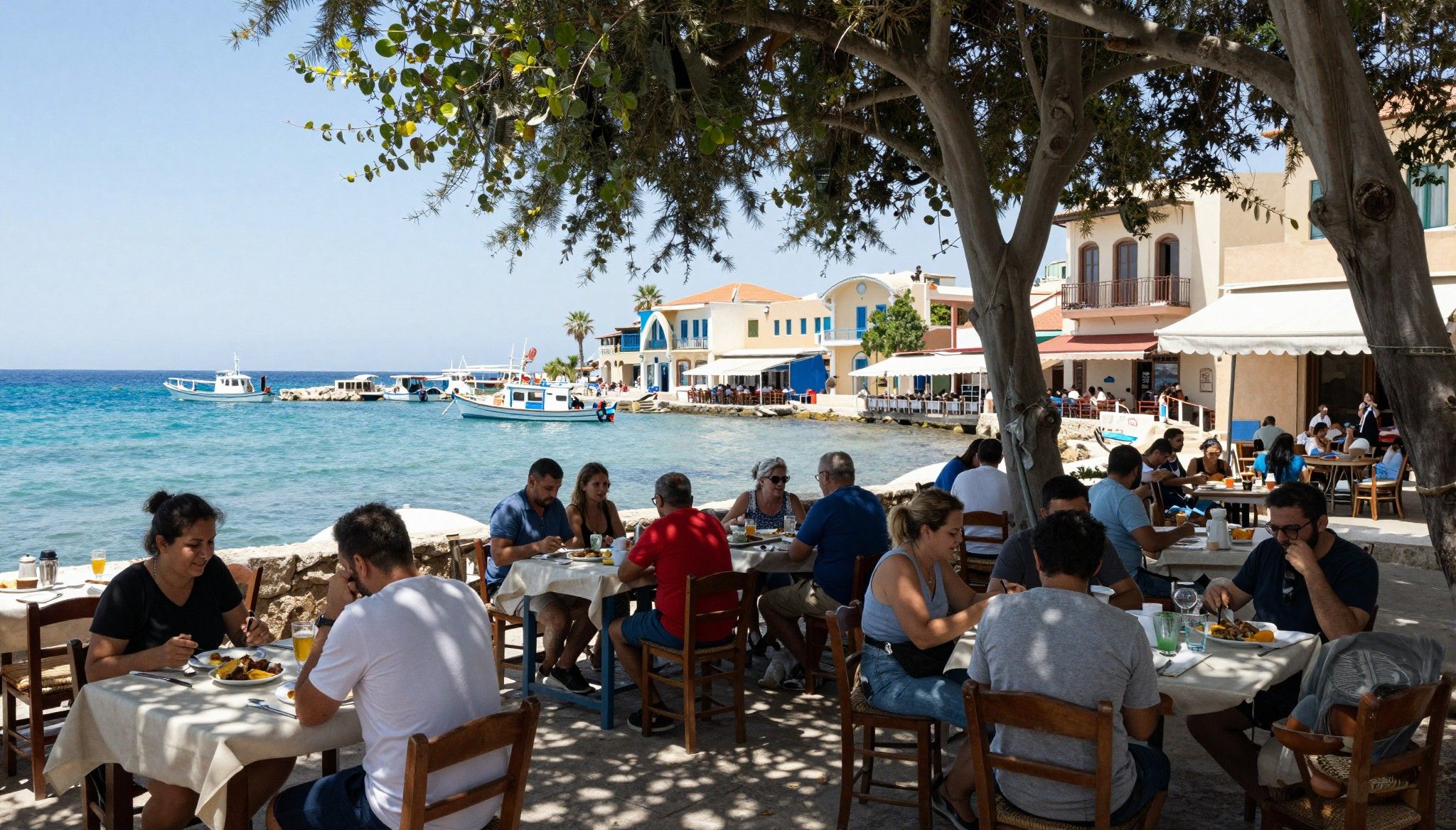
Daily life in Greece blends relaxed rhythms with highly local routines. In Athens the mornings are café-driven — try Kafeneio on Adrianou for a thick Greek coffee — while island life orients to tide and tourism cycles: bakeries start at dawn, shops close mid‑afternoon, and evenings unfurl in waterfront tavernas. This matters for buyers: short‑let demand spikes in summer on islands, while year‑round rental stability is stronger in central Athens neighbourhoods like Koukaki and Pangrati.
Neighborhood spotlight — Athens: Koukaki, Exarchia, Piraeus
Koukaki is a compact residential district that trades high tourist footfall for long‑term rental appeal to families and digital nomads; narrow streets, local bakeries and proximity to the Acropolis create steady mid‑season occupancy. Exarchia offers counterculture energy, appealing to students and short‑term tenants but with higher management intensity and renovation considerations. Piraeus brings port logistics and working renters — lower per‑sqm prices but stronger yield predictability for multi‑unit landlords.
Food, markets and daily rituals
Markets shape neighbourhood life: Varvakios Market in Athens and Modiano Market in Thessaloniki are not tourist props but living supply chains where restaurateurs buy daily. Expect loud, social mornings, seasonal seafood stalls and late dinners. For investors this cultural density translates into rental segmentation — culinary districts attract mid‑week rental demand from hospitality professionals and chefs, raising average nightly rates outside peak tourist months.
Making the move: practical considerations

The emotional pull of a Greek terrace is easy; the practical side — tax treatment, transfer costs and residency rules — is where buyers trip up. Two regulatory shifts deserve immediate attention: the 2024–2025 Golden Visa reform (zones with €800k/€400k thresholds) and evolving VAT vs transfer tax treatment on new builds. Understand which taxes apply to the property class you want before you sign anything; these factors materially change net yield calculations.
Property types and tax outcomes
Two common traps: buyers assume all prime renovations are VAT‑eligible, and they assume transfer tax is negligible. In Greece VAT can apply to new builds (19%) or be suspended and replaced by a transfer tax (around 3.09%) depending on law and timing; similarly ENFIA (annual property tax) has been modified with reliefs for certain primary residences. Factoring these into a five‑year cashflow model — not just purchase price per sqm — is essential.
Steps to protect yield when buying in Greece
- 1) Verify whether the property is new build, listed conversion or resale and whether VAT or transfer tax will apply. 2) Have an independent valuation (objective value) for accurate transfer tax and mortgage planning. 3) Request a full ENFIA history and forecast its impact on operating expenses. 4) Confirm Golden Visa zone status early if residency is part of the purchase rationale. 5) Price in property management and seasonal repair costs; islands demand higher OPEX.
Insider knowledge: what expats wish they'd known
Expat anecdotes repeat a few themes: underestimating renovation timelines, mispricing off‑season rental demand and assuming residency rules will remain static. Recent Golden Visa tightening reduced application volumes and shifted buyer profiles; that cooled some overheated submarkets but also pushed interest into overlooked provincial towns where €400k thresholds still apply. Savvy buyers treat regulatory change as supply‑shock that reorders relative value across regions.
Cultural integration and daily practicalities
Language is an efficiency cost: administrative processes (notary, tax office, local municipality permits) move faster with a Greek‑speaking lawyer or agent. Community life — from church festivals to neighbourhood kafeneio rituals — shapes long‑term tenancy behaviour and local property upkeep norms. Factor community fit into neighbourhood selection; the lifestyle you love determines the tenant pool you will realistically attract.
Longer term, Greece’s macro trajectory matters: tourism growth, infrastructure upgrades and inward investment affect capital appreciation and rental demand. After Golden Visa reforms, central Athens and select regional centres may see steadier, locally driven demand while some resort‑heavy islands could record softer price growth. Treat the market as segmented: islands for capital gains (higher volatility), cities for stable yield.
- Lifestyle + regulatory checklist for visits and offers: - Inspect properties off‑peak to see true living conditions (January–March). - Request recent ENFIA notices and utility bills. - Confirm Golden Visa zone classifications before offering. - Commission a title search and debts clearance certificate (certified by a Greek lawyer). - Budget 6–9% of purchase price for closing costs, taxes and registered notary fees.
Conclusion — Greece is sensory, social and financially nuanced. The islands and historic centres sell a dream; the right purchase turns that dream into an income‑producing asset. Start with lifestyle clarity (which neighbourhood fits your life), then overlay tax certainty (VAT vs transfer tax, ENFIA, Golden Visa zoning) and a sober five‑year yield model. Use local legal counsel and a data‑driven agent; in Greece, the view is memorable, but the spreadsheet decides the result.
Swedish financier who guided 150+ families to Spanish title deeds since relocating from Stockholm in 2012, focusing on legal and tax implications.