When Cyprus’ Rules Reprice Yield: Lifestyle Meets Regulation
How recent regulatory shifts, non‑dom tax rules and RPPI deceleration reshape Cyprus yields — lifestyle-first insights with practical underwriting steps.
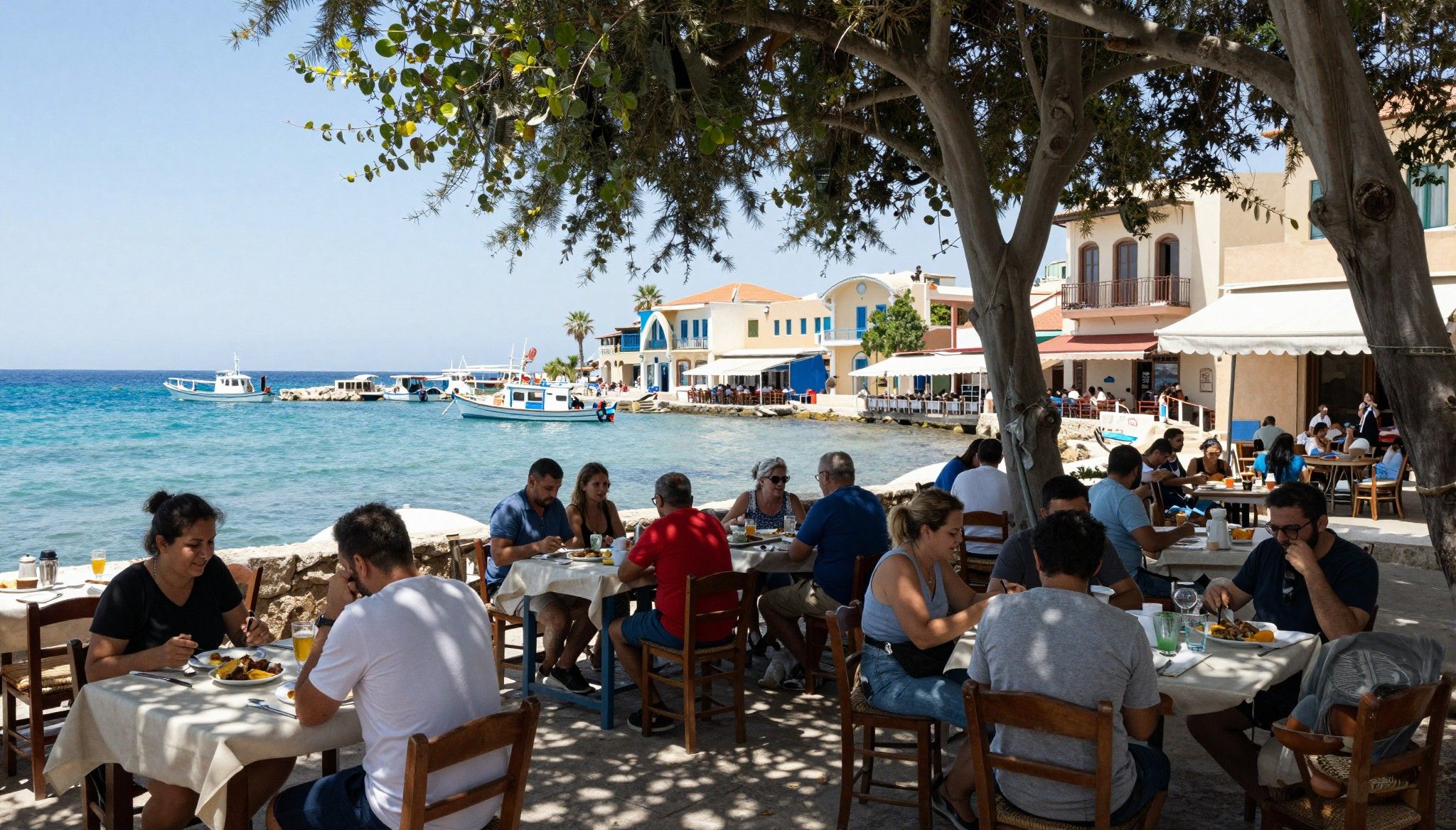
Imagine sitting under a plane tree on a narrow Larnaca side‑street, espresso steaming, a sea breeze carrying the smell of grilled halloumi — and knowing, with spreadsheets open on your laptop, that this corner fits your portfolio targets. Cyprus offers that dual life: immediate Mediterranean texture and a small, data‑dense market where regulatory shifts can reprice returns quickly.
Living the Cyprus lifestyle

Cyprus moves at two paces: the slow, convivial rhythms of village life in Troodos and Polis; and the brisk, capital‑and‑coast energy of Limassol and Larnaca where cafés, marinas and coworking spaces hum. For international buyers the attraction is tangible — walkable historic centres, year‑round sun, and compact neighbourhoods make property easy to curate for short‑ or long‑term rentals.
Neighbourhood spotlight: Old Limassol & Agios Nikolaos
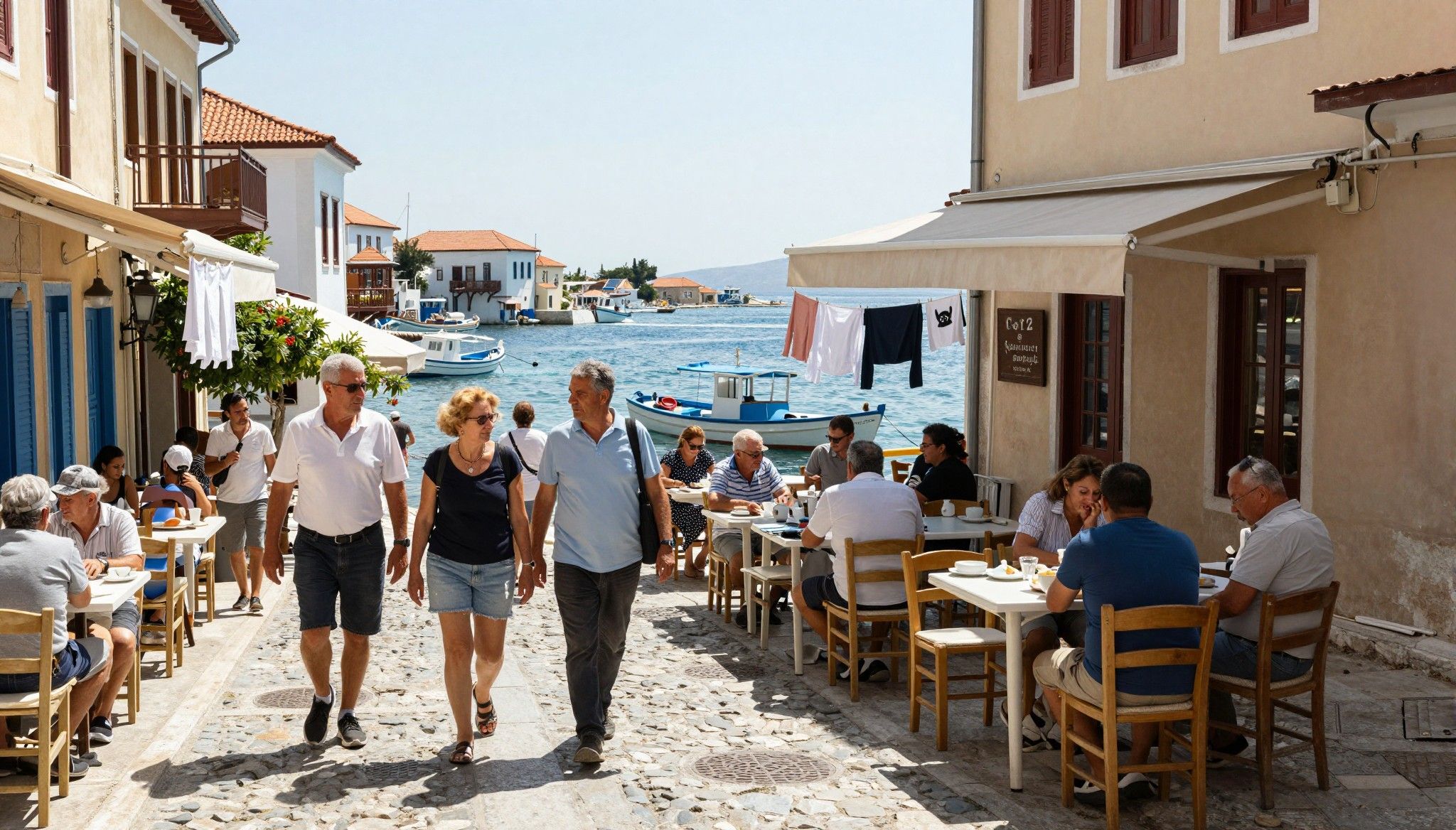
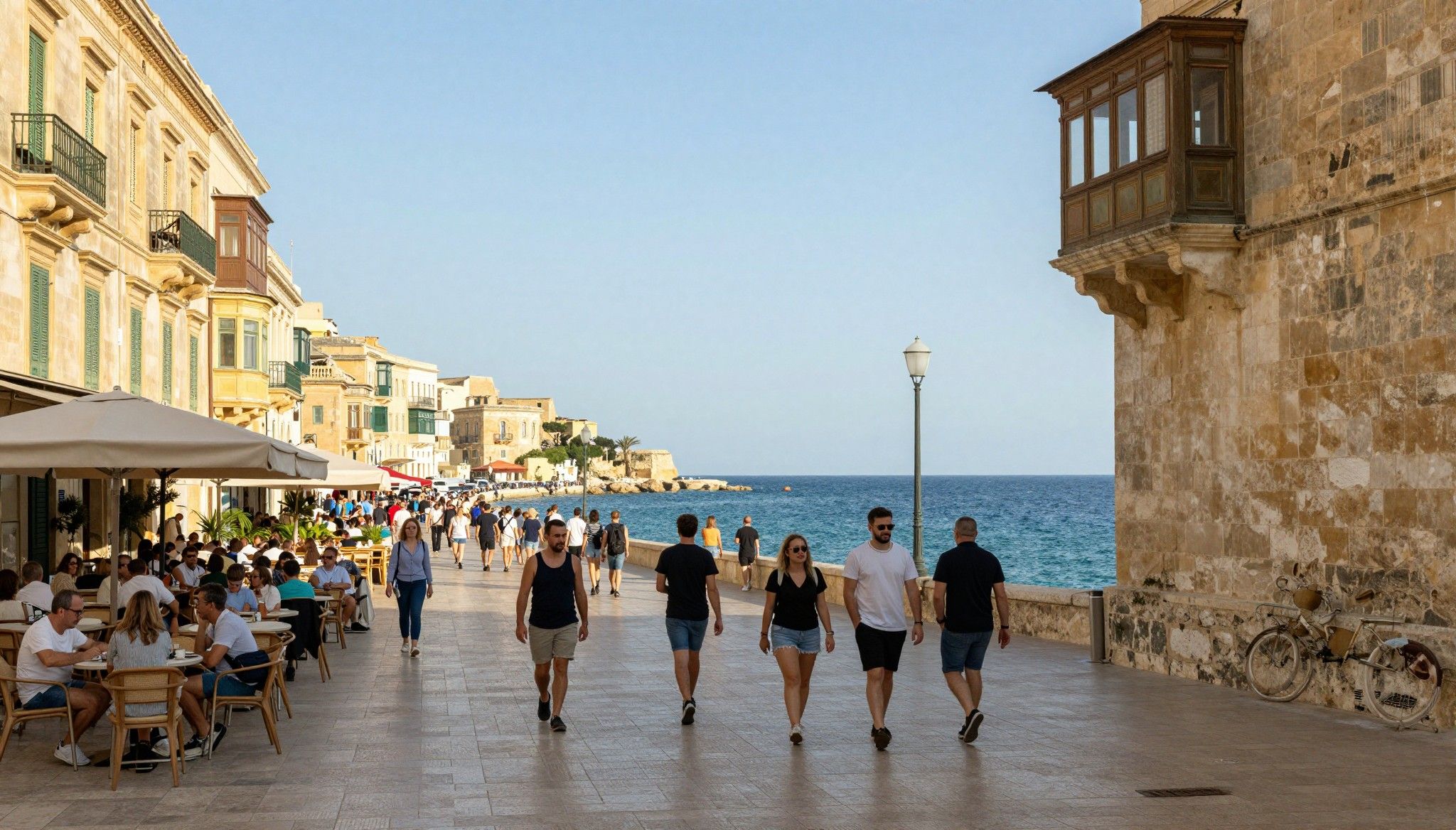
Old Limassol (near Agios Nikolaos) pairs narrow streets and tavernas with a growing cohort of serviced‑apartments and boutique conversions. Locals stroll to the sea promenade at sunset; short‑let demand from EU and Israeli visitors keeps occupancy high in summer, while year‑round business travellers support midweek rates.
Food, markets and weekly rituals
Saturday mornings in Nicosia’s municipal market feel like an investor reconnaissance: bakers, fishmongers and small cafés cluster near streets where flats above shops are consistently in demand from locals. For buyers, these micro‑amenities are yield‑positive: proximity to markets and cafés correlates with stronger long‑term rental uptake in Cyprus’ compact urban fabrics.
- Lifestyle highlights: Old Limassol promenade, Larnaca Finikoudes for morning walks, Kato Paphos harbour and cafés, Troodos mountain tavernas for weekend escapes, Nicosia municipal market and Ledra Street strolls.
Making the move: practical considerations where regulation changes matter

The lifestyle draw is real — but recent regulatory shifts and macro data change the arithmetic. House price indices show continued growth but decelerating increases in 2024; policy and tax signals (notably non‑dom rules and VAT nuances) are the levers that can change net yields. Read those policy shifts as part of your underwriting, not noise.
Property types and what they mean for returns
New build coastal apartments typically command higher price per m² but face stronger regulatory scrutiny on permits and VAT treatment; older town‑centre flats often deliver steadier yields because renovation costs are more predictable and tenancy demand is year‑round. Match your cap‑rate target to property type: coastal new builds aim for capital appreciation, town flats for income.
Working with local experts who understand rule changes
Choose advisers who track tax residency, non‑dom status, and VAT/transfer fee practice. Non‑dom status still offers meaningful withholding‑tax benefits on dividends and interest for qualifying residents — that can materially improve net yield if you plan to own through a Cyprus tax resident vehicle. Always verify current application details with an on‑island tax adviser.
- Practical checklist for lifestyle investors: 1) Confirm non‑dom implications for your expected income streams (dividends, rents). 2) Underwrite yields using recent RPPI growth rates, not peak‑year prices. 3) Price in renovation costs for town flats and permit risk for coastal new builds. 4) Ask for historic occupancy by month for short‑let underwriting. 5) Use on‑island lawyers for title due diligence to avoid cross‑border surprises.
Insider knowledge: regulatory red flags and contrarian tips
Expats often misread Cyprus as uniformly permissive. The reality: the market is small, regulators react visibly, and past political controversies (notably the suspended citizenship‑by‑investment programme) have left a legacy of tighter scrutiny on large cross‑border transactions. Treat regulatory announcements as catalysts — they move pricing in weeks, not years.
Cultural and integration notes that affect value
Language is not a blocker: English is widely used in business and real estate. What matters is social fit — properties near municipal centres and weekly markets integrate faster into local rental pools. Buyers who prioritise neighbourhood ritual (market days, tavernas, ferry links) tend to see steadier occupancy and lower tenant churn.
Hidden costs to model: stamp and transfer fees, a 0.4% disposal levy on immovable property sales, and VAT differences for certain new builds. These items can reduce net proceeds at exit; model them explicitly rather than assuming a single flat transaction cost.
- Red flags and contrarian plays: - Red flag: Large off‑plan buys from unknown developers without escrowed payments. - Contrarian: Small town‑centre 1‑beds near markets often outperform flashy coastal units on net yield. - Red flag: Assuming non‑dom rules will remain unchanged; plan exits accordingly.
What expats say they wish they'd known
''We chased the sea view and forgot to check seasonal demand.'' A recurring refrain: beautiful coastal flats can sit empty off‑season unless they have year‑round demand drivers (marina office tenants, long‑stay expats). Match property character to the renter profile you intend to target.
Conclusion: Cyprus rewards buyers who balance feeling and figures. Fall in love with the streets of Limassol, the markets of Nicosia, or the calm of Paphos — but underwrite returns against current RPPI trajectories, tax posture and permit risk. Start with a local tax and legal review, request month‑by‑month occupancy data, and prioritise neighbourhoods with real daily life — that’s where lifestyle and yield meet.
Norwegian market analyst who relocated from Oslo to Mallorca in 2016, guiding Northern buyers through regulatory risk, currency hedging, and rentability.