Coastline Hype vs. Yield: Cyprus Micro‑Markets
Cyprus’ coastal glamour hides micro‑markets with stronger yields. Use RPPI and tourism data plus street-level comparables to prioritise income over postcards.

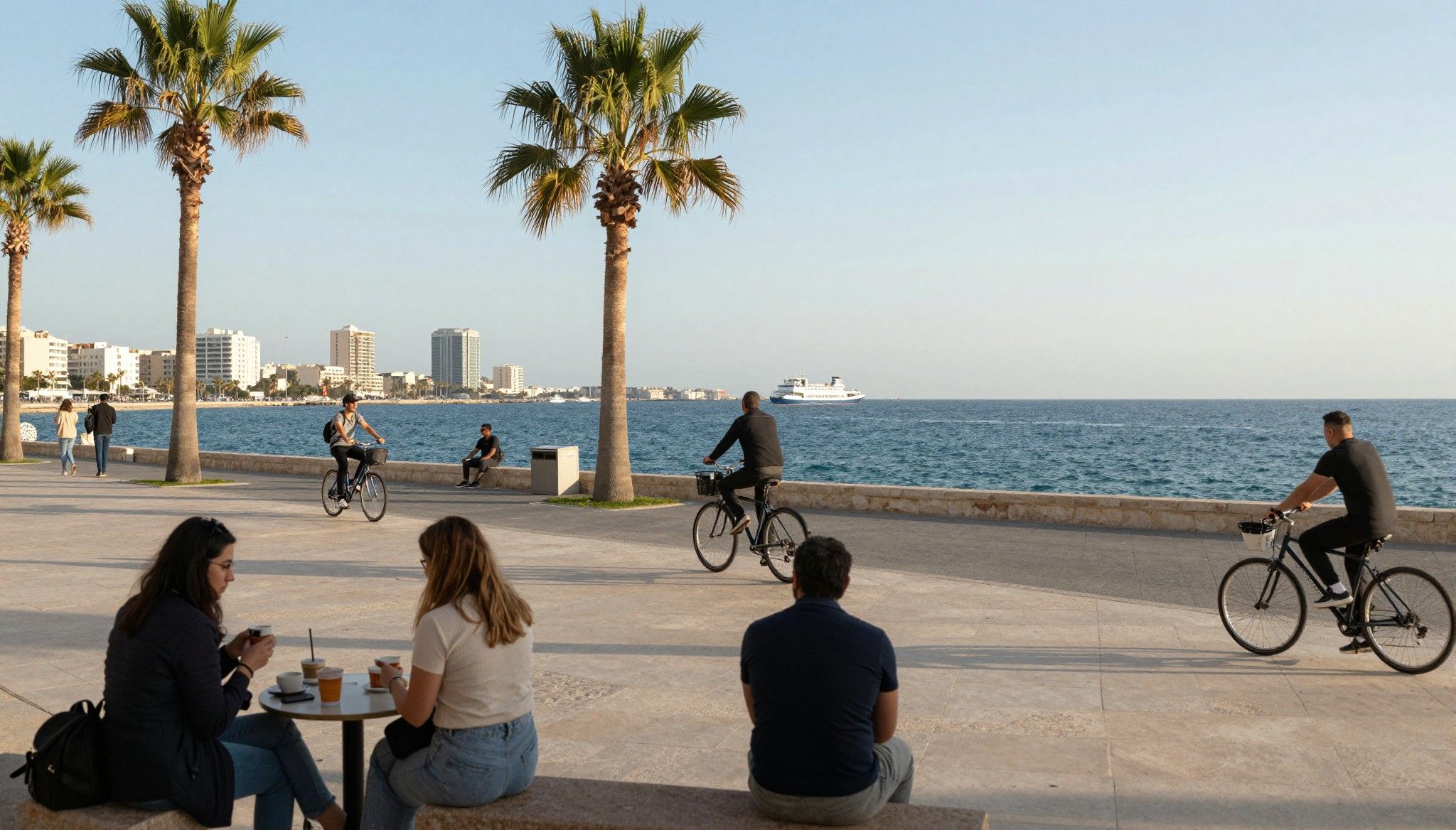
Imagine sitting at a small table on Limassol’s Molos promenade, espresso in hand, while a fisherman hauls in the morning catch and a local landlord counts rental enquiries on his phone. Cyprus feels like long lunches, precise sunsets and tight-knit neighbourhoods — but beneath that Mediterranean calm lies a market split between hype and steady returns. This guide peels back the postcard to show where yield lives, which coastal premiums are narrative-driven, and how to marry lifestyle with a measurable return.
Living Cyprus: texture before transactions

Cyprus is sun-dominant: warm winters, long summers, and daily rhythms shaped by outdoor life. Streets pulse with cafe chatter in Strovolos, fishermen sell at Larnaca’s municipal market, and mountain villages like Omodos slow to the pace of an afternoon siesta. For many internationals the draw is clear — English is widely used, healthcare and schools are accessible, and the island’s compact size means weekend escapes are short. Lifestyle quality is real; the question for investors is how that quality translates into reliable rental income and capital growth.
Neighbourhood spotlight: Limassol’s dual personality
Limassol splits into two markets: a beachfront, international-focussed luxury strip and older inland neighbourhoods where real locals live and rent. Seafront flats command headline prices — great for capital stories — while apartments in Agios Nikolaos or Mesa Geitonia offer higher gross yields to long-term tenants. Understanding that split determines whether a purchase is a lifestyle trophy or an income asset.
Food, ritual and seasonality: how life maps to demand
Markets in Paphos and Ayia Napa swing with the tourist calendar, while Nicosia and inland towns show steadier, year-round rental demand. Tourist arrivals topped around four million in 2024, keeping short‑let markets vibrant; but relying on seasonality raises vacancy risk outside peak months. If you crave constant cashflow, prioritise locations with resident tenants over pure holiday hotspots.
Making the move: property types and yield realities
Policy changes, bank appetite and tourism flows shape price-per-square‑metre and achievable yields. Official indices from the Central Bank track rising prices in recent quarters, but growth is uneven by district: Limassol and Larnaca often lead on price gains while Paphos and smaller inland towns show more mixed movement. Matching property type to tenant profile — small apartments for students and young professionals, three‑bed villas for families — materially changes net yield calculations.
Property styles: where yield lives
New-build seafront apartments sell at premiums but attract seasonal holiday renters; older apartments near universities or hospitals deliver steadier, higher gross yields. Renovation plays in traditional villages around Troodos can create value but require local contractor knowledge and a realistic capex schedule. For income-focused buyers, average gross yields of 4–6% in coastal luxury districts are common, while 6–8% is possible in rental-focused inland pockets (net yield depends on taxes, management and maintenance).
- Lifestyle + practical features that drive rental demand:
- Proximity to beaches and promenades — attracts short‑lets and premium daily rates
- Access to hospitals/universities — supports stable, long‑term tenancies
- Parking and storage — surprisingly decisive for family tenants and long lets
Insider knowledge: contrarian data that changes decisions
Contrary to the common line that coastal Cyprus is the only reliable play, recent official data show inland and secondary towns performing better on yield stability. The Central Bank’s Residential Property Price Index records uneven but sustained growth; this means headline capital gains are concentrated, while rental returns can be higher and more predictable in less-hyped micro‑markets. That observation flips the conventional buy‑the‑view advice into a numbers-first decision.
What expats wish they’d known
Expats commonly underestimate utility readiness (meter swaps, insulation) and the local pace of planning permissions, which extend refurbishment timelines. Language rarely blocks transactions but informal local practices — preferred notarial routes, customary agent negotiation patterns — matter in closing cost and time. Build a local checklist before bidding: verified utility records, up-to-date building permits, and a conservative rent-projection based on comparable furnished listings.
- A short, practical buying sequence
- 1. Define target yield and acceptable vacancy rate (e.g., 6% gross, 10% vacancy);
- 2. Shortlist micro‑markets (street-level) with recent transaction evidence; verify via RPCI or agency comparables;
- 3. Pre‑inspect utilities, permit history and existing tenancy contracts before offer;
- 4. Lock in a local manager and insurance quote to feed into net yield modelling.
Data caveat: official indices (Central Bank RPPI) and industry reports give the broad contours but not street-level yields. Use national statistics to validate demand assumptions (tourist arrivals, construction permits) and combine them with agency-led comparables for accurate per-square-metre pricing. Rely on both public reports and local transaction evidence before finalising projections.
Final takeaway: where to look and why
If you want lifestyle plus steadier yield, prioritise Larnaca’s transit-linked neighbourhoods, inland family suburbs near Nicosia with stable demand, and selective pockets of Paphos that blend tourism with resident renters. Reserve Limassol seafront for capital appreciation plays and accept lower immediate yields there. Treat Cyprus as a collection of micro‑markets: a lifestyle decision should be justified with a yield model that incorporates seasonality, realistic vacancy and maintenance schedules.
Ready to translate a lifestyle into cashflow? Start with two comparables on the exact street, a short‑let vs long‑let rent sheet for the same floorplan, and a local manager’s quotation. That trio turns romance into an investable spreadsheet — and keeps the sunset views from distracting you from returns.
Danish relocation specialist who moved to Cyprus in 2018, helping Nordic clients diversify with rental yields and residency considerations.