Italy: Match the Piazza to the Spreadsheet
Italy mixes irresistible neighbourhood life with precise tax rules—match lifestyle choices to realistic tax, IMU and yield modelling to buy with confidence.
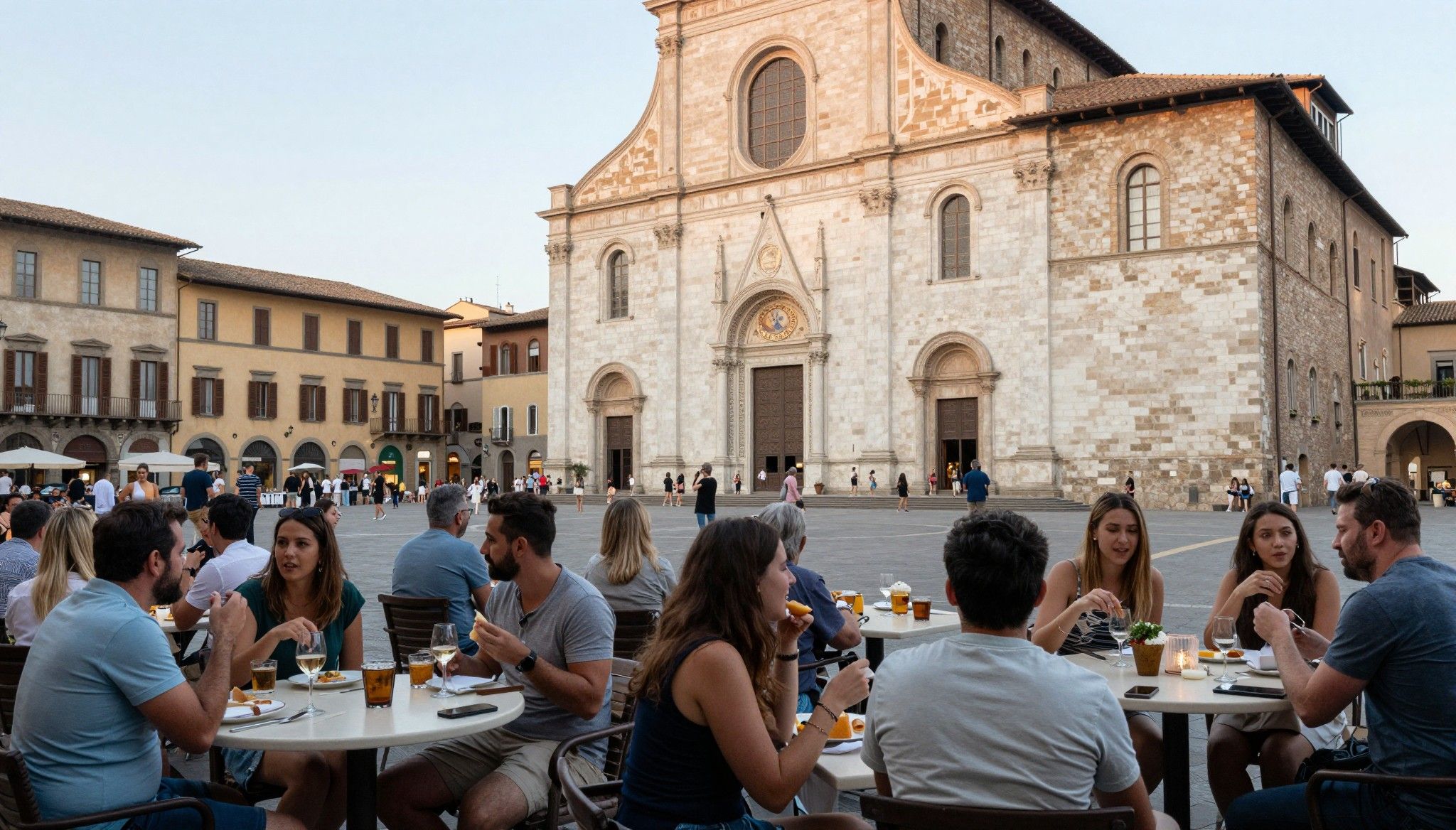
Imagine sipping espresso on a cobbled morning in Trastevere, then signing a purchase contract in a sunlit notaio’s office by lunchtime—Italy blends slow, sensory living with an exacting legal machine. That duality is the constant surprise for international buyers: an intoxicating everyday culture wrapped around a precise, sometimes bureaucratic, regulatory structure. This piece starts in the piazza and ends at the ledger: lifestyle first, taxes and rules second, both necessary to decide whether a Tuscan villa or a Milan apartment fits your portfolio and life.
Living the Italy lifestyle

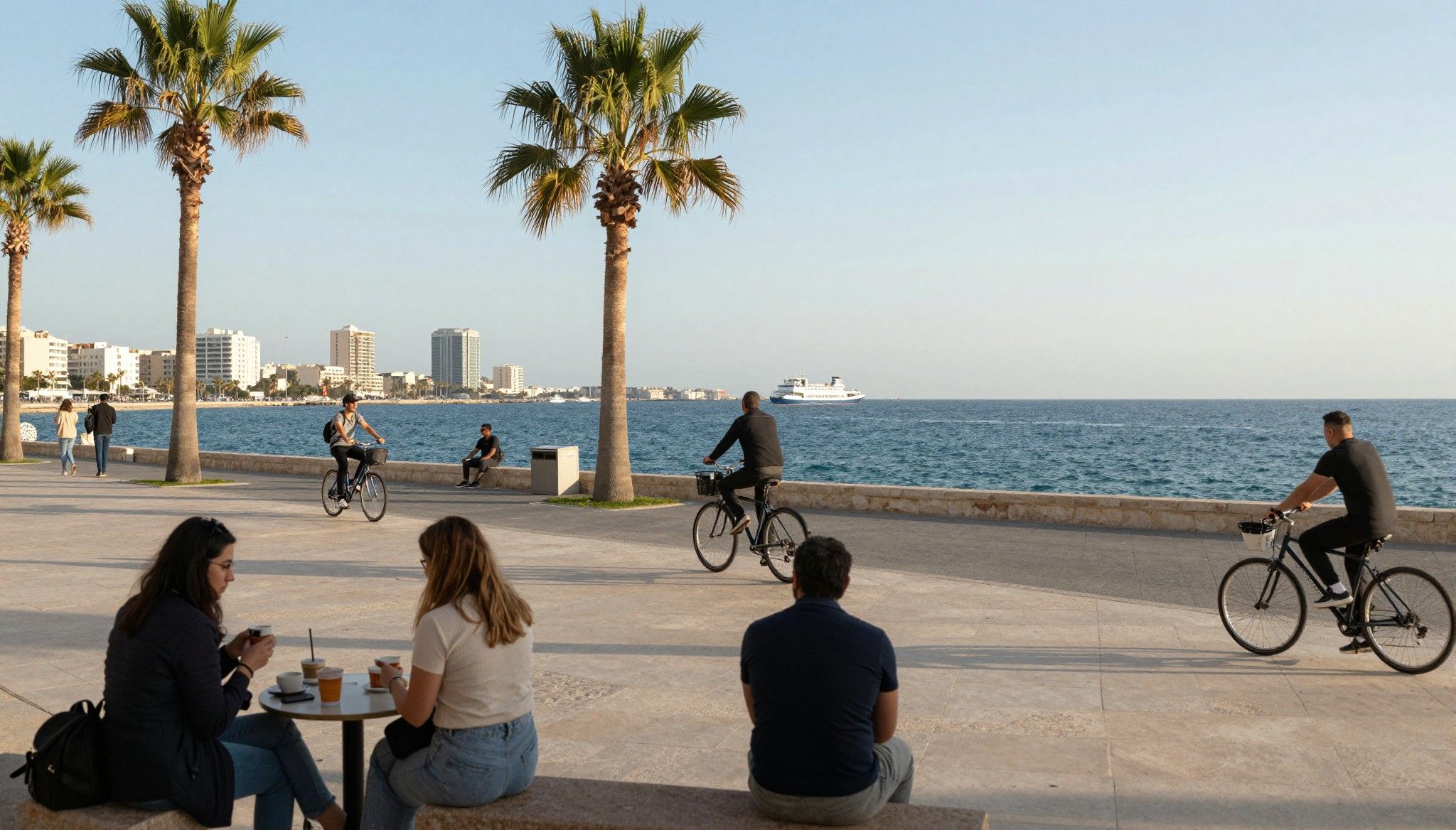
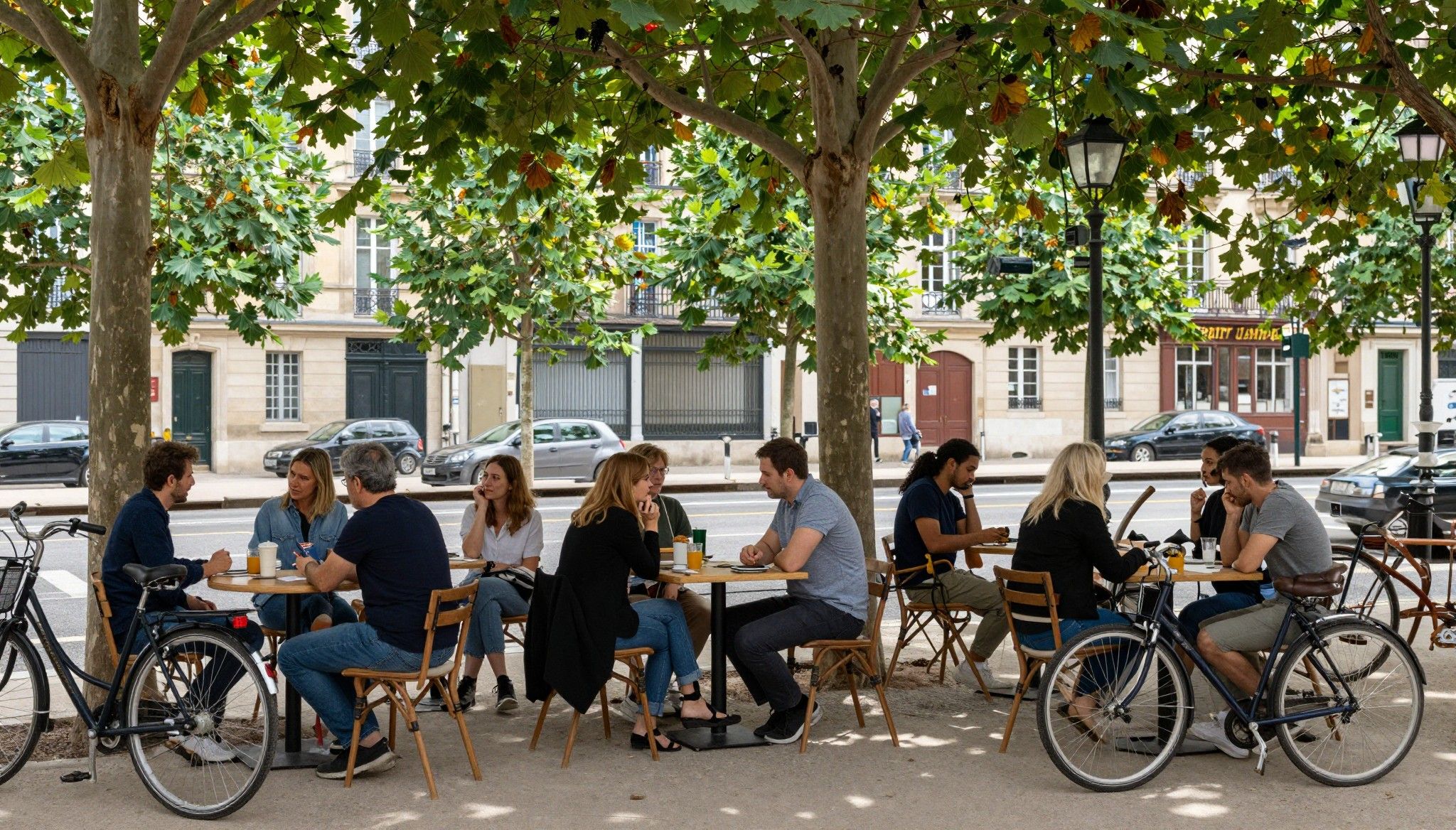
Daily life in Italy feels designed around neighbourhood rhythms: café conversations at 9am, mercato bargaining before noon, a slower afternoon, and lively aperitivo after work. Cities and regions carry distinct personalities—Milan’s efficient tram corridors, Bologna’s student-fuelled arcades, Amalfi Coast’s coastal cadence, and Puglia’s slow countryside. For an international buyer, those rhythms dictate what kind of property you choose and how it performs as a rental when you're away.
Neighbourhood spotlight: Trastevere, Navigli, and Brera
Trastevere (Rome) is late-night trattorias and stone alleys that rent well to short-stay visitors but present higher wear-and-tear management costs. Milan’s Brera balances art-house appeal with steady long-term tenant demand from professionals; expect higher price per m2 but more predictable corporate lets. Navigli offers canal-side charm and tourist seasonality that lifts Airbnb revenues in summer but reduces net yields after management fees—location choice equals different operational profiles.
Food, markets and seasonal life
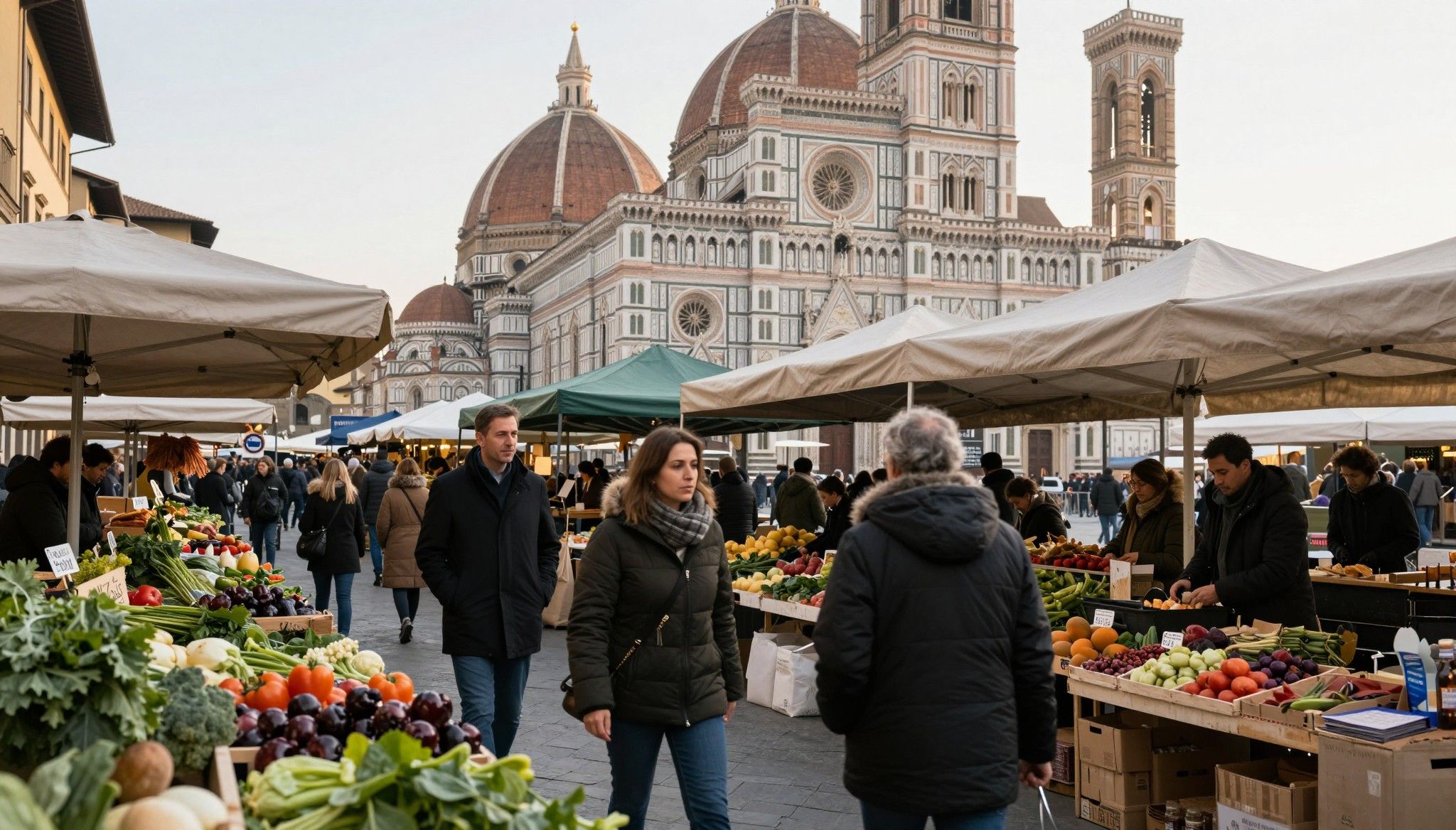
Markets shape neighbourhood life: Florence’s Mercato Centrale and Palermo’s Ballarò are social hubs that make nearby flats attractive to longer-term tenants seeking local routine. Seasonality matters—coastal towns like Positano or Cefalù spike in demand for short lets from May to September, while inland university towns remain stable year-round. For buyers, matching property type to seasonality is critical to avoid overpaying for an asset that underperforms outside peak months.
Making the move: practical considerations
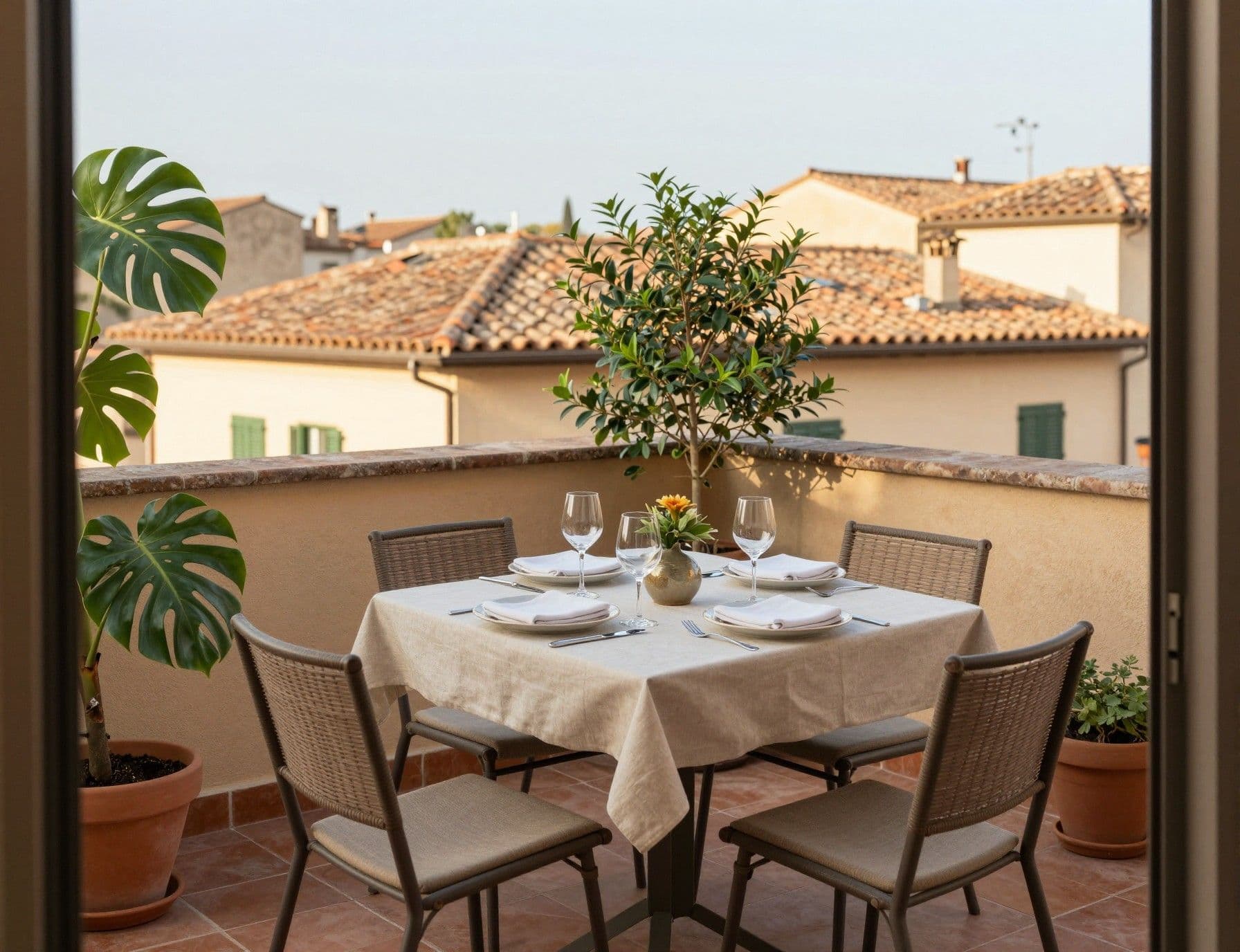
The romance of Italy meets a formal legal process: a preliminary offer (proposta), a private reservation, then a notary-drafted deed. The notaio validates title, checks mortgages and ensures tax registry alignment—useful because tax treatment hinges on declared use (primary residence vs. second home) and seller profile. Work with a bilingual lawyer and a notaio recommended by local agencies to avoid surprises at closing.
Property styles and what they mean for returns
Historic centre apartments (centro storico) often command premium per‑m2 due to scarcity and tourist demand, but they bring higher renovation costs and heritage restrictions. New builds at city edges deliver modern amenities and lower maintenance, appealing to professionals seeking long lets. For investors focusing on net yield, compare price per m2, expected annual rental income, and realistic renovation timelines—don’t let charm blind you to cap‑rate math.
Working with local experts who know both life and law
An agent who understands café culture can point to a street that fills with renters; a notaio or tax advisor decodes applicable registration taxes or VAT. Use multidisciplinary teams: agent for sourcing, surveyor for building condition, notaio for title, and a fiscalista (tax advisor) for IMU, TARI and income tax consequences. Transparent fee structures and sample P&L scenarios should be requested before you commit.
Insider knowledge reduces surprise costs. Non-residents face purchase taxes that vary by seller type (private vs builder) and may be excluded from “prima casa” benefits unless they change residency. Annual holding costs include IMU (municipal property tax), TARI (waste) and variable maintenance. Expect municipalities to set IMU rates between roughly 0.4%–1.06% of cadastral value depending on local policy and property classification—factor this into net yield calculations.
What expats wish they'd known
Many expats are surprised by the fixed fees at closing (notary, cadastral adjustments) and by how quickly municipal rules can change IMU rates or short‑let licensing. Language matters: a realtor’s fluent English is rare outside major cities. Expect delays in bureaucracy timelines—permits, utilities and cadastral regularisations can add weeks to possession. Budget explicitly for these time and money costs when modelling returns.
Cultural integration and daily social life
Integration happens through small rituals: your barista learning your name, joining the local mercato on Saturday, or volunteering at a sagra (local festival). Language learning accelerates access to better long‑term tenants and trusted tradespeople—both affect maintenance costs and cap‑rate sustainability. Community bonds in small towns can protect property values but also complicate renovations due to local planning sensitivities.
Long‑term lifestyle and asset durability
Italy rewards patient capital: well‑maintained properties in accessible neighbourhoods show steady demand. But asset durability depends on construction quality, seismic standards (important in parts of Italy), and energy class (APE) which influences running costs and tenant attraction. Consider energy upgrades both for regulatory compliance and to improve net yields through lower operating expenses.
Practical step-by-step checklist before offer
1) Request notaio-led title search and copy of cadastral plans; 2) Commission a structural survey and APE energy certificate; 3) Obtain a fiscal estimate from a local tax advisor for IMU, income tax and transaction taxes; 4) Require a detailed P&L scenario for plausible rental income and vacancy assumptions; 5) Stipulate escrow and clear timelines in the compromesso (preliminary contract).
Conclusion: live the piazza, own the spreadsheet
Italy’s appeal is visceral—food, light, and neighbourhood life—but successful purchases treat that appeal as an input into financial modelling. Pair sensory site visits (walk the street, visit the market) with rigorous due diligence: title checks, tax modelling, and conservative yield estimates. When lifestyle and spreadsheets align, Italy becomes both a place you love and an asset that performs.
Key tactical takeaways: - Price per m2 and realistic net yield projections must drive offer strategy. - Account for purchase taxes (2–9% range depending on conditions) and fixed notaio fees. - Model IMU at 0.4–1.06% of cadastral value for second homes unless municipal rates differ. - Prioritise energy certificate (APE) and seismic reports in southern and central regions. - Use local fiscalista + notaio before signing the compromesso.
Swedish financier who guided 150+ families to Spanish title deeds since relocating from Stockholm in 2012, focusing on legal and tax implications.