Why Italy’s 'Expensive' Label Misses the Connectivity Dividend
Italy’s price premium masks a connectivity dividend: properties near high‑speed rail, airports and steady demand corridors deliver stronger yields and lower vacancy risk.
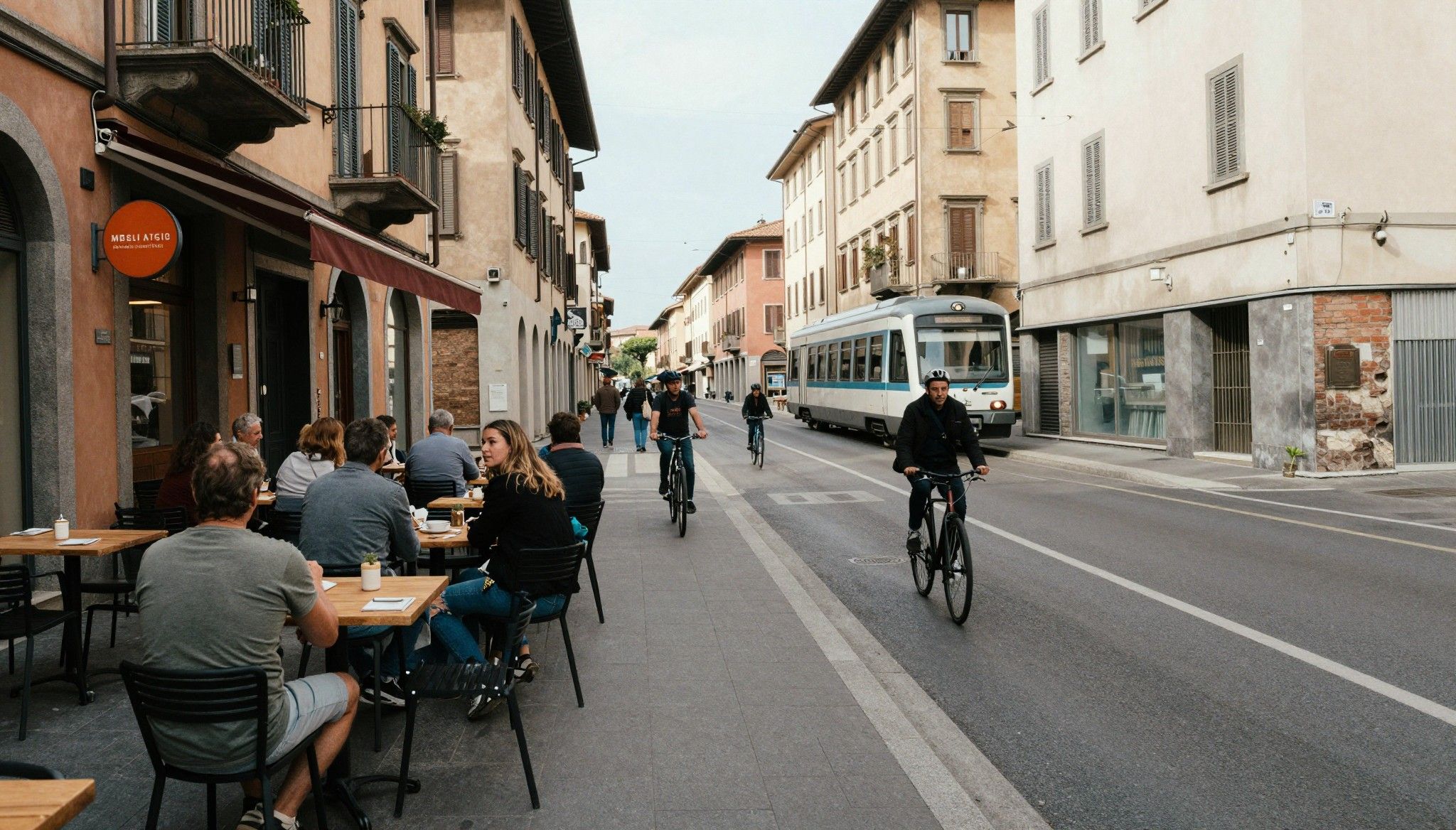
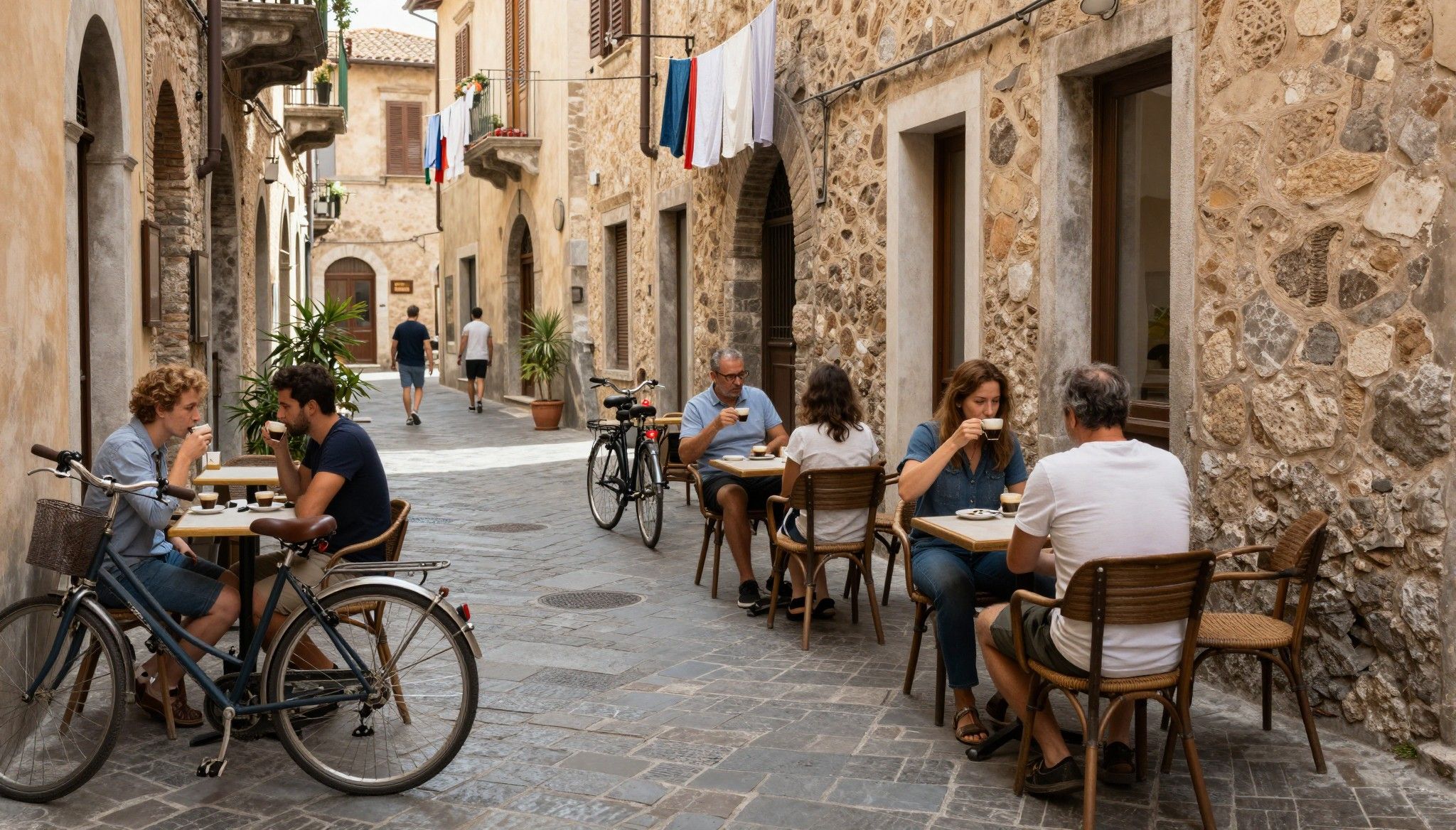
Imagine sipping a morning espresso on Via dei Coronari in Rome, tram bells in the distance, then hopping a regional train to a vineyard in Umbria by lunchtime. Italy compresses history, food and fast connections into daily life; what looks like a premium on listing prices often reflects deeply unequal transport, seasonality and rental demand profiles. For international buyers the question isn’t simply "is Italy expensive?" but "where does infrastructure turn that price into reliable income or an enduring lifestyle?". This piece traces that connectivity dividend — and the neighbourhood trade-offs behind it.
Living the Italy lifestyle — driven by place and transport
Daily life in Italy is spatially varied: compact historic cores hum with pedestrian rituals, coastal towns revolve around seasonal tourism, and northern transport hubs host steady commuter markets. The rhythm you want — aperitivo on a piazza, ferry access to a gulf, or a short commute to a university — maps directly to which transport nodes deliver year‑round demand. Understanding that mapping is more important than headline prices when assessing returns.
City centres vs. transport hubs: not the same premium
Historic city centres (Centro Storico in Rome, Florence’s Oltrarno) generate lifestyle premiums but also regulatory and seasonality constraints that cap yields. By contrast, neighbourhoods near high‑speed rail (like Bologna Centrale suburbs or Milan’s Porta Garibaldi corridor) combine strong long‑term rental demand with more modern stock and higher liquidity. For investors, proximity to fast rail often offers better risk-adjusted returns than the postcard centre.
Coastal towns: summer magic, off‑season math
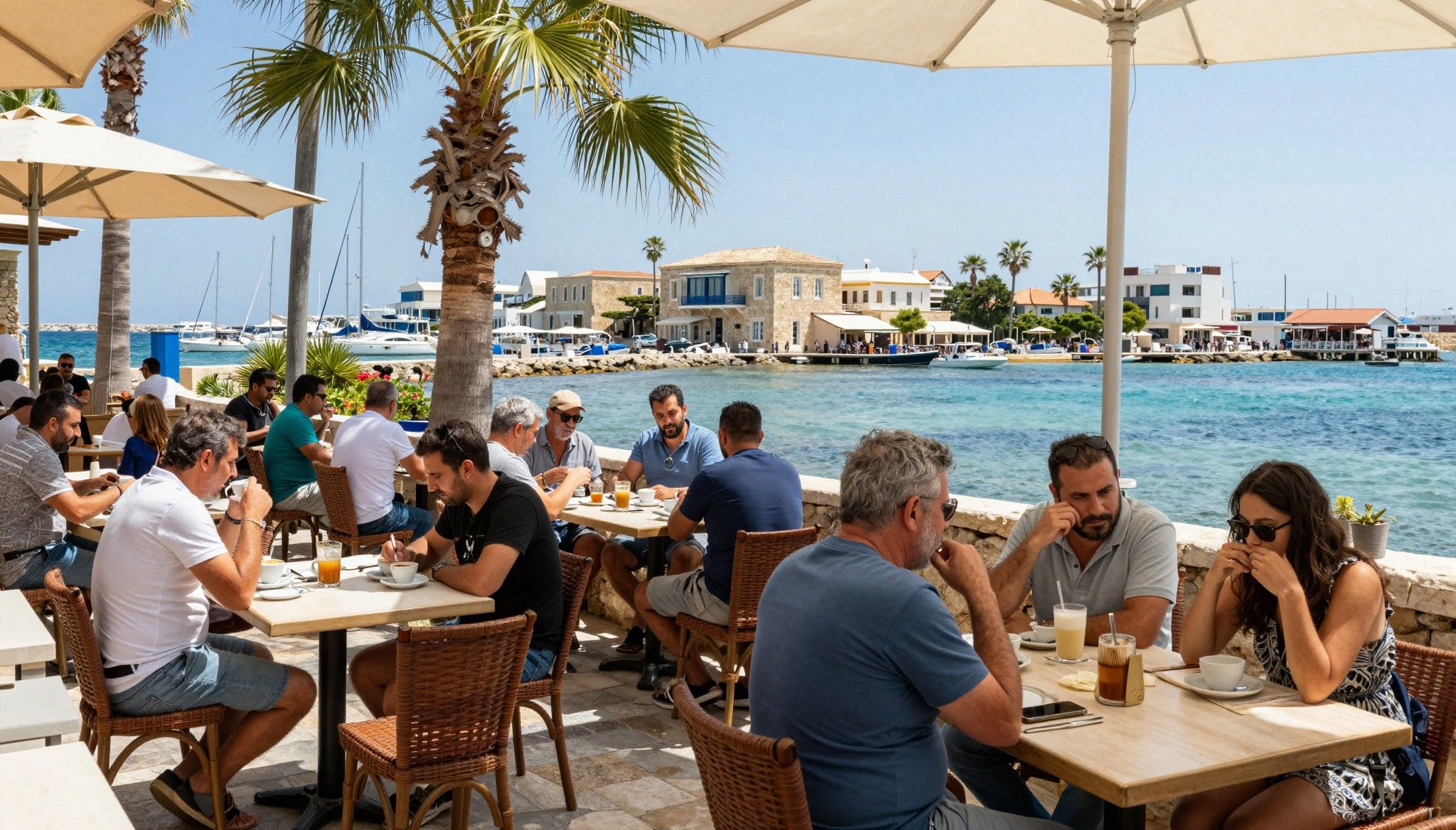
Places like Positano, Taormina and parts of Sardinia light up in summer but can fall quiet for much of the year; ISTAT shows tourism is a major demand driver, with nights spent rising in recent years. That spike benefits short‑term rental income but increases vacancy risk outside peak months. Buyers who prize lifestyle must weigh the seasonal upside against realistic occupancy and maintenance costs.
- Lifestyle highlights tied to infrastructure
- Rome Trastevere — tram access, dinner-on-foot culture, strong mid‑term rental demand
- Milan Navigli / Porta Garibaldi — high‑speed rail, professionals, steady year‑round rentals
- Bologna suburbs near the station — lower price per m², excellent connectivity to Florence and Milan
Making the move: where infrastructure changes the investment equation

If lifestyle vision opens the door, infrastructure explains whether the door stays open for tenants and buyers. The Bank of Italy’s housing market survey records price stability expectations in 2024 concentrated where transport links and employment density align. For international buyers, that means prioritising nodes — airports, high‑speed rail, ports and EPZs — that underpin steady demand beyond holiday seasons.
Property styles that match connected lifestyles
Studio and one‑bed apartments near stations and co‑working hubs suit digital nomads and short‑term lets; modern two‑bed developments near universities attract steady student demand; terraced historic flats command premiums for tourists but face rental regulation. Match the floor plan to the tenant profile that infrastructure supports, not just the view you love.
Working with local experts who know the mobility map
- Engage agencies with demonstrated local transport knowledge — they identify micro‑locations where new trams, station upgrades or bike lanes will increase rental demand and price resilience.
- Ask for recent comparable lettings within a 15‑minute public‑transport catchment, not just neighbourhood averages — tenants value transit time in minutes, not postal codes.
- Factor in last‑mile services: car‑sharing hubs, station bike parking and regional bus frequency materially influence monthly occupancy for mid‑price rentals.
- Negotiate purchase clauses tied to condition — properties near transit nodes often have higher wear; include cap‑ex allowances and clear service‑charge caps in offers.
Insider knowledge: expat truths, seasonal realities and hidden risks
Expat owners often romanticise piazza life but underestimate fiscal and operational frictions: local taxes, condominium governance and seasonal maintenance. ISTAT’s HPI shows modest national price growth in recent quarters, but that national average masks strong regional divergence driven by transport and tourism. Treat local anecdotes as signals, not decisions.
Cultural integration and the practicalities of day‑to‑day life
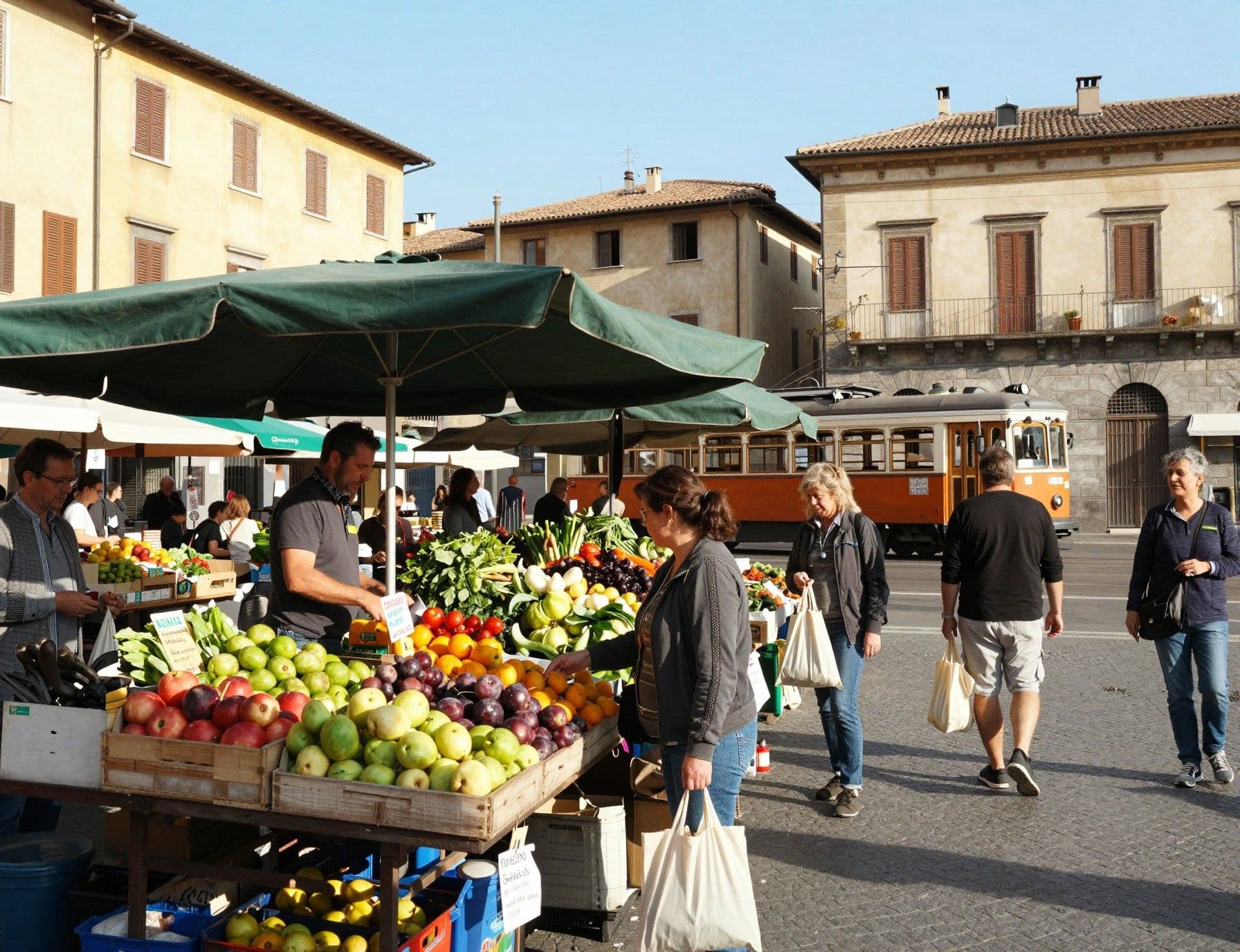
Language matters in transactions and tenancy management; a bilingual agent eases paperwork and local relationships. In many towns, weekly markets, bar rituals and municipal schedules shape tenant behaviour — late closures, August shutdowns and festival weekends affect occupancy and maintenance scheduling. Factor these into cash‑flow models.
Long‑term lifestyle: where connectivity signals future upside
Public investments in rail and airport upgrades — plus private relocation to secondary cities — create pockets of structural growth. Look for municipal plans that extend tramlines or rezone areas for tech clusters; these are multi‑year value catalysts that turn an apparent price premium into sustained capital growth.
- Red flags and practical checks
- Overreliance on summer income — run occupancy stress tests for off‑season months
- Ignoring last‑mile friction — a 20‑minute extra commute reduces tenant interest more than a 10% price drop
- Buying purely for romance in a regulated centro storico where short‑lets may face caps
Conclusion: buy the connection, not the postcard. Italy’s reputation for being "expensive" is a blunt average; a smarter approach segments the country by accessibility, seasonality and tenant type. Prioritise properties within fast‑rail catchments, near year‑round employment or consistent tourism flows, and work with advisors who quantify transport‑driven demand. Do that and the so‑called premium becomes a measurable connectivity dividend.
Norwegian market analyst who relocated from Oslo to Mallorca in 2016, guiding Northern buyers through regulatory risk, currency hedging, and rentability.