Cyprus Yield Playbook: Sea Views vs. Solid Returns
Cyprus combines coastal lifestyle with measurable rental demand; model yields with tourism and RPPI data to separate premium prices from genuine income opportunities.

Imagine walking from a sun-warmed café on Limassol’s Molos promenade to a compact seafront apartment you can rent to holiday visitors for much of the year. The citrus-scented mornings, tavernas filling by dusk and a reliable tourist calendar make Cyprus feel like an extended summer — and that rhythm directly shapes local property economics.
Living the Cyprus lifestyle: how place fuels returns
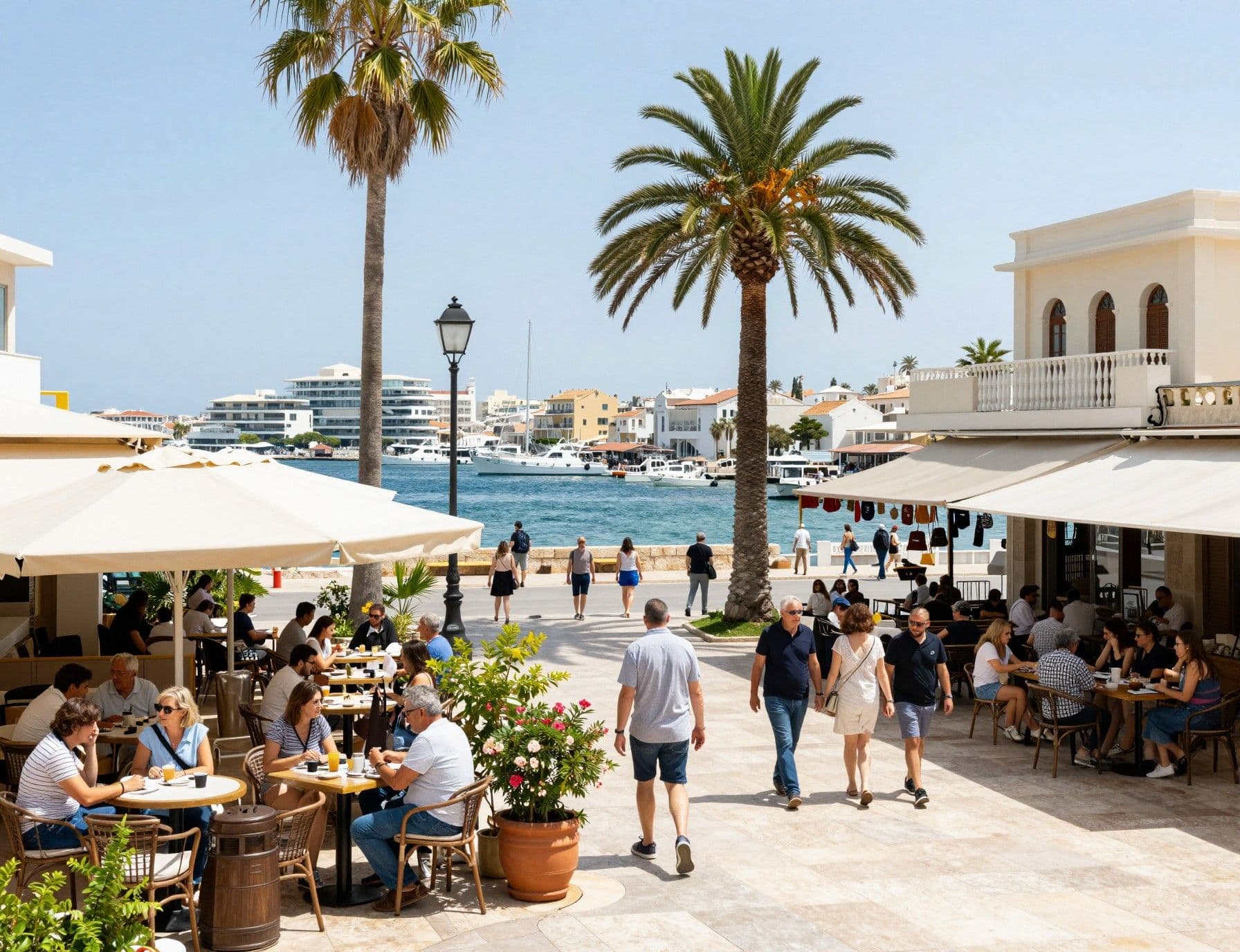
Cyprus’s year-round tourism and Mediterranean climate create predictable demand peaks and long shoulder seasons. Visitor arrivals topped four million in 2024, supporting holiday-rental demand across Limassol, Paphos and Larnaca. That steady inflow underpins higher short-term rental occupancies — an input investors must quantify when modelling gross yields.
Seaside energy: Limassol and Paphos
Limassol feels cosmopolitan: yachts, new office towers and a compact historic quarter. Rents here skew higher per square metre, but prices often carry a premium. Paphos, by contrast, trades at lower per‑m2 prices and attracts steady holiday rentals and long‑stay retirees — a combination that can lift gross yields compared with Limassol if you target the right micro‑neighbourhoods.
Inland and island life: Nicosia, Larnaca, Troodos villages
Nicosia is Cyprus’s administrative and employment centre — think year‑round rental demand from local professionals and students. Larnaca combines airport connectivity with a quieter coast, useful for long‑let portfolios. And don’t overlook mountain villages around Troodos: lower entry prices, slower appreciation but a niche short‑season market for local escapes and ecotourism stays.
- Lifestyle highlights that affect demand: Limassol’s Molos promenade; Paphos harbour; Larnaca’s Finikoudes strip; Nicosia’s old town cafes; Agros village markets in Troodos; local festivals (Kataklysmos, wine festivals).
Making the move: price, yield and realistic expectations

Start by separating headline price growth from location‑specific yield mechanics. National indices show residential prices rising into 2024 but with signs of deceleration in late 2024; that means capital appreciation assumptions should be conservative when underwriting. Combine national trend data with micro‑market rent evidence to estimate net yields that survive vacancy and management costs.
Property types and what they deliver
Apartments near the coast typically offer higher gross rental yields driven by short-term demand; maisonettes and houses inland can produce steadier long‑let returns but lower gross yields. According to market compendia, typical gross yields vary but apartments often outperform detached houses on a % basis — a structural reality investors should capture in cash‑flow models.
Work with agents who translate lifestyle into metrics
- 1. Ask agents for historical occupancy rates, not just seasonal anecdotes. 2. Request actual recent comparable rents and void periods for the same building. 3. Insist on a total cost worksheet: management, utilities, insurance and local taxes. 4. Fit mortgage stress tests to 6–12 month vacancy scenarios before committing.
Insider knowledge: myths, seasonal timing and hidden costs
Myth: "Coastal always means better returns." Reality: coastal locations produce higher gross rents but often carry higher purchase premiums and seasonal vacancy risk. Use tourism and airport arrival data to size peak months, then model off‑peak revenue. Also factor local regulations and strata rules that can cap holiday‑let options in some developments.
What expats wish they'd known
Expat landlords often underestimate ongoing management frictions: language barriers for tenant disputes, delays in maintenance parts and seasonal dips in local service availability. Budget an extra 1–1.5% of property value per year for reactive maintenance and ensure your property manager provides multilingual tenant support.
Long‑term lifestyle and portfolio considerations
- 1) Treat Cyprus as a mix: capital appreciation markets (Limassol) plus income plays (Paphos, parts of Larnaca). 2) Diversify across property types and rental strategies to smooth seasonality. 3) Use conservative vacancy assumptions (20–30% for short‑let heavy assets outside peak months).
Conclusion: Cyprus rewards buyers who map lifestyle appeal to hard metrics. If you love the Molos morning routine or a Troodos weekend escape, translate that affection into yield scenarios: realistic rents, realistic vacancies and a clear cost plan. Work with agents who provide data — occupancy histories, comparable rents and long‑run price indices — and you’ll buy not just a view, but an income that holds up when summer ends.
Norwegian market analyst who relocated from Oslo to Mallorca in 2016, guiding Northern buyers through regulatory risk, currency hedging, and rentability.