France: Where Daily Life Shapes Market Returns
France’s everyday charms buy different investment outcomes across cities; pair INSEE and Notaires data with neighbourhood-level lifestyle signals to protect yield.
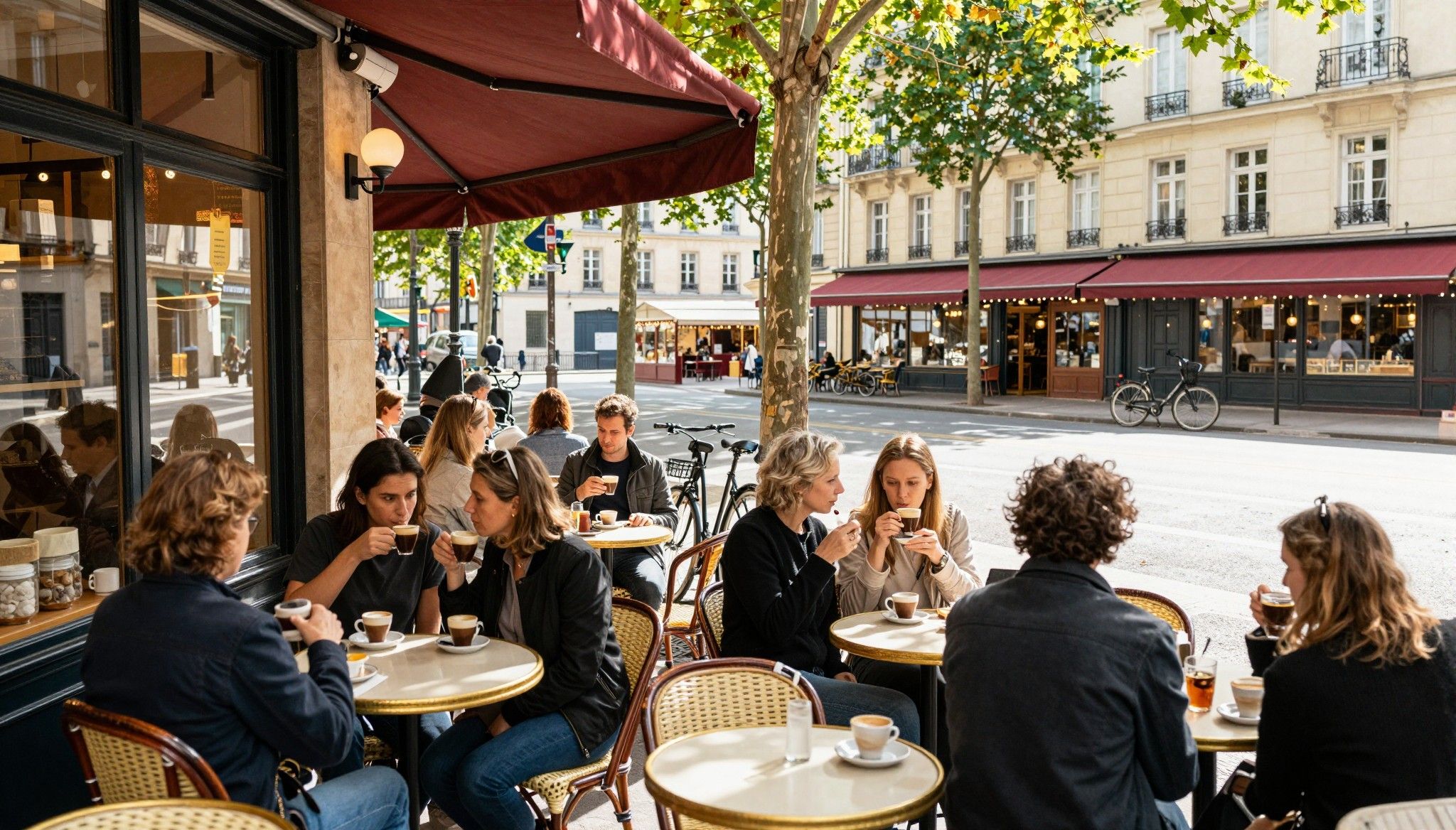
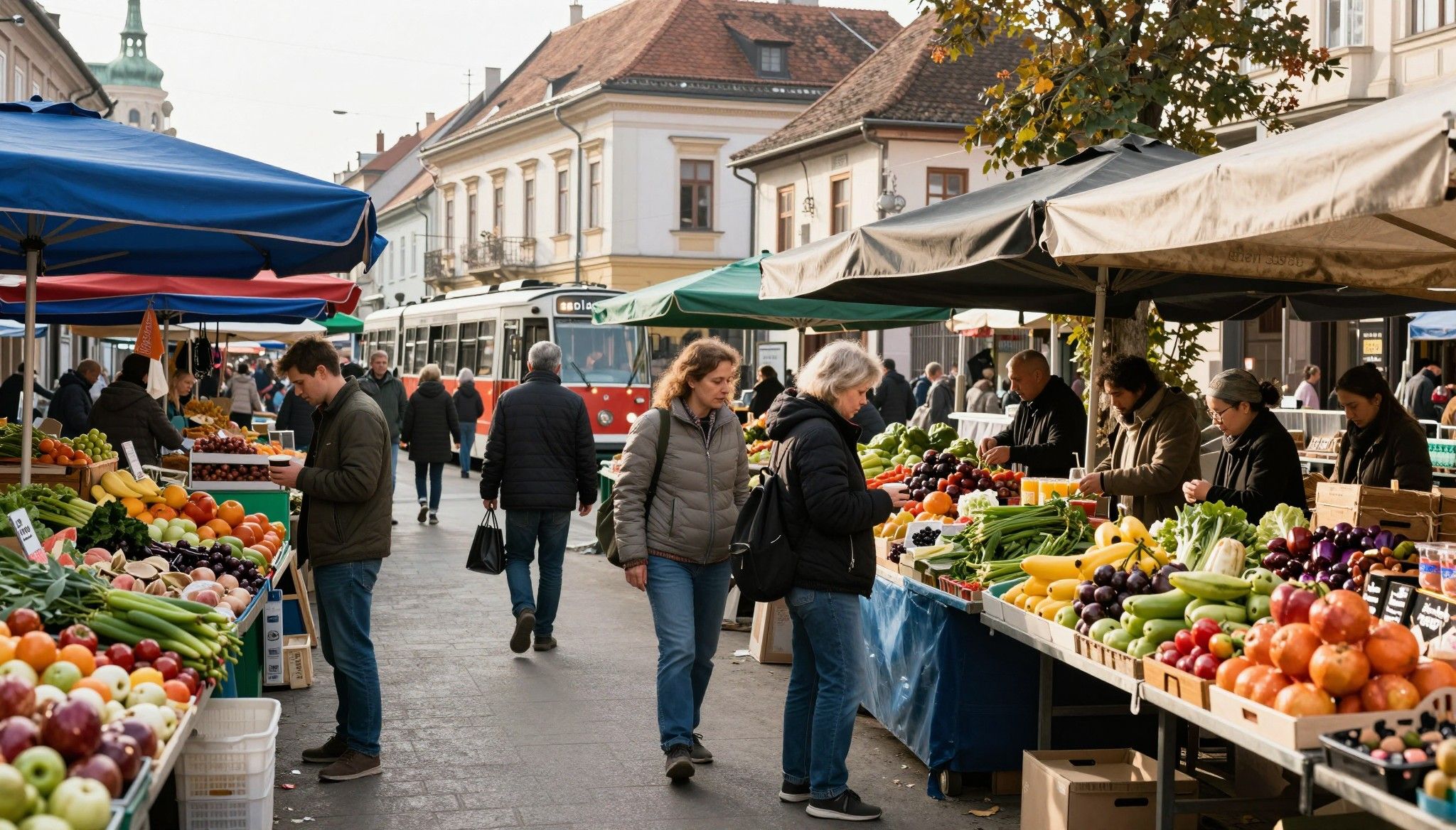
Imagine a Saturday morning in Lyon: market stalls spilling herbs and chèvre onto cobbled streets, a boulanger balancing baguettes for commuters, and terraces full of people reading papers. That sensory domesticity — food, ritual, neighborhood — is the emotional fuel for buying in France. But emotion without data is risk; recent INSEE data and notarial reports show the French market is rebalancing after a volatile two years, which changes where lifestyle aligns with investment outcomes. If you love the rhythm of daily markets and café culture, this guide shows where that lifestyle still buys sensible yield, and where it costs you.
Living the France lifestyle: more than postcards
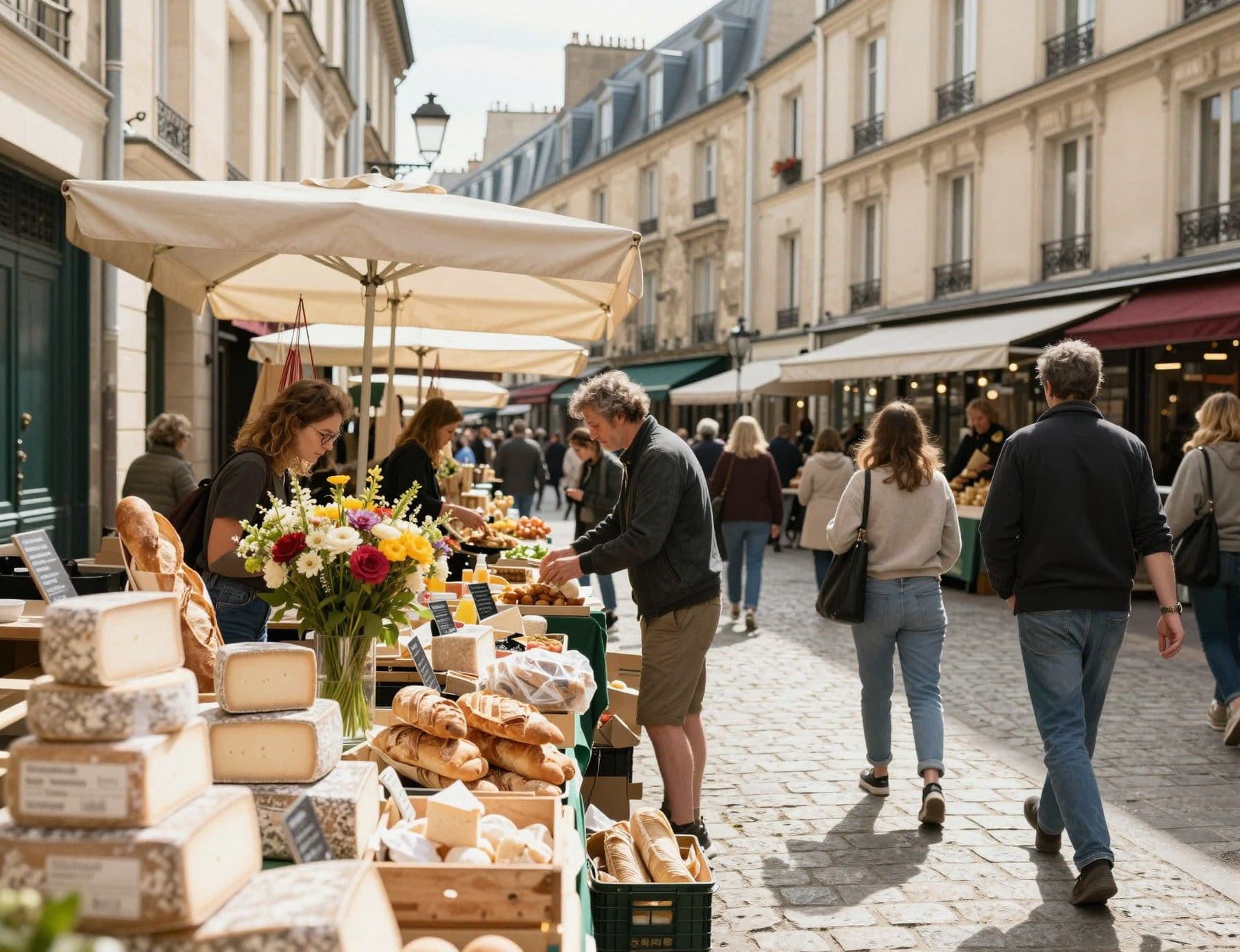
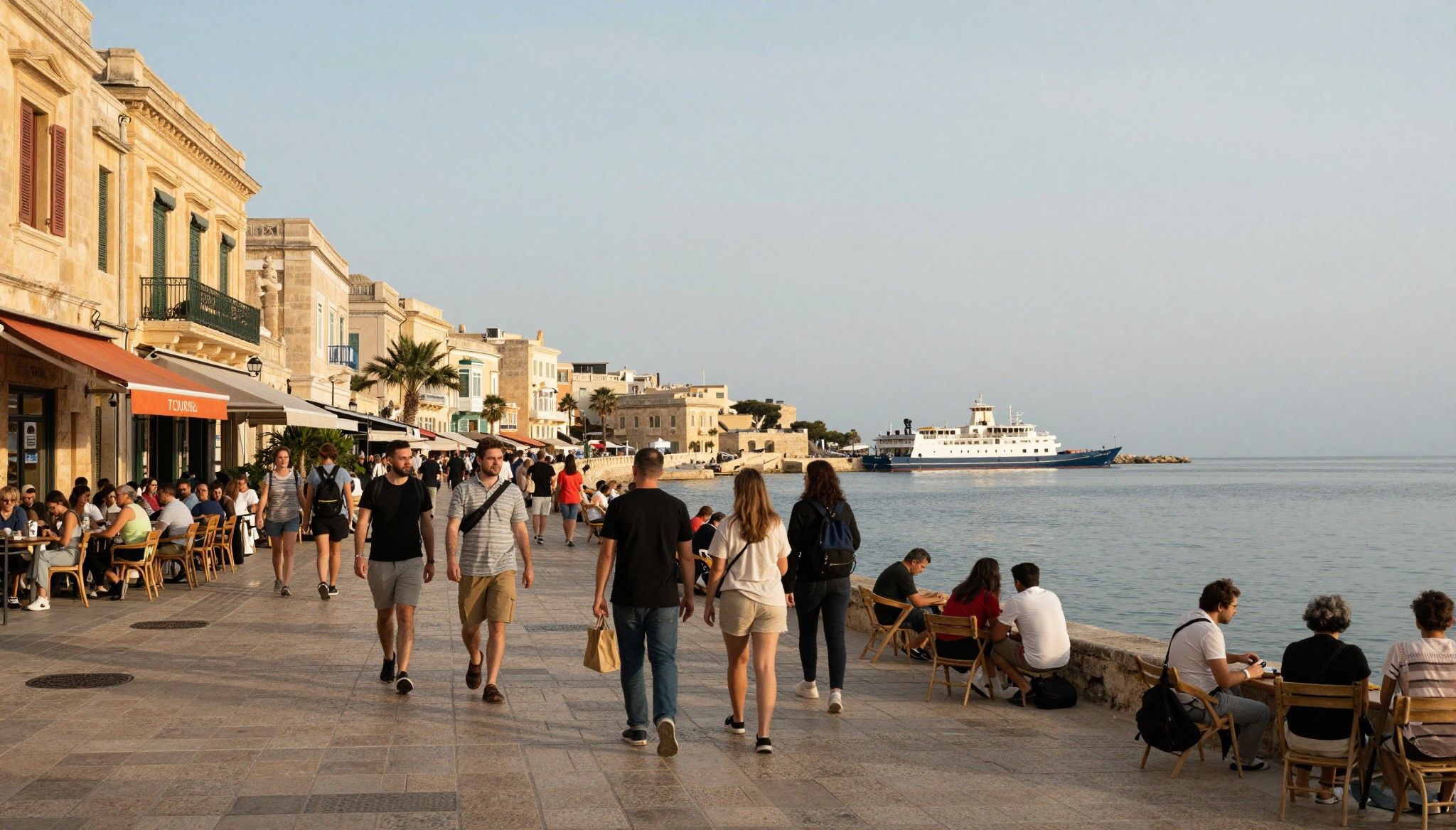
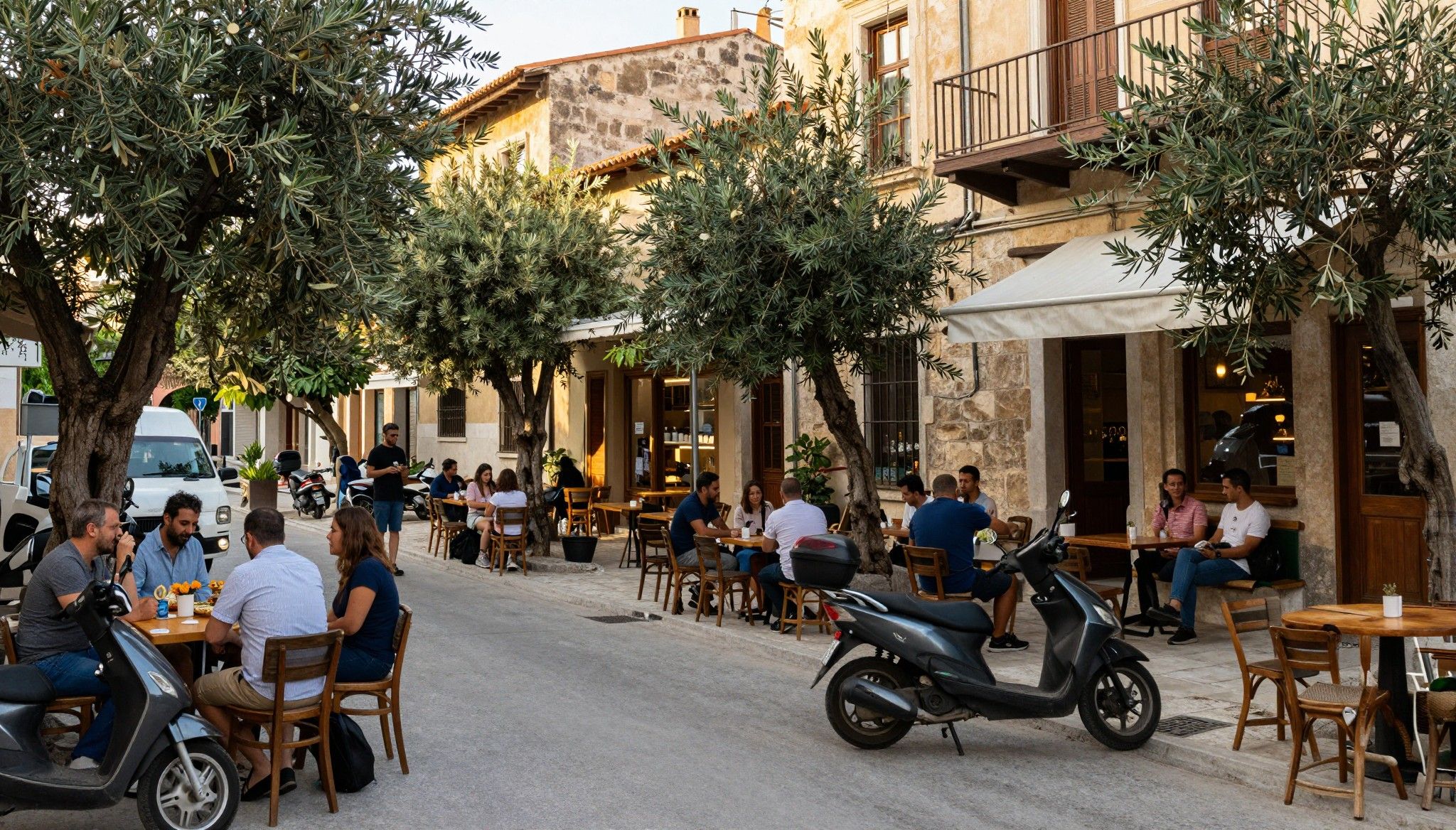
France is not one uniform dream; it’s a set of daily rituals that vary by street. In Paris you wake to espresso and morning markets; on the Côte d’Azur mornings mean sea air and yacht silhouettes; in Bordeaux the day begins with a bakery queue and ends in a riverside bar. These routines shape what buyers want: compact well-served apartments near transit in big cities, terraces and storage for cars in provincial towns, and villas with year-round insulation near coasts where seasonality used to dominate. Understanding how habits map to property features matters for returns: lifestyle demand equals rental demand when the match is precise.
Neighborhood spotlight: Le Marais, Montpellier, Vieux Nice
Le Marais (Paris) sells immediate urban life — narrow streets, museums, and cafés — and commands a price-per-m² premium that offsets higher vacancy risk for short-term lets under regulation. Montpellier combines student density, tech growth and lower entry prices, making it a high-occupancy rental market for young professionals. Vieux Nice offers coastal living with strong seasonal tourism but steady long-term demand from French second-home buyers; that mix produces mid-range gross yields but strong capital resilience. Each micro-market performs differently across seasons, so neighbourhood choice must match investor horizon and rental model.
Food, markets and everyday life that matter to tenants
- Bastille market (Paris) — weekend draw for renters seeking lifestyle; Marché Forville (Cannes) — anchor for Riviera rentals; Les Halles (Lyon) — local food culture that keeps longer-term tenancies; Rue Sainte (Montpellier) cafés — student-centric rental demand.
Lifestyle highlights that inform investment choices include weekday footfall near transport, proximity to fresh markets (which tenants value), and the density of small businesses that sustain year-round rental demand. These are the subtle amenities data often misses but that shape occupancy and tenant quality. Below are quick lifestyle factors to check during viewings — not Pinterest features, but practical signals of consistent demand.
Making the move: practical considerations that protect returns
Start with market reality: Notaires de France and INSEE show that after price softness in 2023–24, many regions resumed modest growth by 2025, while Île‑de‑France lagged. That means entry timing matters by region; some provincial cities now offer better near-term upside while Paris shows slower capital appreciation but tighter rental markets. Use recent, localised price-per-m² data rather than national headlines to estimate cap rates and break‑even holding periods.
Property styles and what they deliver
Studio apartments in central cities offer the highest gross yields but greater management churn; family apartments near schools deliver steadier longer-term tenancies. New-build (neuf) benefits from warranties and energy standards but commands higher purchase prices and may compress yields; ancien (older stock) often needs renovation yet opens scope for value-add. Match property type to tenant archetype: students, corporate assignees, holiday renters, or local families — each drives different turnover, wear-and-tear costs and net yields.
- How to blend lifestyle and practicality in purchase decisions
- 1) Verify local demand: check municipal vacancy and job trends; 2) Model net yield using conservative occupancy (eg. 80%) and current local rents; 3) Factor in management, insurance, and co‑pro charges; 4) Stress test for 12–24 month soft patches in tourist towns; 5) Confirm regulatory limits on short‑lets in the city you’re buying; 6) Budget for energy retrofits if property is pre‑2000.
Insider knowledge: cultural and regulatory quirks international buyers miss
French law, municipal ordinances and local practices can change the commercial case overnight. Paris and several large cities operate rent regulation frameworks that cap initial rents in many segments, which reduces upside for short‑term buy-to-let strategies. Local councils are also experimenting with policies to discourage vacancy in large cities — a potential cost or an opportunity depending on timing. Always check the latest municipal decrees before you commit.
Cultural integration: what tenants actually want
Tenants in France prize practical comforts: robust heating (especially in older buildings), good insulation, nearby bakeries and transport, and storage for bicycles or cars. Many international buyers over-invest in aesthetic finishes and under-invest in essentials like reliable hot water and high-quality double glazing. Local agents who show properties from a tenant-demand perspective will save you money and improve occupancy.
Expat tips and red flags
- Ask for recent syndic (co‑op) minutes to spot maintenance levies; verify historic energy class (DPE) since poor ratings reduce tenant pool; insist on a local inventory (état des lieux) procedure in the lease; be cautious where tourist density exceeds year‑round demand; and confirm property tax and taxe d’habitation expectations with a local notaire.
Long-term lifestyle considerations matter for resale and rental resilience. Regions with diversified employment (Toulouse aerospace, Nantes tech, Lyon professional services) produce more stable demand than pure-tourism towns. Think 5–10 year horizons for capital growth and always overlay lifestyle desire with local economic indicators to avoid paying a 'hedonic premium' that delivers little in returns.
Working with local experts who balance heart and head
Use agencies that provide both lifestyle scouting and analytical diligence: neighbourhood comparables, realistic rent schedules, and co‑pro documentation review. Ask for three-year rent roll scenarios and a sensitivity analysis showing occupancy, maintenance and tax variables. Prefer agencies that include local notaire contacts and property managers in their proposal so you see the full operating picture, not just staged interiors.
Conclusion: marry the daily life you crave with defensible investment math
France offers world-class daily life — markets, cafés, coastlines and culture — alongside a complex but navigable regulatory and market environment. Use localised price and rental data (INSEE, Notaires de France), stress-test your yield assumptions, and let lifestyle preferences guide neighbourhood choice rather than postcards. If you pair sensory research (walk streets, taste market food) with disciplined financial modelling, you can own a home that pays its way and enriches your everyday life.
Danish relocation specialist who moved to Cyprus in 2018, helping Nordic clients diversify with rental yields and residency considerations.