How Malta’s Connectivity Plan Reprices Neighbourhood Value
Malta’s small scale and new transport projects reprice neighbourhoods—buy near confirmed nodes, prioritise usable sqm and model yields conservatively.
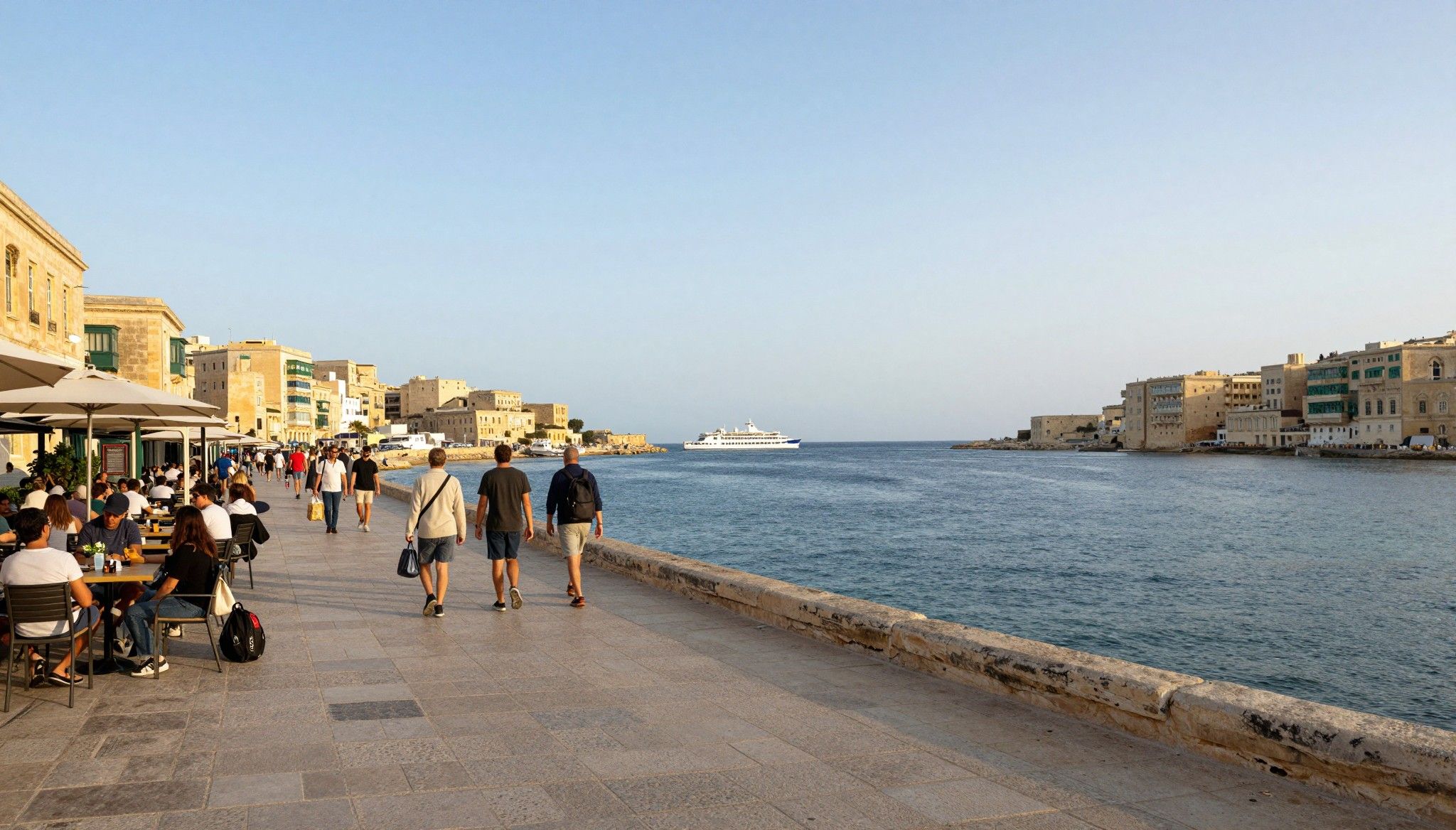
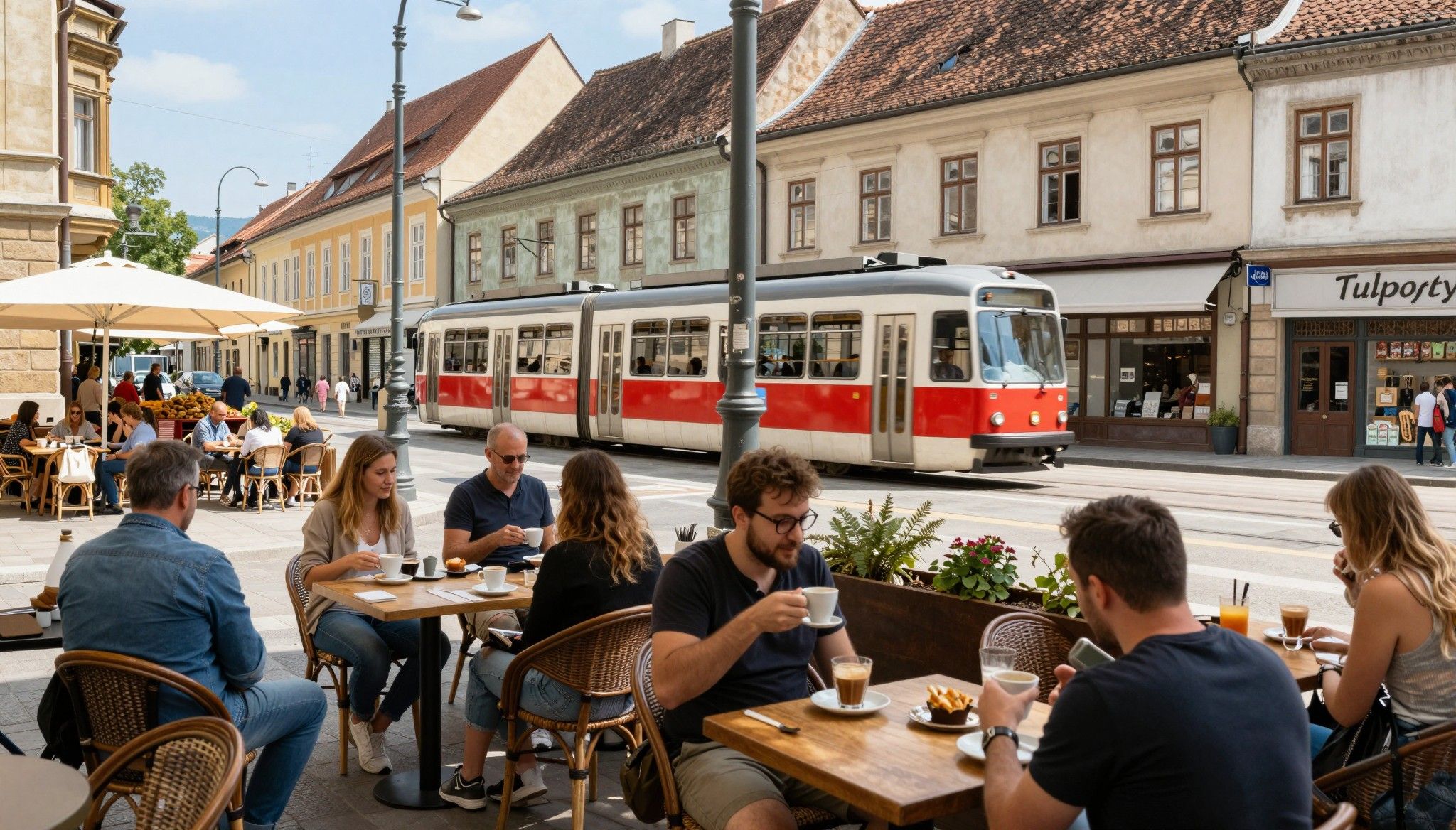
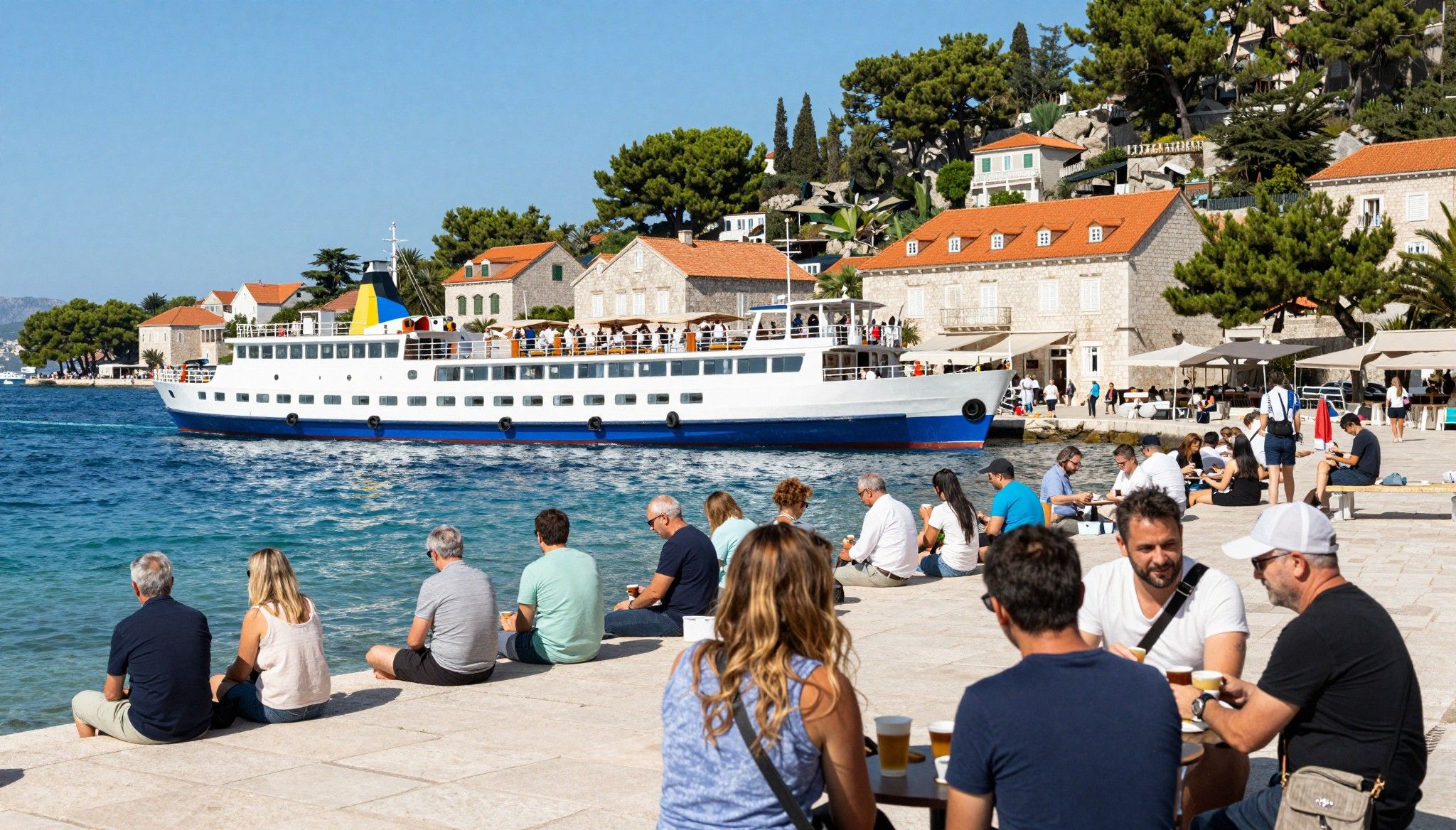
Imagine sipping an espresso at Café Cordina as trams of sunlight cut across Republic Street, then boarding a fast ferry to Gozo for the weekend. Malta is compact—you can cross the main island in under an hour—and that density shapes both daily life and property math. For international buyers the appeal is obvious: English as an official language, a Mediterranean climate, and neighborhoods from Valletta’s limestone grandeur to Sliema’s seafront terraces. But connectivity upgrades now in motion—ferries, bus redesigns and a proposed rapid transit spine—are the variable that re-prices where you should buy.
Living the Malta lifestyle

Life in Malta moves between historic urban rituals and seaside routines. Mornings mean bakeries in Valletta and coffee on Sliema’s seafront promenade. Evenings collect in neighbourhood piazzas — Gzira’s waterfront, St Julian’s Balluta Bay — where expats, students and locals mix. The island’s small scale compresses amenities: international schools, private clinics and boutique grocery stores rarely sit more than 30 minutes apart by car. That intimacy matters for buyers: short commutes and strong local services support year-round rental demand, not only the summer tourist spike.
Valletta, Sliema and St Julian’s — how each feels
Valletta delivers history: narrow streets, baroque facades and cultural institutions that attract short-stay visitors and long-term tenants who value location. Sliema trades that history for seafront apartments, cafes and higher footfall; it’s where commuting professionals and international renters cluster. St Julian’s, especially the Paceville corridor, skews nightlife and serviced apartments — high seasonal rental potential but noisier for permanent residents. These micro-differences drive both price per square metre and the type of tenant you’ll attract.
Food, markets and weekend rhythms
Weekends are for markets and bays: Marsaxlokk fish market, morning swims at Mellieħa Bay, or a countryside hike around Dingli Cliffs. The island’s food scene mixes Maltese tavernas (try pastizzi and ħobż biż-żejt) with an increasing number of international cafés and small fine‑dining spots in Valletta. That variety broadens the tenant pool—families, remote workers and seasonal tourists—so lifestyle choices directly affect rental strategy.
Valletta: cafés, museums, short‑stay demand
Sliema & Gzira: seafront promenades, expat rentals, daily retail
St Julian’s & Paceville: serviced apartments, seasonal yields, nightlife
Mellieħa & Gozo (Mġarr): family-friendly beaches, slower appreciation but stronger long-stay tenancy
Making the move: practical considerations

Turning the Malta daydream into a purchase means translating lifestyle into measurable variables: price per square metre, gross/net yield, vacancy risk and transport access. Recent government and industry reporting shows continued price growth and tight supply—factors that compress yields but support capital appreciation. Connectivity improvements announced in the National Transport Master Plan and subsequent 15‑year proposals materially change commute times and tenant catchments; buyers should price those changes into five‑ to ten‑year return models. (Sources cited below.)
How infrastructure will reprice neighbourhoods
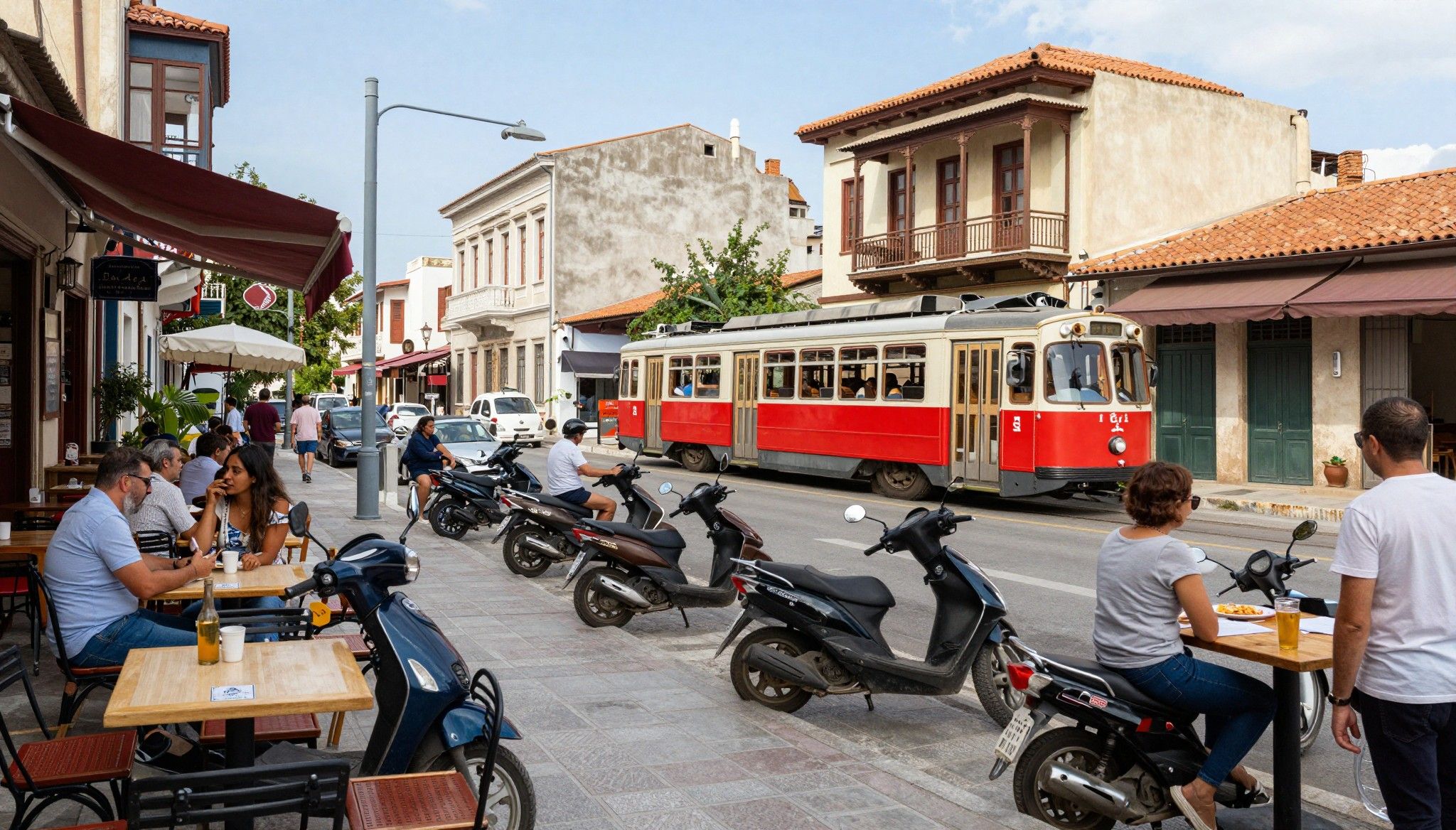
The Transport Master Plan and the government’s recent transport announcements target modal integration: faster ferries, bus network redesign, and a proposed rapid transit/mass‑transit spine linking the airport, university, hospital and Valletta. For buyers this creates asymmetric opportunities: neighbourhoods near planned interchange nodes (for example Mater Dei–University corridors, or new ferry links to the south) will see accessibility premiums before the rest of the island. Factor in a 3–7% uplift potential near confirmed hubs within 3–5 years, based on comparable modal upgrades in similar European markets.
Property styles & what they mean for living
Malta’s stock is a mix: converted townhouses in Valletta, modern blocks in Sliema and Gzira, and detached villas on the periphery. For long‑stay rental income, 1–2 bed apartments near transport nodes outperform isolated villas in gross yield terms because of lower vacancy and broader tenant appeal. For lifestyle buyers who also want capital growth, prioritize compact apartments within walking distance of services and planned transit stops.
Working with local experts who know the infrastructure plan
1. Ask your agent for map‑level overlay of planned transport nodes and proposed bus/ferry routes. 2. Request historical rent and vacancy data for the building and immediate 500–metre catchment. 3. Insist on a floorplan analysis showing usable square metres (price per usable sqm matters more than gross sqm). 4. Model a three‑scenario projection (base, transit‑delivered, delayed) for five‑year net yield and exit price.
Insider knowledge: what expats wish they’d known
Expats often discover that Malta’s lifestyle advantages come with operational realities: summer tourists boost short‑stay revenue but also bring noise and wear; small island logistics raise renovation timelines and costs. Rental yields sit in the low single digits compared with wider Europe, so many investors rely on capital growth and low vacancy rather than headline income yields. That trade‑off is acceptable if you buy where connectivity and local services underpin steady demand.
Cultural integration and daily life
English is widely used in administration and business, which eases banking, leasing and property management. Social life mixes neighbourhood festa traditions, seaside weekends and a growing international scene in St Julian’s and Sliema. For families, proximity to international schools (e.g., Verdala, St Martin’s) and healthcare shapes neighbourhood choice more than view or prestige.
Long‑term lifestyle and growth considerations
Over a 10‑year horizon, expect mobility upgrades to reshape catchments more than single‑building renovations. Buyers who align purchase location with confirmed infrastructure projects (not rumours) will lower vacancy risk and increase tenant variety. Work with a local property manager and a planning‑savvy agent to monitor public consultations and project timelines—small islands move fast politically, but physically slow on delivery.
Red flags: what to watch for before you sign
Unconfirmed infrastructure promises—ask for planning approvals and timelines
Disproportionate service charges in older converted buildings
Shrinking unit sizes driving price per sqm—compare usable sqm, not advertised sqm
1. Verify transaction history with National Statistics Office indices and recent market reports. 2. Commission a local surveyor for structural and usable‑sqm verification. 3. Ask the seller for a three‑year expense and rent roll.
Conclusion: Malta sells a compact Mediterranean life where transport improvements are the next catalyst. Buy near confirmed transport nodes, prioritise usable square metres, and model returns using conservative yield assumptions. If lifestyle is the primary pull, choose a neighbourhood that fits daily routines—Valletta for culture, Sliema for seafront life, Gozo for slow‑paced family living—and then apply the same investment discipline you’d use elsewhere: verified data, scenario modelling and local expertise.
Dutch investment strategist who built a practice assisting 200+ Dutch clients find Spanish assets, with emphasis on cap rates and due diligence.