Greece: Lifestyle Wins That Reprice Investment Math
Greece’s lifestyle lifts the heart — but VAT rules, a ~3% transfer tax route, ENFIA and seasonality change acquisition math; model after‑tax yields carefully.
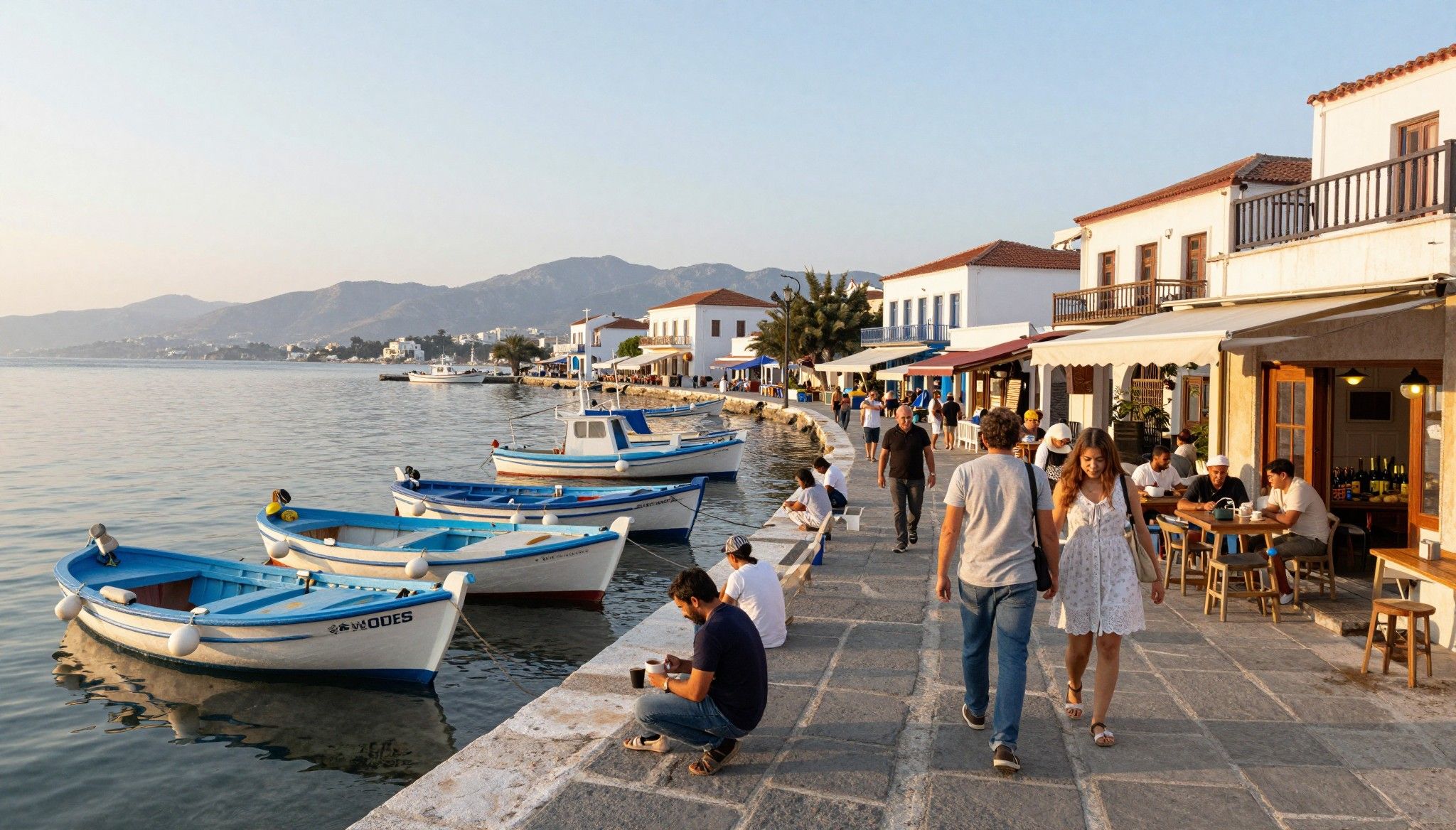
Imagine walking from a sunlit kafeneio on Plaka down to a small apartment with a balcony that looks over orange-tile roofs and the Acropolis. The rhythm of Greece is immediate: espresso at 9am, a chatter of markets, an afternoon siesta in coastal towns, late dinners salted with sea air. For international buyers that sensory appeal collides with a regulatory reality — taxation, transfer rules, and residency pathways — that materially affects returns. This piece starts with why Greece feels irresistible and then gives clear, evidence-backed points that change how you should calculate total cost of ownership.
Living the Greece lifestyle
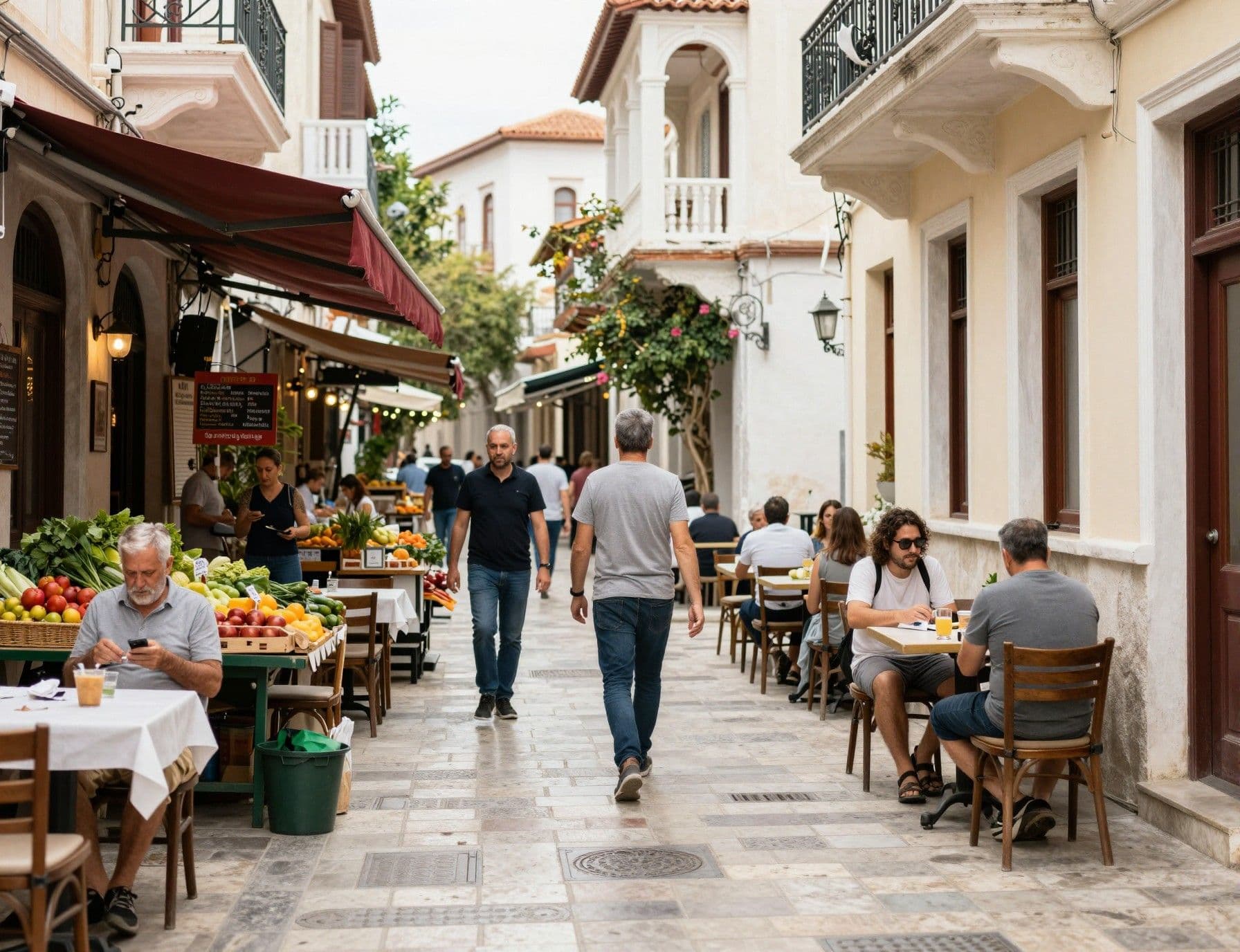
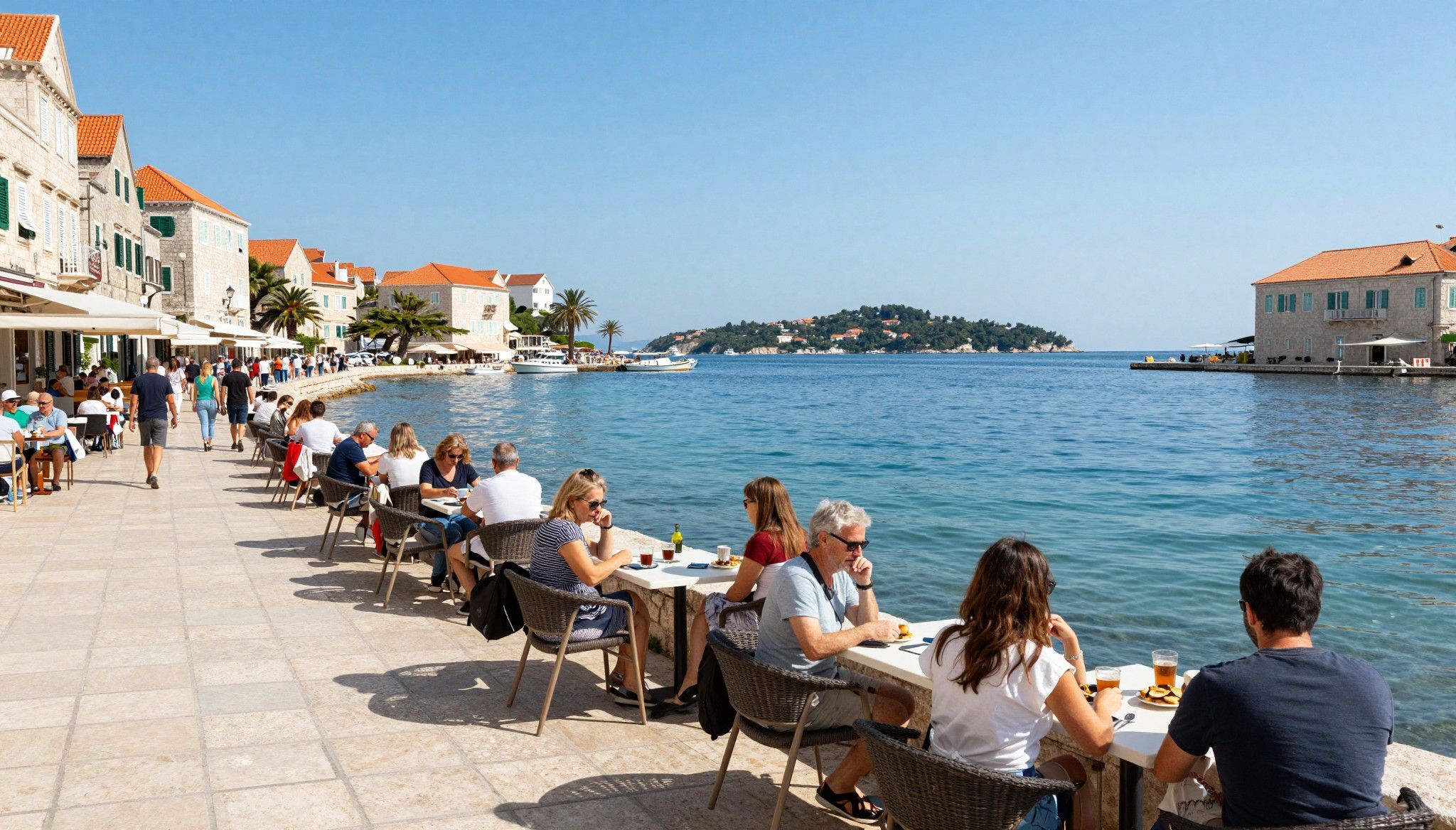
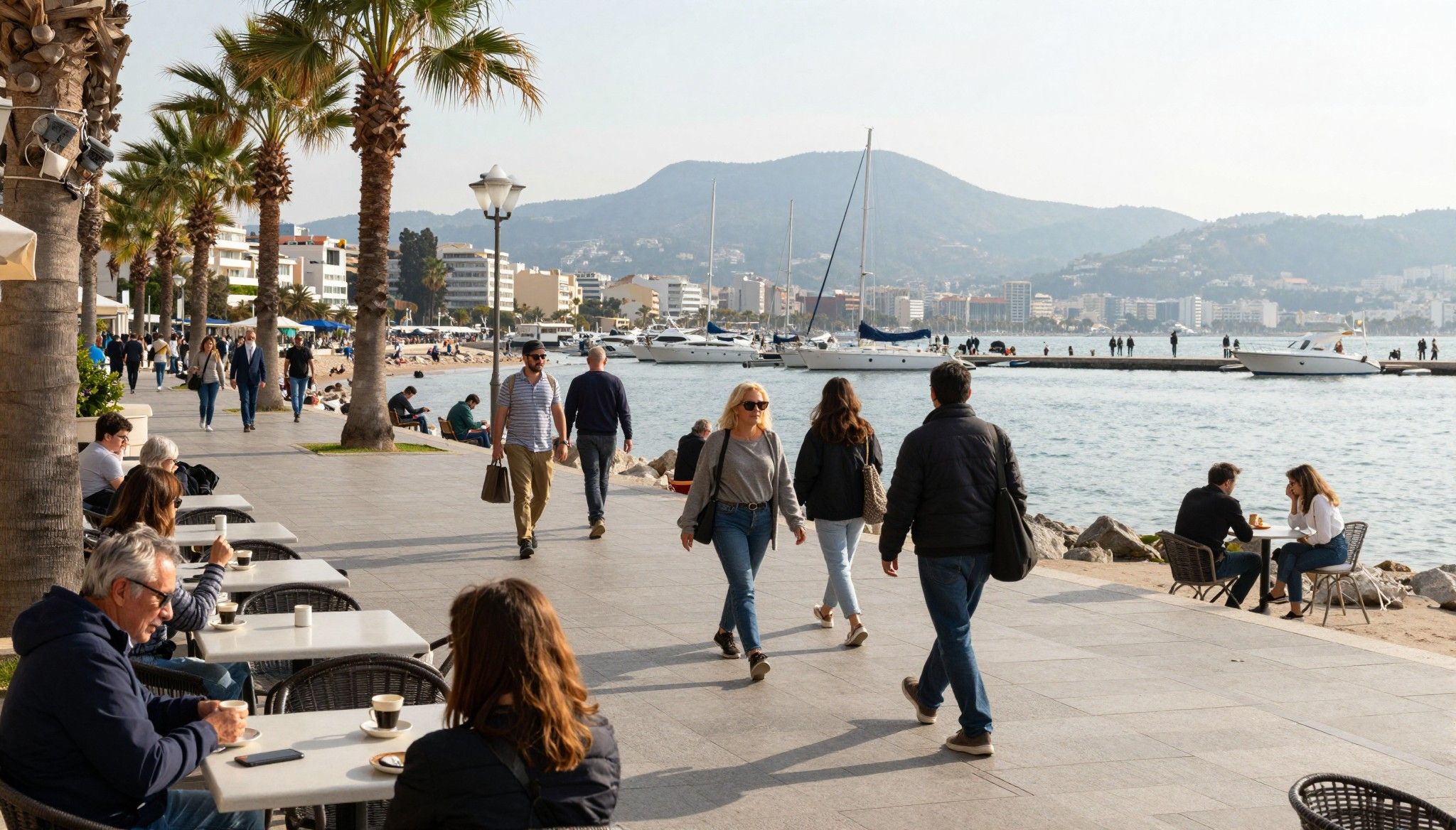
Daily life in Greece blends public sociability and easy outdoors living. In Athens, neighbourhoods like Koukaki and Exarcheia trade between historic lanes and new coffee shops; on the islands, places such as Chora (Naxos) or Hora (Paros) fold narrow alleys into harbourfront tavernas. Climate matters: mild winters and long summers push social life outside, and property choices — terraces, shutters, pergolas — reflect that. For buyers, the lifestyle payoff is tangible, but so are practical implications such as maintenance costs for older architecture and seasonal rental patterns.
Neighborhood spotlight: Athens — Koukaki, Pangrati, Glyfada
Koukaki sits a ten-minute walk from the Acropolis and offers the investor a dense short-term rental demand profile driven by tourism and professionals. Pangrati is quieter, favoured by long-term renters and families, delivering steadier annual occupancy. Glyfada on the Athens Riviera provides a coastline lifestyle with higher price per square metre but also stronger long-season rental competence. Each micro-market implies different yield profiles: city-centre tourism income spikes vs. suburban year-round stability.
Food, markets and weekends: how lifestyle shapes location choice
Picture Saturday morning at Varvakios market in Athens or a Sunday fish lunch in Pythagorio, Samos; food culture organizes weekly life and, by extension, property desirability. Buyers who prioritise local living often choose apartments near markets, bakeries, and ferry links rather than picture-perfect cliffside villas. That choice impacts yields: properties close to year-round services attract longer tenancies and reduce vacancy risk, which matters for investors targeting net yield rather than seasonal capital appreciation.
Making the move: practical considerations

Transitioning from dreaming to buying requires mapping taxes, transaction costs, and regulatory pathways. Key levers that change acquisition math in Greece are the treatment of VAT on new builds (often suspended until late 2026), the transfer tax on secondary sales (~3%), and annual property levies such as ENFIA. These variables alter both upfront cash required and ongoing holding costs; buyers must model scenarios with and without VAT on a property-by-property basis.
Property types and where returns come from
New-build apartments sold as ‘first transfers’ can attract 24% VAT, but Greece has repeatedly extended a suspension that lets many transactions pay a lower transfer tax (~3.09%) instead. That policy materially lowers acquisition costs for buyers and raises short-term price competitiveness for new supply. For investors, the implication is simple: compare net price after tax, not headline asking price — a €300,000 listing can translate to very different cash flows depending on tax treatment.
Why local expertise reduces cost and time
A Greek lawyer and an accountant familiar with ENFIA, VAT rules, and transfer mechanics will shave weeks from closing timelines and reduce unexpected costs. Local agents can flag whether a property falls under VAT or transfer tax regime, whether cadastre records are clear, and whether utilities are connected — practical factors that affect time-to-rent. For international buyers, paying for specialists upfront typically preserves more capital than trying to save on advisory fees.
Step-by-step purchase checklist blending lifestyle and tax decisions
1. Confirm VAT vs. transfer-tax status with seller and lawyer; model both scenarios (24% VAT vs. ~3.09% transfer tax).
2. Calculate ENFIA (annual property tax) using cadastral value and budget for maintenance of older builds; add this to yield models.
3. Check residency options (Golden Visa thresholds and processing) if residency is part of your plan; allow for administrative delays.
Insider knowledge: things expats wish they'd known
Many expats fall for the postcard view and underprice the cost of sustaining it. Seaside properties can have higher insurance and maintenance needs due to salt exposure, and island logistics raise renovation timeframes and contractor costs. Seasonality skews rental projections: islands may deliver double‑digit summer yields but low winter occupancy, while city apartments offer steadier annual cashflow. Understanding these trade-offs before bidding protects returns.
Cultural integration and community realities
Language is a lubricant: basic Greek goes a long way in administrative interactions and with local trades. Neighbourhood life is relational — neighbours help arrange repairs and local shopkeepers influence rental desirability. Expats who participate in local festivals and markets integrate faster and usually secure better, longer-term tenancies for their properties, which increases net yield stability.
Long-term holders should plan for tax regime shifts. Greece’s recurring VAT suspension through 2026 affects acquisition economics today, but policy can change. Build conservative projections (stress test prices by 5–10%) and monitor official guidance from the Greek Ministry of Finance and reputable advisory firms to keep models current.
Lifestyle-to-yield checklist (practical trade-offs to evaluate)
Buy on a ferry route, not just a view — occupancy follows connectivity.
Prioritise properties with all‑year services (supermarket, clinic) to reduce vacancy risk.
Model both VAT and transfer‑tax outcomes; small legal differences change net yields.
Budget for island logistics: shipping, contractor lead time, and seasonal labour constraints.
Ensure cadastre clarity — unclear titles create long, expensive delays.
Conclusion: Greece sells a life as much as it sells property. For international buyers, the right approach balances sensory and social appeal with a disciplined financial model that incorporates tax regimes, VAT uncertainty and seasonal rental dynamics. Start with lifestyle priorities but run rigorous after‑tax yield scenarios, hire local legal and tax experts, and prioritise connectivity and service access over postcard perfection. Those steps turn a Greek daydream into a resilient component of a global portfolio.
British expat who moved to the Algarve in 2014. Specializes in portfolio-focused analysis, yields, and tax planning for UK buyers investing abroad.