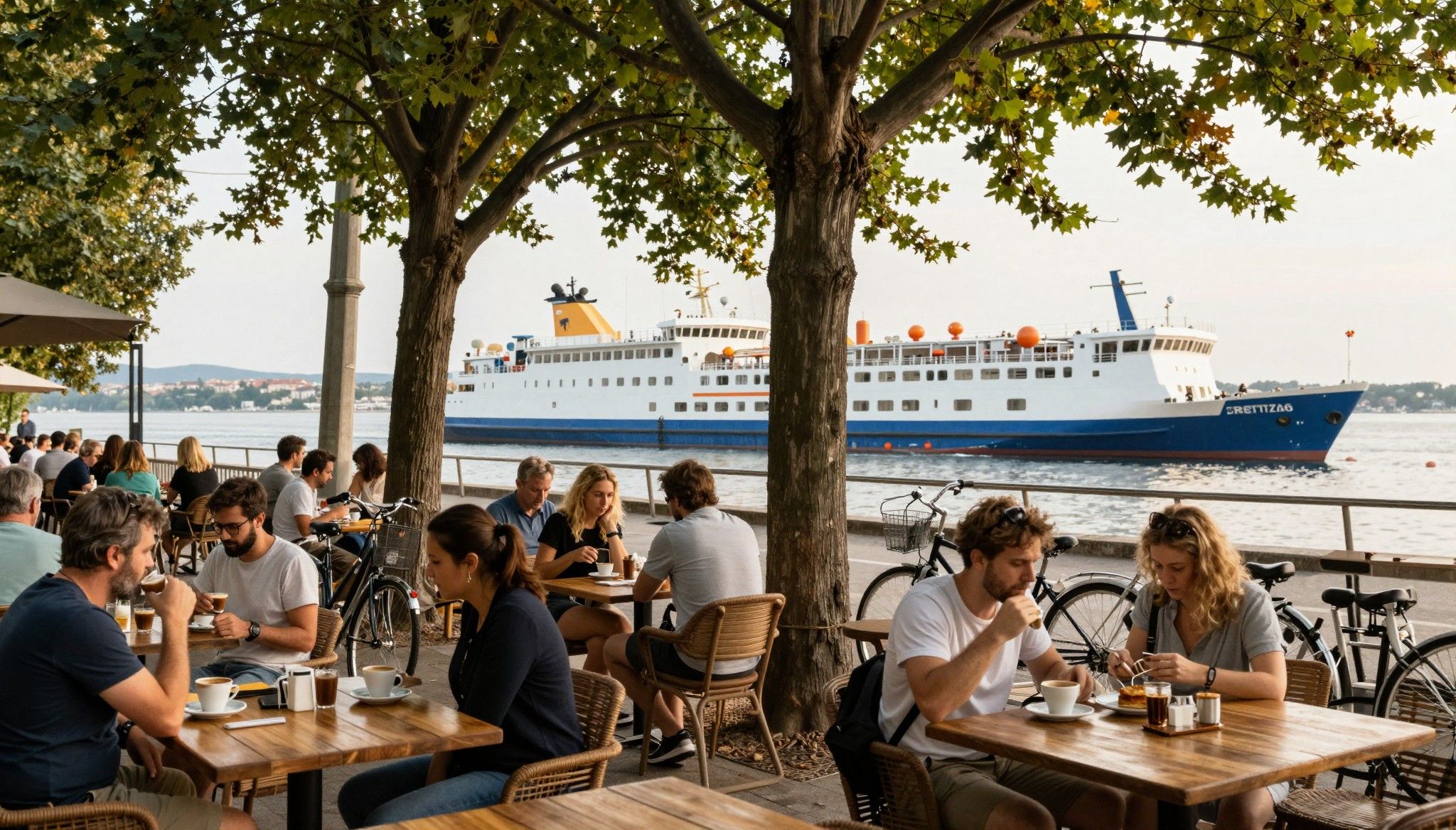
Cyprus: Lifestyle That Converts to Yield
Cyprus blends holiday lifestyle with measurable investment drivers — use district RPPI, tourism recovery and yield modelling to match dream living with defensible returns.
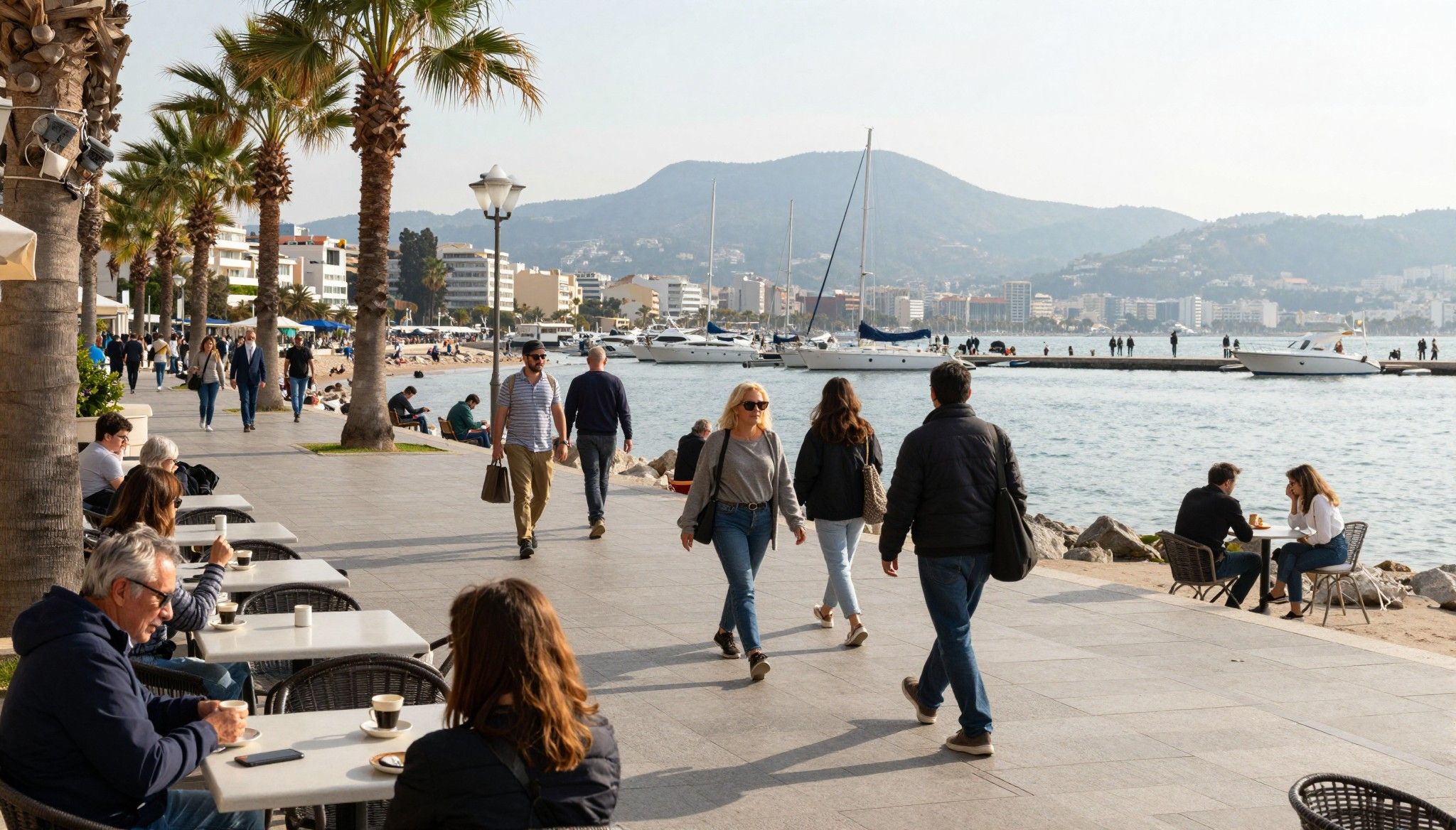
Imagine walking the Limassol promenade at 9 a.m.: espresso steam mixing with sea salt, construction cranes framing new marina-front towers, and a steady stream of holiday renters unloading suitcases. That sensory scene explains why Cyprus feels both holiday‑bright and investment‑real — a small island where lifestyle rhythms (beach lunches, mountain weekends, late‑night tavernas) intersect with measurable market forces. For international buyers who want more than a postcard, Cyprus offers a repeatable thesis: tourism-driven demand, constrained building supply in coastal hotspots, and neighbourhoods that perform differently on yield metrics.
Living the Cyprus lifestyle
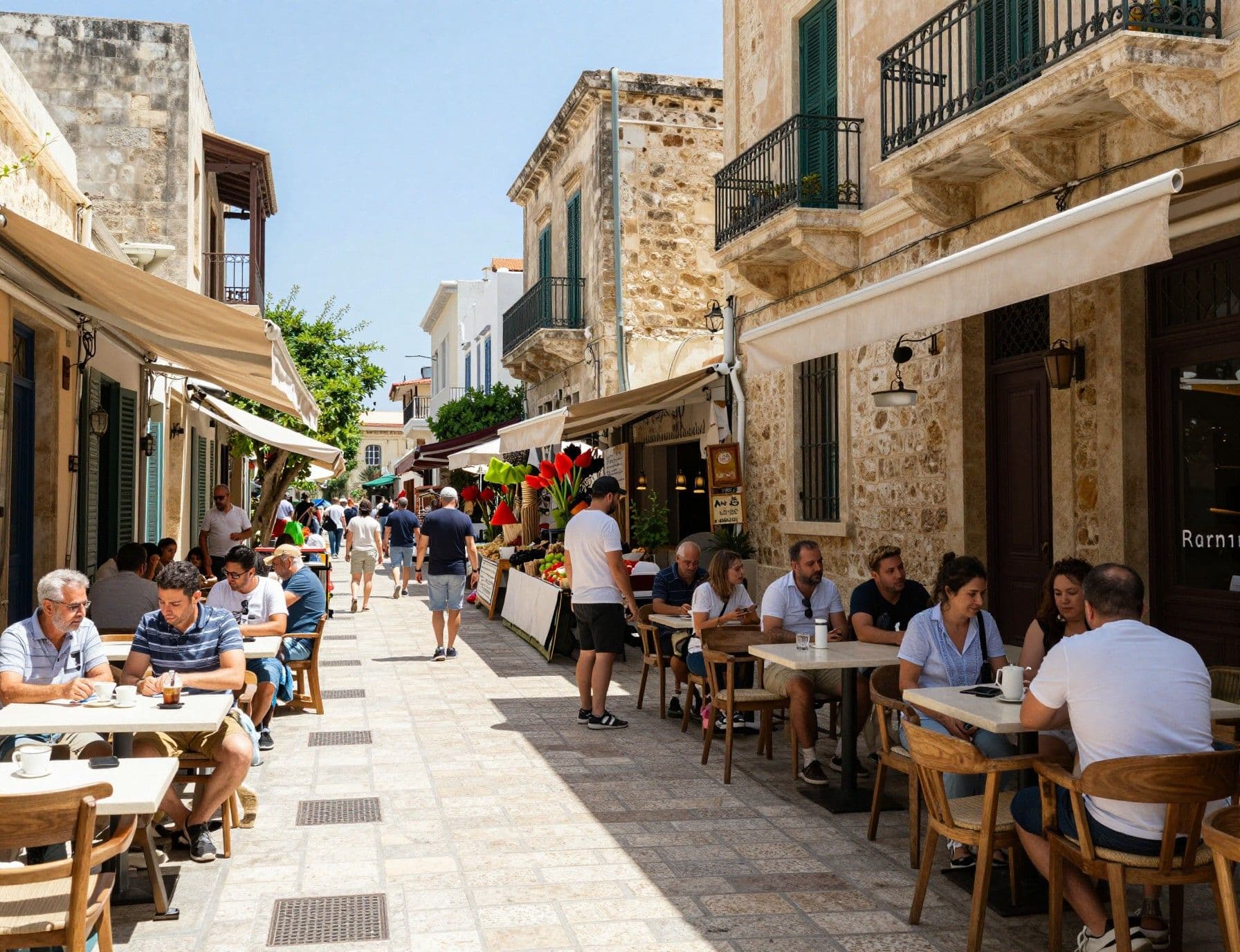
Cyprus moves at Mediterranean pace: mornings on Finikoudes or Limassol Marina, afternoons at secluded coves near Pissouri or Kissonerga, and weekends in Troodos vineyards. English is widely spoken, markets hum with seasonal fruit and halloumi smoke, and a strong expat network means you rarely start from zero. But the island’s lifestyle is regionally varied — Limassol’s cosmopolitan energy differs from Paphos’s archaeological calm and Larnaca’s low-key port life — and those differences matter for rental profiles and long‑term capital growth.
Neighbourhood spotlight: Limassol Old Port and Marina
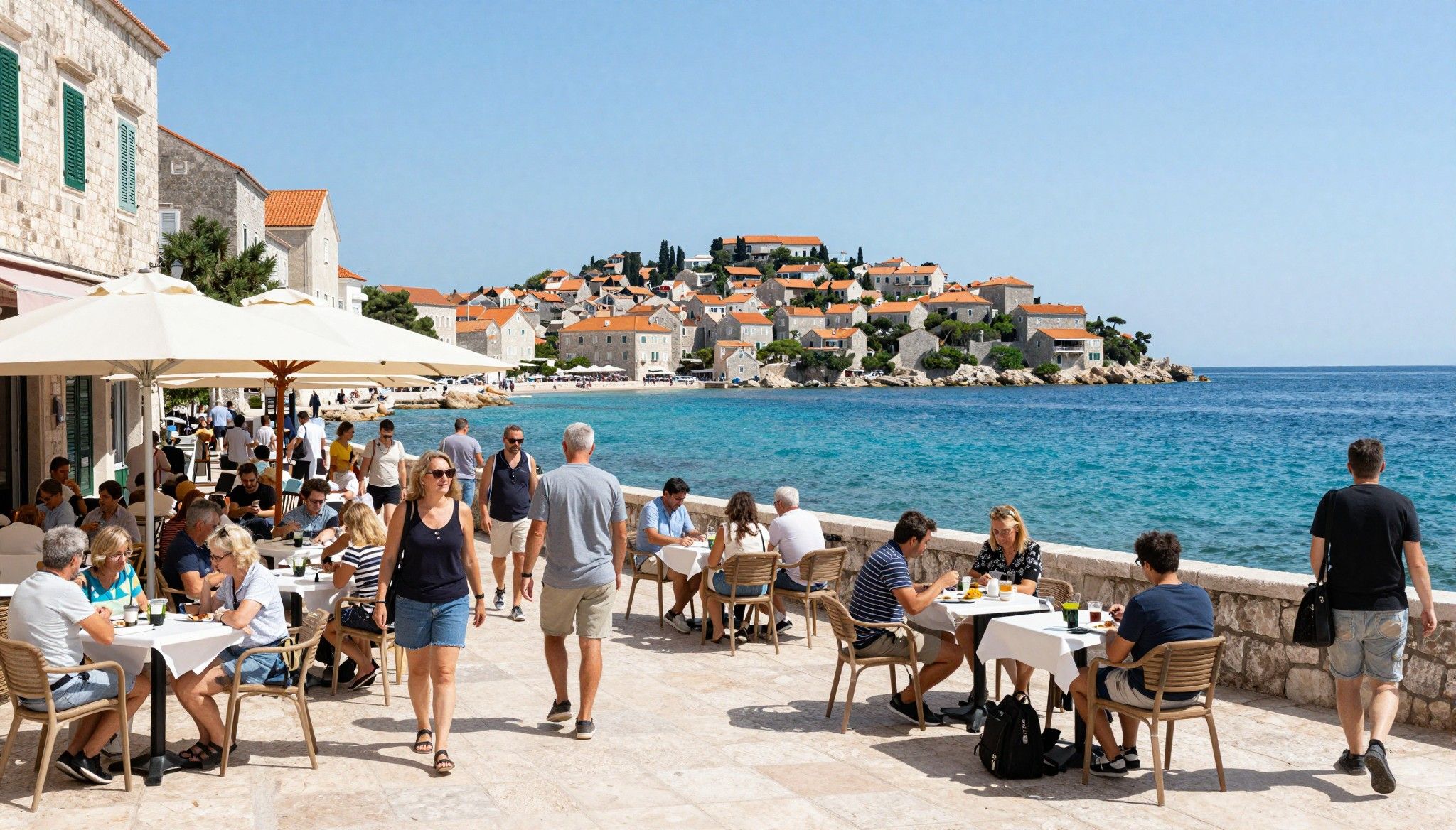
Walkable streets around Limassol Old Port host cafés, small galleries and short‑stay apartments that command premium nightly rates in summer. Developers have densified the waterfront with luxury blocks that attract corporate and tourism demand; the trade‑off is higher entry prices and lower gross yields compared with inland neighbourhoods. For yield-focused buyers this means trading some lifestyle cachet for rental efficiency.
Food, markets and seasonal life
From the weekly fruit markets in Larnaca to tavernas on Paphos harbour, food structures social life — and seasonality shapes cashflows. Tourism arrivals recovered strongly after 2020 and remain a primary demand driver (the UK, Israel and Poland are consistent source markets). That recovery underpins short‑let revenue but exposes owners to seasonal volatility that needs to be modelled into annual net yield assumptions.
- Lifestyle highlights: authentic places that influence property choices
- Limassol Marina and Old Port — high demand for short lets, premium pricing
- Paphos harbour and Kato Paphos — archaeological tourism, stable long‑season rentals
- Larnaca Finikoudes promenade — accessible city living, moderation in price growth
Making the move: practical considerations

Translating lifestyle into a portfolio requires three measurements: price per square metre, effective net yield (after service charges, taxes and vacancy), and demand seasonality. Cyprus’s Residential Property Price Index shows continued price growth but with pockets of deceleration — Q1 data from the Central Bank documents modest year‑on‑year rises that vary by district. That nuanced picture lets buyers pick neighbourhoods where capital appreciation is steady and yields are defensible.
Property types and liveability
Modern seafront apartments sell the lifestyle straight away: terraces, pooled communal facilities, and proximity to cafés. Traditional village houses in Troodos offer quiet year‑round occupancy but need renovation budgets and different rental expectations. Villas deliver discretionary premium rents but carry higher operating costs and longer void risks. Match the property type to the tenant profile you plan to target — seasonal holidaymakers, long‑let expats, or local families.
Work with local experts who know the data
Local agents, chartered surveyors and property managers are the instruments that convert lifestyle preference into measurable returns. Choose advisers who provide: granular net‑yield models, historical occupancy series, and a breakdown of annual service and community charges. They should also map demand sources (tour operator contracts, corporate relocations, long‑stay digital nomads) so your underwriting reflects real drivers, not brochure language.
- Practical checklist blending lifestyle and numbers
- Run a 12‑month cashflow scenario that separates high‑season (May–Oct) from low‑season (Nov–Apr).
- Require historic occupancy and average nightly rates for short‑lets, not just peak season quotes.
- Factor in service charges, municipal fees and a 3–5% contingency for maintenance and unexpected vacancy.
Insider knowledge: expat truths and market myths
Expat testimony often focuses on sun and social ease, but the investment truth is layered: tourism underpins demand, yet coastal supply constraints and planning rules create micro‑market premiums. Cyprus’s tourism recovery (millions of annual arrivals) supports short‑let strategies but also raises the bar for due diligence — neighbours, permitted uses, and municipal regulations materially affect what you can earn.
Cultural integration and daily life
Neighbours matter in Cyprus. Taverns, church festivals and local councils shape how properties are used and maintained. Many expats find community through volunteer groups, English‑language meetups and weekend farmers’ markets. Understanding local norms — from waste collection schedules to communal committee rules in apartment complexes — saves time and prevents conflicts that can hurt long‑term returns.
Long‑term risks and how to hedge them
Key risks are regulatory changes around residency/citizenship schemes, interest rate shifts affecting mortgage demand, and over‑concentration in a small set of coastal micro‑markets. Hedge with geographic diversification across districts, conservative leverage, and insistence on data — not sales rhetoric — for rental and capital projections.
- Quick risk‑mitigation checklist
- Split exposure: one coastal short‑let plus one inland long‑let.
- Target assets with proven operator contracts or management track records.
- Require three years of financials or comparable performance for off‑plan developments.
Conclusion: Cyprus sells a life; smart buyers buy the cashflow. Picture mornings at a Larnaca café and evenings on a Paphos promenade — then place those moments into a spreadsheet. Use district‑level RPPI data, tourism arrival trends, and local management KPIs to model realistic net yields. Work with advisers who translate lifestyle into numbers, not aspirational brochures. If the island feels like a lifestyle fit, make the decision based on repeatable demand and defensible assumptions, and you’ll own more than a story: you’ll own an income stream.
Danish relocation specialist who moved to Cyprus in 2018, helping Nordic clients diversify with rental yields and residency considerations.