Italy’s Lifestyle Premium — How Taxes Reprice the Dream
Italy’s romance hides tax levers that rewrite yields: model cedolare secca vs IRPEF, verify cadastral values, and favour stable micro‑markets over postcard premiums.
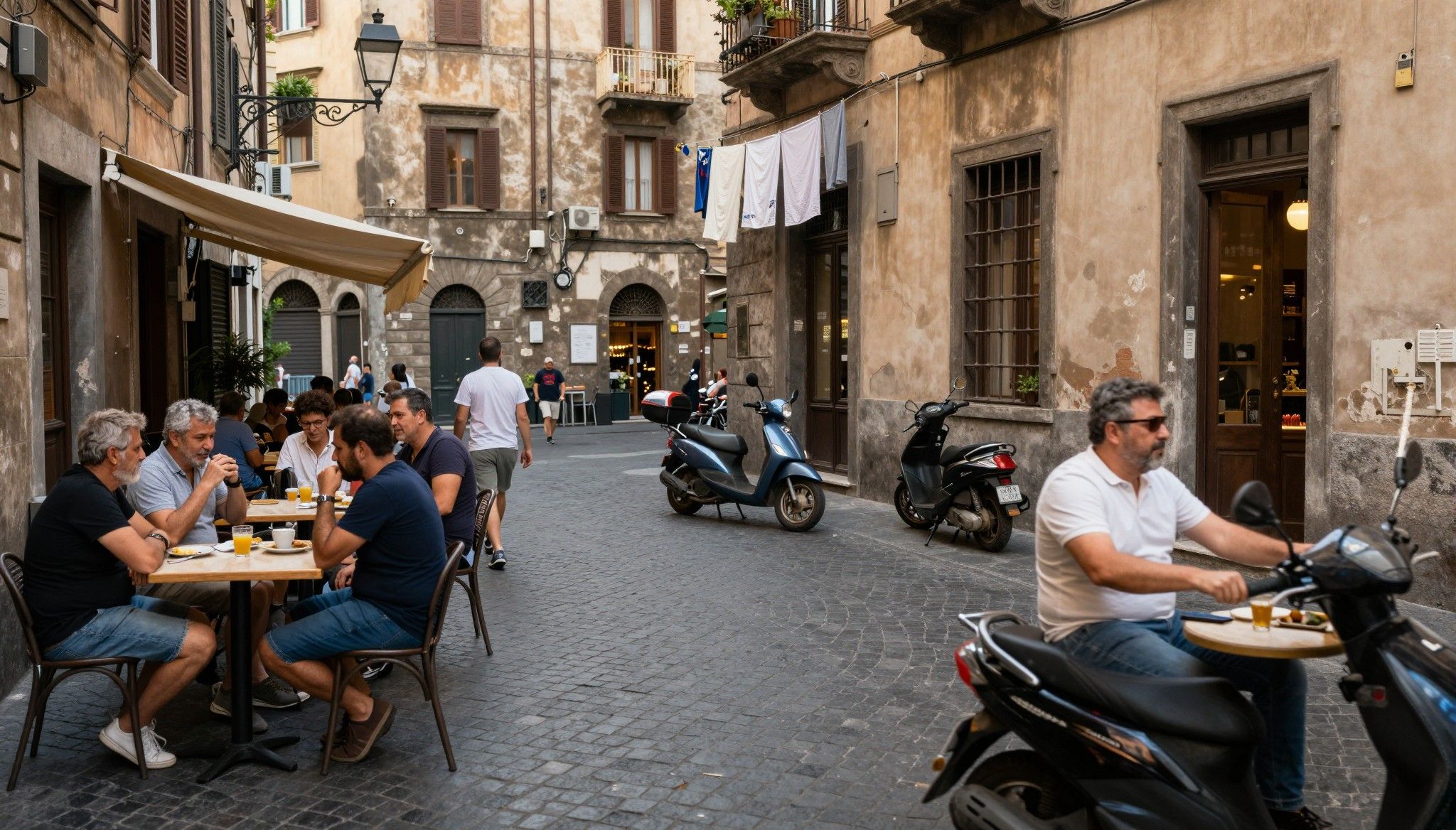
Imagine standing at an outdoor table in Trastevere at 09:00, espresso steam rising, scooters threading between laundry lines — and knowing the apartment here can be both your weekday immersion and a productive asset. Italy offers that contradiction: visceral, everyday charm paired with precise, sometimes surprising, fiscal rules that reshape returns.
Living the Italy lifestyle — what actually matters
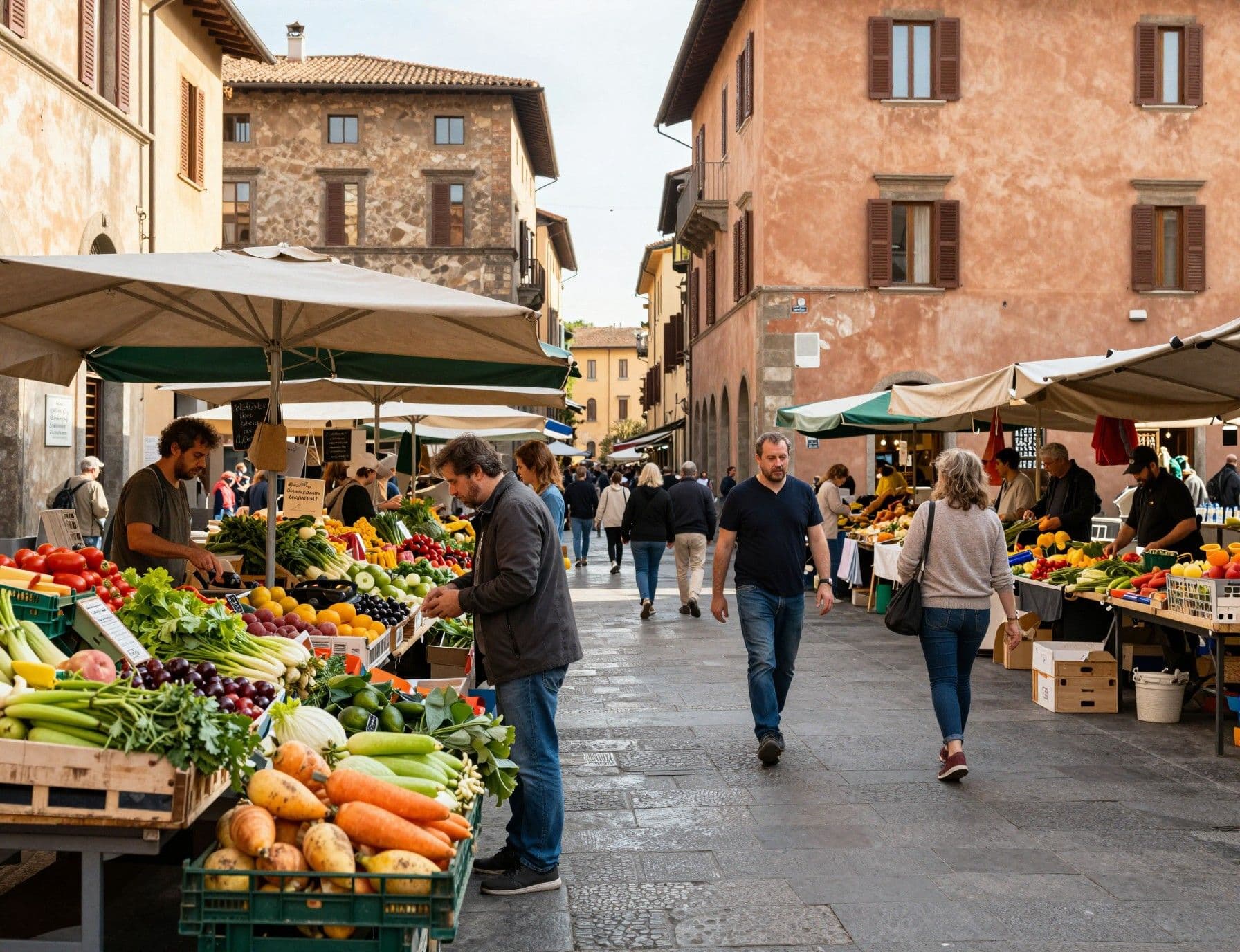
Italy’s lifestyle sells itself: late-morning cafés, weekly markets that double as community squares, and compact historic centres where daily life is walkable. For an international buyer the question isn’t whether you’ll love the place — it’s which micro-market aligns with how you’ll live and how you plan to monetise the property when you’re not there.
Rome: neighbourhoods with different rhythms
Trastevere and Monti give you evening piazza life and dense short‑let demand; Prati and Parioli offer calmer residential streets and long‑term tenants; Testaccio blends local food culture with steady rental interest. Street-level detail — a market on Via Portico d’Ottavia or a bar on Via dei Serpenti — predicts tenant profiles more than the city name alone.
Coast vs hill towns: seasonality you can live with
Buying on the Amalfi Coast or in Cinque Terre is a dream, but expect sharp seasonality in occupancy and price-per-sqm premiums. Inland hill towns in Umbria or Le Marche offer steadier year‑round communities, lower purchase prices, and different renovation rules for historic fabrics — a tradeoff between headline glamour and reliable cashflow.
- Lifestyle highlights: a buyer’s shorthand
- Wake up for market shopping: Campo de’ Fiori (Rome), Mercato di Sant’Ambrogio (Florence), Mercato del Pesce (Bologna).
- Aperitivo culture after 18:30 — neighbourhood bars and terrace-facing apartments sell well to long‑stay travellers and remote workers.
- Connectivity matters: proximity to regional trains (e.g., Milano‑Bologna) often outperforms sea‑view premiums for rental yield.
Making the move: regulations and tax mechanics that change the math
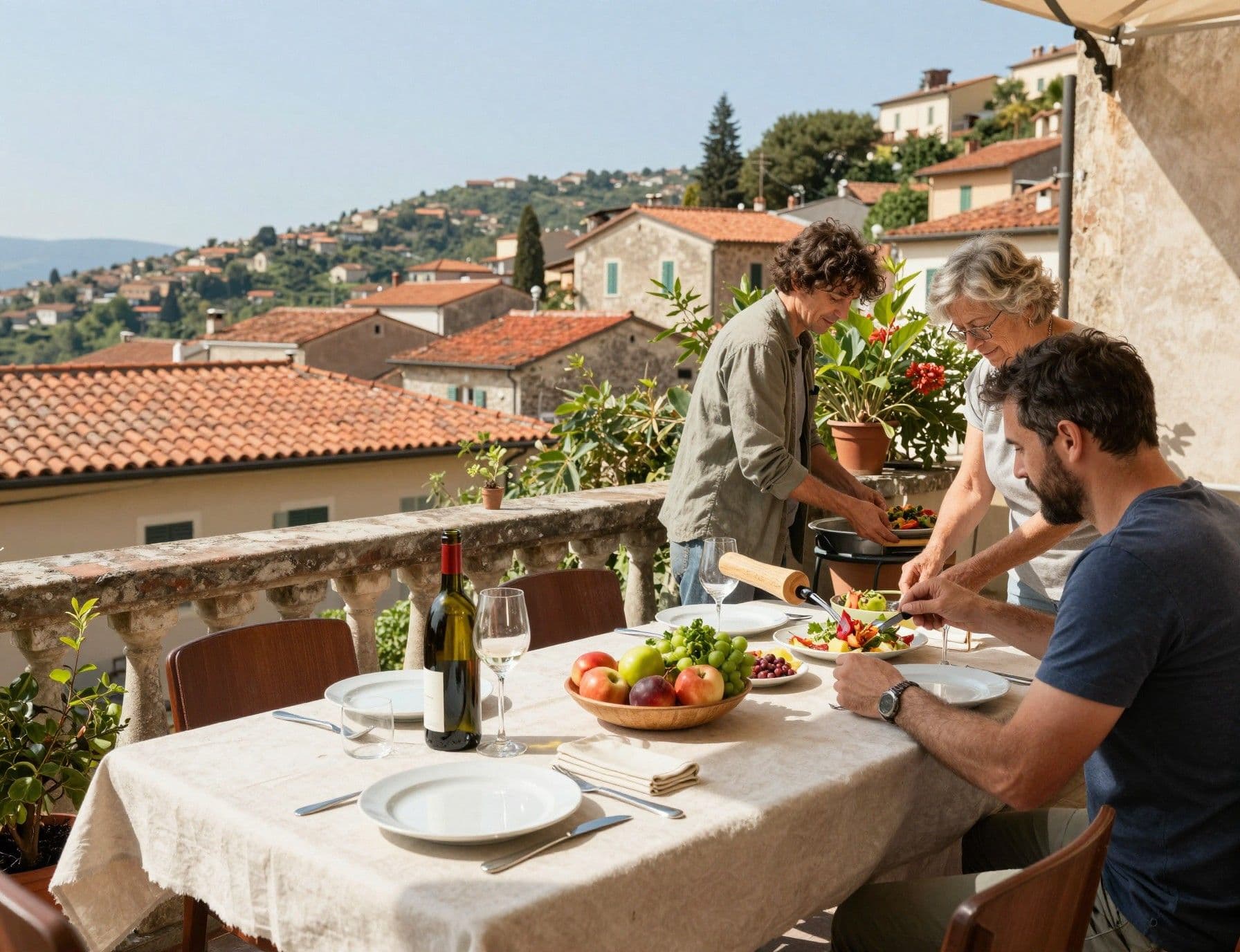
Lifestyle scenes are intoxicating; the legal and tax framework is sober. Three rules reshape returns: acquisition taxes (registration/VAT rules), annual property taxes (IMU/TARI) and rental taxation regimes (Cedolare Secca vs IRPEF). Small shifts in these rates materially affect net yields and payback timelines.
Acquisition costs that trip up emotional buyers
If you buy from a private seller the registration tax (imposta di registro) is often calculated on cadastral value, not the sale price; for primary-residence purchases the multiplier and rate can be as low as 2% of the cadastral base, whereas second homes attract higher fixed or proportional taxes. Not budgeting these differences is the single biggest post‑offer shock.
How rental taxation shapes investor returns
Italy offers a substitute tax on residential rents called cedolare secca: typically 21% (10% for agreed rents); recent law changes lift short‑term and multiple‑property rates (26% for additional short‑lets). Choosing cedolare secca simplifies filings and removes lease registration duties — but it can be suboptimal if your rental yield is low and deductible costs under IRPEF would otherwise reduce tax more.
- Steps to test whether Italy’s tax regimes favour your plan
- Model net yield under cedolare secca at 21% (or 26% where applicable) and compare to progressive IRPEF with deductible expenses.
- Include IMU (municipal property tax) and TARI (waste tax) in annual operating costs — IMU rules vary by municipality and property category.
- If you plan frequent short‑lets, model the threshold where activity becomes ‘entrepreneurial’ and taxed as business income (different regime and social‑security implications).
Insider knowledge: contrarian moves that preserve yield
Here’s the contrarian thesis many miss: Italy’s headline ‘expensive’ coastal towns command premiums but also amplify costs and taxes tied to higher cadastral values; the smarter trade can be near‑city commuter towns and university districts where consistent demand, lower transaction taxes and simpler property types deliver steadier net yields.
Example: Bologna university flats vs Rimini sea‑view studio
A one‑bedroom near the University of Bologna can have 9–11 month occupancy, strong long‑term tenant demand and simpler maintenance; a Rimini sea‑view studio may rent for higher nightly rates but with three months of vacancy, variable cleaning costs and higher short‑let tax exposure. For yield-focused buyers, occupancy stability often beats headline nightly rates.
Practical checklist before signing
- Confirm cadastral class and taxable base (catasto) — this alters registration tax and future IMU.
- Ask your notary for a full title search (visura catastale and certificato di destinazione) to reveal restrictions, servitudes and permitted uses.
- Model both cedolare secca and IRPEF after listing realistic deductible costs (agent fees, maintenance, mortgages) rather than relying on a single headline rate.
Working with agencies that add analytical value
Choose an agency that publishes local yield tables (price per sqm, average rents, seasonality curves) and that works with local accountants and notaries. For international buyers, an agency that maps lifestyle preferences to net yield — not just square metres — is invaluable.
- A practical six‑point due diligence sequence
- 1) Verify cadastral class and recent renovations; 2) Run a local comparable rent analysis; 3) Obtain IMU/TARI estimates; 4) Check short‑let restrictions; 5) Model taxes under cedolare/IRPEF; 6) Confirm notary fees and registration tax calculation.
These steps reduce emotional premium and protect yield: a buyer who skips them pays for lifestyle in perpetuity.
Cultural notes that change how you live — and sometimes how you market the property: speak‑light Italian opens local rental networks; property with an external entrance or small garden performs better for long‑term family lets; in many historic centres, façade and work permits radically extend renovation timelines.
Conclusion: fall in love consciously
Italy’s daily pleasures are real and investable — but convert romance into returns by mapping lifestyle choices to tax mechanics and local demand. Start with micro‑markets (neighbourhoods, streets), model net yields under alternative tax regimes, and work with agencies that pair local colour with forensic cost modelling. Then sip the espresso with a spreadsheet in hand.
Norwegian market analyst who relocated from Oslo to Mallorca in 2016, guiding Northern buyers through regulatory risk, currency hedging, and rentability.