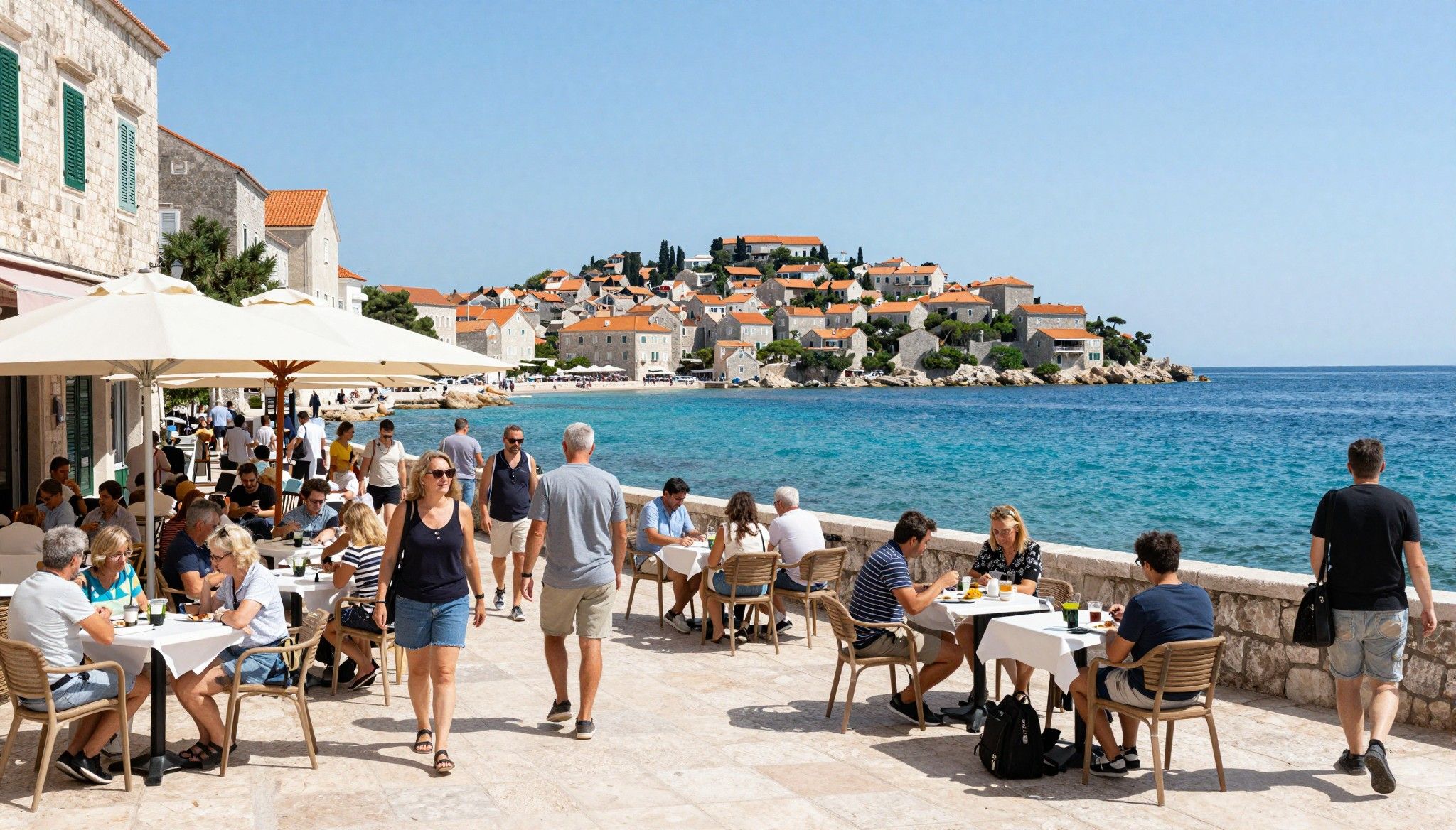
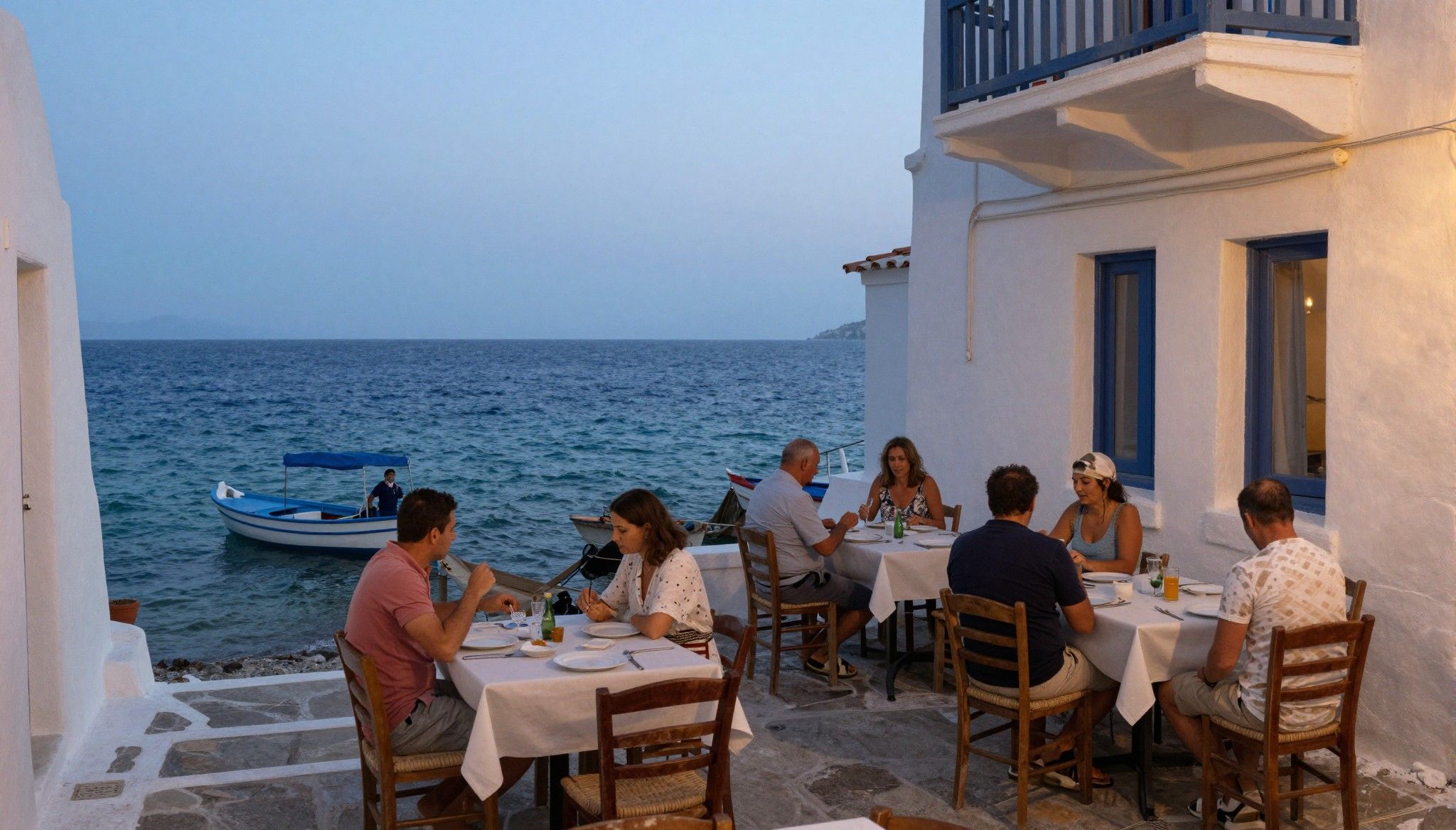
Greece’s Summer Hype Masks Higher Off‑Season Yields
Greece’s postcard months hide the yield opportunities: target islands and Athens neighbourhoods with year‑round demand, model seasonal occupancy and prioritise net yield.
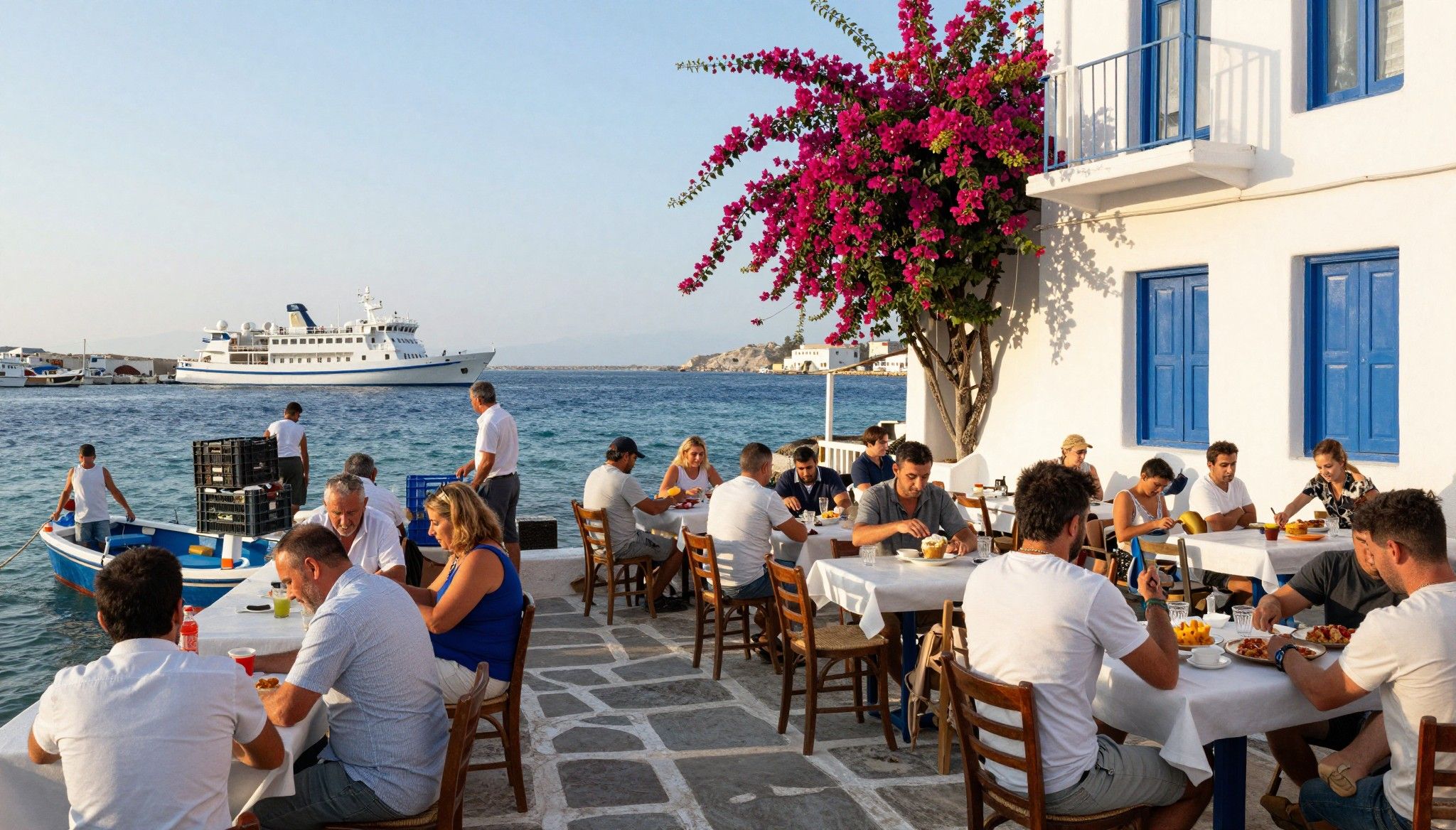
Imagine waking to the chatter of a morning kafeneio on a narrow lane in Plaka, then thinking: could this exact street pay my mortgage? Greece sells itself as sun, sea and postcard evenings, but the investment truth lives in rhythms — tourist peaks, shoulder seasons and year‑round local demand. We start with the scene, then run the numbers that separate romance from return.
Living the Greek life — what it actually feels like
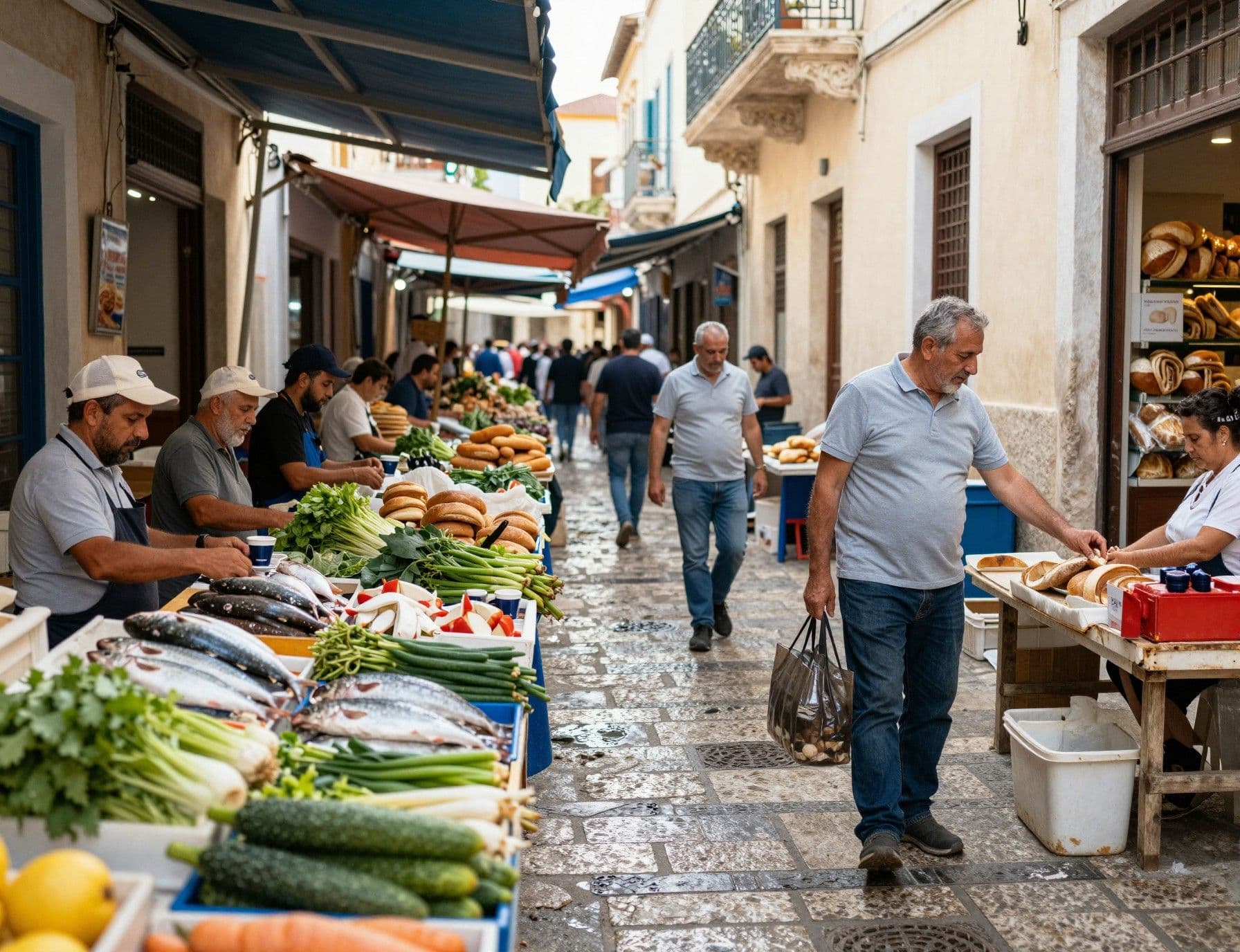
Greece is tactile: bakery aromas in the morning, municipal markets on Thursdays, tavernas with music spilling onto pavements. In Athens you get layered urbanity — historic Plaka and Monastiraki, the modern cafes of Koukaki and Pangrati, commuters on the metro — while islands like Naxos, Paros and Crete balance fishing harbours with seasonal hospitality economies. That texture directly informs rental demand: short‑stay tourists, long‑stay seasonal workers, and expanding remote‑work renters each prefer different neighbourhoods.
Athens neighborhoods: history, hip and hidden value
Walk from Kifisia’s tree‑lined avenues to the gritty galleries of Exarchia and you’ll see why investors talk about yield dispersion inside a single city. Koukaki and Pangrati attract long‑stay cultural tourists and digital nomads; Neos Kosmos and Metaxourgeio offer lower price per m2 with improving transport links. For rental yield, proximity to metro stations and university hubs often beats a romantic view of the Acropolis.
Islands: the seasonal premium and where the year‑round pockets hide
Santorini and Mykonos command premium nightly rates but also high vacancy and management costs in winter. By contrast, islands such as Crete and Naxos show stronger year‑round markets because of resident communities, ports and larger airports — factors that sustain off‑season demand. Official tourism figures show tourism growth that feeds peak revenues but also reinforces seasonality risk for investors. (See ELSTAT data on arrivals and nights.)
- Lifestyle highlights that influence yield and tenant mix
- Morning kafeneio culture (Plaka, Chania old town)
- Weekly municipal markets (Monastiraki, Rethymno)
- Island ferry hubs and airport towns (Heraklion, Chania, Paros) that support year‑round stays
Making the move: turn lifestyle into measurable returns
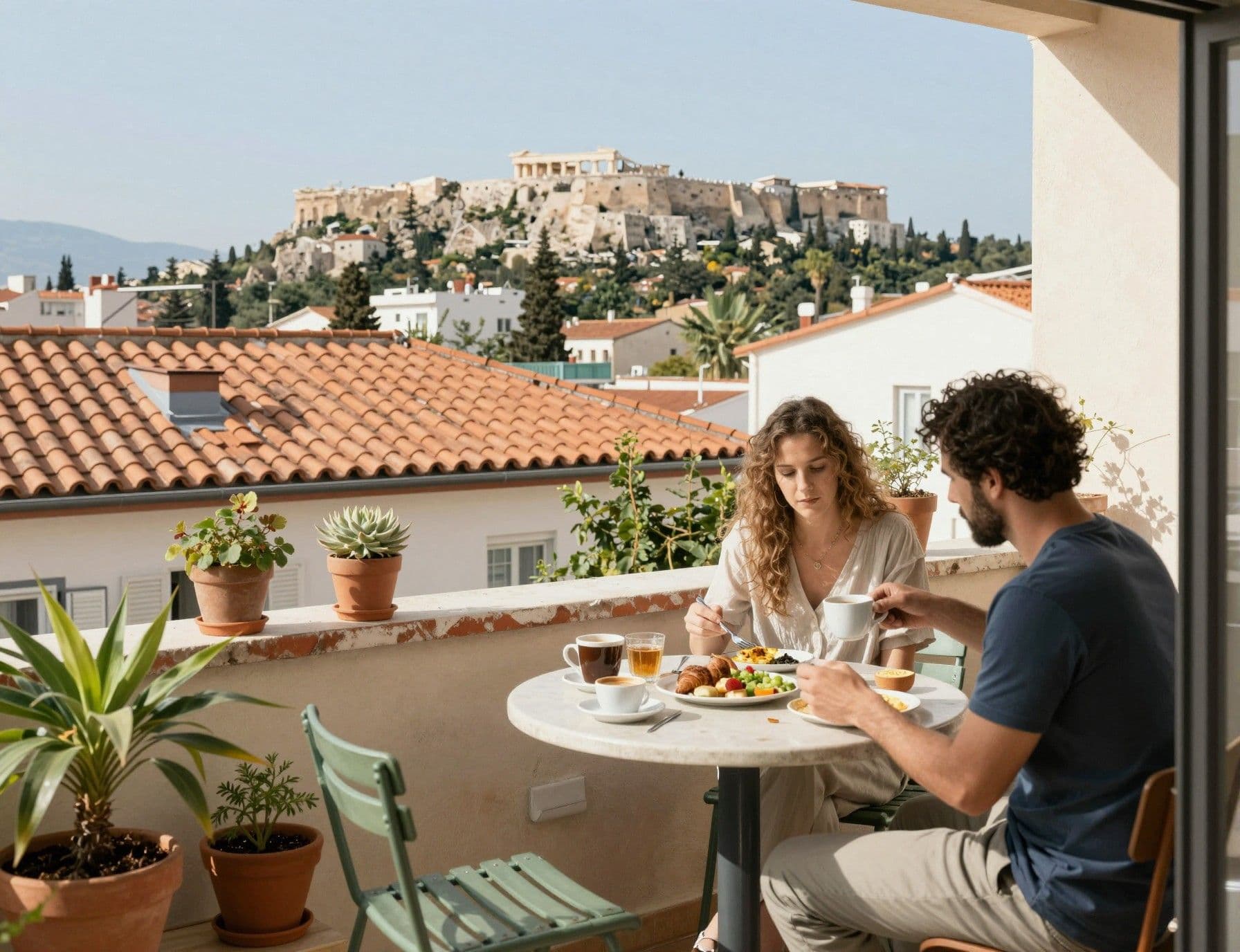
Romance and return collide in the metrics: price per m2, gross yield, and seasonal occupancy. Greek apartment prices rose materially in recent years but with deceleration; the Bank of Greece reports strong nominal increases in 2023–2024, which means capital growth expectations must be tempered by rising acquisition costs. For rental yield calculations, use conservative occupancy (50–60% for thinly let islands) and realistic nightly rates or monthly rents sourced from local platforms and agencies.
Property types: what tenants actually pay for
Studio or 1‑bed apartments near transport and universities attract steady monthly renters; two‑bed terraced apartments with a terrace or courtyard work well for mid‑term tenants; villas and sea‑view apartments depend on high seasonal rates and professional management. Consider net yield (rental income after management, utilities paid by landlord, taxes and insurance) rather than headline gross yield.
Local experts: what a Greece‑based agency must deliver
The right agency combines market pricing, seasonal occupancy modelling, and a network of vetted property managers. Look for local teams that supply historic booking data (at least three years), transparent fee structures, and contacts with municipal authorities to clarify short‑term rental regulations. Agencies should also model worst‑case scenarios — e.g., 30–40% occupancy and increased municipal charges — so you can stress‑test your expected yield.
- Steps to turn a lifestyle lead into an investment case
- 1. Benchmark price per m2 for the micro‑neighborhood (use recent sales, not asking prices).
- 2. Model occupancy using at least three seasons (peak, shoulder, off) and apply conservative rates for off‑season.
- 3. Calculate net yield: deduct management (15–30%), utilities landlord‑paid, maintenance reserve and taxes from gross income.
- 4. Stress‑test cashflow for two bad seasons in five years and assess exit liquidity — how easy is resale off‑season?
Insider knowledge — cultural and market realities expats underestimate
Expats often overvalue the postcard months. Locals plan life around municipal services, bakeries and markets — amenities that sustain mid‑ and long‑term rental demand. Language and social customs shape tenant relations: a trusted local manager and a small reserve for urgent repairs will avoid many headaches that first‑time buyers face.
Cultural integration and tenant profiles
You’ll meet three tenant types: tourists (short‑stay, high rate), seasonal workers/contractors (multi‑week stays) and residents (monthly leases). Each requires different furnishing levels, contracts and deposit practices. Local custom favors clear, written agreements and goodwill — a small gesture (covering a local utility reconnection fee, for example) can protect occupancy and reviews.
Long‑term lens: how neighborhoods evolve
Urban regeneration and improved connectivity (airport upgrades, regional ports) have already shifted capital into secondary neighborhoods. Expect the next five years to reward well‑located, well‑managed assets near transport nodes and service hubs. But rising price momentum means investors must be selective — yield compression follows headline growth unless rental strategies and expense control are disciplined.
- Red flags to watch before you buy
- Overpriced seasonal hotspots with thin off‑season demand
- Properties reliant on single‑channel bookings (only one OTA or agency)
- Homes with unresolved municipal or building‑code issues that limit legal rentals
Conclusion: fall in love honestly, buy with figures. Greece offers a rare combo — culturally rich, tourism‑driven revenues and pockets of durable local demand. The smart play is not to chase the postcard but to buy where daily life supports year‑round occupancy and to partner with local experts who model seasonal risk and net yields. Start with micro‑neighbourhood benchmarking, require three years of booking data, and build a management plan that treats the property as an operating business.
British expat who moved to the Algarve in 2014. Specializes in portfolio-focused analysis, yields, and tax planning for UK buyers investing abroad.