Why Croatia’s Summer Hype Hides Year‑Round Yield Pockets
Coastal price headlines hide higher‑yield inland and city niches. Match Croatian lifestyle rhythms to property types, model seasonality and prioritise compliant management.
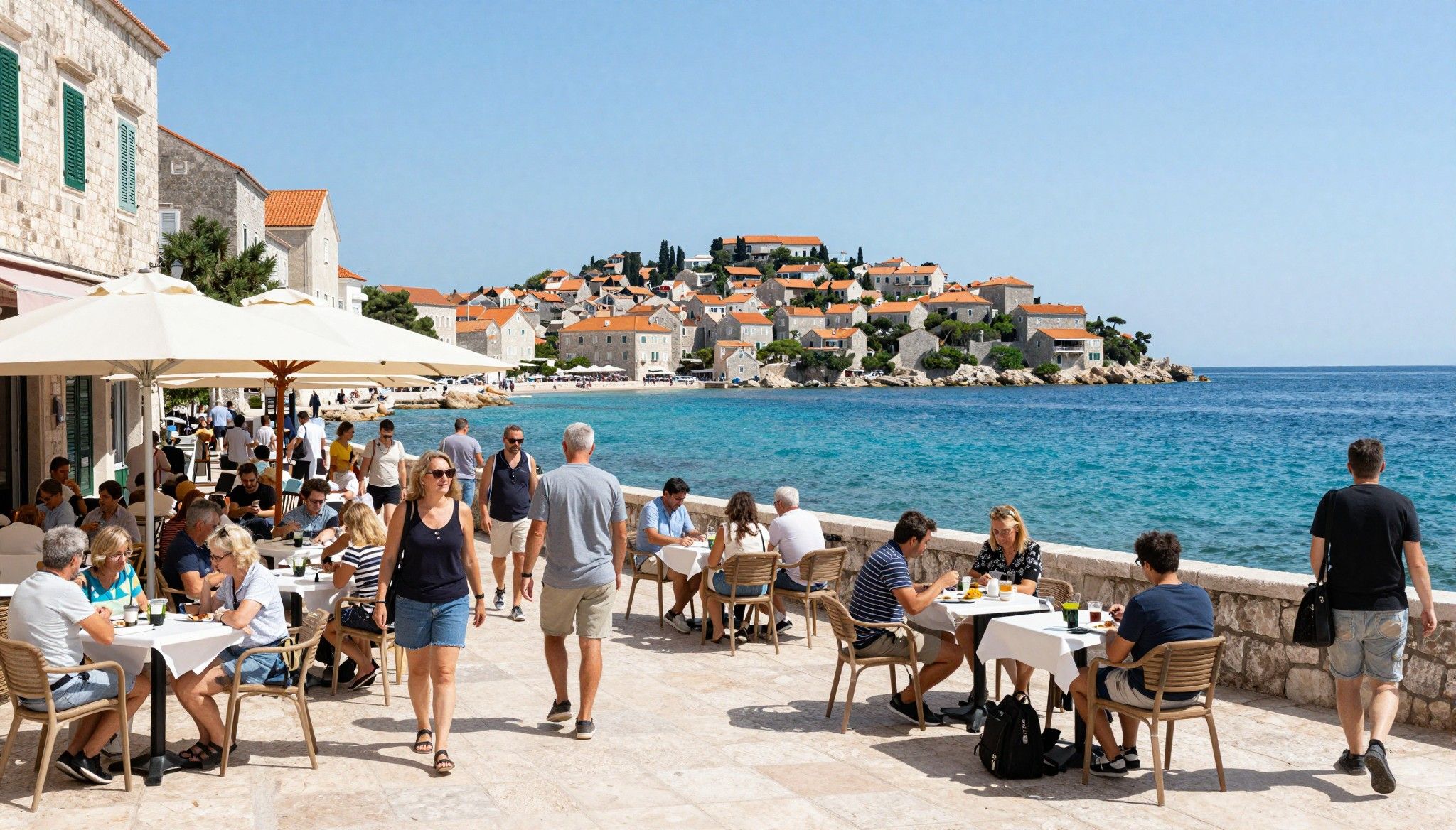
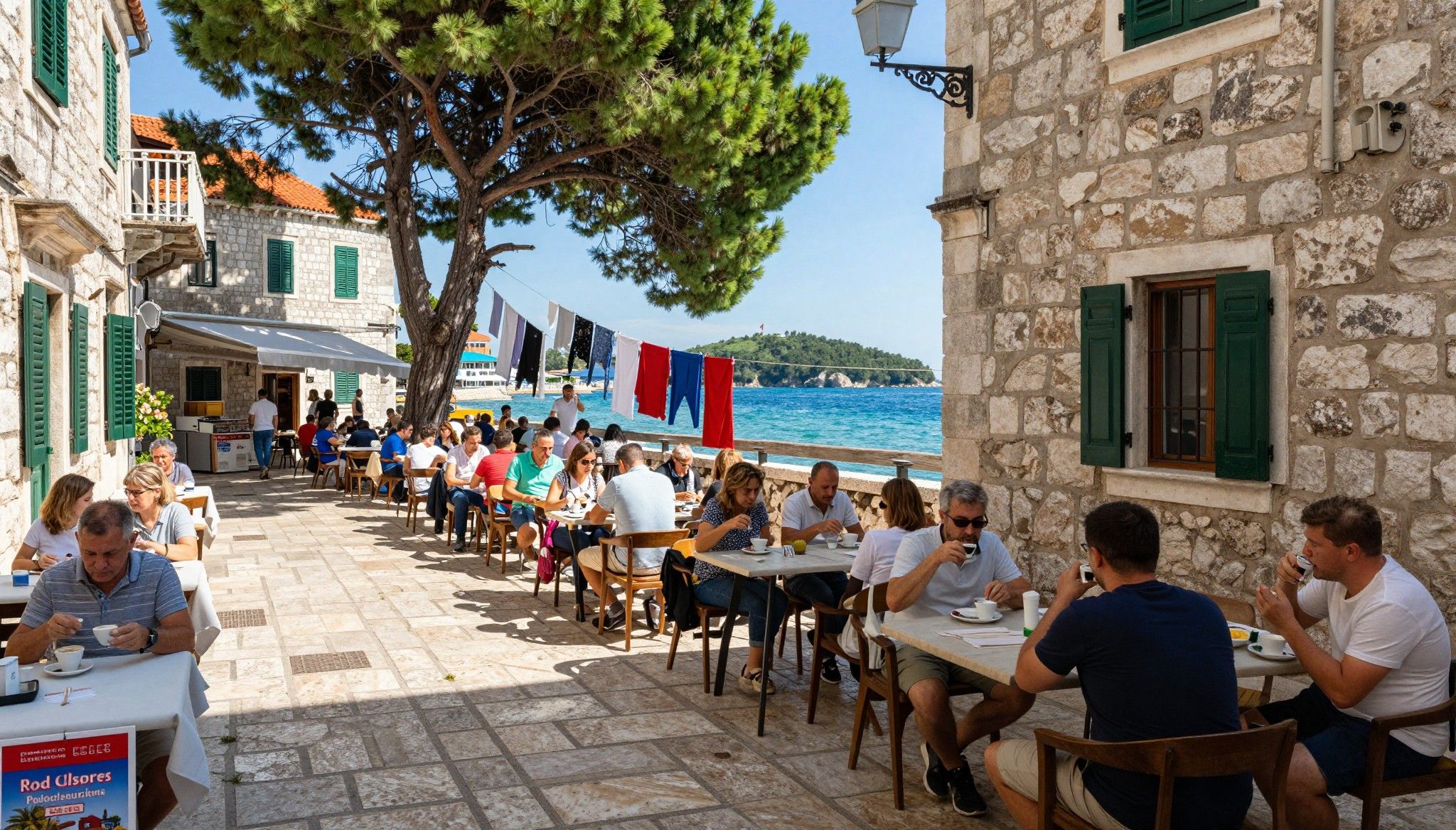
Imagine sipping an espresso on Varšavska street in Zagreb at 9 a.m., then driving two hours to a wind-swept pebble beach near Zadar for sunset. Croatia is a country of compressed contrasts—baroque squares and UNESCO ramparts, islands with fishing harbours and inland towns where markets still set the rhythm of the week. That compression explains the investment paradox: headline coastal prices mask inland pockets that deliver steadier yields. For buyers who balance lifestyle with numbers, Croatia is less a single market and more a multi‑layered portfolio.
Living the Croatia lifestyle
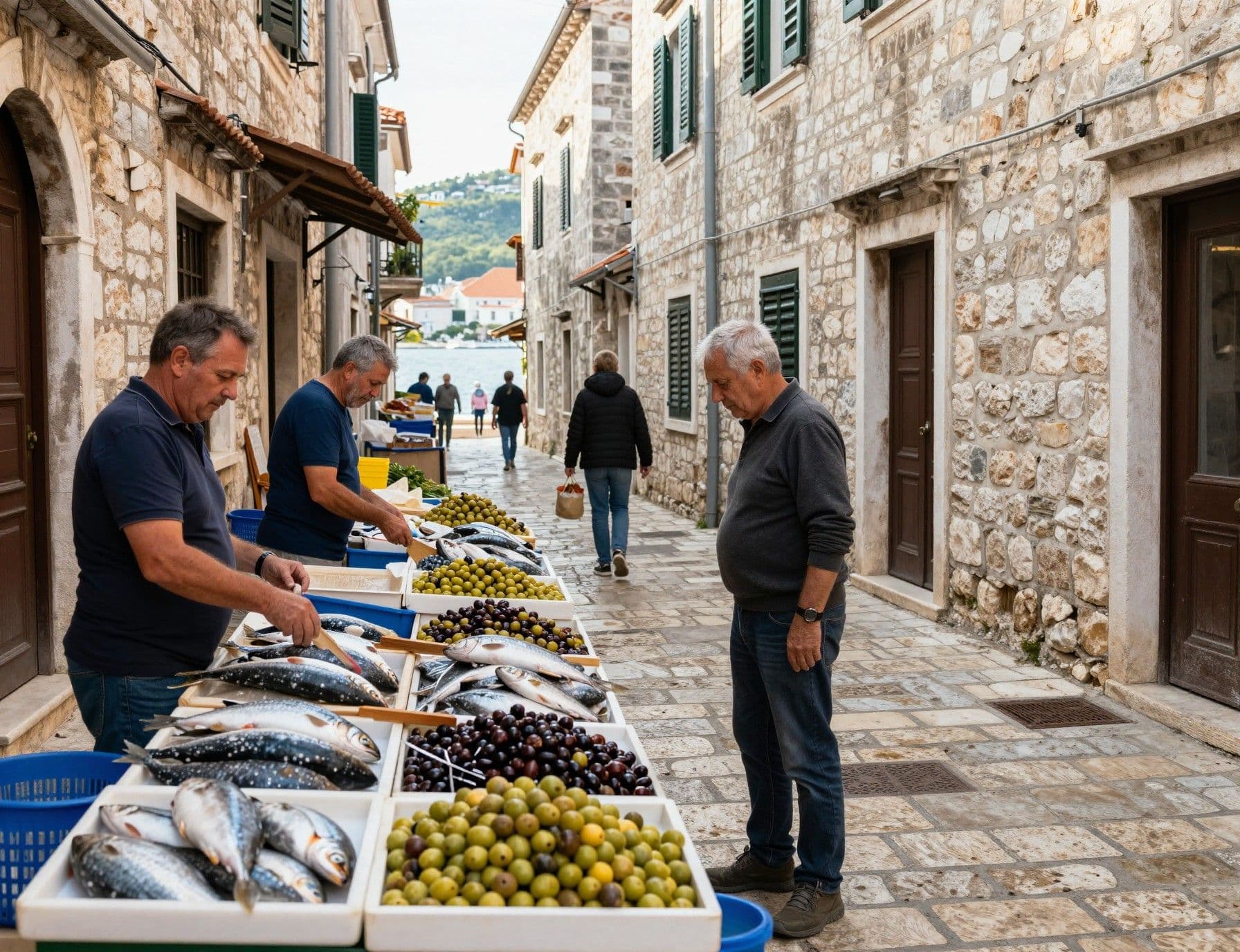
Street life matters here: café terraces in Zagreb’s Lower Town, the morning fish market in Split’s Riva, evening promenades along Dubrovnik’s city walls. These everyday scenes are the reason buyers fall in love quickly — but they also create highly localised demand curves. Coastal hotspots see intense seasonal spikes in occupancy, while university cities such as Zagreb, Rijeka and Split provide year‑round rental anchors. Understanding those rhythms is the first step to matching a lifestyle location with an investment profile.
Zagreb, Split, Dubrovnik: different beats
Zagreb is the backbone for long‑let demand—students, corporates and public sector tenants—so yields are steadier though capital growth is moderate. Split is a hybrid: strong tourism raises seasonal short‑term income but also higher vacancy risk in winter. Dubrovnik commands premium prices and low rental yields but exceptional capital preservation for certain asset classes; think small historic apartments near the Old Town rather than new detached villas.
Food, markets and the weekday pulse
Local markets—Dolac in Zagreb, Pazar in Split—set weekly routines: shops close early on Sundays, families gather for market shopping on Saturday mornings, and many coastal towns quiet down outside July–August. These patterns shape tenant expectations: reliable grocery access, covered markets and year‑round cafes support long‑let desirability, while properties dependent on peak‑season tourism need different management and contingency planning.
Making the move: practical considerations

Market data matters because Croatia is rapidly re‑pricing. National indices show double‑digit year‑on‑year rises in recent reporting periods, concentrated on the Adriatic coast and in Zagreb. That matters for entry timing and expected yield: pay a coastal premium and expect lower gross yields but potentially higher capital stability; choose inland towns and you may secure higher initial yields but different liquidity profiles. Always map price per square metre against local rental demand (student hubs, hospitals, tourist marinas).
Property types that match life and returns
Historic stone apartments in Dubrovnik and Split attract premium nightly rates but need heritage care and stricter permitting; new builds near Zagreb’s business districts appeal to long‑term tenants and lower maintenance costs. Villas with private pools can command high summer bookings but carry off‑season overheads. Choose a property that reflects whether you prioritise seasonal income, steady net yield, or capital growth—each requires different management intensity and cash‑reserve planning.
Six steps to blend lifestyle and numbers
- 1) Quantify target yield: set a net yield target after tax and management fees. 2) Match demand type: long‑let (students/locals) vs short‑term (tourists). 3) Stress‑test seasonality: model occupancy across months. 4) Budget for compliance: new hospitality laws and registration. 5) Choose local management with proven seasonal operations. 6) Keep a two‑year cash buffer for off‑season months.
Insider knowledge: what expats wish they'd known
Two realities surprise buyers: regulatory tightening around short‑term rental registration and the practical cost of island logistics. Authorities are digitalising registration and tightening oversight—unregistered listings are increasingly targeted. That means revenue models that relied on grey‑area listings are fragile; professional registration, transparent tax treatment and dependable property management are now non‑negotiable expenses.
Language, community and local norms
Croatians value directness, local relationships and trustworthy intermediaries. Learning a few phrases, joining local market mornings and using a neighbourhood agent builds goodwill and speeds problem resolution. For rental properties, tenant referrals and word‑of‑mouth still outperform purely platform‑based marketing in many towns.
Long‑term lifestyle and market evolution
Expect continued coastal interest but increasing policy measures aimed at preserving housing for residents—municipal taxes, bed levies and registration rules. That will reprice the short‑term rental calculus and shift some investor attention inland or toward professionally‑managed, compliant coastal stock. For lifestyle buyers, the good news is clearer regulation improves long‑term predictability for income and occupancy.
Practical red flags to check before you buy
- • Unregistered short‑term use history – confirms regulatory risk. • Overreliance on July–August income without winter demand plans. • Properties with complex heritage restrictions (costly restorations). • Poor access to year‑round services (medical, grocery, transport). • Management with no audited occupancy / financial track record.
Conclusion: if you want the Croatian life, buy the rhythm not the postcard. Match your desired weekday routines—markets, schools, transport—with an asset that delivers the yield profile you need. Use data (price per m², local occupancy, regulatory status) to trade emotion for evidence. Work with a local agency that publishes audited occupancy and costed management plans; when lifestyle meets rigorous underwriting, Croatia can be both a beautiful place to live and a disciplined part of a diversified property portfolio.
Danish relocation specialist who moved to Cyprus in 2018, helping Nordic clients diversify with rental yields and residency considerations.