How Croatia’s Purchase Rules Reprice Coastal Yields
Croatia’s coastal charm meets strict purchase rules: EU buyers get parity, non‑EU buyers face reciprocity and ministerial consent—model delays into yield math.
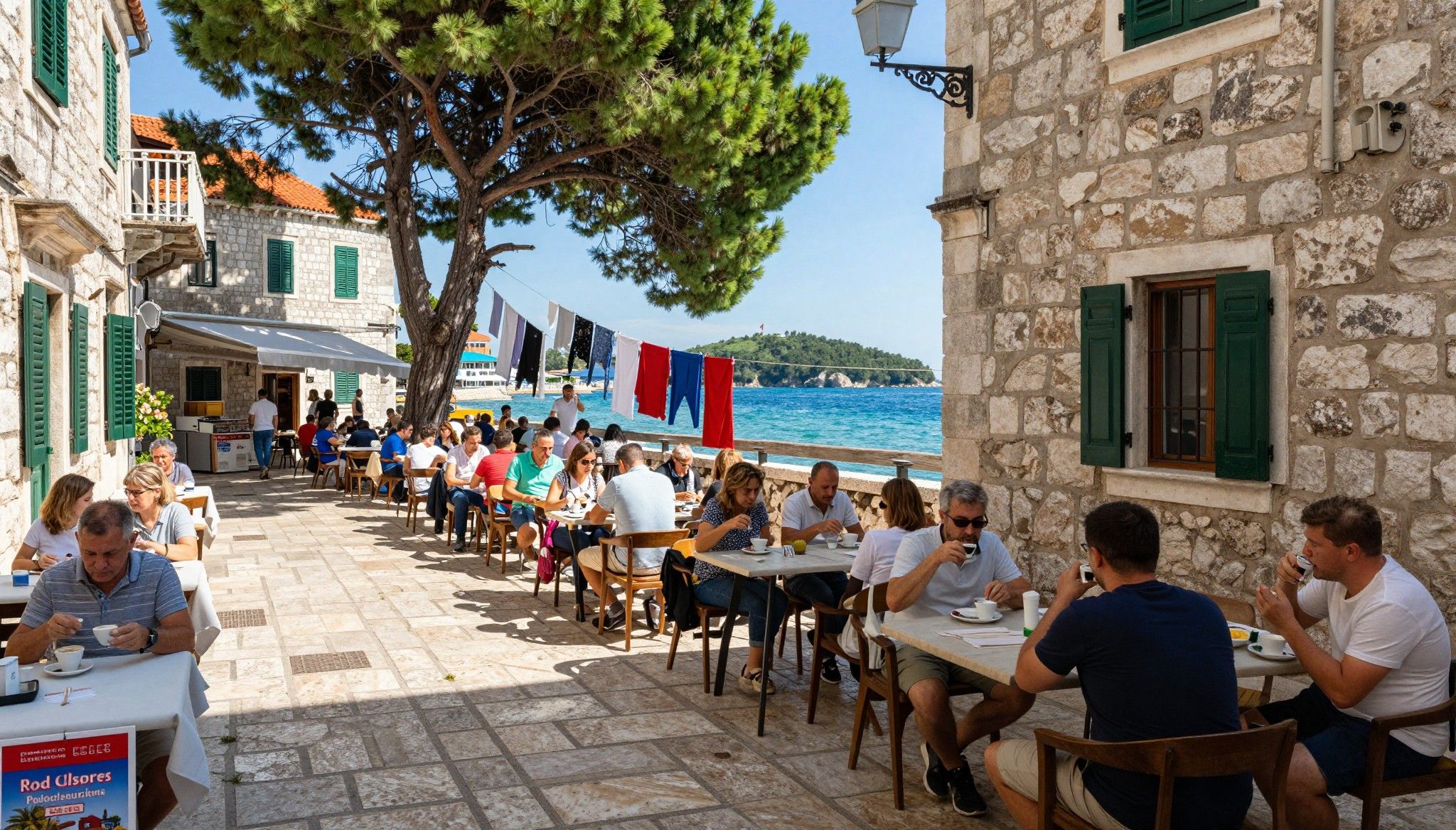
Imagine starting your morning with a market-basket of fig jam and fresh bread in Split’s Varoš, then signing papers for a Dalmatian apartment while the sea smells of pine and salt. Croatia’s coastal rhythm—fast in summer, quiet and community-focused the rest of the year—shapes both how properties are used and how regulators respond. Recent legal clarifications on who can buy what have quietly shifted returns for non‑EU buyers and reshaped which neighbourhoods behave like short‑let engines versus stable long‑term rental markets. For international buyers, lifestyle and regulation are co‑authors of any investment outcome; understanding both is no longer optional.
Living the Croatia life: rhythms that matter to investors
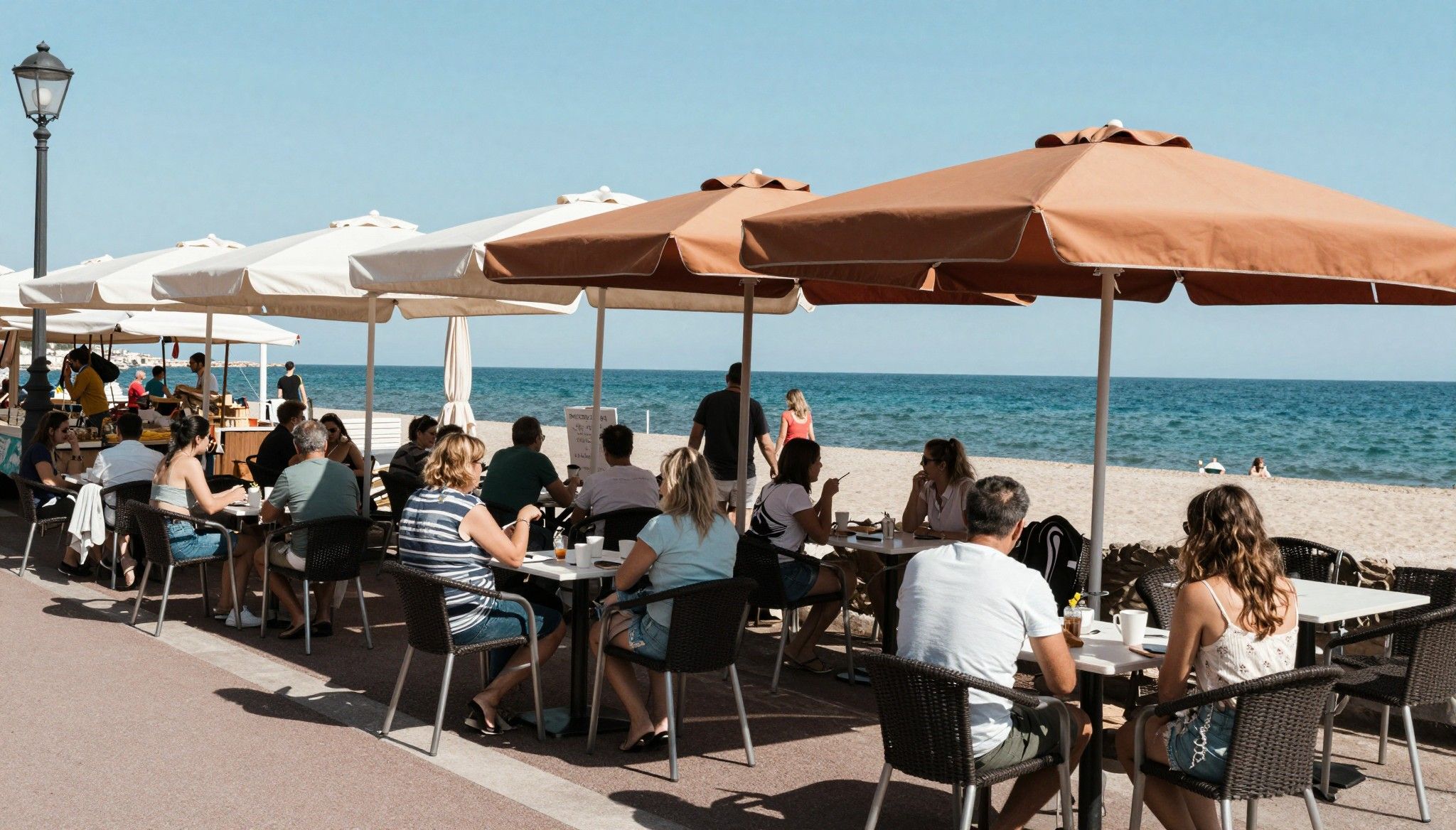
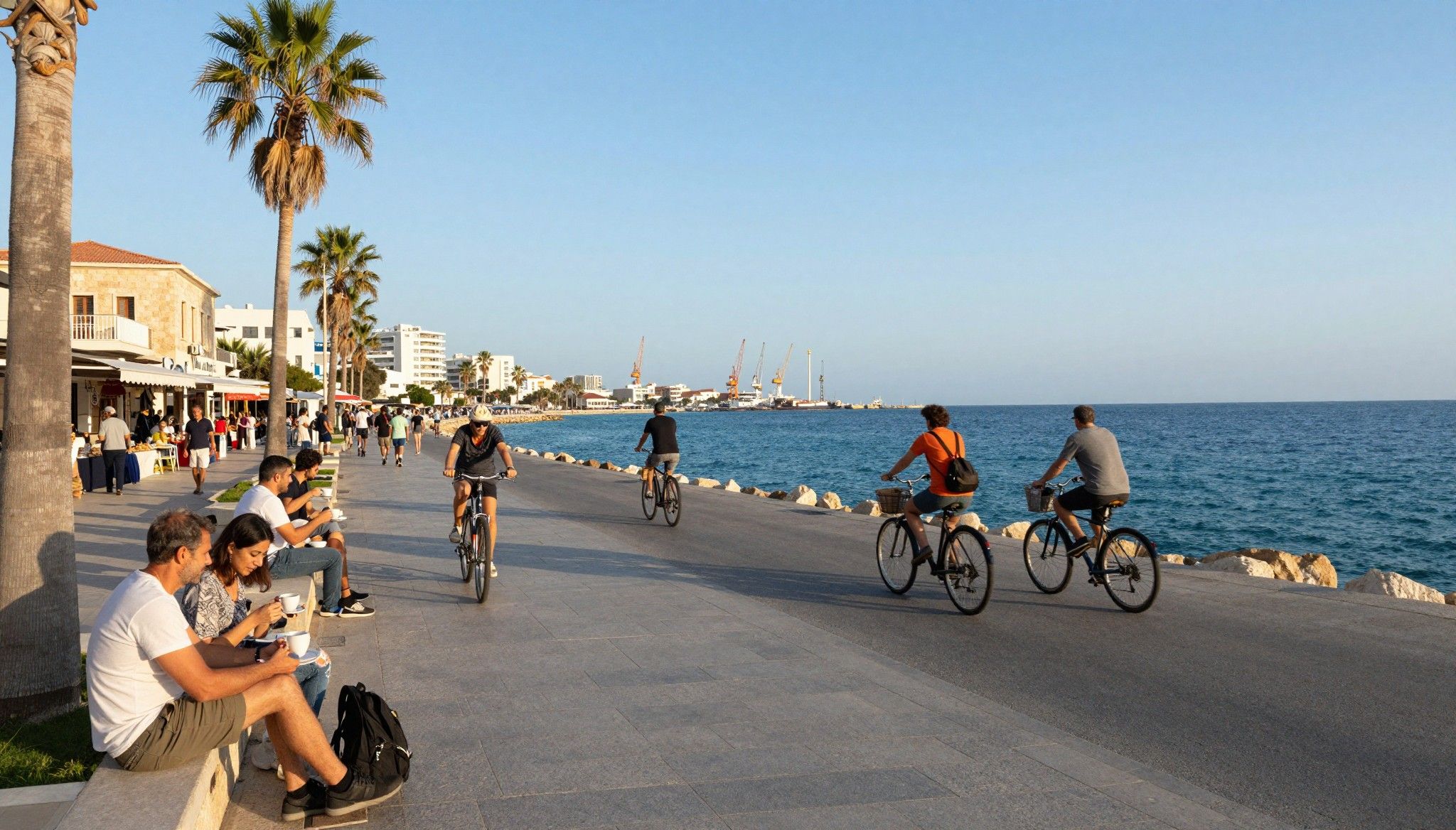
Croatia blends narrow historic streets, island beaches and compact urban neighbourhoods where daily life happens on terraces and market squares. In Zagreb you feel the weekday cadence of offices and trams; on Hvar or Korčula, the calendar is event‑driven—regattas, film festivals and summer tourism spikes that lift short‑term yields but also drive seasonality. Investors must map these rhythms to property types: studio apartments in Old Town Dubrovnik act very differently from three‑bed family flats in Rijeka’s Kopernik district or renovated stone houses on Istria’s hilltops.
Neighborhood spotlight: Split’s Varoš and Bačvice contrast
Varoš is intimate: stone alleys, local bakeries and residents who value quieter, year‑round life. Bačvice, by contrast, pivots on beach culture and evening crowds—prices here surge in summer and rental yields spike on short lets. That contrast matters: in Varoš tenant demand is steadier for medium‑term stays and expat families, while Bačvice requires active letting management and higher maintenance budgets to sustain short‑season returns.
Food, festivals and micro‑economies that move markets
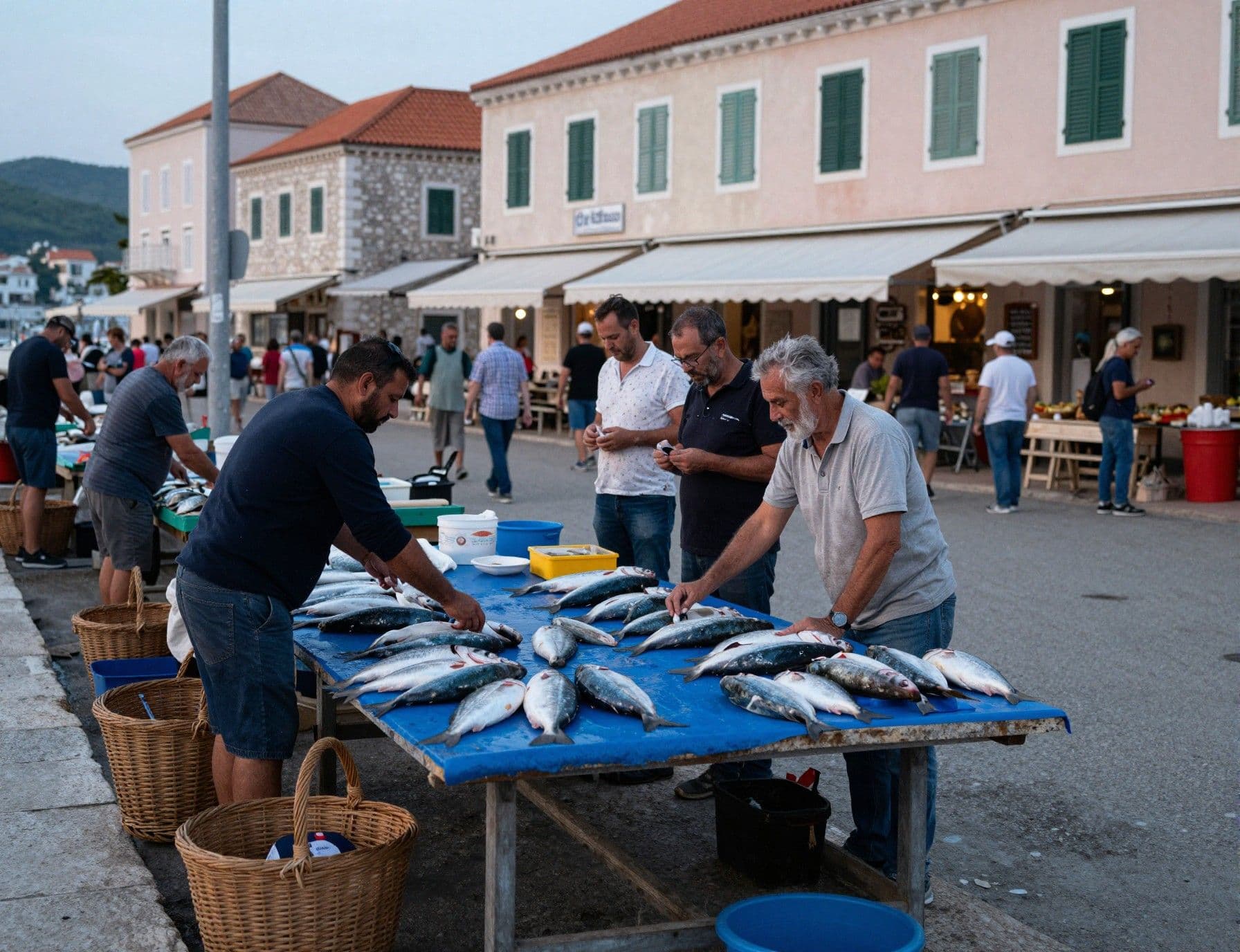
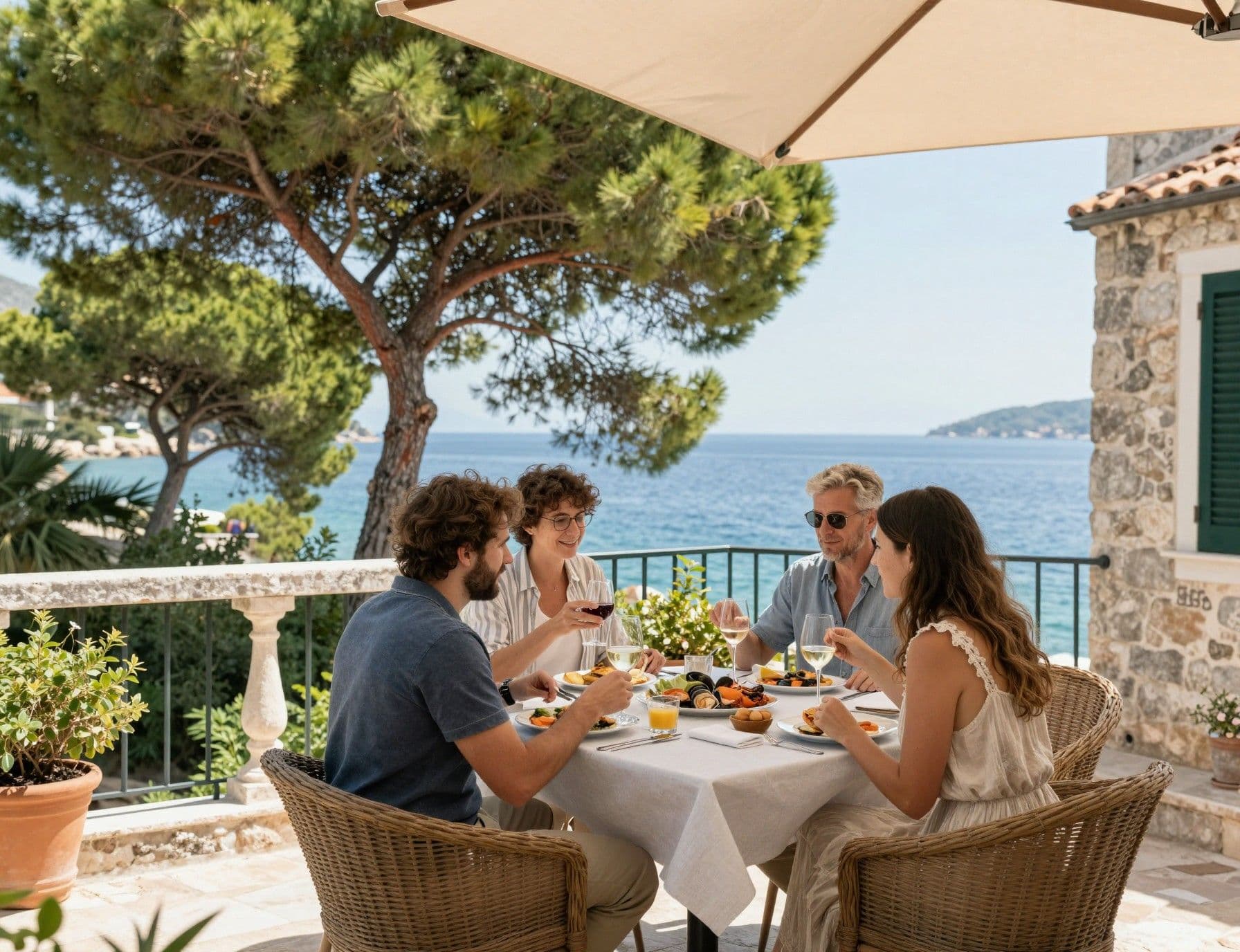
Weekends in coastal towns revolve around fish markets, konobas (local taverns) and seasonal festivals that temporarily swell demand for short rentals. Local producers—olive oil makers in Istria, winemakers in Pelješac—create micro‑tourism that supports boutique guesthouses. These cultural economies convert into higher per‑sqm valuations in walkable cores and in properties with outdoor entertaining spaces.
- Varoš (Split): stone alleys, stable long‑lets
- Bačvice (Split): beach proximity, high short‑let seasonality
- Old Town Dubrovnik: regulatory limits and tourism premium
- Istrian hill towns: year‑round quality of life, renovation upside
Making the move: regulatory changes that reprice returns
Regulation is the single most concrete thing that can change an investment’s cashflows overnight. Croatia maintains a reciprocity and consent framework for non‑EU buyers and near‑automatic parity for EU/EEA/Swiss nationals—meaning European buyers generally buy with the same rights as Croatians while third‑country nationals often need ministerial consent. Recent clarifications from government sources reiterate that agricultural and protected lands remain restricted, and administrative approvals can add weeks to closing timelines—directly affecting holding costs and time‑to‑rent. These are not arcane rules: they determine deal feasibility.
What’s changed lately and why it matters
Legal commentary and consolidated statutes confirm two practical consequences for buyers: first, non‑EU buyers must assess reciprocity and expect ministerial review, which can introduce approval risk and time costs. Second, EU buyers enjoy near parity but still face local zoning and protected‑area exclusions that block purchases of certain coastal plots and agricultural land. For investors, these translate to transaction risk, potential pre‑emptions, and a need for contingencies in pricing models.
How regulation changes margin math (quick model)
- Estimate the time‑cost: add 0.5–1.5% of purchase price per month of approval delay to your holding cost when modelling cashflows
- Assume higher capex for coastal short‑lets: +10–20% maintenance and property management versus urban long‑lets
- Price sensitivity: a 5% regulatory premium (ease of purchase) can compress gross yields by ~0.5–1.0 percentage points depending on leverage
Insider knowledge: what expats wish they’d known
I’ve seen buyers fall in love with a postcard view only to discover the plot sits inside a protected zone or requires months of ministerial consent. Locals live around community calendars—church festivals, summer regattas, municipal repair seasons—that affect short‑term rental demand and noise profiles. Expats who succeed pair lifestyle targeting (which neighbourhood fits their life) with legal triage (confirm land status early). The emotional and administrative timelines must align.
Cultural integration and daily life realities
Croatians value neighbourhood ties and local commerce; being part of market routines and learning basic Croatian phrases accelerates integration and tenant relationships. Practicalities like OIB (Croatian personal ID number), local utility set‑ups and municipal taxes shape occupancy readiness for rentals. Many successful buyers invest in properties that fit local life—balconies for afternoon socialising, storage for bikes and kayaks, and kitchens sized for family meals—because these features translate to steady tenancy.
Long‑term considerations: resale, inheritance and zoning
Resale strategies must account for local succession laws and potential restrictions on agricultural or protected land. The World Bank and local legal analyses highlight administrative complexity as a long‑tail risk: incomplete documentation or zoning disputes can delay sales. Plan exit routes early—identify buyer pools (EU retirees, Croatian second‑home buyers, holiday rental operators) and confirm transferability under current laws before committing to renovation budgets.
- Confirm land category and protected status with the municipal urban planning office
- For non‑EU buyers, request reciprocity confirmation and estimate ministerial review timelines
- Model regulatory delay into holding costs and contingency budgets
- Prefer properties already registered and with clear cadastral extracts to avoid surprises
How local agencies protect the lifestyle outcome
Experienced local agencies and lawyers do two things that matter to lifestyle‑minded buyers: they map regulatory risk to neighbourhood character, and they operationalise local life (utilities, permits, tenancy rules). Use agencies that can show precedent—past approvals for non‑EU clients, rental performance data for the micro‑area, and transparent maintenance cost histories. Agencies act as translators: of language, process and local community expectations.
- Get an OIB and open a Croatian tax account before you sign—reduces post‑closing admin delay
- Secure a notarised pre‑contract and request up‑to‑date cadastral extracts to avoid encumbrances
- Run a zoning and protected‑area check with the municipal planning office; factor delays into your model
- Build a 12–18 month operational budget for coastal short‑lets that includes seasonality, management fees and 10–20% capex uplift
Conclusion: Croatia sells a lifestyle first and an investment second, but the two are inseparable. If the smell of pine and olive smoke, the sound of market chatter, and terraces full of neighbours are why you’re buying, then make regulatory certainty the second item on your checklist. Start with a local agency and a lawyer who can confirm land status and timeline; model regulatory delays into yield calculations; and prioritise properties that match the seasonal profile you want to capture. Do this and Croatia’s lifestyle becomes not just a dream, but a measurable line item in a portfolio.
Dutch investment strategist who built a practice assisting 200+ Dutch clients find Spanish assets, with emphasis on cap rates and due diligence.