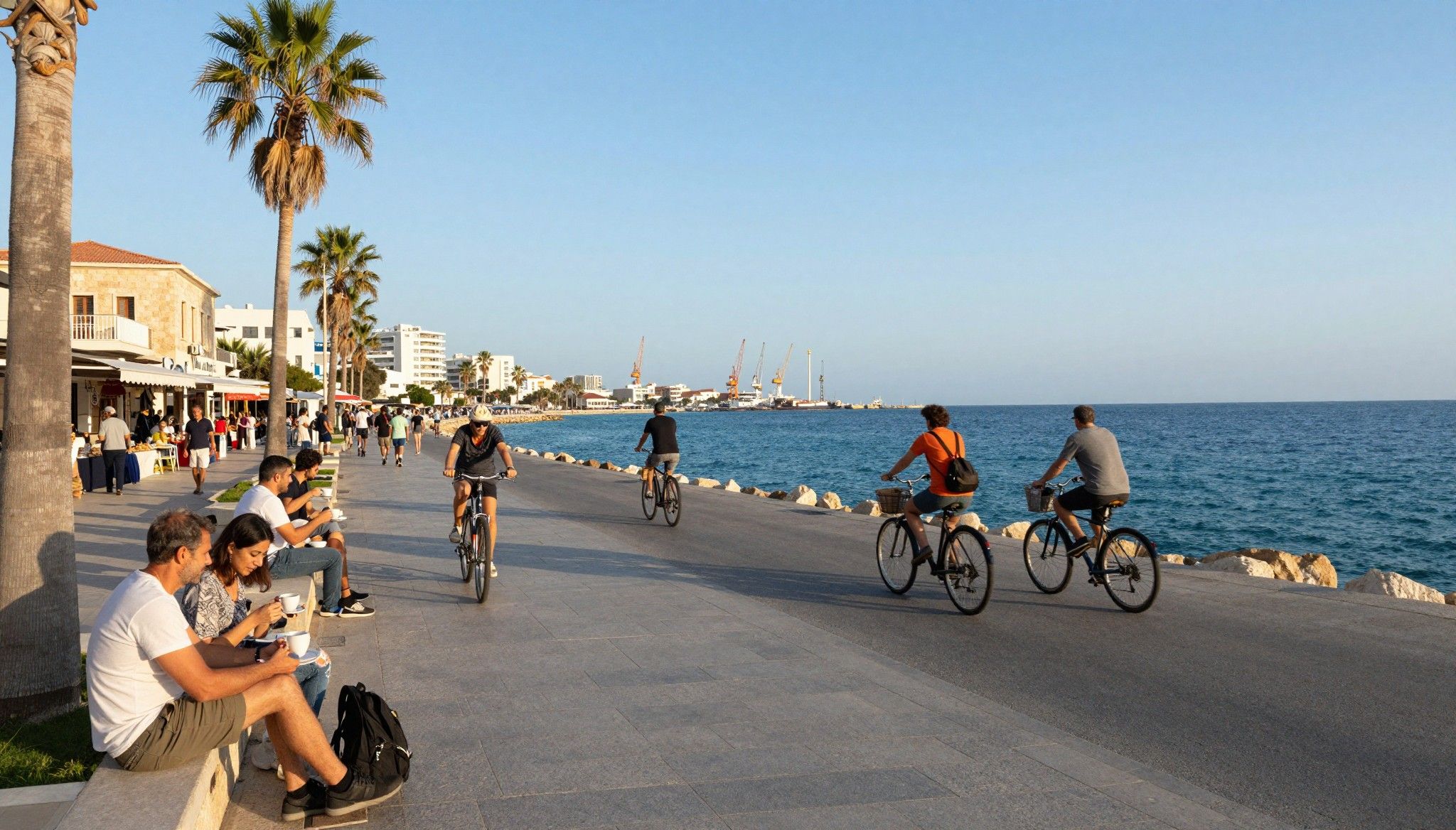
Buy Near a Train, Not a View: Italy’s Transport Returns
In Italy, proximity to stations and airports often outperforms sea views for rental yield—prioritise connectivity metrics to protect income and capital.

Imagine stepping out at 7:30 a.m., grabbing espresso at a corner bar on Via Garibaldi, then catching a 20‑minute regional train into central Milan — while your seaside villa two hours away sits empty most of the year. In Italy, the life you want and the returns you get often live a few stops apart.
Living the Italian rhythm: coffee, markets and commuting

Daily life in Italy moves to small, rhythmic loops: morning espresso, a market run, an aperitivo, and neighbourhood soccer in the piazza on Sundays. Those loops define demand: renters and seasonal visitors prize fast, reliable connections to cities and airports more than iconic views.
Neighborhood spotlight: Milan Porta Romana vs Ligurian Coast
Porta Romana (Milan) smells of espresso and new-build courtyards; it's 10–15 minutes to the city centre by metro and near the M4 line extension that shortened commutes and lifted rental demand. Contrast that with parts of the Ligurian coast (e.g., some stretches outside Levanto) where sea views command premiums but train frequency and journey times to major job centres are poor — a tradeoff for owners seeking year‑round rental income.
Food, markets and daily life that shape tenancy
A neighbourhood’s market stalls, trattorie, and commuter links determine who will rent: young professionals, international students, or seasonal tourists. Average asking prices vary — around €2,100/m² nationally in early 2026 — but the premium for superior connectivity can be 10–30% within the same city. Proximity to stations often converts to lower vacancy and steadier rents.
Making the move: infrastructure first, postcard second
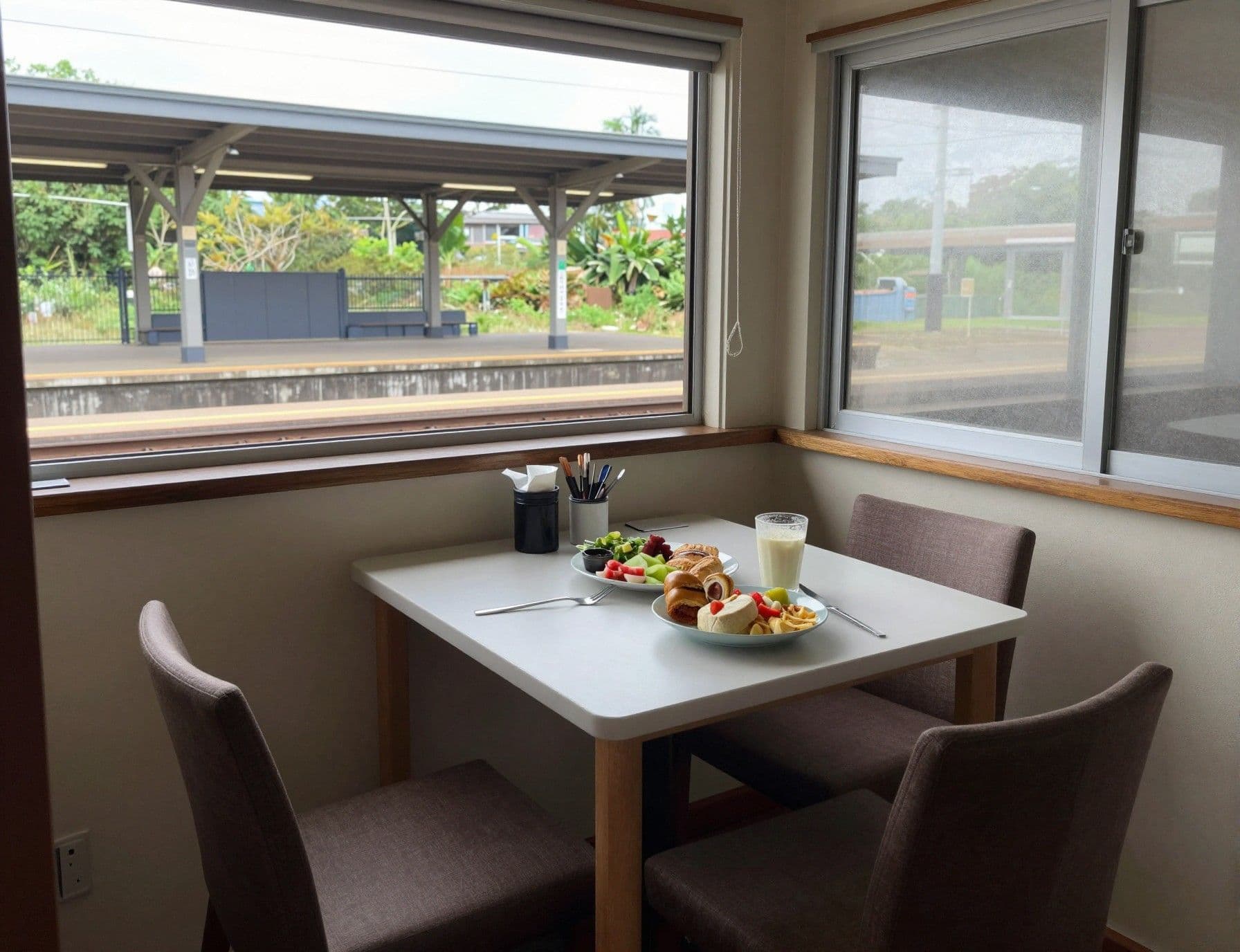
If your plan mixes lifestyle and yield, prioritise measurable transport factors — travel time to main employment hubs, frequency of regional services, and planned infrastructure upgrades — because these factors explain rental performance better than sea views. Nomisma and market observers flagged transport-linked neighbourhoods among early 2025 winners.
Property types that benefit from connectivity
Small, well‑specified apartments (40–70 m²) near stations, co‑living conversions in commuter suburbs, and short‑term rental–friendly studios close to transport hubs outperform large second homes in remote scenic spots when measured by gross yield and occupancy.
- Practical steps: prioritize connectivity in your search
- Check door‑to‑door commute times to major job centres and airports, not just station-to-station times.
- Inspect train frequency outside peak hours and weekends; lower frequency shrinks tourist and long‑stay demand.
- Compare asking price per m² with nearby areas that have better links; a connectivity premium of 10–30% can be rationalised by lower vacancy.
Insider knowledge: expat realities and infrastructure surprises
Expat tenants often prioritise predictable commutes and international connectivity. ISTAT data show steady national price growth into 2025, but regional dispersion is wide. That means a modest premium paid for connectivity can protect capital through occupancy resilience while pure tourism spots are more seasonally volatile.
Cultural and seasonal caveats
Italy’s seasons shape demand: university semesters, festival calendars and summer tourism create rental spikes. However, locals’ preference for short city commutes means that outside high season, areas with weak transport links can see steep occupancy drops. Match the property type to seasonal patterns — short‑term holiday lets near beaches, long‑let commuter flats near stations.
- Lifestyle-to-yield tradeoffs: quick checklist
- If you crave mornings on a terrace with a sea view, accept seasonal income and higher vacancy.
- If you want steady rental yield, favour compact units near regional hubs, university campuses or fast rail links.
Working with agents: what to ask
- Ask agents for historical occupancy rates, examples of comparable lettings within a 20‑minute commute band, and forecasts for nearby infrastructure projects. Local agents should provide tram/metro/timetable evidence, not just distance claims.
- Request net yield scenarios (gross rent less management, taxes, and typical vacancy) for both high‑season and off‑season years.
Conclusion: fall in love with the life — hedge with the commute
Italy sells a rare combination: daily rituals that feel like a holiday and hard data that rewards sensible tradeoffs. Prioritise connectivity when measuring expected yields; buy the life you want but underwrite it with commute and infrastructure evidence. Next step: shortlist neighbourhoods within 30 minutes of major employment hubs, ask for real‑world occupancy history, and let local specialists convert lifestyle narratives into yield scenarios.
Danish relocation specialist who moved to Cyprus in 2018, helping Nordic clients diversify with rental yields and residency considerations.