Reciprocity, Rentals and Regulatory Risk in Croatia
Croatia’s lifestyle appeal meets new tax and tourism rules — model higher taxes, check coastal rental limits and secure legal consent to protect yields.
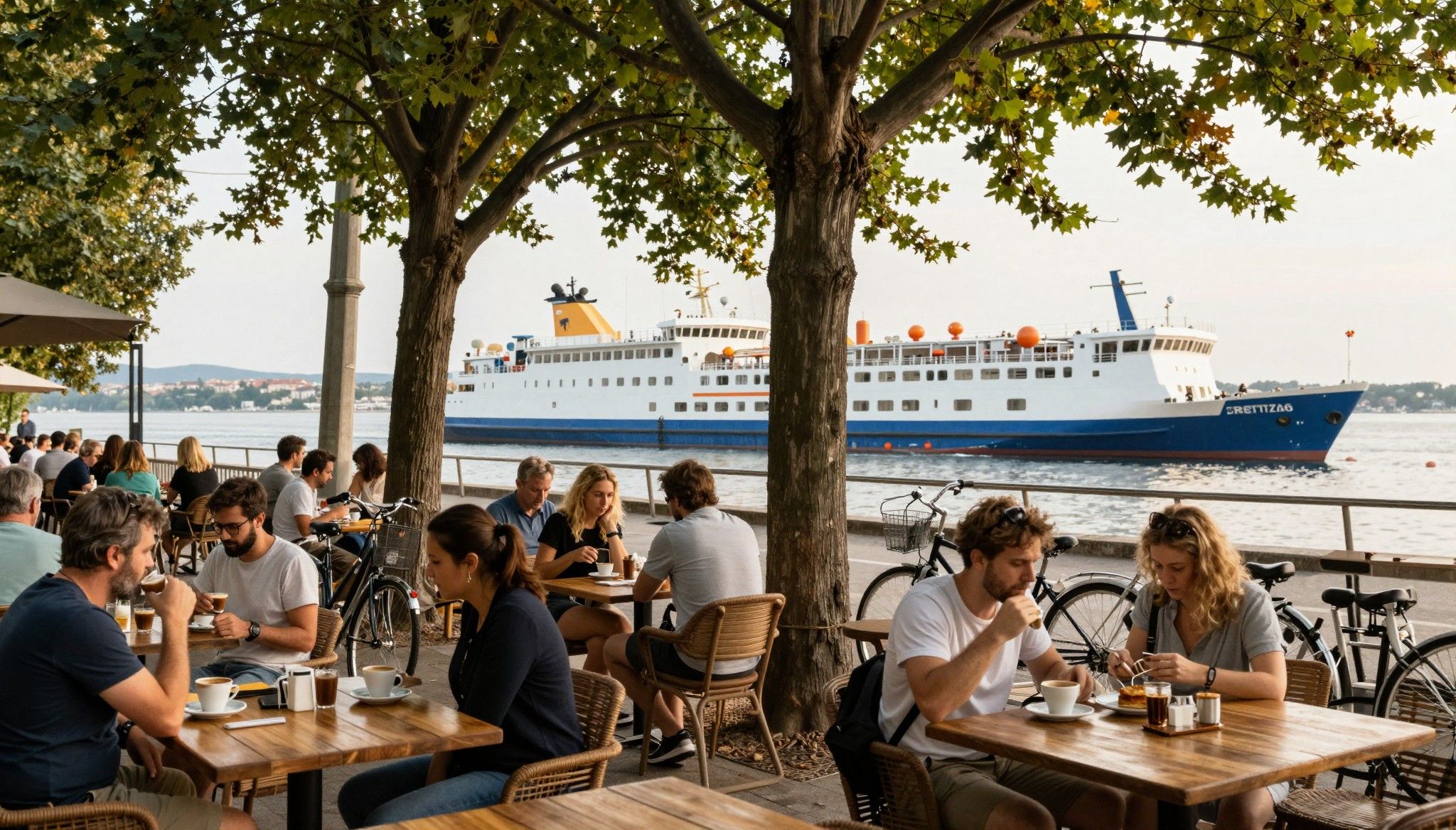
Imagine sipping espresso on a shaded table in Zagreb’s Tkalčićeva, then stepping onto a ferry bound for a stone‑paved Dalmatian island where life slows and seafood rules the day. Croatia’s rhythm—urban cafés, weekend Istrian markets, summer island migrations—shapes how homes are used, rented and regulated. Recent legal shifts mean those weekend dreams now carry clear financial consequences for international buyers.
Living Croatia: the daily scenes that shape value
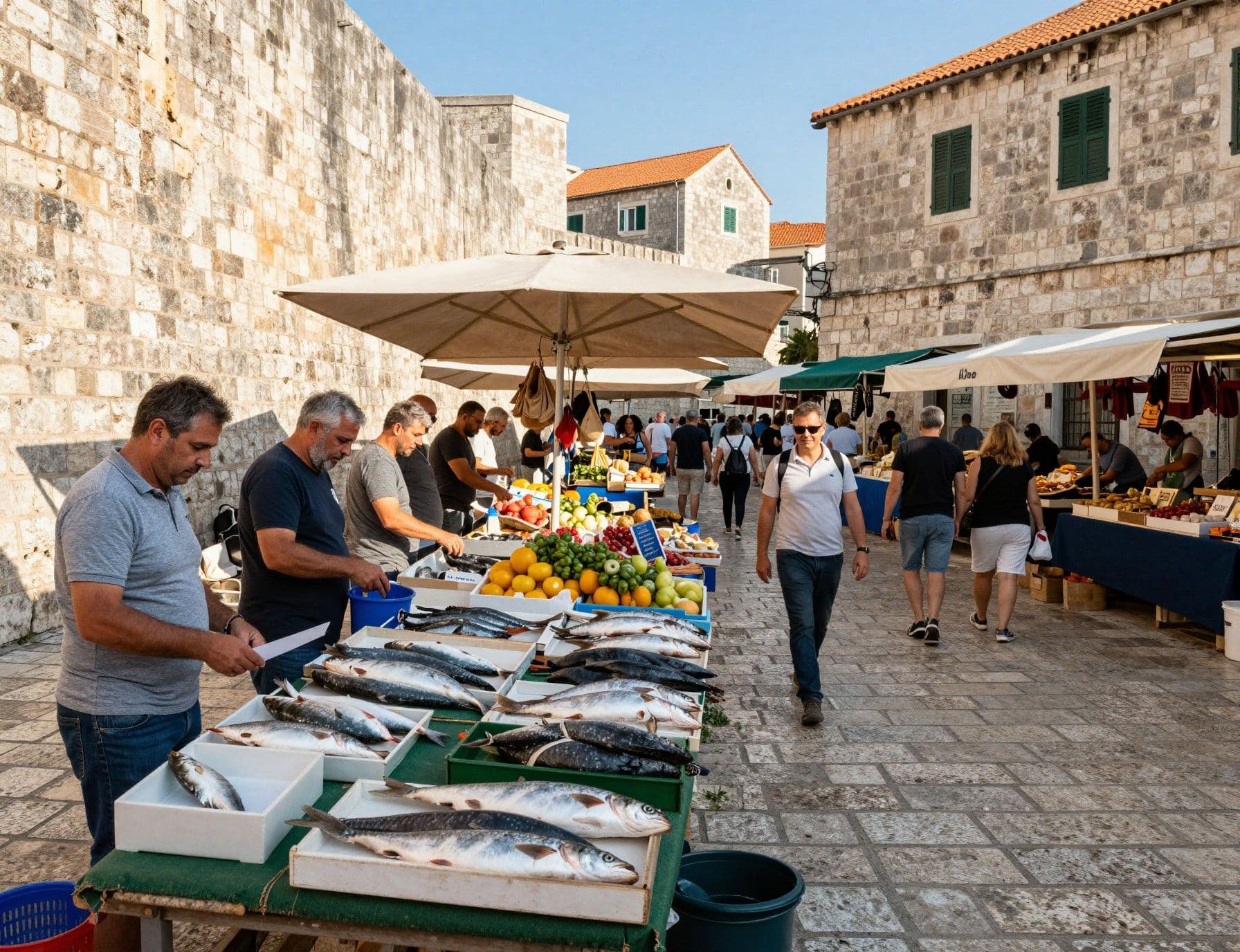
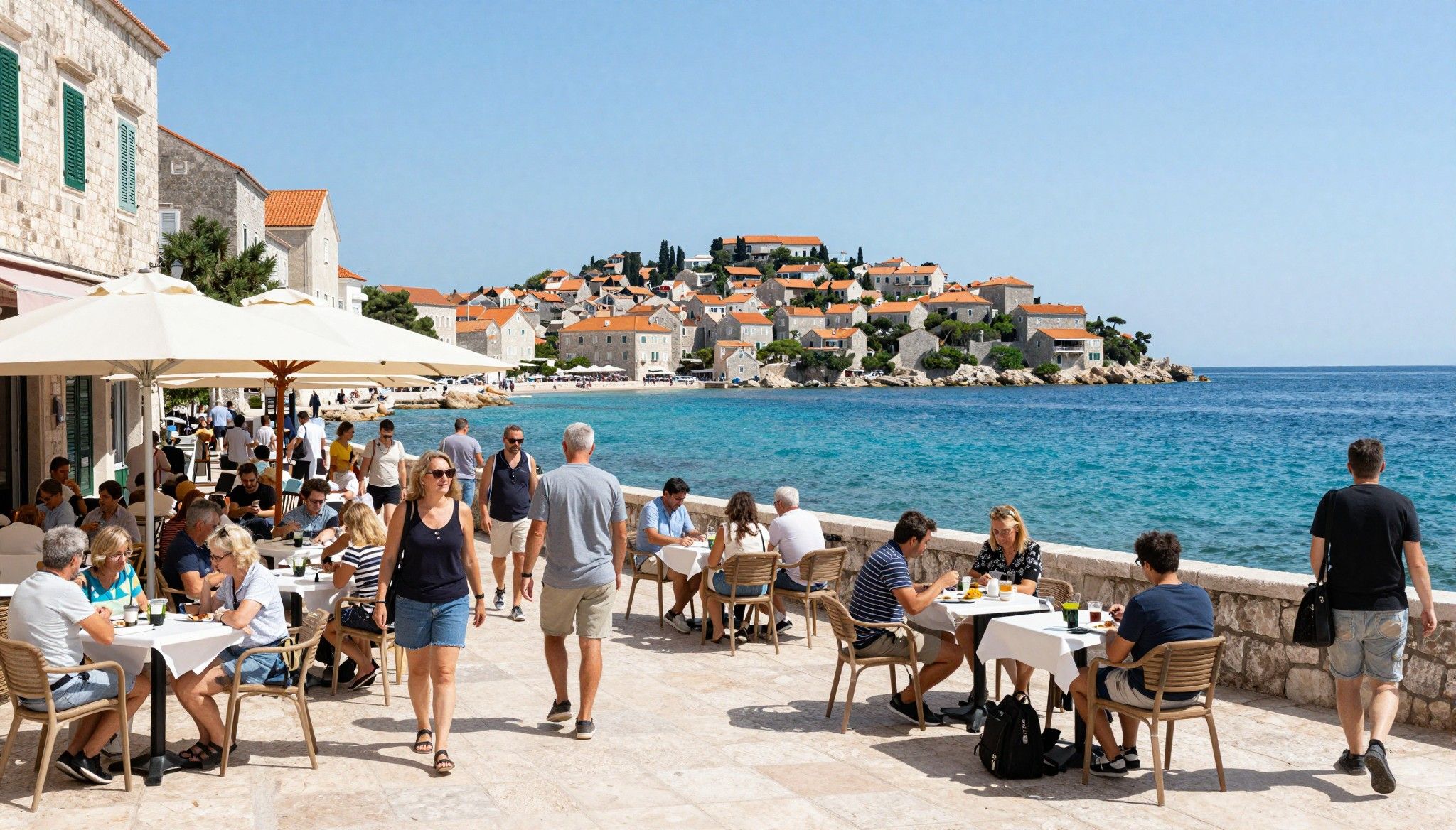
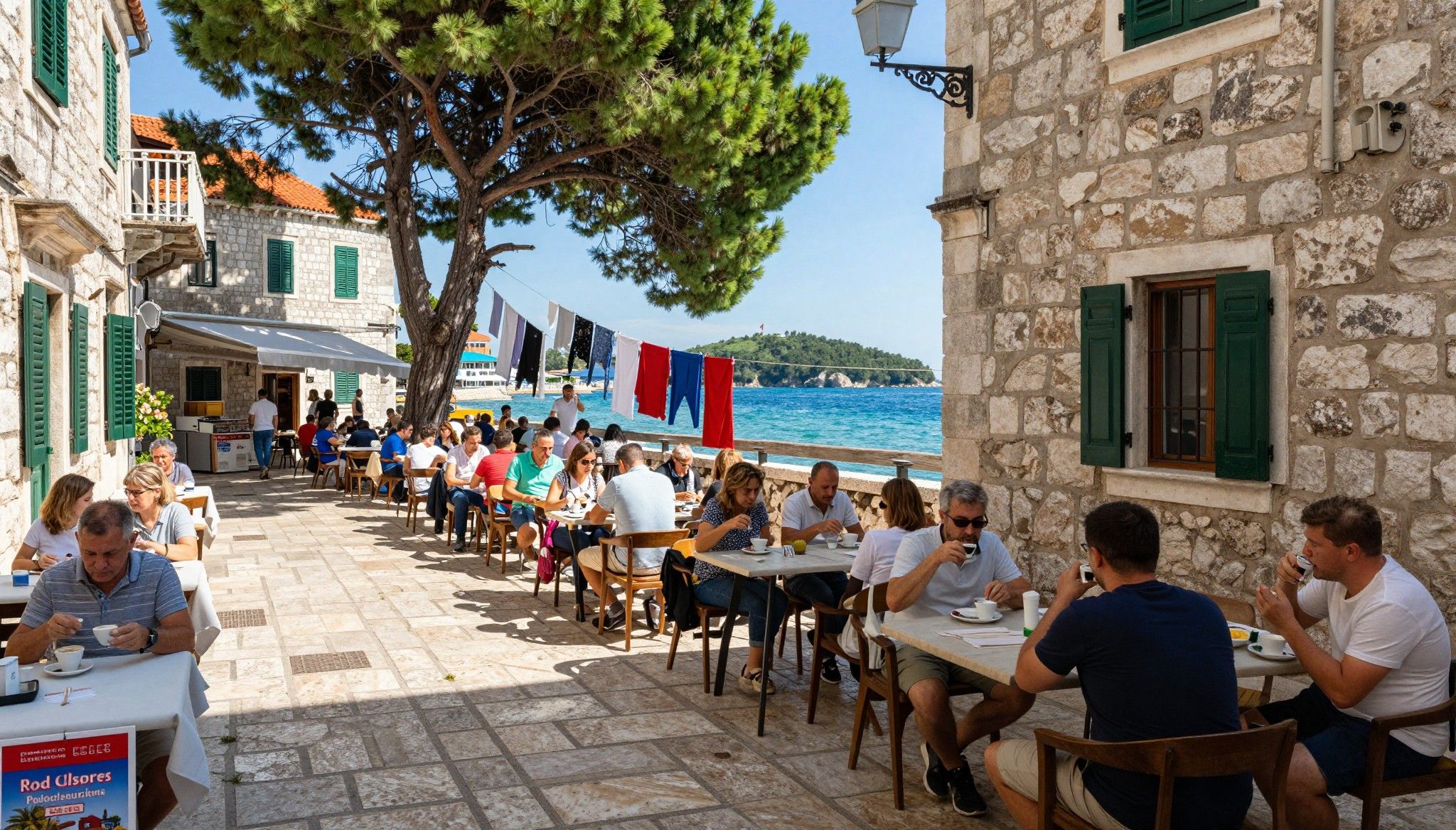
Life in Croatia blends Mediterranean tempo with Central European order. Morning markets in Split and Rijeka, after‑work promenades on Zagreb’s promenades, and a coastline where short seasons spike demand—these patterns determine rental seasonality, maintenance cycles and tenant expectations. For investors, lifestyle patterns equal cash‑flow pulses: strong July–September occupancy, quieter shoulder months, and a domestic demand floor from local weekenders.
Zagreb, Dalmatian coast, Istria — distinct market beats
Zagreb offers year‑round tenancy potential—students, professionals and digital workers—so apartments there often give steadier yields. Dalmatian towns (Split, Zadar, Dubrovnik) deliver high seasonal income but require active management and peak‑season readiness. Istria’s hill towns and Rovinj attract longer‑stay lifestyle buyers and premium rentals tied to gastronomy and wine tourism.
Food, festivals and transport: lifestyle drivers of demand
Local festivals (e.g., Dubrovnik Summer Festival), truffle season in Istria and sailing events create short windows of outsized rental demand. Connectivity matters: properties near ferry lines, Zagreb’s tram/light rail nodes, or Split airport access command premiums. Expect higher per‑sqm prices within easy walking distance of cultural venues or regular transport links.
- Lifestyle highlights that influence property premiums: Tkalčićeva cafés (Zagreb), Old Town Split waterfront, Rovinj’s market square, Hvar’s marina district, Rijeka’s emerging creative quarter, Zlatni Rat beach (Brač) for seasonal luxury rentals.
Regulatory changes that reprice returns
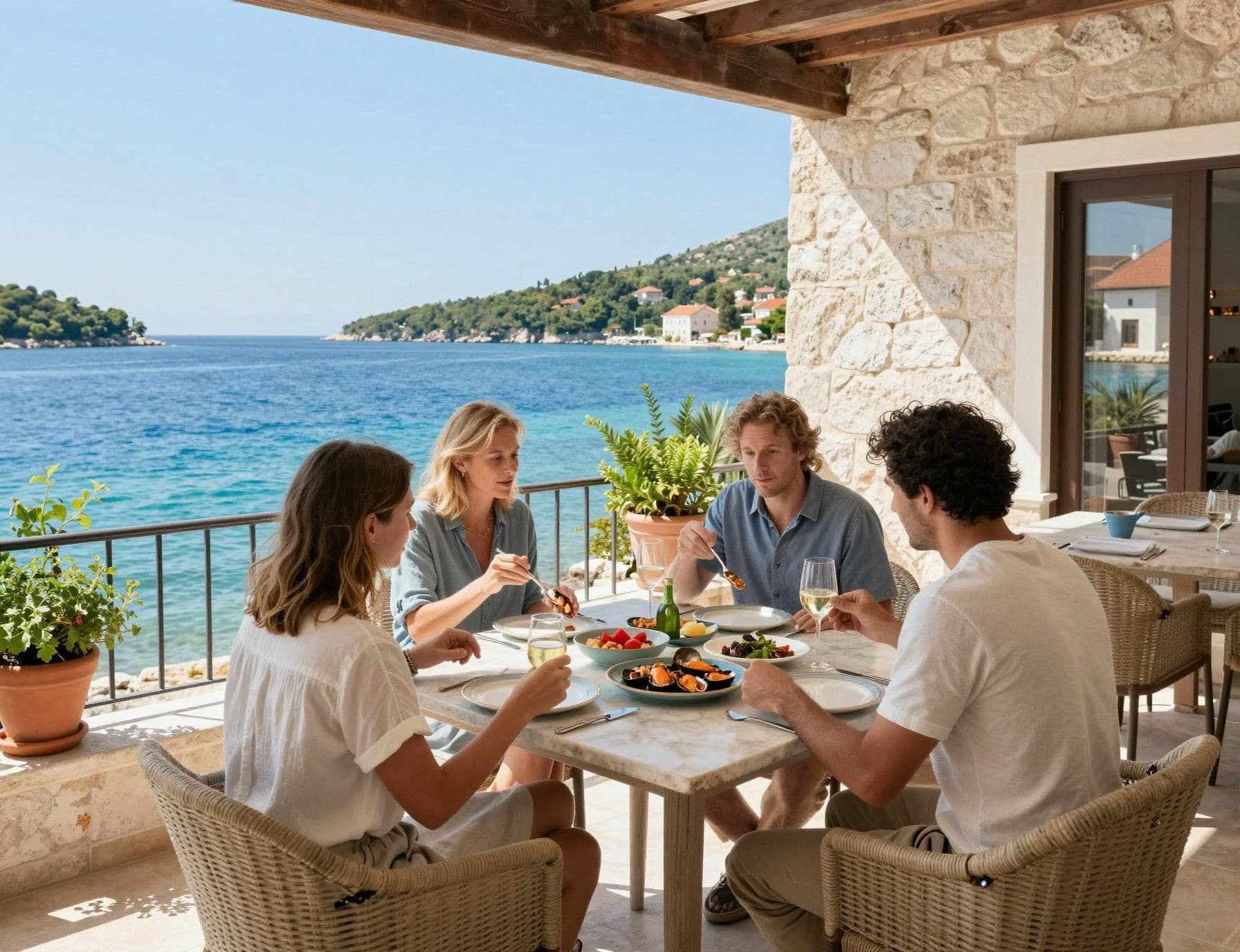
Two regulatory threads are most important for international buyers: tax reform affecting rental and capital gains treatment, and tightening tourism/property controls aimed at cooling coastal short‑term rentals. The first is fiscal—changes that lift tax rates on rental income and property transfers—and the second is territorial—municipal and national measures restricting short‑term letting density on some islands and coastal zones.
Tax moves: higher rates, changed bases
From 2024 onward Croatia raised the headline rates that affect property income: the special tax on income from property rights and property alienation moved materially higher, and rental income tax rates increased in several brackets. Practically, expect net yields to compress by 1–3 percentage points depending on your ownership structure and whether you operate as an individual or corporate owner.
Tourism rules: coastal restrictions and license regimes
Local governments and national legislators have moved to limit the proliferation of short‑term tourist lets in sensitive coastal zones. Where new registries, minimum‑stay rules or outright moratoria apply, rental revenue forecasts must be stress‑tested. Coastal municipal plans can reclassify building uses; what reads as a tourist apartment today may face operational limits tomorrow.
- Immediate regulatory impacts to model before you buy: • Higher effective tax rates reduce gross‑to‑net yields. • Short‑term rental restrictions raise operating risk and vacancy exposure. • Reciprocity and permission rules for non‑EU buyers add time and conditionality to closings. • Local zoning changes can reclassify permitted uses and affect long‑term value. • Transfer tax and stamp duty rules alter transaction costs, especially for resale.
Practical playbook: minimize regulatory drag
Don’t let headline rules be the last word. Good outcomes follow from deliberate modelling, local intelligence and contractual protections. Build scenarios that reflect tax increases, seasonal shortfall and regulatory closure; then price opportunities with conservative cap rate assumptions and exit options.
Workstreams to complete pre‑offer
- Stepwise due diligence for regulatory certainty: 1. Confirm national reciprocity if you’re a non‑EU national and secure Ministry consent where needed. 2. Request municipal zoning and tourist‑rental records to check limits and upcoming plan changes. 3. Model after‑tax cash flow using current Croatian tax tables and a stressed occupancy curve. 4. Insist on seller warranty for permitted use and obtain title insurance where available. 5. Structure closing timelines to allow registration delays and ministerial approvals.
Who to bring into the room
- Assemble a local team: a Croatian property lawyer fluent in land‑registry practice; a tax specialist who can run cross‑border net yield calculations; a licensed local agent who tracks municipal rule changes; and a property manager with coastal experience to cost‑model seasonality.
Insider knowledge: expat realities and red flags
Long‑term living in Croatia rewards those who treat property as both a home and an asset. Expats highlight friction points: bureaucratic timelines, local permit inconsistencies and the reality that coastal towns can feel different outside peak months. These practical frictions translate into additional holding costs and, if unaccounted for, into reduced returns.
Common red flags investors miss
- Red flags to spot on site visits: informal structures without permits; mismatched cadastral vs. physical boundaries; properties advertised as “private beach” (Croatian law doesn’t permit privately owned seashore access); and units that rely entirely on seasonal short‑term income without a fallback tenant market.
Long‑view: when the lifestyle and the numbers align
The best investments match lifestyle anchors with diversified demand: a Split apartment near year‑round employment hubs, an Istrian farmhouse that appeals to slow‑travel renters and long‑stay food tourists, or a Zagreb flat close to universities. These combinations smooth seasonality and protect yields against regulatory tightening.
Conclusion: Croatia still offers compelling lifestyle returns, but regulatory shifts reprice risk. Model for higher taxes, verify municipal rental rules, build conservative occupancy cases and assemble local expertise before bidding. Do that, and the smell of baking burek on a coastal morning becomes more than a holiday memory—it becomes a repeatable income stream.
Swedish financier who guided 150+ families to Spanish title deeds since relocating from Stockholm in 2012, focusing on legal and tax implications.