Greece: Buy Mobility, Not a Postcard
Greece pairs vivid, seasonal life with improving transport: prioritise year‑round connectivity, broadband and port/airport access to protect rental yields.

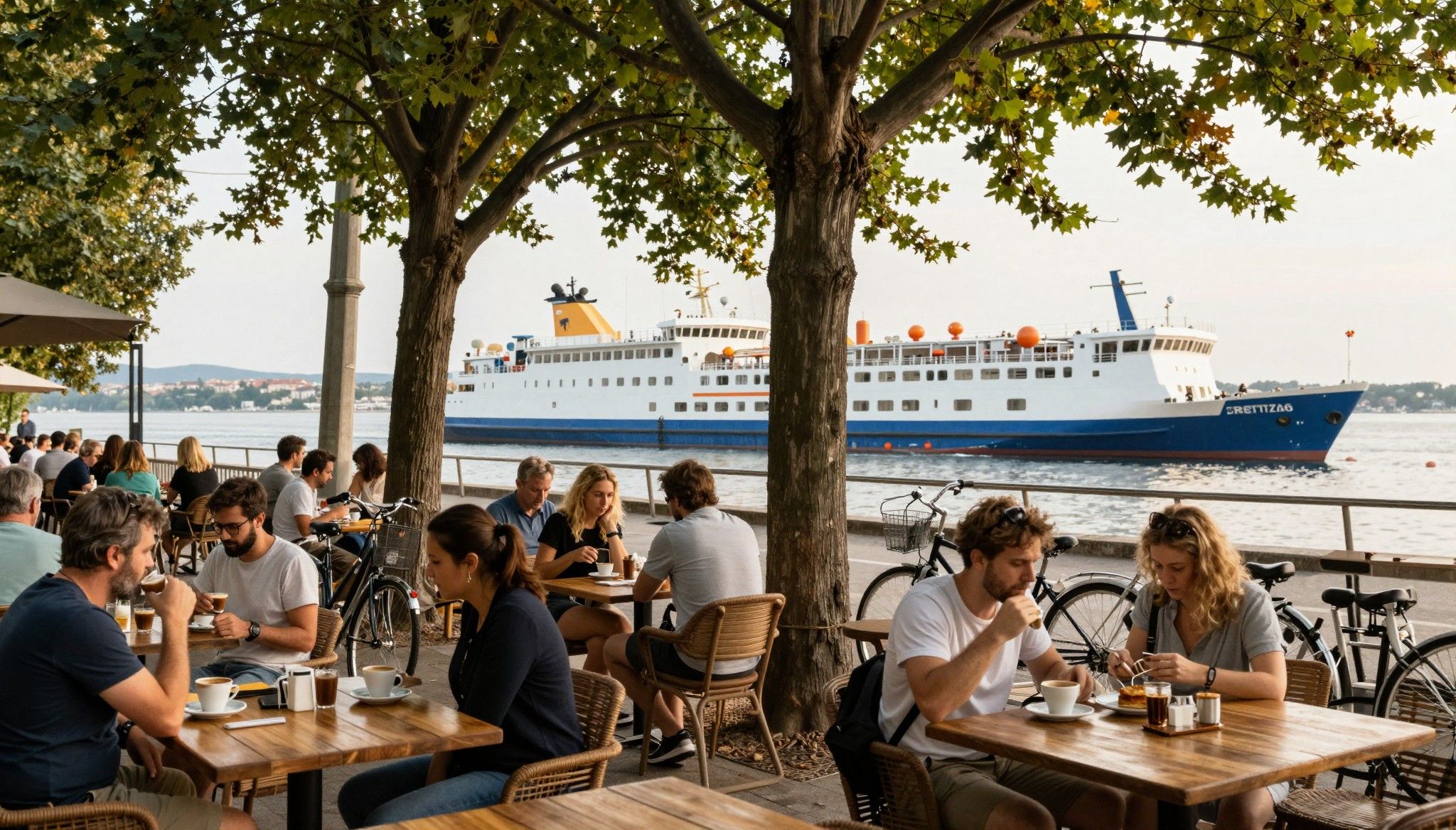
Imagine walking out of a kafeneio in Exarcheia at 9 a.m., espresso in hand, watching municipal trams glide toward Syntagma while a delivery van threads narrow streets — this is Greece: a country where ancient stones sit beside new tramlines and the rhythm of life follows sun, sea and seasonal tourists. For international buyers the question isn’t only 'Can I afford a Greek island home?' but 'Can that home earn, stay connected, and fit a life that changes with the seasons?'.
Living the Greece lifestyle, up close

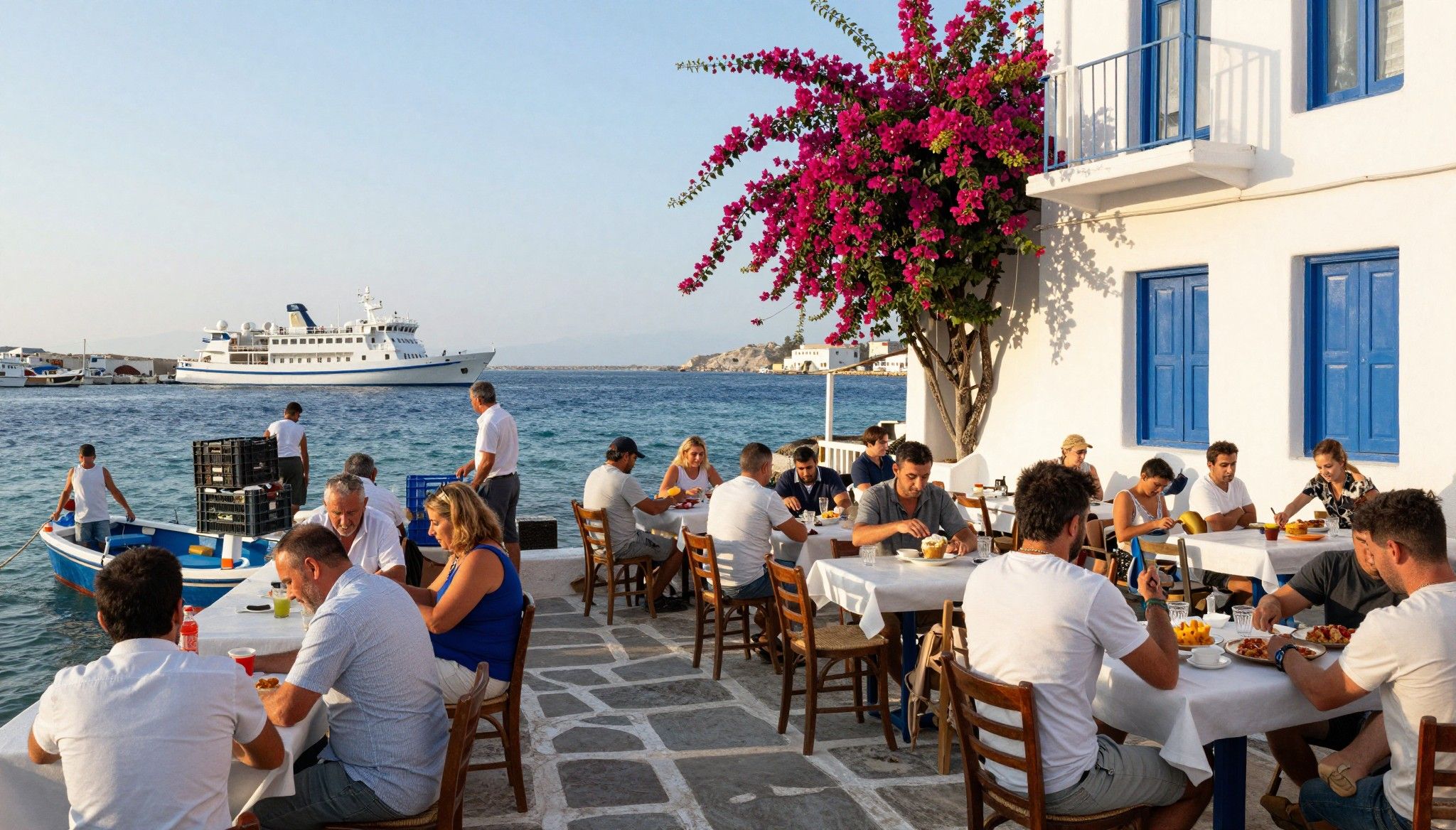
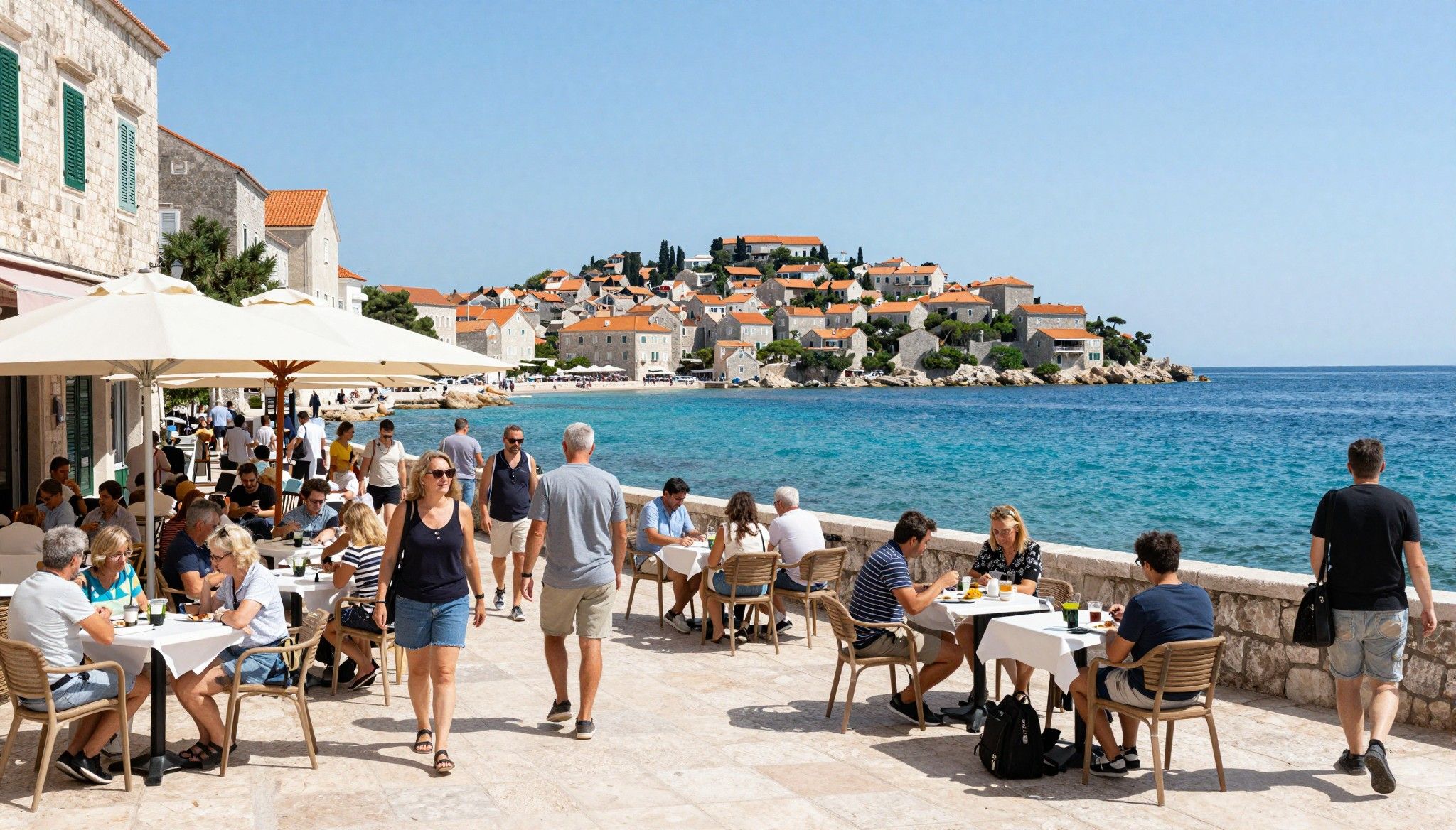
Greece is sensory: mornings smell of koulouri and sea salt, afternoons hum with neighbourhood markets and cafés, and evenings bring tavernas spilling light onto cobbled lanes. Urban buyers find layered city life in Athens neighbourhoods; island buyers get a different tempo on islands like Syros or Naxos where boats, not planes, set the schedule. Lifestyle describes how you use infrastructure — metro convenience, reliable ferry timetables, or a fast airport connection — and that use determines rental demand and yield more than postcard views.
Athens neighbourhoods: contrasts that matter
Athens is a mosaic: Koukaki and Thissio offer walkable streets and Acropolis views that attract short‑stay tourists; Pangrati and Neos Kosmos draw longer‑term renters — young professionals and families — because of parks, schools and metro access. Price per square metre and rental profiles vary sharply over a few streets; proximity to the Syngrou–Fix tramline or the M3 metro can change achievable rent by 10–20% in many submarkets.
Islands and the new connectivity story
The islands are no longer only seasonality bets. Improved regional airports (Mykonos, Santorini, Chania) and expanding low‑cost routes have extended shoulder seasons; ferry upgrades and investment in port infrastructure have reduced travel friction for tenants and owners. That shift compresses vacancy risk for well‑positioned properties but splits price growth: islands with year‑round services show steadier yields than car‑dependent micro‑islands.
- Lifestyle highlights and places to feel the difference: • Koukaki (Athens) — cafés facing Acropolis, short‑stay demand, strong walking score • Pangrati — parks, metro access, longer lease tenants • Chania (Crete) — port life, year‑round community, medical services • Syros — administrative island with sustained winter population • Thessaloniki's Ladadika — food scene, student renters, transport hub
Making the move: practical connectivity and market realities
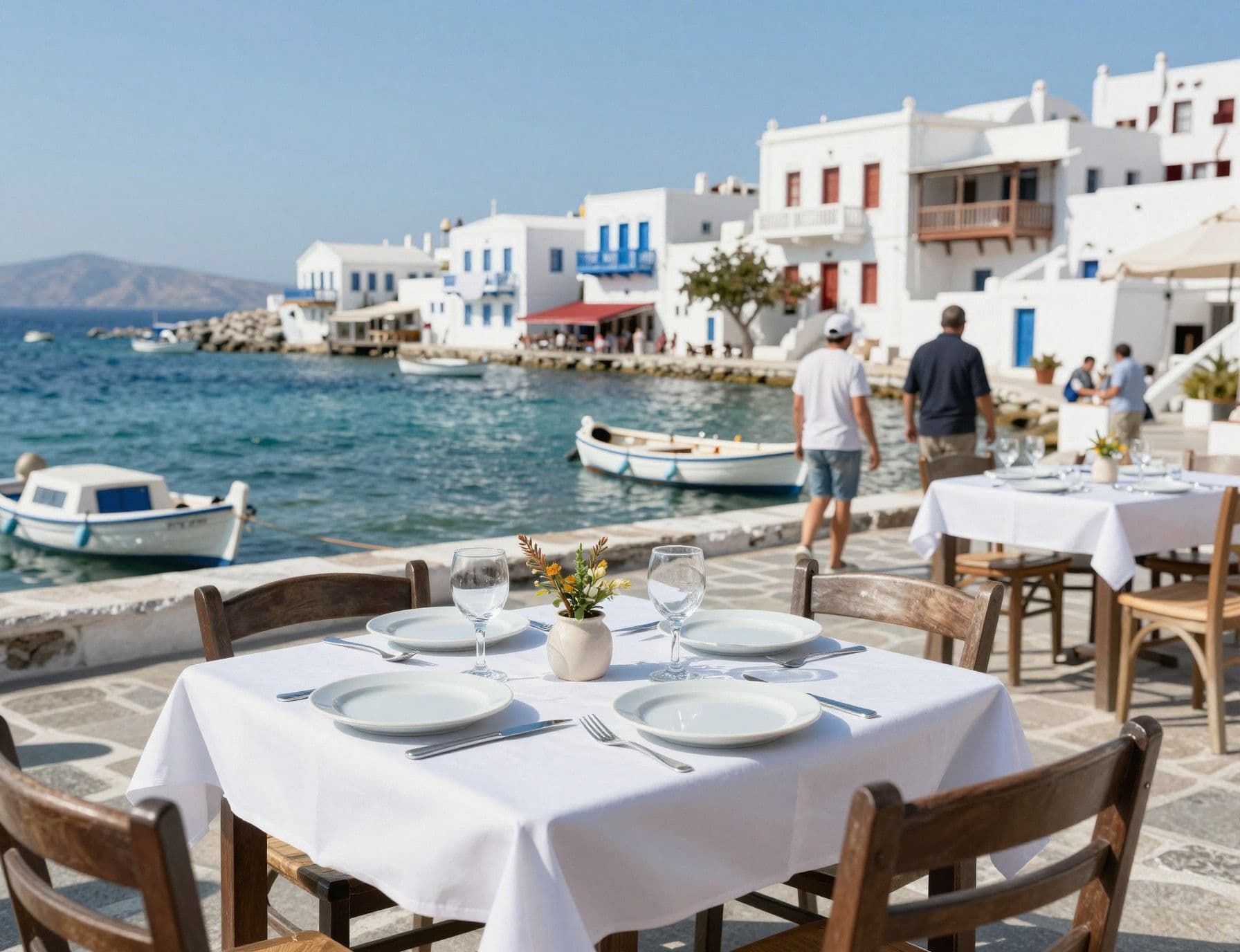
Lifestyle pictures are motivating, but yields depend on measurable connectivity and market flow. Greece's tourism rebound — documented by Bank of Greece and industry reports — has increased travel receipts and pushed demand into shoulder months; transport upgrades and EU‑funded investments improve long‑term accessibility. Use official statistics to size tourist flows, and map those flows to transport capacity before you underwrite rental forecasts.
Property styles and how they affect returns
Stone‑built Cycladic houses command premiums for holiday lets but often require higher maintenance and insulation upgrades for year‑round use. Modern apartments near metro stops give steady urban yields and lower operating headaches. When modeling returns, include seasonal occupancy, utility retrofits for energy costs, and expected port/airport accessibility improvements — these inputs can swing net yield by several percentage points.
Working with local experts who know mobility
- Steps to align lifestyle with investment outcomes: 1. Map transport: list nearest airport, ferry port and metro station and quantify travel time to property 2. Adjust revenue model: apply seasonality factors based on Bank of Greece arrival seasonality data 3. Inspect utility readiness: confirm insulation, heating and broadband as they affect long‑stay demand 4. Build contingency: add 5–8% vacancy margin for tourist‑dependent properties 5. Choose management: select agencies with on‑island logistics experience for reliable turnover 6. Reassess annually: rerun models after major infrastructure changes (new routes, port upgrades)
Insider knowledge: what expats wish they'd known
Expats often romanticise island life but underweight infrastructure friction. Practical surprises include ferry cancellations in winter, local permit delays for renovations, and stronger tenant demand where reliable broadband and year‑round services exist. On the positive side, islands with administrative centres (Syros, Chania) retain populations through winter and therefore provide steadier long‑term rental pools.
Cultural integration and daily life
Learning a few Greek phrases, using local markets (Varvakios in Athens; Modiano in Thessaloniki), and timing visits to match local festivals (Easter, local panigiria) accelerate integration. For investors, local goodwill matters: neighbours can help secure longer leases and smooth permit processes. Community ties translate directly into lower turnover and higher effective yields.
Long‑term lifestyle sustainability
Greece's Recovery & Resilience investments target digital and transport upgrades that will reduce seasonal pressure and improve energy efficiency in housing stock — both positive for long‑term occupier demand. Factor planned public investments into five‑year cash flow forecasts; a new route or upgraded port can reprice nearby properties quickly.
- Red flags local buyers spot early: • No all‑season transport: property accessible only by limited summer ferries • Poor broadband: kills remote‑work tenancy prospects • Unresolved titles or permits: common in older rural cottages • High utility retrofits needed: reduces net cash flow • Over‑reliance on single market source (e.g., one country’s tourists)
Conclusion — the tradeoff you decide: lifestyle or yield (or both). Greece offers a rare combination: a lifestyle that truly sells to tenants and a transport and infrastructure story that is improving. For investors who value predictability, prioritise properties with year‑round connectivity (metro, airport access, or administrative ports), confirm broadband and heating, and model seasonality into returns. Work with agencies that can prove logistics experience and provide data on arrivals, route seasonality and local operating costs.
British expat who moved to the Algarve in 2014. Specializes in portfolio-focused analysis, yields, and tax planning for UK buyers investing abroad.