Croatia: Coastline Hype vs. Inland Yield
Coastal charm masks divergent returns: Croatia’s price growth is coastal‑heavy while inland and Zagreb often deliver better gross yields for steady rental income.
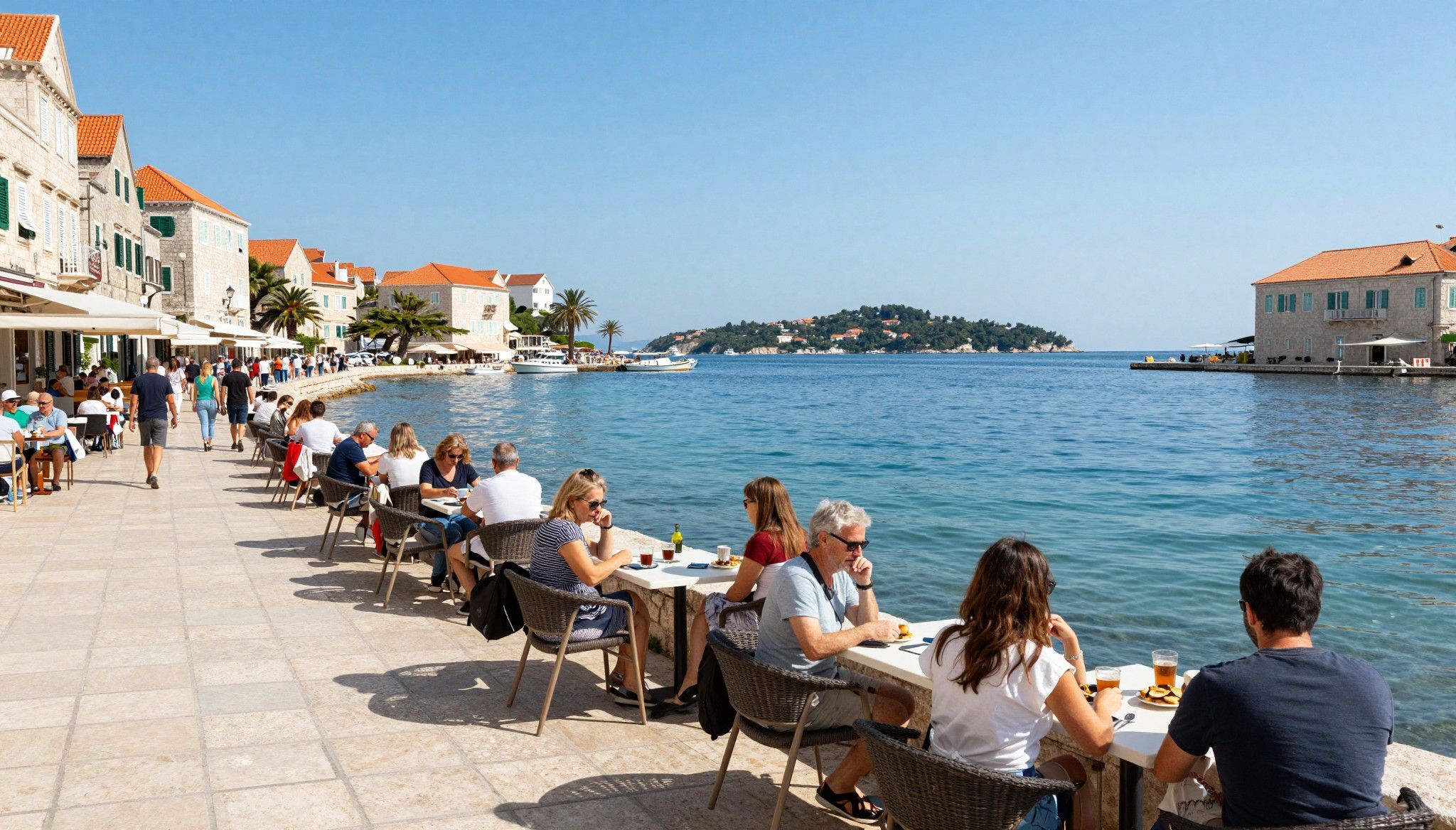
Imagine sipping a macchiato at a sun-splashed café on Split’s Riva, then walking five minutes to a quieter lane where a 19th‑century stone building shades laundry and local life. Croatia’s coast sells a story—Adriatic light, pebble coves and centuries of history—but the investment story is more subtle. Data show strong price growth concentrated in prime coastal nodes while inland markets offer materially different yield profiles. This guide pairs the lived, sensory Croatia with the numbers international buyers need to weigh capital appreciation against rental income.
Living Croatia: everyday rhythms and real places
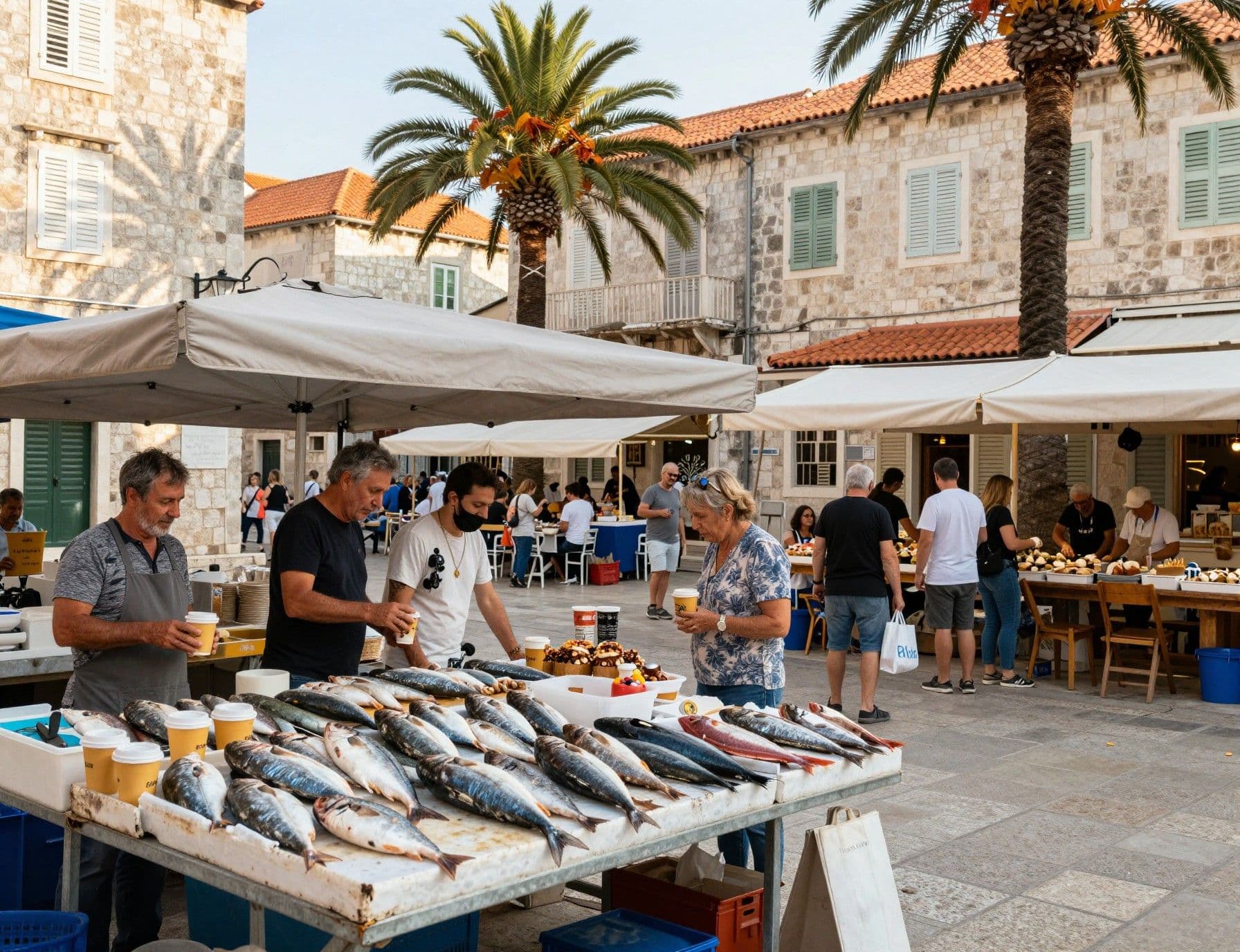
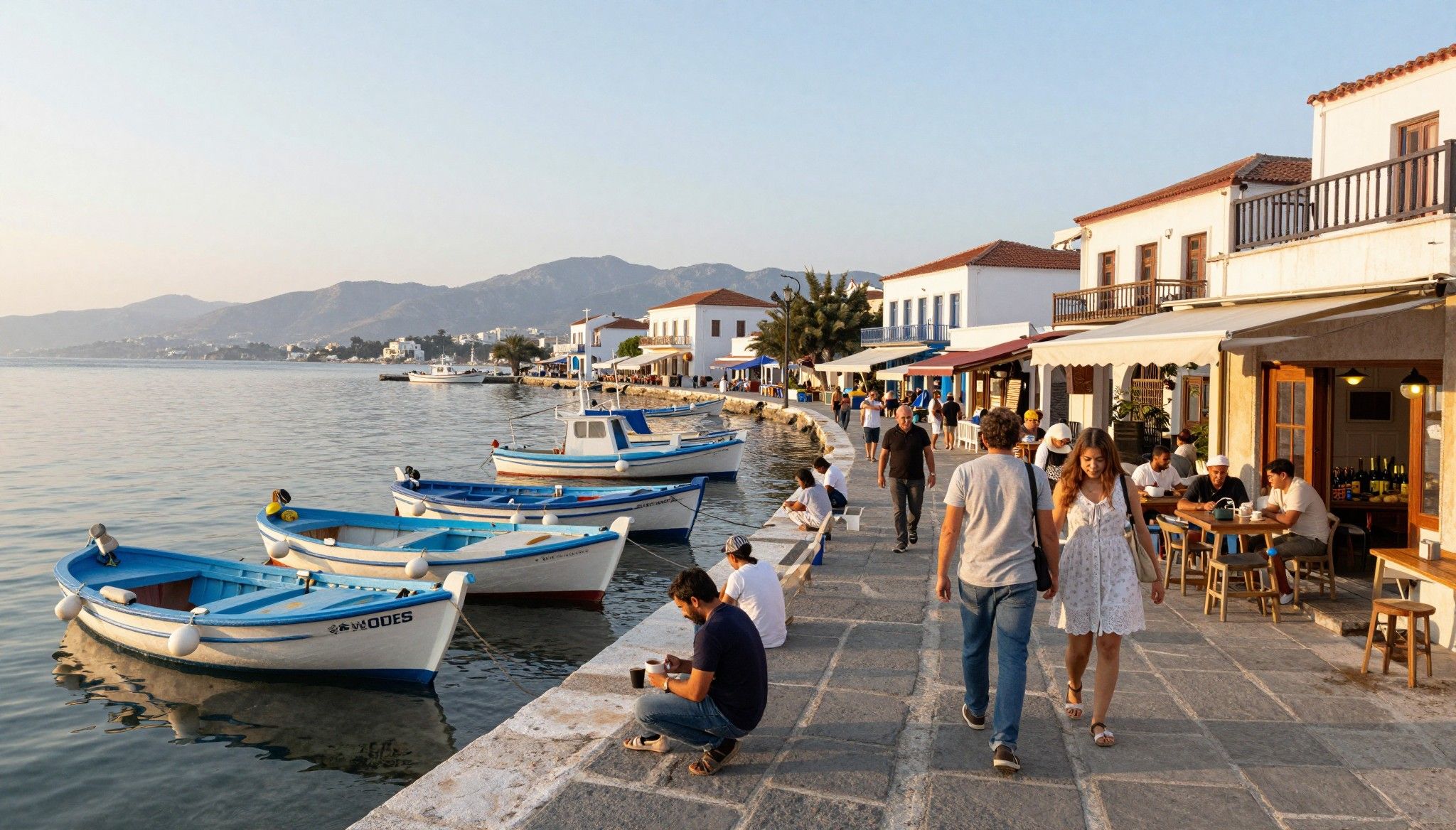
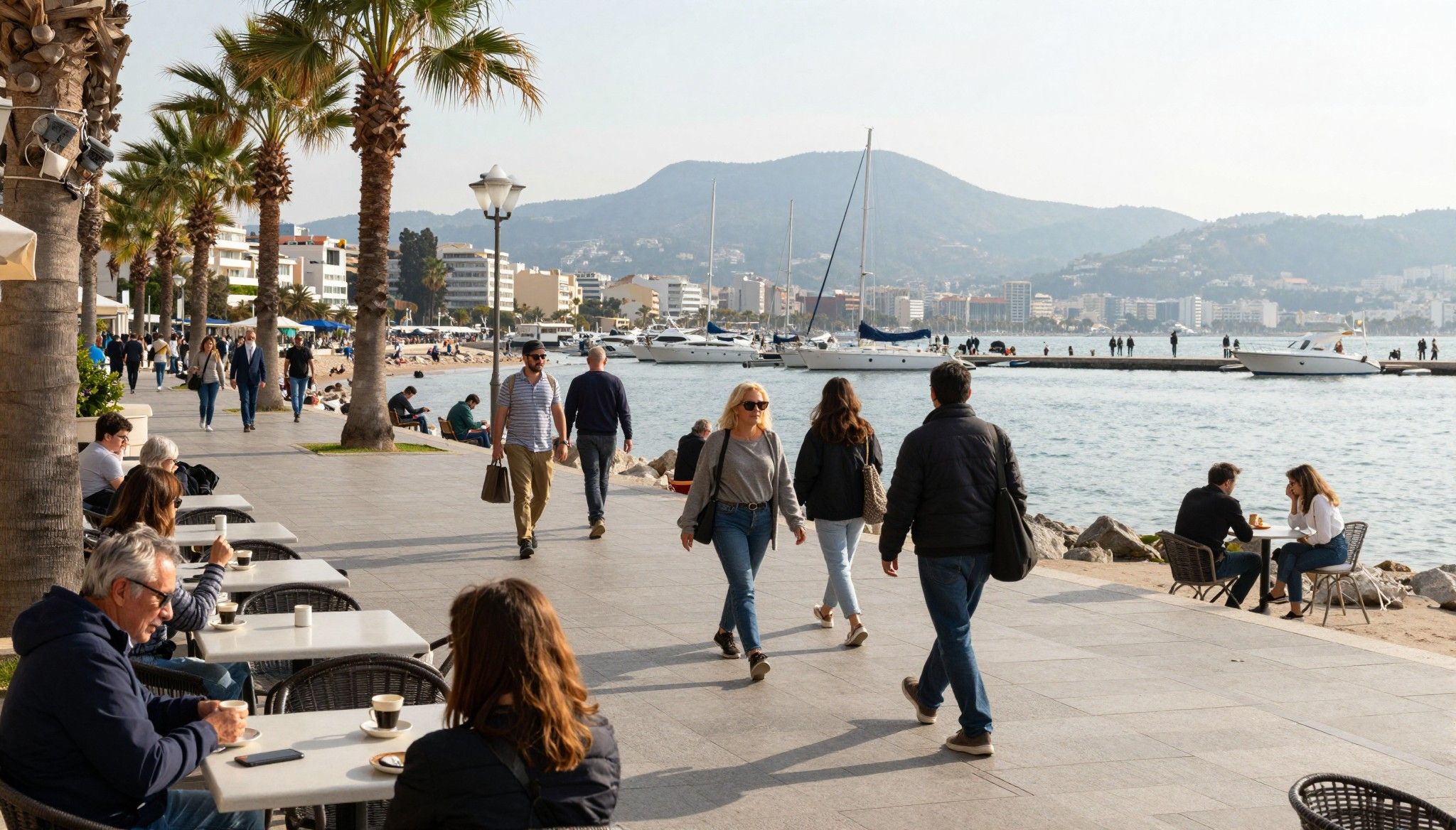
Living here is seasonal and sensory. Summers taste of grilled fish and sea salt, mornings belong to bakeries in Zagreb and Pula, and autumns smell of truffle oil in Istria. Streets change character by hour: coastal promenades throng with tourists from June to September, while inland towns like Varaždin and Osijek resume a steadier, year‑round tempo. For buyers, that shifting cadence matters because demand drivers (short‑let tourism versus long‑term local renters) map directly onto returns.
Coastlines: Split, Dubrovnik, Istria — spectacle and premiums
Dubrovnik and parts of Istria command the highest price per square metre and the strongest seasonal occupancy. In these micro‑markets, tourism demand underpins elevated capital values but compresses gross yields for long‑term rentals. Expect friction between owners who favour short‑stay revenue and managers focused on stable tenancy—this tension affects vacancy, maintenance cycles and net returns.
Zagreb: urban fundamentals and steady rental demand
Zagreb offers the most predictable long‑term rental market: year‑round employment, universities and public services sustain demand outside the tourist calendar. That makes it a natural fit for investors targeting stable gross yields and lower seasonal volatility compared with the coast. Consider neighbourhoods like Maksimir or Trešnjevka for rental demand driven by locals and expatriate professionals rather than holiday flows.
Why headline 'expensive coast' is only half the story
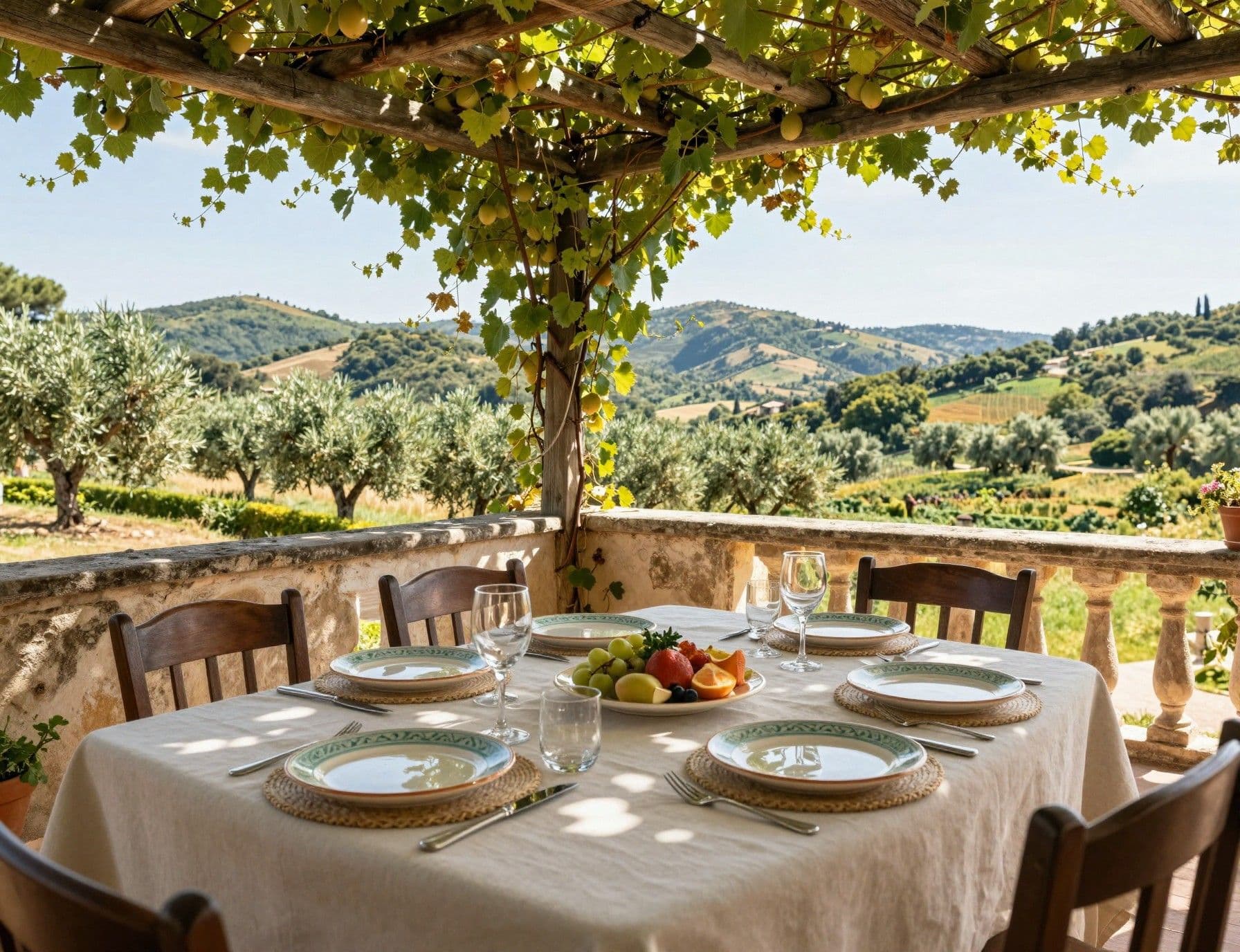
Official data show Croatia’s house price index rose materially through 2024–2025, concentrated in tourist hotspots and prime coastal municipalities. But averages mask micro‑market divergence: inland towns show lower capital growth and higher gross yields, while Dubrovnik and certain Istrian towns exhibit strong price appreciation and lower rental yields. For investors, the key is separating capital‑growth premium (where you pay for scarcity and lifestyle) from yield‑driven opportunity (where rents relative to price are higher).
Numbers that matter: price per m² and gross yield reality
Market research and short‑let platforms indicate typical asking prices range from roughly €2,000–€5,000/m² outside prime coastal pockets, to €4,000–€6,000/m² (or higher) in hotspots. Gross yields for long‑term residential rentals commonly fall between 3–5% in tourist premium areas and 4–7% inland or in Zagreb neighbourhoods. Short‑stay seasonal yields can look attractive on paper but come with higher operating costs, variable occupancy and tighter regulation risk.
Making the move: marry lifestyle choices to yield targets
Start with the lifestyle tradeoff: do you prioritise a coastal postcard (higher prices, seasonal income) or steady urban cashflow (lower volatility, stronger year‑round rents)? Your answer should set an explicit target for gross and net yields before you view properties. That prevents emotional overbidding in coveted beacheside streets where lifestyle premiums can erode investment returns.
Property types and how they map to life and returns
Stone town apartments (e.g., old Split alleys) offer high tourist appeal but require frequent maintenance and license management for holiday lets. New build blocks in Zagreb or Rijeka provide easier tenancy management and steadier rents. Renovation projects in inland Istria or Slavonia can deliver higher yields after value‑add work, but plan for longer timelines and local contractor sourcing.
- Six steps to align lifestyle with investment targets
1. Specify target net yield (after tax, fees, and vacancy) and acceptable holding period. 2. Choose micro‑markets: pick 2–3 neighbourhoods that match lifestyle and yield profiles. 3. Run comparative price/m² checks against DZS and local listings to identify outliers. 4. Factor seasonal occupancy if relying on short lets and model realistic 12‑month cashflow. 5. Engage a local agent familiar with licensing and HOA rules; demand portfolio references. 6. Build a contingency (5–10%) for renovation and regulatory costs in your pro‑forma.
Insider knowledge: what expats wish they’d known
Expats often underestimate seasonality and overestimate short‑let resilience. Neighbourhoods that glow in July can be quiet eight months of the year; that affects service availability, maintenance scheduling and tenant expectations. Language matters less for transactions (many agents work in English), but local relationships—craftspeople, property managers and municipal clerks—reduce friction and protect yields over time.
Regulatory and tax notes that change yield math
Local property tax changes and short‑let registration rules introduced recently affect operating costs and compliance overhead; model taxes and municipal fees into net yield expectations.
Work with agents who handle licensing, utility transfers and seasonal management—these tasks are repeatable and make a measurable difference to vacancy and tenant turnover.
What to watch: four red flags that erode returns
Overpriced comparables in high‑tourism streets that set unrealistic price expectations.
Unlicensed short‑lets or ambiguous HOA rules that turn a nominally high‑yield asset into a compliance liability.
Poor access to year‑round services (repairs, heating in winter) in seasonal towns that increase total cost of ownership.
Relying solely on peak summer occupancy in cashflow models instead of a conservative 12‑month projection.
Conclusion: fall in love first, underwrite second. Croatia rewards buyers who pair a clear lifestyle brief with rigorous underwriting: match target net yields to micro‑markets, model seasonality, and use local expertise to close logistics and compliance gaps. If you want a coast that fills your summers, budget for a price premium and plan for off‑season management. If you want reliable rental income, look inland or in Zagreb’s dependable neighbourhoods and treat renovations as yield enhancement.
Next steps: set a numerical target (net yield and holding period), shortlist three neighbourhoods that match lifestyle and return profiles, and ask agents for three comparable sales plus audited rental statements. That simple data set separates romantic choices from investable assets.
British expat who moved to the Algarve in 2014. Specializes in portfolio-focused analysis, yields, and tax planning for UK buyers investing abroad.