Italy: Where Lifestyle Signals Meet Rental Yield
Italy’s lifestyle sells itself; smart buyers map cafés, festivals and transport to rental demand, compliance and yield—mix a centro stay with a commuter cashflow asset.
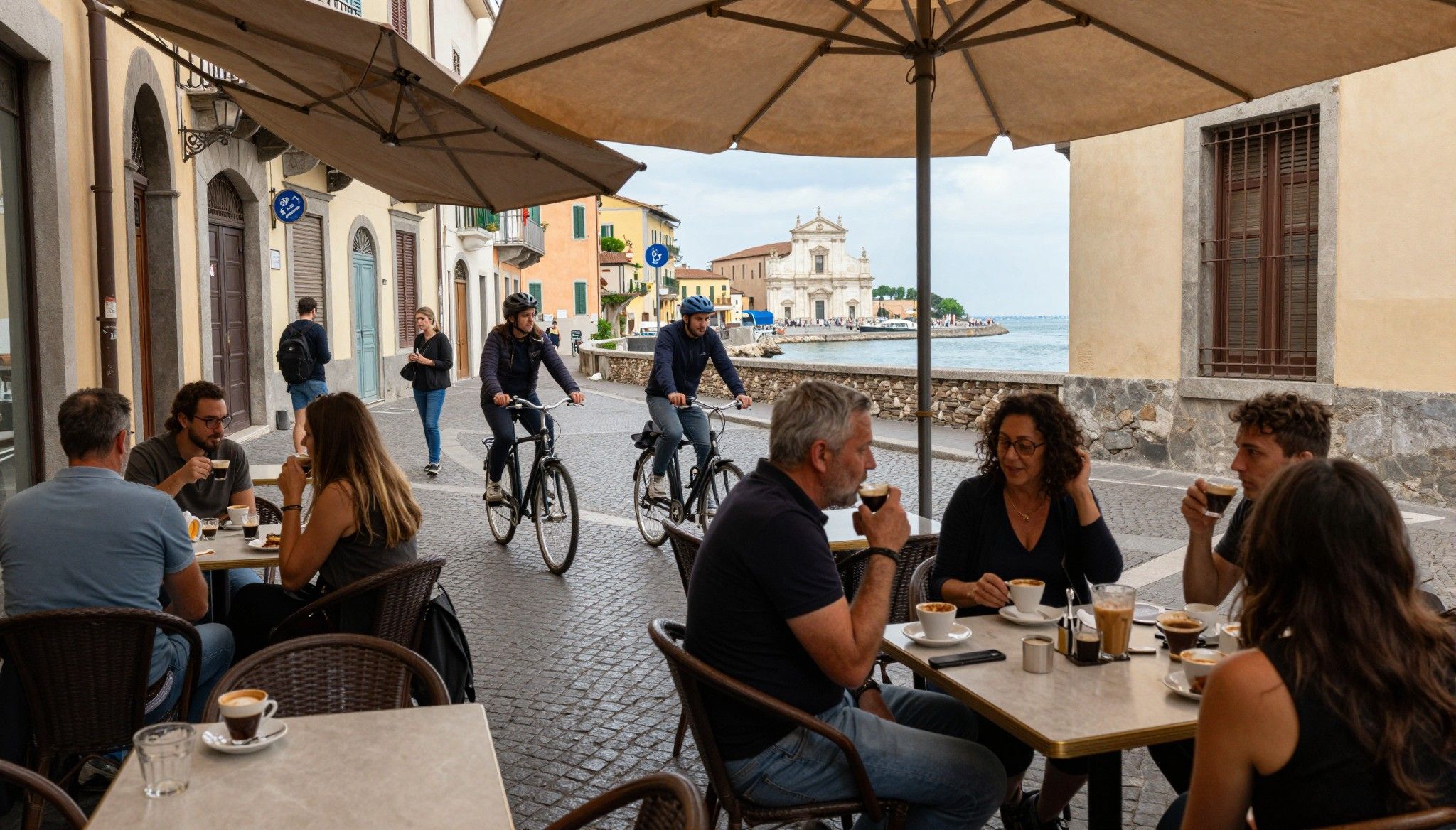
Imagine waking to the clatter of espresso cups on Via Giulia in Rome, then trading cobbled alleys for an afternoon of sea air in Amalfi by train. Italy sells itself through ritual—morning markets, late aperitivi, and neighborhood bakeries that remember your name. For international buyers this sensory life is the hook; the real question is which micro-markets turn that lifestyle into stable rental income.
Living the Italy lifestyle — vivid, local, investable
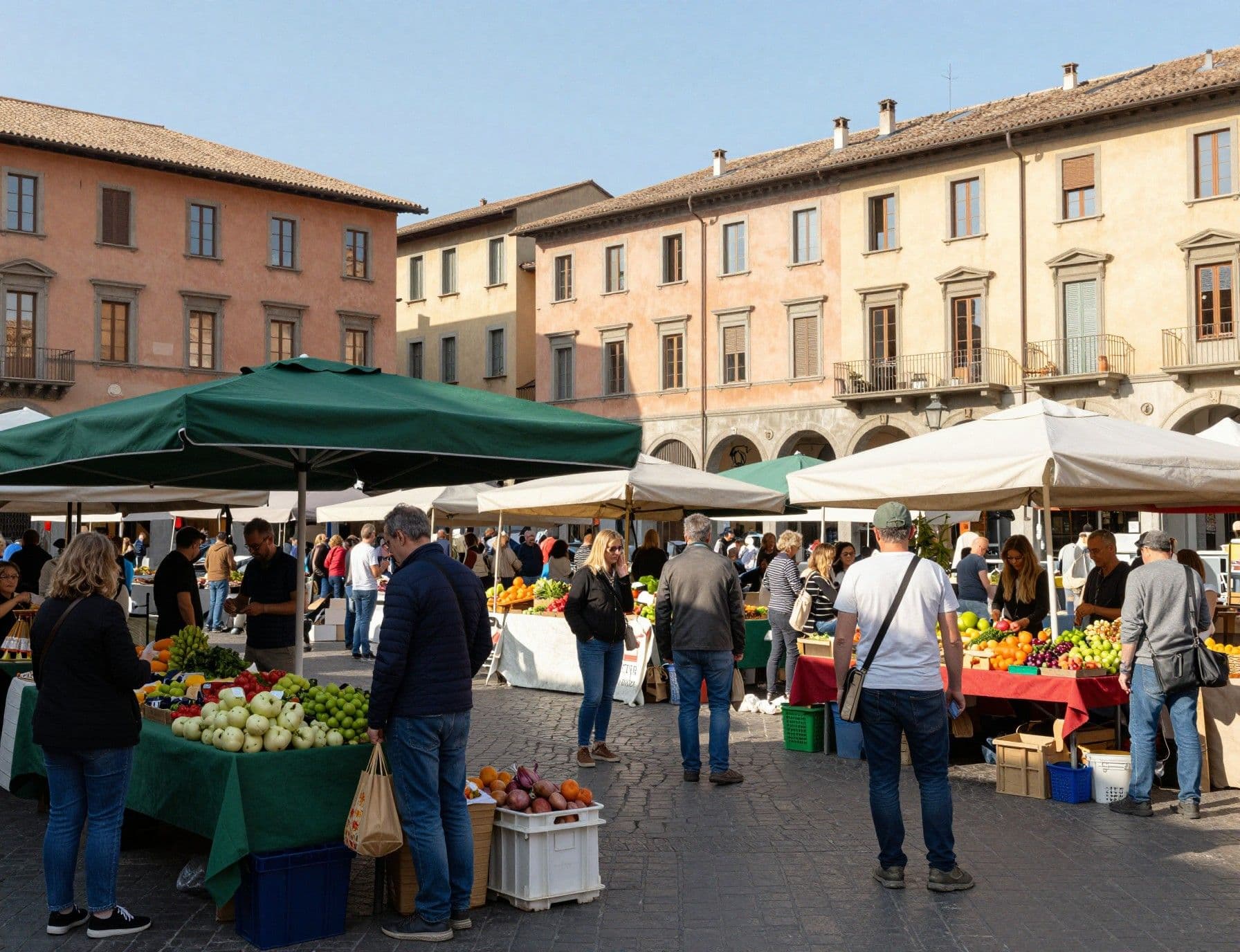
Italy’s daily rhythms shape where people want to live and rent: university terms fill student flats in Bologna and Padua, corporate weeks anchor Milan demand, and coastal summers swell short‑let markets in Liguria and Puglia. These patterns show up in data—Cushman & Wakefield note divergent city performance driven by jobs and tourism. The investment task is mapping those rhythms to yield metrics and vacancy risk, not just charm.
Neighborhood spotlight: Trastevere, Navigli, and Oltrarno
These neighborhoods feel like different Italies. Trastevere (Rome) hums with intimate trattorie and narrow streets that keep long‑stay tourists and short‑term renters year‑round; Navigli (Milan) trades canalside nightlife for steady young-professional rentals; Oltrarno (Florence) is artisan workshops and boutique apartments that appeal to cultural long‑stays. Each pocket produces different tenancy profiles—students, remote professionals, or heritage tourists—which directly affects achievable rents and turnover.
Food, markets and the rhythm of demand
Markets matter: Mercato Centrale in Florence or Mercato di Ballarò in Palermo are more than foodie stops—they’re neighborhood anchors that raise footfall, support local businesses and indirectly lift short‑let desirability. Seasonal festivals—Carnevale in Venice, the Luminara in Pisa, regional harvests—create rental demand spikes that can be monetized if you plan calendar pricing. For investors, proximity to these cultural nodes often translates into higher occupancy and premium per‑night rates.
- Easy‑scan lifestyle highlights: 1) Morning espresso on Via Toledo (Naples) 2) Sunset aperitivo on Lungarno (Florence) 3) Farmers’ market shopping at Campo de' Fiori (Rome) 4) Weekend beach life in Polignano a Mare (Puglia) 5) Student demand corridors around Università degli Studi (Bologna) 6) Canal-side walks in Dorsoduro (Venice)
Making the move: practical considerations that preserve yield

Lifestyle is the doorway; due diligence closes the sale. National statistics show price growth concentrated in Milan and Rome while secondary cities in the south retain lower entry prices—this affects gross yields and risk profiles. Regulation has also moved: platforms now remit tourist taxes and new short‑let reporting rules increase transparency and compliance costs for hosts, which alters net returns for short‑term operators.
Property styles and how they rent
Historic centro apartments command premium nightly rates but suffer higher maintenance and seasonal vacancy; modern condos near transport nodes produce steadier long‑let income with lower turnover. According to city yield surveys, southern cities and student towns often show higher gross yields (4–8%) than prime central districts in Milan or Rome, where yields commonly sit lower. Choose the product type to match your tenancy strategy—short‑let tourism, mid‑term corporate, or long‑let residential.
Working with local experts who know the lifestyle
- 1) Use a local agent who specialises in your tenancy type (student, tourist, corporate). 2) Ask for comparable occupancy and net yield case studies from the last 24 months. 3) Require transparent breakdowns of typical running costs: condominium fees, IMU/garbage tax assumptions, and seasonal utilities. 4) Insist on clausal protections for rental management (maintenance thresholds, booking platforms, deposit handling). 5) Validate listings against registry data (catasto) and recent sale prices.
Insider knowledge: expat realities and seasonal truths
Expats often report an initial mismatch between romantic expectations and practicalities: utilities, bureaucracy, and seasonality require patience. In cities like Genoa and Palermo, higher yields can mask higher turnover and slower capital gains, while Milan’s lower yields accompany stronger capital appreciation and tenant stability. Long‑term residents recommend blending lifestyle and cashflow—own one centro apartment for occasional personal use and one commuter unit near transport hubs to secure consistent rental income.
Cultural integration and daily life
Language matters but so do rituals: a local barista, the market vendor who knows your preferences, and the building concierge can be as important as a property manager. Joining neighborhood associations or local social clubs speeds integration and improves tenant screening—locals tend to recommend the same real estate professionals by word of mouth. For investors, these social ties reduce friction: reliable letting, quicker repairs, and fewer disputes.
Long‑term lifestyle sustainability
Think beyond the first five years: infrastructure upgrades, new high‑speed rail links, and local regeneration projects materially change yield and liquidity. Prioritise properties near planned transport upgrades or university expansions, and avoid areas dependent on single‑season tourism unless your model accounts for long off‑season vacancies. A portfolio approach—mixing one high‑occupancy commuter asset with one seasonally rented lifestyle property—often balances returns and lifestyle access.
- Quick warning signs to watch: 1) Listings that promise “guaranteed high nights” without verifiable occupancy records. 2) Buildings with unclear condominium rules restricting short‑lets. 3) Overpriced centro properties with poor transport links. 4) Managers who refuse to show P&L statements for comparable rentals. 5) Ignoring municipal tourist‑tax registration (CIN) and platform reporting requirements.
Conclusion: Italy offers deeply rewarding lifestyles and varied yield opportunities, but success depends on matching product to tenant demand, respecting regulatory shifts, and leveraging hyperlocal expertise. Start by prioritising which lifestyle you want to buy into—historic centre, coastal town, or commuter hub—then align that choice with realistic yield modelling and local agency partners. If you love the life and respect the data, Italy rewards both the heart and the portfolio.
British expat who moved to the Algarve in 2014. Specializes in portfolio-focused analysis, yields, and tax planning for UK buyers investing abroad.