How Croatia’s Reciprocity and Rental Rules Reprice Returns
How Croatia’s reciprocity and EU short‑term rental rules change who can buy, when you can rent, and how net yields are calculated for coastal and urban properties.

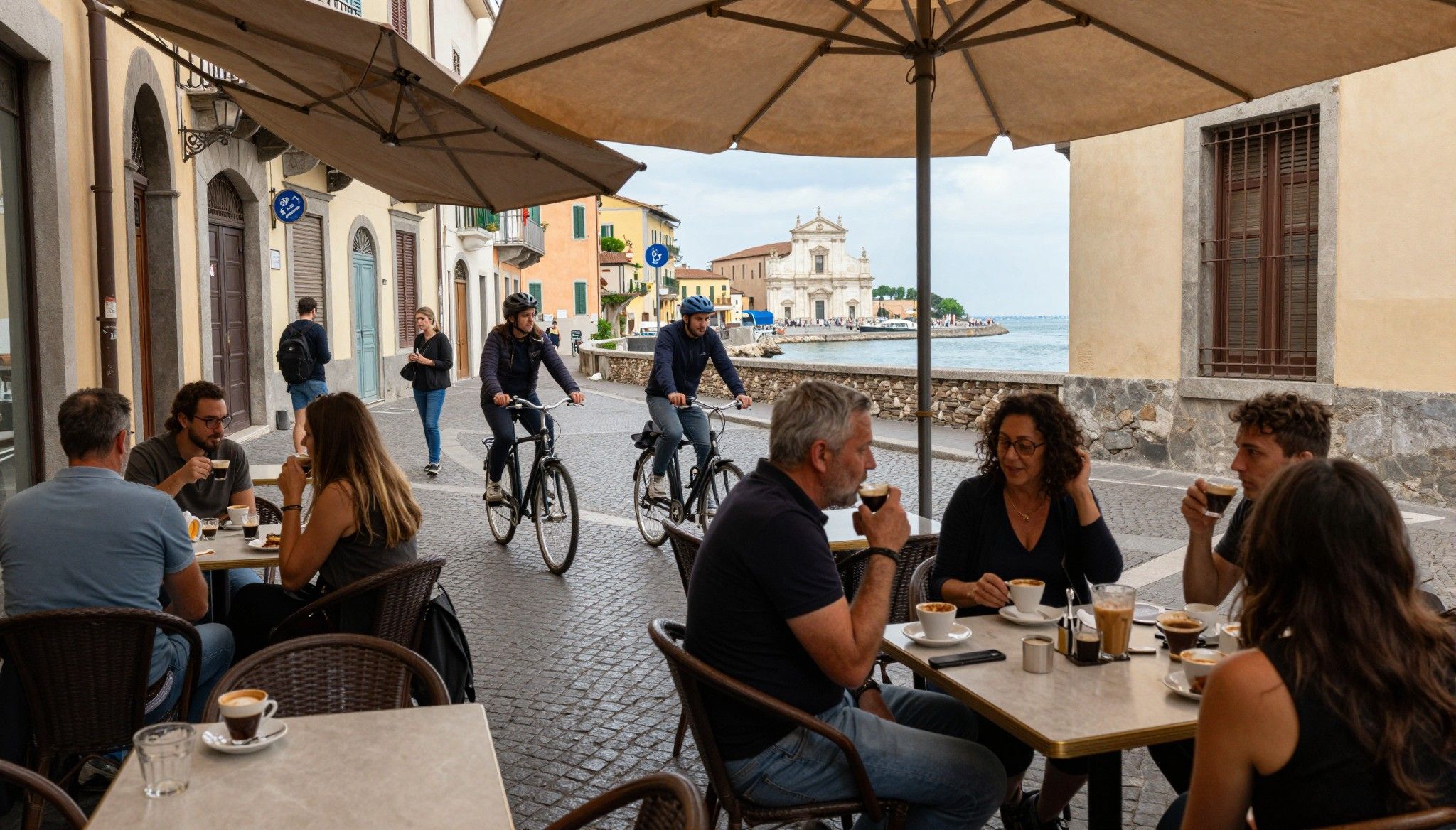
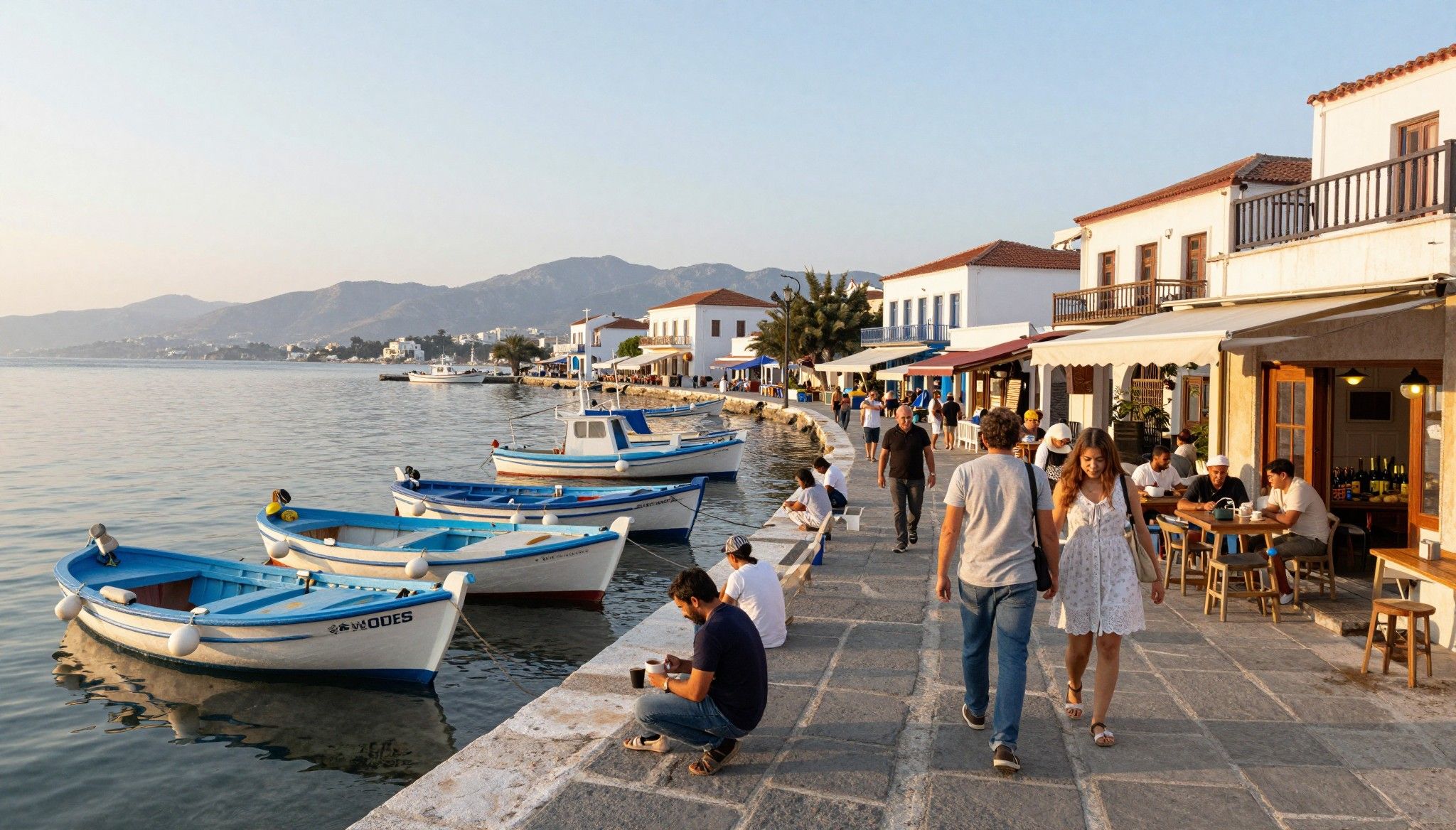
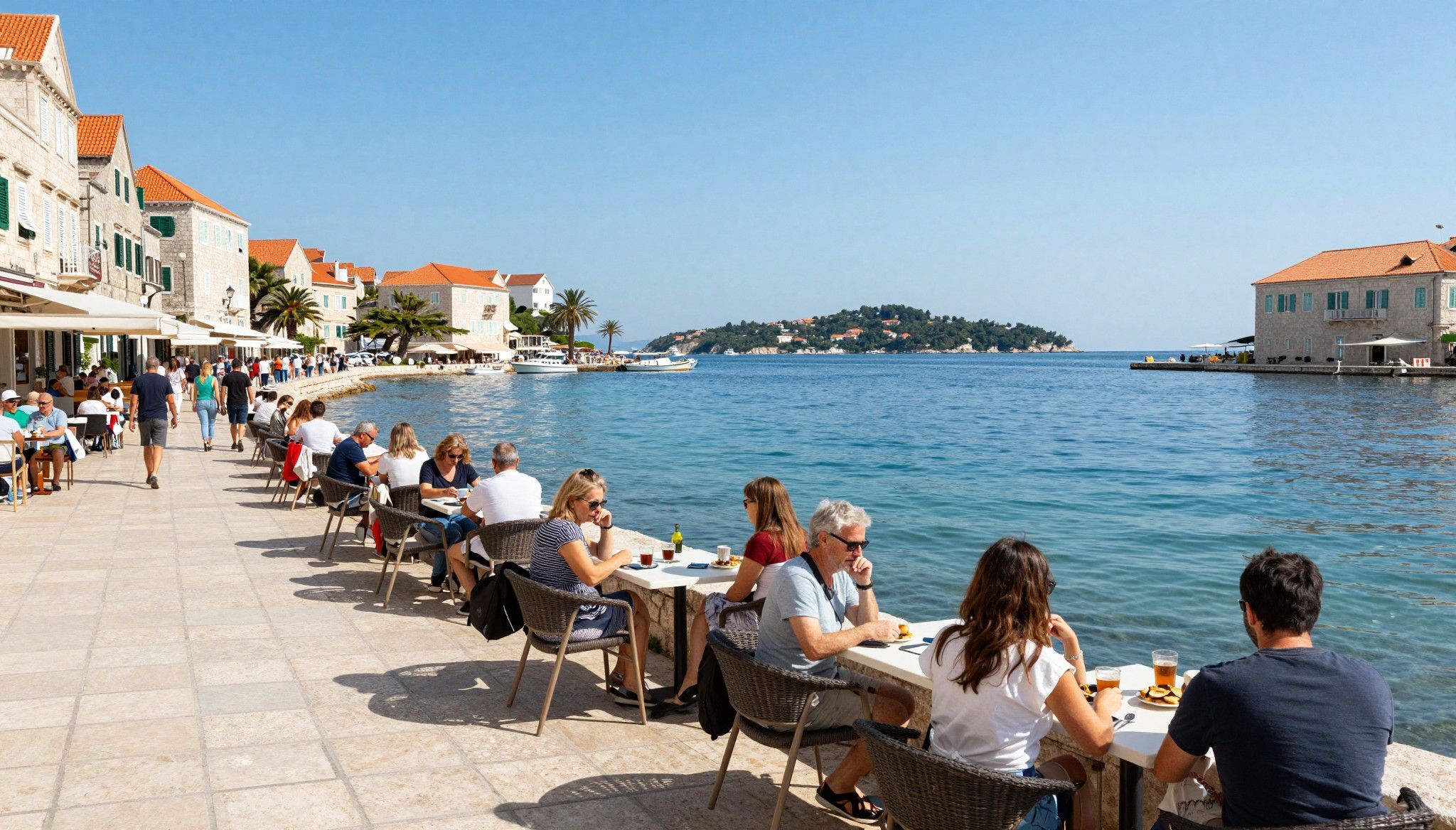
Imagine sipping espresso under plane trees on Split’s quayside, then walking ten minutes to a modest stone apartment that generates reliable summer bookings. Croatia feels at once Mediterranean and manageable: slow mornings in old towns, busy marinas in July and a crisp off-season clarity that rewards residents with lower crowds and steady local life. For international buyers, the romantic image—sunset terraces, Dalmatian islands—meets a practical reality shaped by rules that materially change returns. This guide shows how regulatory shifts, especially reciprocity and EU-wide short‑term rental rules, reprice yields across Croatia’s coast and inland.
Living Croatia: what daily life actually feels like
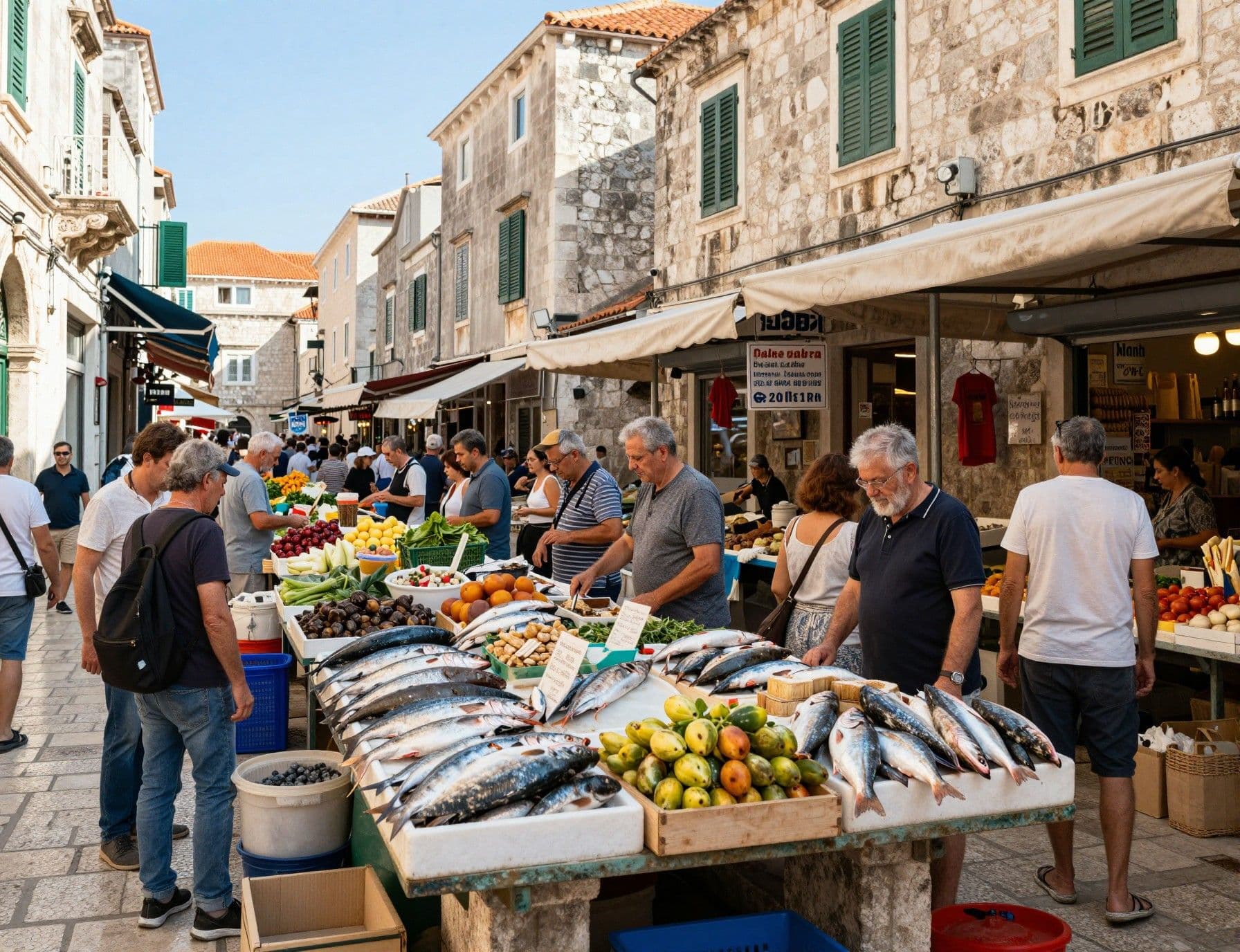
Croatia’s rhythm follows the coast: morning markets, late lunches, and evenings drawn out by sea breezes. In Zagreb the pace is urban and café‑centric along Ilica and Tkalčićeva, while on Hvar and Korčula life orients to marinas and family-run konobas. Winters are quieter — good for remote work and renovation projects — and summers deliver high short‑term demand that drives a seasonal income premium. Understanding these daily patterns is essential because they determine when you can rent, when you’ll need property management, and how regulation affects a property’s usable income window.
Neighborhood snapshots: Dalmatian coast vs. Zagreb
Split’s Veli Varoš and Diocletian‑wall neighborhoods sell narrow streets, stone houses with terraces, and immediate access to tourism demand — but they also bring more tourist‑tax complexity and parking constraints. On the other hand, Zagreb’s Šalata or Maksimir offer year‑round renters, more stable monthly yields, and easier renovation permissions. Investors focused on cashflow should weigh coastal seasonality against Zagreb’s steadier occupancy and different regulatory exposure when calculating net yields.
Food, markets and micro‑location that matter
Local markets — Dolac in Zagreb, Pazar in Split, fish markets in Rijeka — shape daily life and attract tenants who value proximity to fresh food and cafés. Properties within short walks to these markets command a rental premium among long‑stay tenants and seasonal visitors who seek authentic neighbourhoods. When modeling returns, add a micro‑location premium of 3–8% to achievable rents for units within 300–500 metres of primary market or waterfront access; this is a real, quantifiable factor in Croatia’s market.
Regulatory pivots that reprice returns
Two regulatory vectors matter most for international buyers: the national reciprocity framework that governs who may own land, and evolving EU/municipal short‑term rental rules that affect income. Reciprocity means non‑EU nationals face an extra legal hurdle — you may need ministerial approval unless your country grants Croatians reciprocal rights. Separately, the EU is moving toward harmonised short‑term rental registration, which will standardise host obligations and reporting — this shifts compliance costs onto owners and can compress net yields. Both forces are not hypothetical; they change the usable income assumptions you should model today.
Short‑term rentals: registration, reporting, and the cost of compliance
The EU’s push for harmonised registration and host transparency (adopted at Council level in March 2024) means municipal registration and data reporting will become standard across member states, including Croatia. Practically, expect new obligations: mandatory registration, unique property IDs for platforms, and more stringent record‑keeping for tax and tourist authorities. For investors this raises operating costs (platform registration fees, upgraded bookkeeping, possible limits on days permitted) — model a 5–10% rise in operating expenses for short‑term lets when calculating net yields.
Reciprocity and land: who can buy what, and why it alters valuation
Since EU accession, EU/EEA citizens buy Croatian property under the same rules as locals, but third‑country nationals are subject to reciprocity checks and, in some cases, ministerial approval. Restrictions historically applied to agricultural land and forests but have been relaxed under defined conditions; however, the administrative process remains more cumbersome for non‑EU buyers. The impact: two identical coastal apartments can have different marketability and financing access depending on buyer nationality — an important revaluation factor when estimating exit liquidity.
Data points that change the math
Croatia’s house price index has shown double‑digit year‑on‑year increases in recent quarters, driven by coastal demand and constrained supply in key towns. At the same time, gross yields remain moderate compared with southern EU peers — often in the mid‑3% to mid‑4% range for holiday markets and higher for year‑round rentals in urban centres. These two facts create a trade‑off: capital appreciation potential is strong in tourist hotspots, but rental yields and regulatory costs compress net returns. Use both price‑per‑m2 and expected net yield (post‑tax, post‑management) in any valuation model.
Practical modeling checklist
Before you offer, run these checks: confirm the buyer’s nationality and reciprocity implications with a lawyer; model seasonal occupancy (summer vs. off‑season); add 5–10% compliance costs for short‑term rentals; and stress‑test the exit scenario if municipal limits on rentals tighten. Each element can change your IRR by several percentage points, so treat regulation as a cash‑flow line item, not a footnote.
Key lifestyle‑plus‑practical factors to include in valuation
- • Proximity to market/water: +3–8% rent premium • Seasonality factor: adjust occupancy by month, not year • Compliance buffer: +5–10% operating expense • Registration & tourist tax administration: add fixed annual cost • Exit flexibility: discount expected sale price if non‑EU buyer without reciprocity
How local expertise turns lifestyle into reliable returns
An agent who understands Croatian municipal rules, market seasonality and reciprocity is not optional — they are the multiplier between dream and cash flow. Good agencies coordinate lawyers, notaries and property managers, and they have local data on occupancy and tourist flows by street. For investors, the correct agency reduces time on market, avoids legal missteps, and increases net yield by optimising pricing and management.
Six tactical steps to protect yield (numbered)
- 1. Verify your nationality’s reciprocity status with the Ministry or a local lawyer. 2. Price with seasonality: create monthly cash‑flow, not annualised single figure. 3. Add a compliance line for platform registration, tourist tax, and record keeping. 4. Obtain a land‑registry extract to confirm encumbrances and exact usage rights. 5. Budget 7–12% for property management if you’re off‑market or remote. 6. Stress‑test exit scenarios where municipal short‑term rules become restrictive.
What expats wish they’d known
Many expat buyers expect a simpler path: they discover that land‑registry quirks, long administrative timelines and reciprocity checks delay possession or financing. Others underestimate municipal enforcement for unregistered short‑term lets and the speed at which platforms remove non‑compliant listings. The practical lesson: treat Croatian purchase as a cross‑border legal transaction where timing, paperwork, and compliance determine your first 12 months of returns.
Common red flags on listings
- • Missing land registry extract (izvadak iz zemljišne knjige) • Unclear historic building protections • No evidence of municipal tourist registration • Financing gaps for non‑EU buyers • Overstated ‘year‑round’ occupancy claims
Conclusion: Croatia sells a lifestyle — but regulation sets the price you actually pay and the yield you actually receive. Fall in love with the morning markets of Dolac, the evening breeze on Hvar, and the neighbourhood cafés of Zagreb, but structure your model around reciprocity checks, EU short‑term rental harmonisation and realistic seasonality. Start with a lawyer and a local agent who share occupancy data and municipal contacts; model conservative net yields (3–5% for coastal holiday stock, higher inland), then let lifestyle decide the final micro‑location within that framework.
British expat who moved to the Algarve in 2014. Specializes in portfolio-focused analysis, yields, and tax planning for UK buyers investing abroad.