Why summer house‑hunting in Croatia costs returns
Croatia’s summer spectacle inflates prices and distorts yields; buy with shoulder‑season visits, 12‑month income data and conservative yield models.
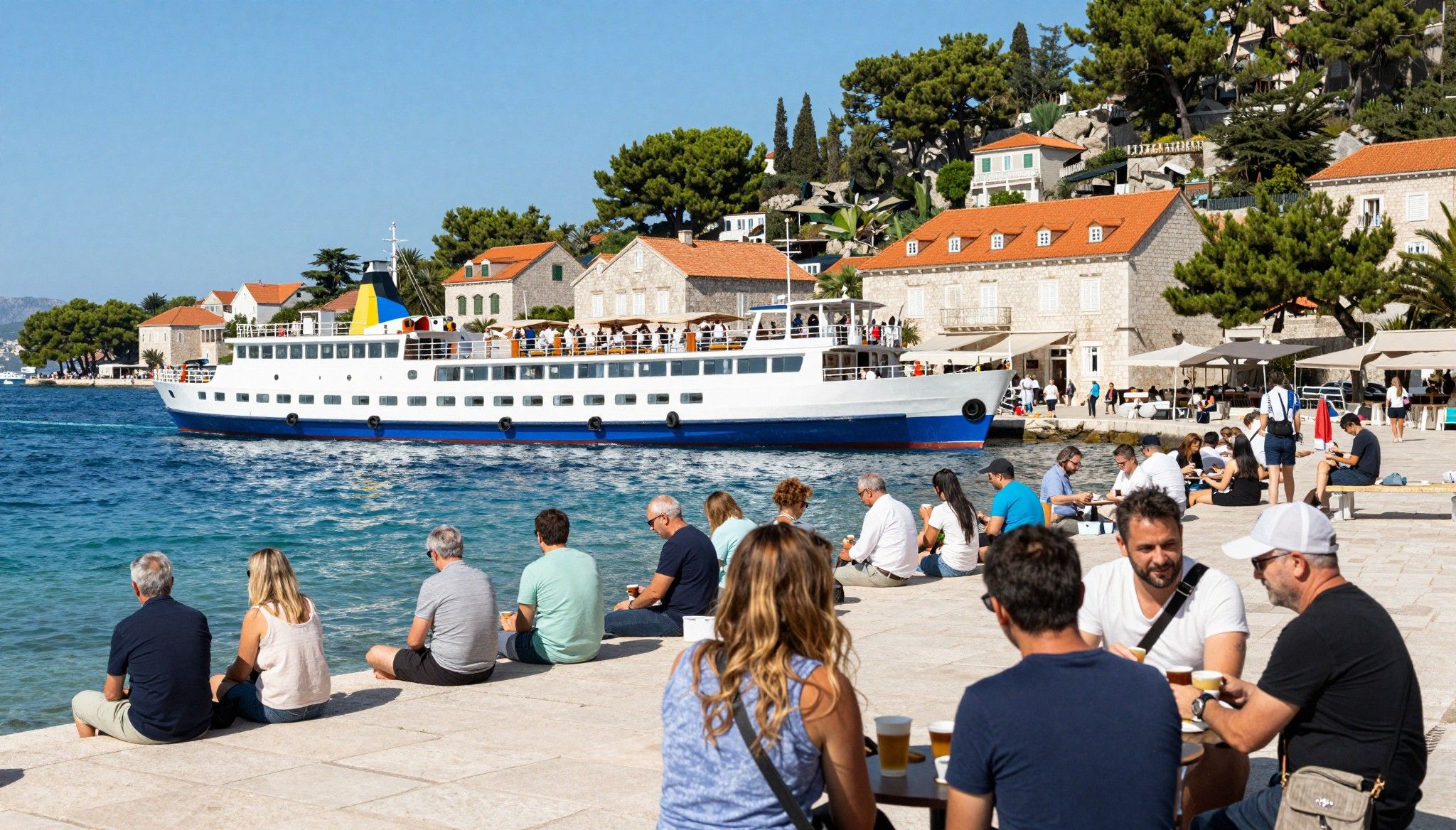
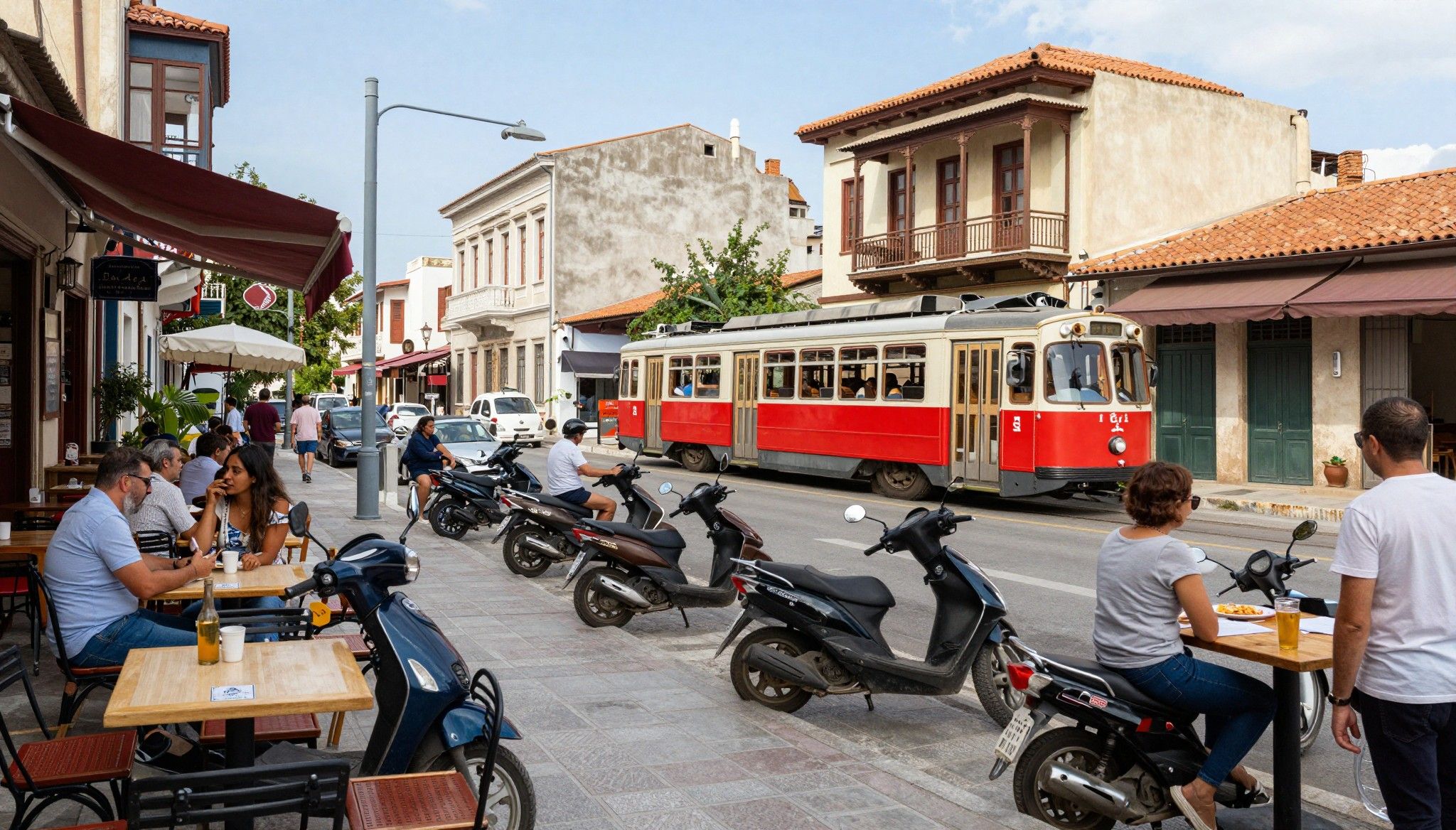
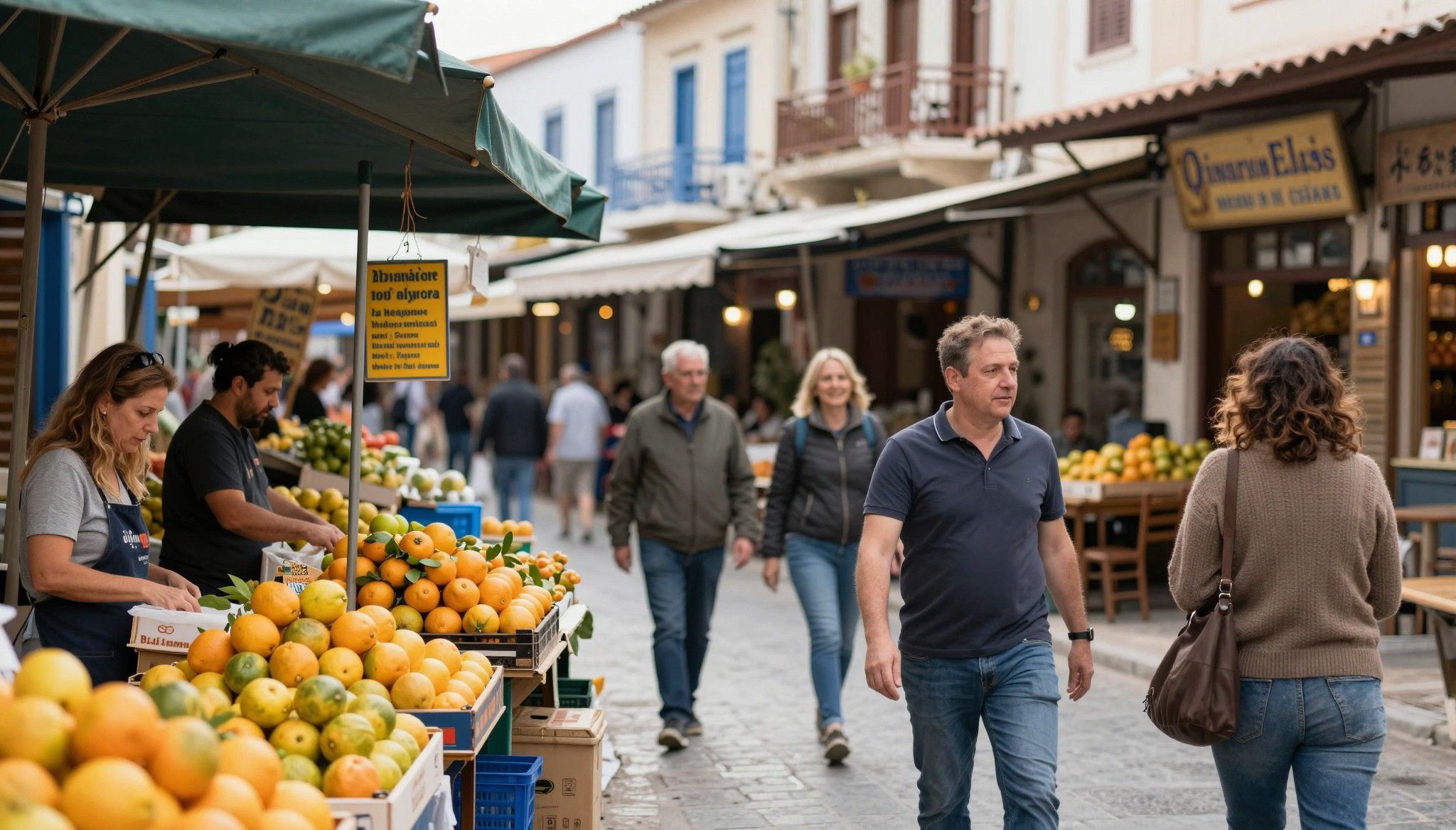
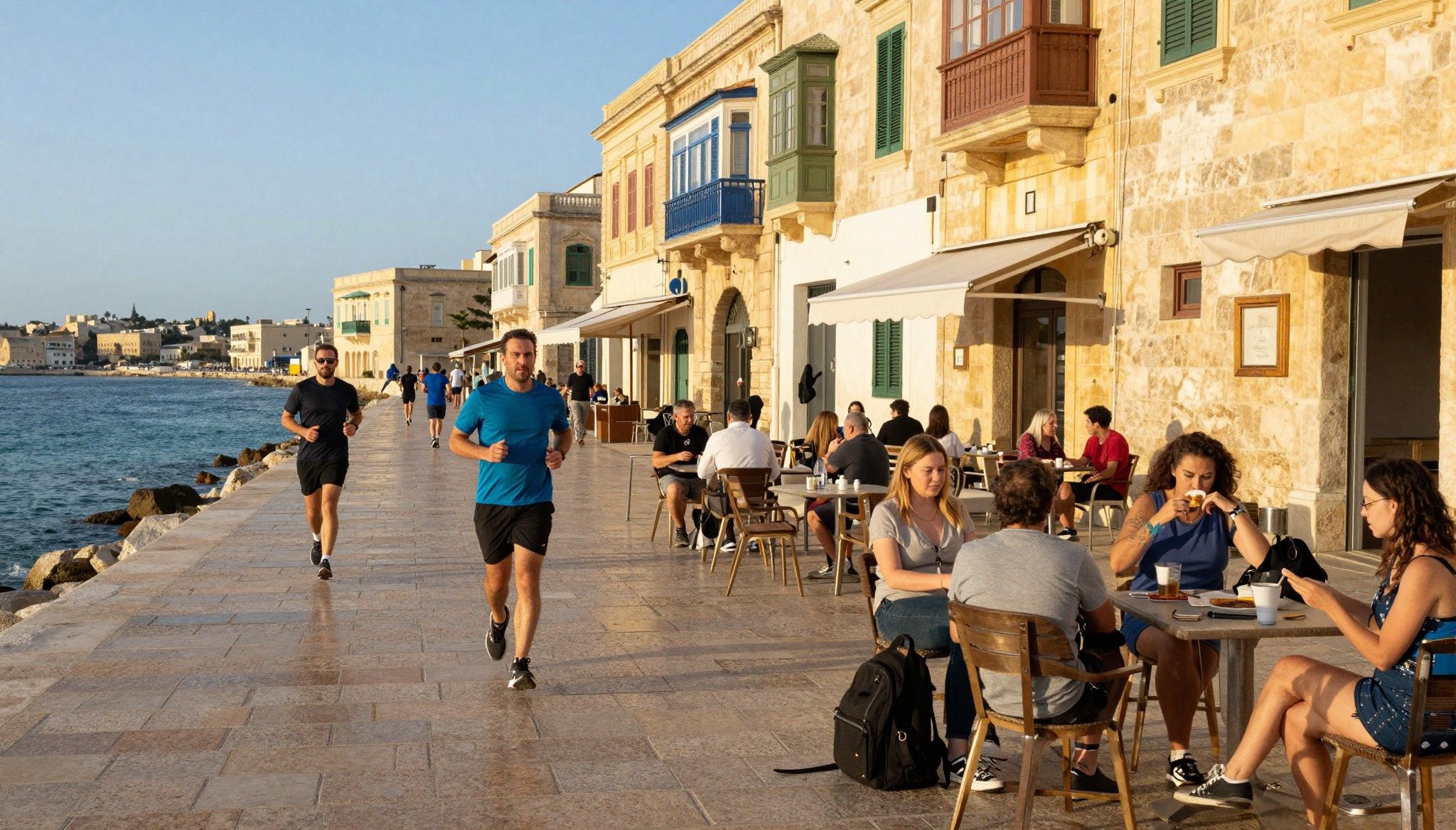
Imagine stepping out at 8am to buy oranges at Dolac market in Zagreb, then hopping a 90‑minute drive to an Adriatic cafe where fishermen mend nets and a cappuccino costs less than a taxi in Rome. Croatia feels compact and cinematic: medieval stone lanes in Dubrovnik, the pine-scented coves of Hvar, rail‑framed modernism in Zagreb. That sensory contrast — quiet inland towns and hyperactive coastlines — is also why timing and micro-market selection matter far more for returns than headline coastal prices. The following guide pairs the lived reality of Croatian days with the data international buyers need to avoid one common mistake: shopping in summer.
Living the Croatia lifestyle
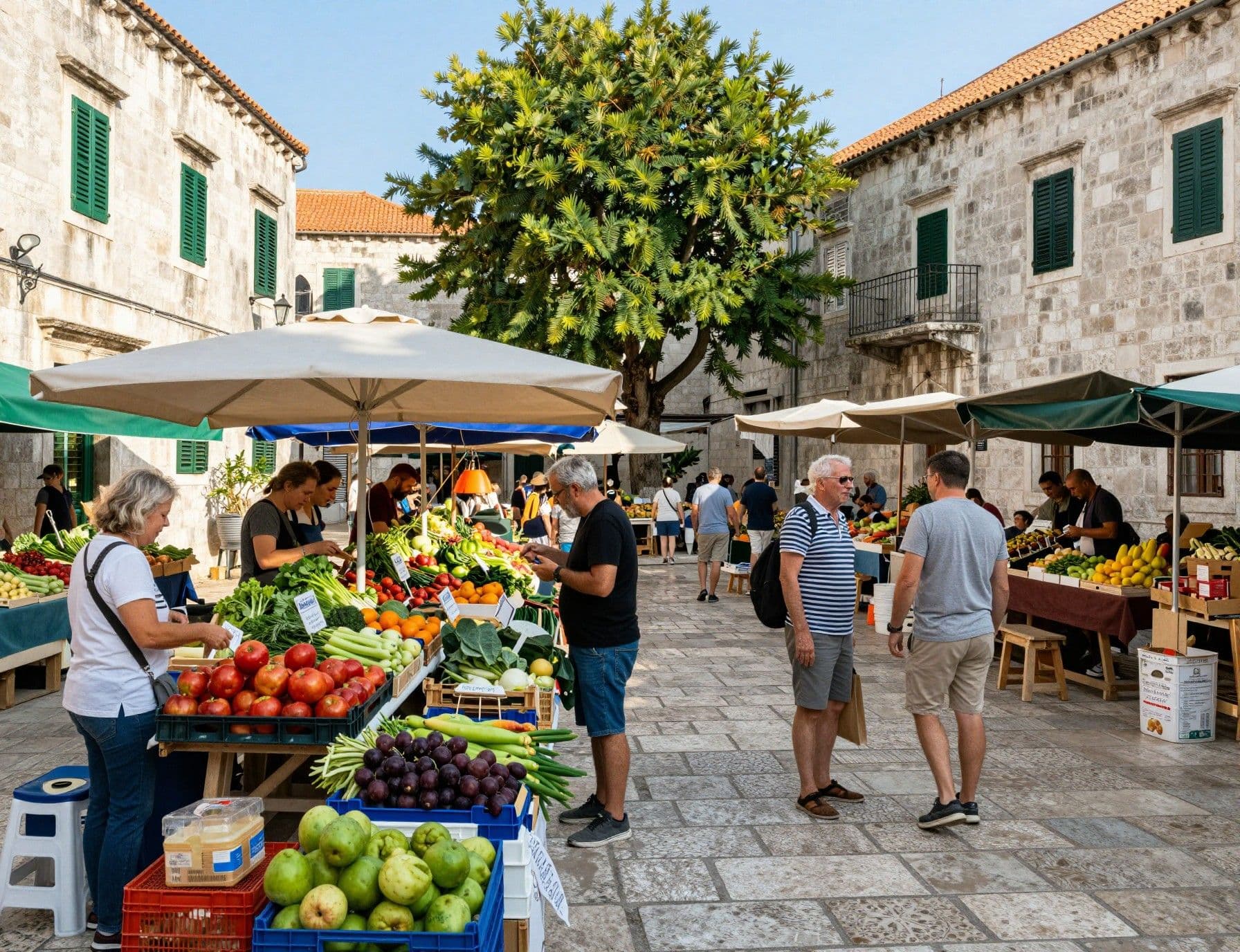
Croatia’s daily rhythm pivots on seasonality: markets, cafés and ferries hum in summer while many coastal neighbourhoods quieten in winter. Official data show Croatia exceeded 108 million overnight stays in 2024, concentrating demand on coastal micro‑markets and feeding strong short‑term rental economics in high‑season months. That summer intensity creates two things for buyers: inflated asking prices and distorted impressions of long‑term rental demand. For an investor, the lived-months outside July–August determine yield stability more than two busy months of peak rates.
Zagreb: city rhythms that matter
Zagreb is Croatia’s economic heart: office demand, universities and year‑round domestic tourism underpin steadier rental occupancy than coastal towns. Central districts (Donji Grad, Gornji Grad) show premium per‑sqm pricing but also consistent long‑term tenants — students, diplomats, corporates. If you prioritise year‑round net yield over seasonal peaks, inner‑city Zagreb neighborhoods trade off slightly higher acquisition costs for much lower vacancy volatility.
Dalmatian coast: postcard mornings, lopsided returns
On the Dalmatian coast the lifestyle is immediate: terraces, boat trips, fish markets and island ferries. But that same appeal produces lopsided economics — very high nightly rates for two months, thin demand off‑season and higher management overheads. Coastal average prices per m² approached €3,700 in recent reporting, which compresses gross rental yields unless you capture repeat, shoulder‑season travellers or year‑round tenants in port towns.
- Lifestyle highlights to scout in person
- Morning market at Dolac (Zagreb) — constant foot traffic, useful predictor of day‑to‑day neighborhood vitality
- Riva promenade (Split) — good for short‑term rental visibility but high season crowding and noise
- Ston salt flats and wineries (Pelješac) — slower calendar but rising year‑round interest from food tourism
Making the move: practical considerations
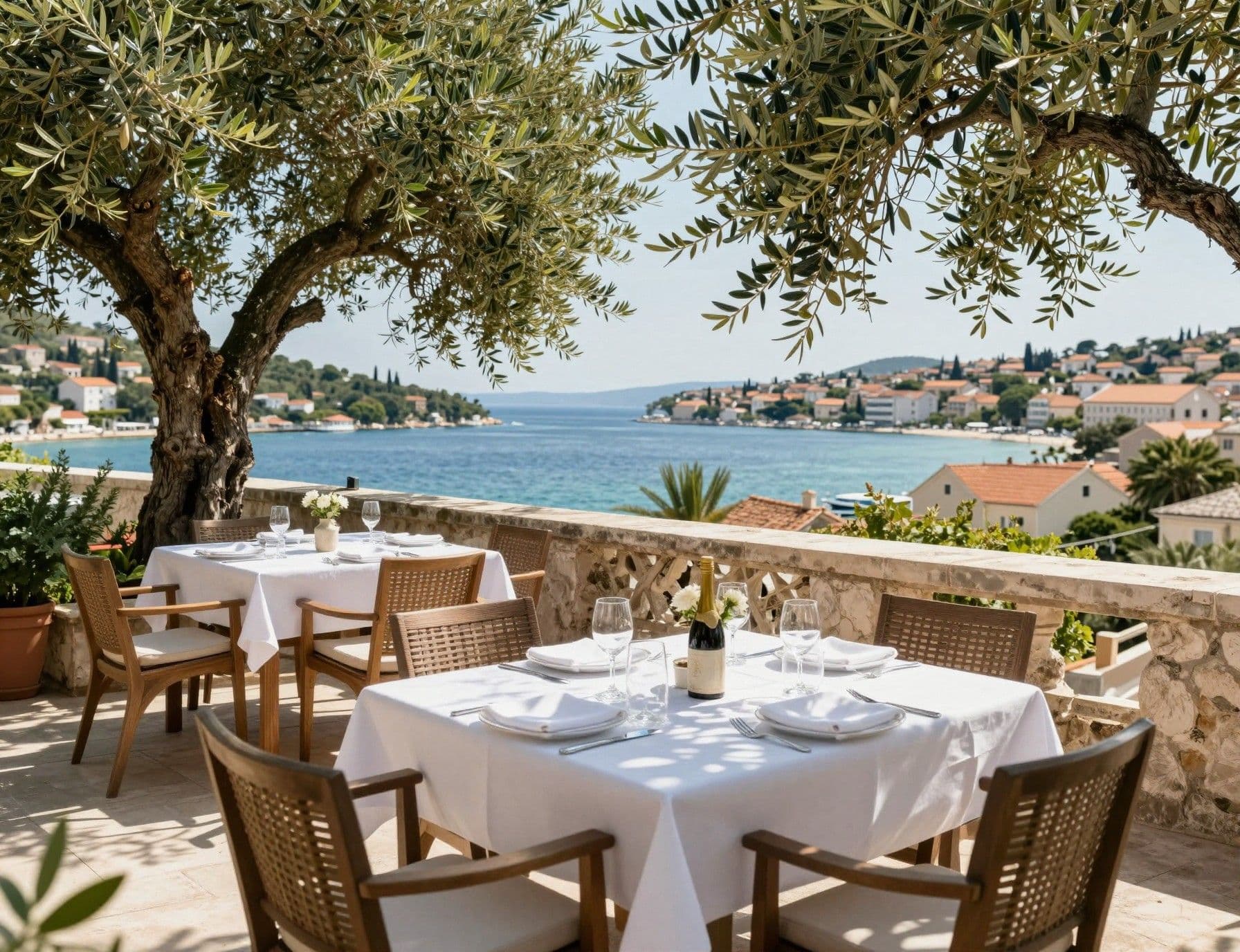
Buying in Croatia blends EU regulatory stability with local quirks: transaction transparency is improving, but micro‑market intelligence still outperforms broad coastal assumptions. House price indices reported year‑on‑year rises (double digits in some quarters) — an important input when modelling capital appreciation versus rental yield. When you plan a purchase, balance seasonal demand data against realistic vacancy, maintenance and management costs rather than relying on summer asking rents.
Property styles and real living
Stone townhouses with terraces deliver the Mediterranean lifestyle but often require renovation and higher long‑term capex. Modern Zagreb apartments cost more per‑sqm but deliver immediate rental readiness and lower upkeep. Match property type to income strategy: tourist‑facing coastal flats for seasonal income, city apartments for steady long‑term rent, and rural/second‑home conversions for capital growth plus occasional income.
Working with local experts who know life and numbers
Agencies that combine lifestyle matching with rigorous yield modelling are rare but vital. Ask for: historical monthly occupancy data, proven local property managers, examples of off‑season tenant profiles, and evidence of actual net yields after fees. Insist on mapping seasonal cashflow across an entire year — not just July and August — and verify figures against national tourism and house‑price datasets.
- Step-by-step checklist to align lifestyle with returns
- Visit in shoulder seasons (April–June or September–October) to assess real occupancy and neighbourhood life
- Request 12‑month booking history and net income statements from comparable properties
- Model conservative yields: assume 40–60% of peak nightly rates for off‑season months unless data prove otherwise
Insider knowledge: what expats wish they'd known
Expats often romanticise coastal summers and then discover five uncomfortable truths: noise and maintenance spikes, unreliable off‑season demand, municipal rules on short‑term lets tightening, and management scarcity in low season. Seasonality is not just weather — it changes tenant type, maintenance cycles, and insurance costs. Savvy buyers treat Croatia as two markets: summer tourism and off‑season residency — and buy for the one they need most.
Cultural integration and daily life
Learning a few Croatian phrases, joining local markets, and participating in town events accelerate belonging. In Zagreb, weekend concerts and craft markets create predictable social calendars; on islands like Korčula and Vis, community life revolves around seasonal festivals and fishing. Integration influences tenant sourcing and long‑term enjoyment: owners who network locally find reliable caretakers and repeat renters more easily.
Long-term view: how Croatia's cycle is evolving
House price indices showed double‑digit year‑on‑year growth in several recent quarters, reflecting tightening supply and tourist-driven demand. That means capital appreciation is plausible, but future returns depend on purchase timing and whether you capture underpriced inland stock or overbought coast. Policies on short‑term rentals and EU data transparency initiatives will change operating dynamics, so model scenarios conservatively and stress‑test for regulatory shifts.
- Red flags and local realities to watch
- Listings created in July/August often include one or two inflated comparable sales — verify with official transaction records
- Short‑term rental income projections that lack shoulder‑season data overstate net yield
- Properties with ‘tourist view’ premiums may need high capex for year‑round living standards (heating, insulation, winter services)
Conclusion: Croatia rewards buyers who ground romance in data. Visit outside high summer, prioritize year‑round demand metrics, and choose property types that match your cashflow tolerance. Work with agents who provide verified 12‑month income histories, and always stress‑test returns for off‑season vacancy and management costs. If you want help mapping a micro‑market that matches the lifestyle you crave with a resilient yield profile, request occupancy histories and we’ll walk the numbers with you.
British expat who moved to the Algarve in 2014. Specializes in portfolio-focused analysis, yields, and tax planning for UK buyers investing abroad.