How Malta’s Lifestyle Costs Reprice Property Returns
Malta’s charm compresses value — liveable, dense neighbourhoods plus stamp duty, VAT rules and maintenance needs that materially reprice yields.
Imagine walking from a coffee bar on Strait Street to a terraced apartment in Valletta in under ten minutes — the limestone facades, the sea-salted breeze and a neighbourhood where an espresso at 9am still feels like a community ritual. That compact, lived‑in intensity is Malta: an island where daily life compresses the Mediterranean into walkable streets and rooftop terraces. For international buyers that intimacy is both the attraction and the constraint — location premiums concentrate quickly and regulations bend returns in ways tourism brochures won’t tell you. This piece blends the sensory with the spreadsheet: why you’ll fall in love with Malta, and which rules and taxes will quietly reprice that romance.
Living the Malta lifestyle
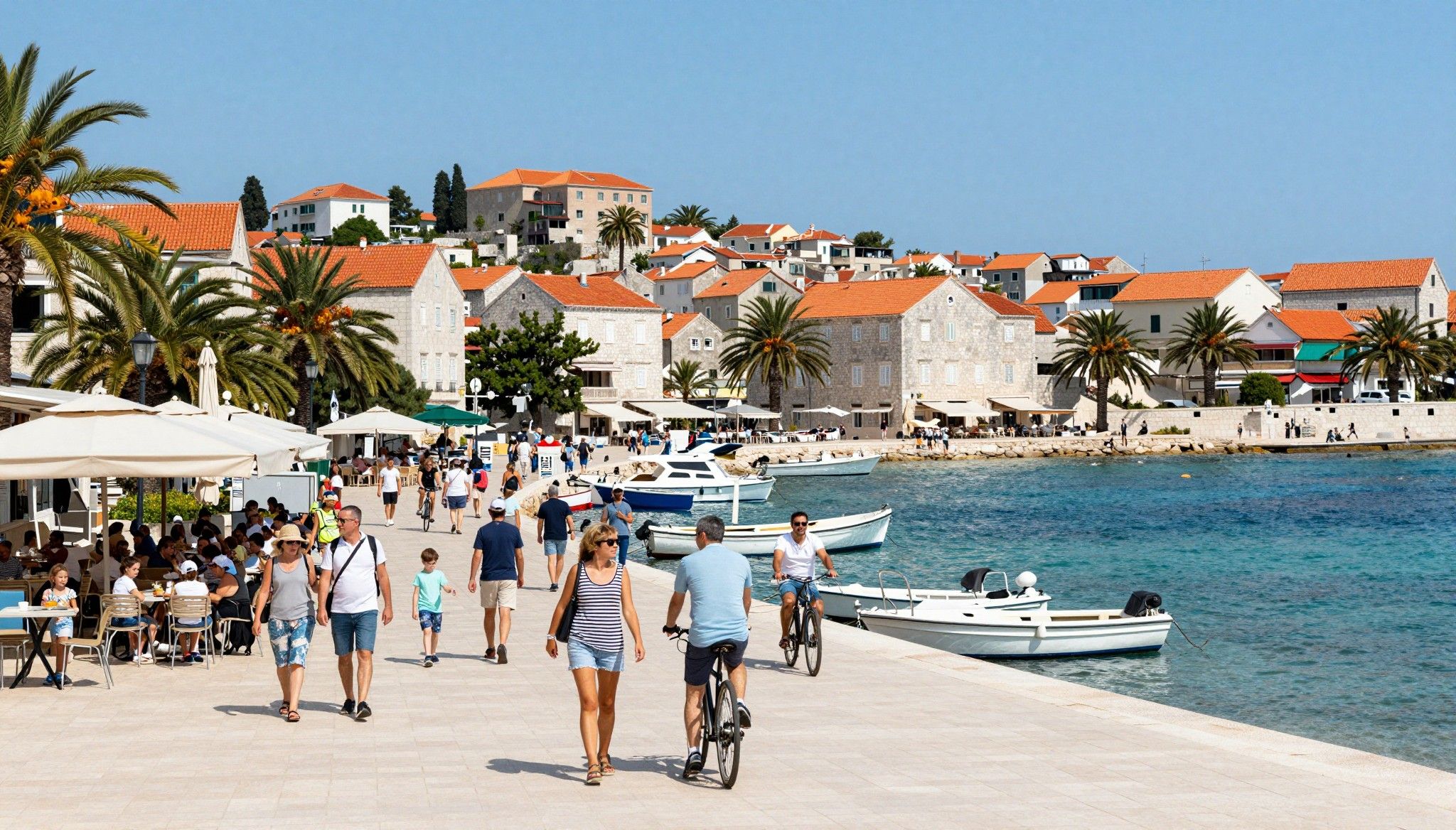
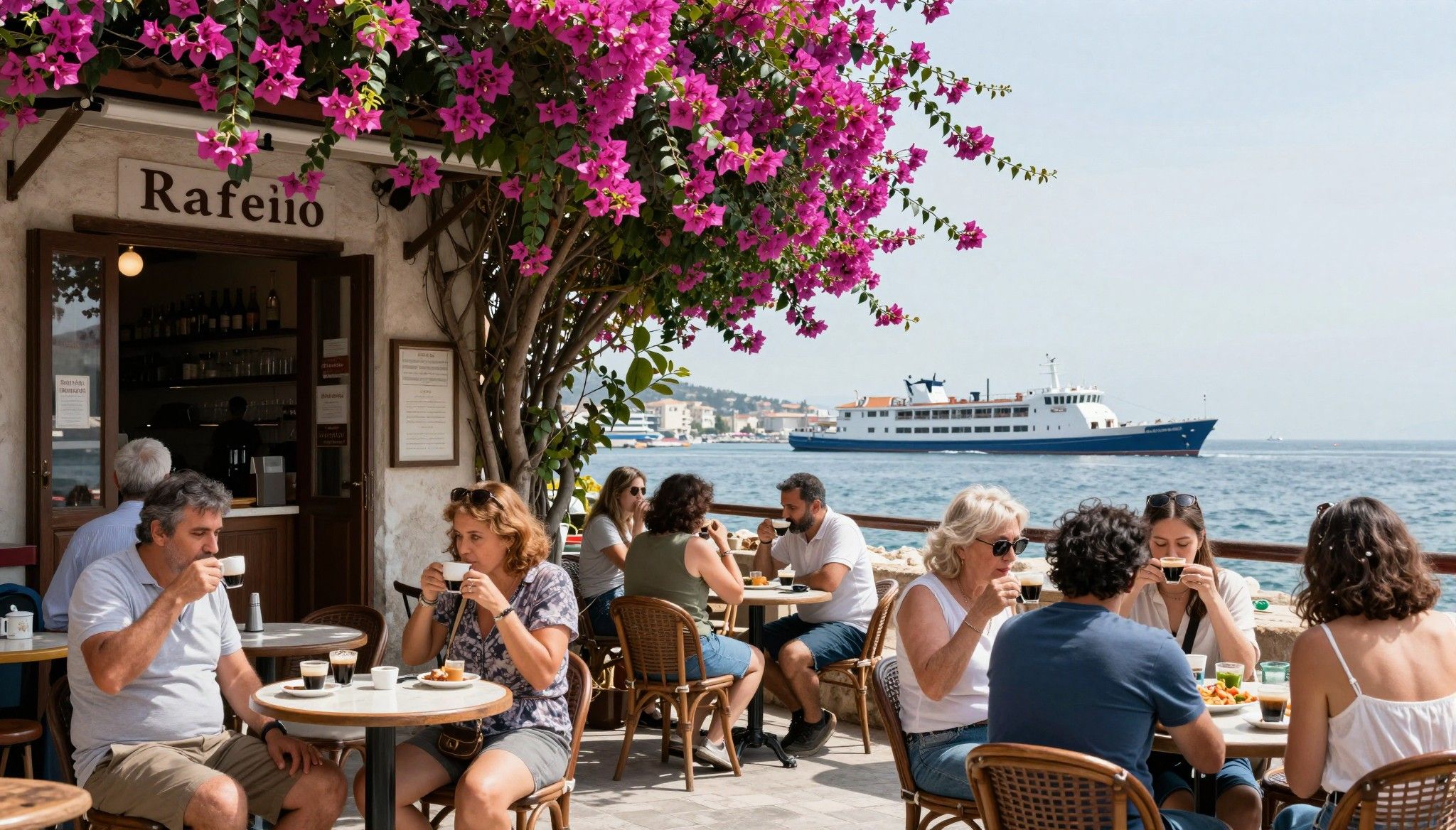
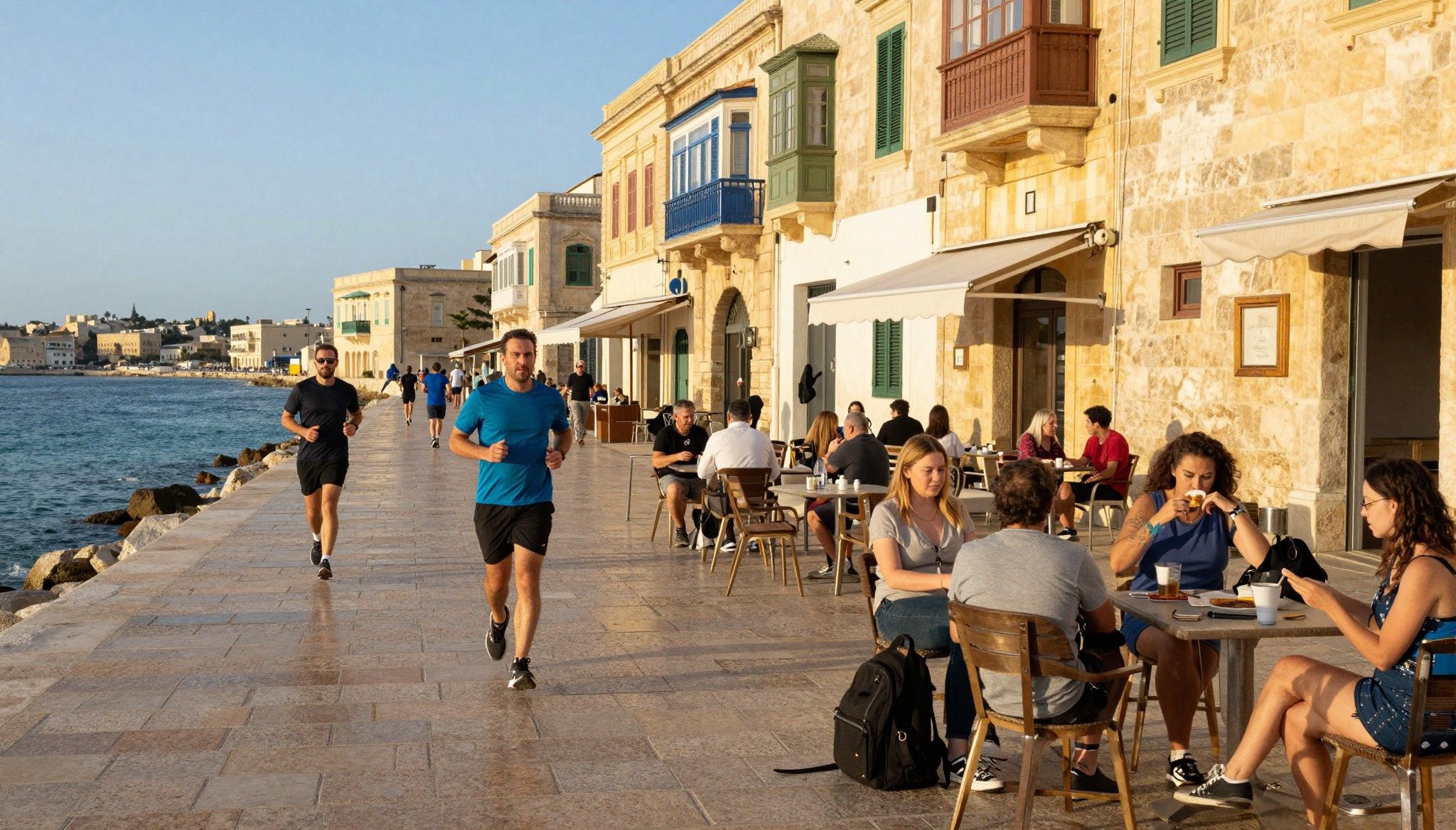
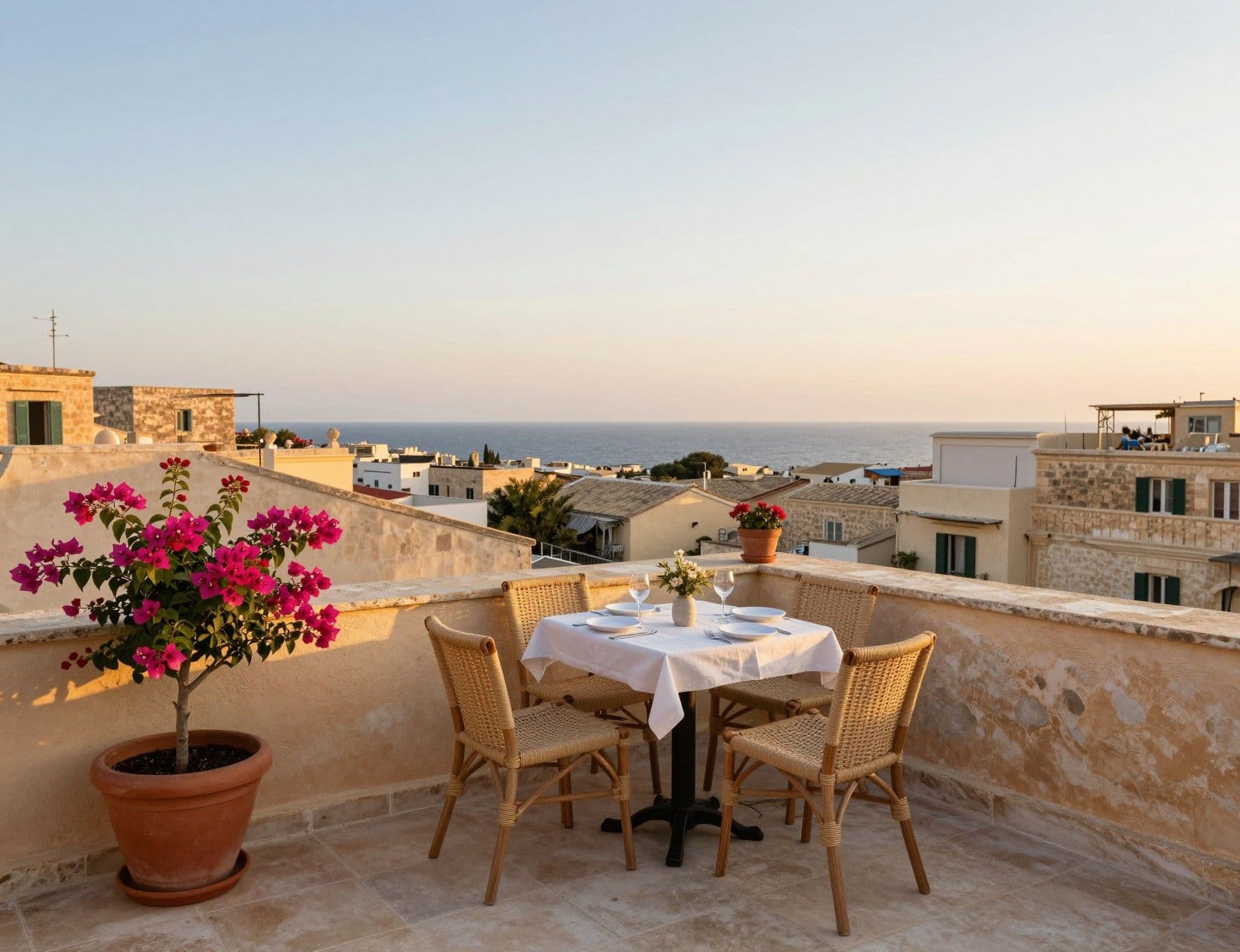
Life in Malta moves at Mediterranean tempo — mornings run on espresso and pastizzi, afternoons gravitate to harbourside promenades, evenings are for long dinners and passeggiata. Valletta’s compact grid and Sliema’s seafront promenades show two sides of the same coin: dense urban historic fabric versus lively coastal suburbs. Climate is mild year‑round which favors outdoor terraces and rooftop living, but heat in July–August and tourist season crowding shape how properties are used and rented. For buyers, that means choosing between high‑occupancy, seasonal rental potential and steadier, year‑round demand in residential enclaves.
Valletta, Senglea and the historic core
Walkable stone streets, baroque balconies and short leases for holiday lets define the island’s old towns. Valletta is theatre: museums, offices and boutique hospitality cluster inside fortifications which compresses price per square metre and attracts premium short‑let rates. Nearby Senglea and Cospicua offer similar historic charm at slightly lower entry prices but carry heavier restoration and maintenance realities — old timber beams, party‑wall complications and strict conservation rules. If your strategy is capital appreciation via boutique holiday rentals, these cores deliver but with higher regulatory oversight and operating costs.
Sliema, St Julian’s and the coastal suburbs
Sliema and St Julian’s combine seafront apartment living, coworking cafés and established expat communities; rental demand is year‑round from professionals and digital nomads. Modern apartment blocks offer elevator access and on‑site parking — a key convenience in Malta’s dense centres — but newer stock often commands VAT and higher purchase costs. St Julian’s is nightlife‑heavy and suits short‑stay yields; Sliema leans toward longer lets and family renters. Choose the suburb based on target tenant profile rather than postcard views alone.
Lifestyle highlights:
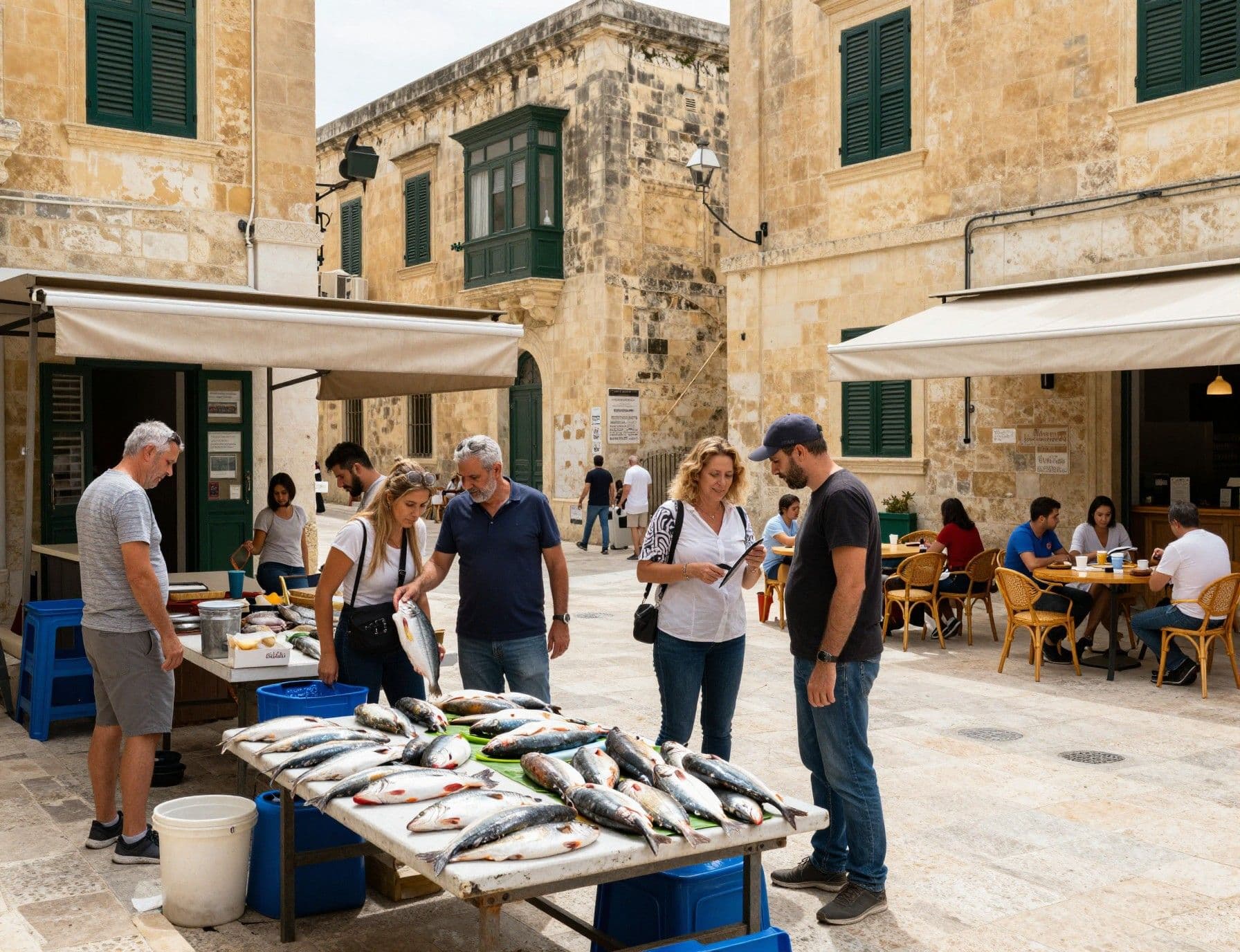
Fresh fish mornings at Marsaxlokk market; sunset swims at Gnejna Bay; espresso culture in Valletta’s Strait Street; rooftop barbecues in Mdina outskirts — small rituals that make day‑to‑day living tangible and influence where residents choose to buy.
Making the move: practical considerations
Dreams meet paperwork quickly in Malta. The island’s small size speeds transactions but also concentrates regulatory friction: stamp duty, VAT on certain new builds, conservation rules and residency conditions all shape total cost of ownership. Data from the National Statistics Office shows rising prices through 2024 (RPPI +5.2% year‑on‑year in Q4 2024), which matters for cap‑rate calculations and expected appreciation. Before placing an offer, quantify transfer taxes, potential VAT on developer sales and ongoing association fees because these line items materially cut into net yields.
Tax and transfer mechanics that reprice returns
Standard stamp duty generally sits around 5% of dutiable value, but exemptions and thresholds (first‑time buyer reliefs, urban conservation areas, temporary government measures) change the effective rate. VAT (18% standard rate) can apply to new builds sold by developers but in practice reduced or zero‑rated scenarios and transitional rules often apply; check whether the vendor opts for a VATable supply. Government reliefs and temporary measures (extended in recent budgets) can lower upfront duty for qualifying transfers but these have explicit expiry dates; treat them as conditional improvements to yield, not permanent features.
Working with local experts
1) Use a licensed notary and a lawyer specialised in Maltese property to verify title, outstanding liens and planning status. 2) Engage an accountant to model tax residency implications — Malta’s remittance and residence rules can affect how rental income is taxed if you plan longer stays. 3) Ask agents for historical utility bills and maintenance logs on older properties; limestone buildings often conceal deferred structural spend. 4) Confirm whether a sale is treated as VATable (developer) or transfer taxable (resale) to forecast transaction taxes accurately.
Insider knowledge: what expats wish they'd known
Expats consistently tell the same story: small surprises add up. Noise from nightlife in St Julian’s, parking scarcity in Sliema, and conservation rules in Valletta can reduce tenant appeal if overlooked. Conversely, buyers who prioritise transport access and winter rental demand — for example, positions near business hubs or hospitals — find steadier occupancy and better net yields. Cultural practicalities matter too: English is an official language and eases bureaucracy, but local networks and timing (school terms, festival weeks) influence lease cycles and peak pricing.
Cultural integration and day‑to‑day life
Malta’s community life forms quickly around cafés, parish activities and neighbourhood markets; newcomers who join local clubs or volunteer integrate faster and unlock off‑market leads. Language is less of a barrier — English and Maltese are common — but social conventions around property upkeep, shared walls and renovations require patience and local counsel. For investors planning to be hands‑on, property managers with island‑wide networks are worth their fees: they reduce vacancy length and preserve asset condition in a dense, salt‑air environment.
Long‑term lifestyle & ownership considerations
• Plan for maintenance: limestone restoration and waterproofing are recurring costs that depress net yields if ignored. • Factor in regulatory change: temporary tax reliefs may be extended but should not be baked into baseline yield models. • Seasonality: design revenue models that separate peak short‑let months from winter long‑lets to avoid cyclical cash‑flow shocks. • Exit options: Malta’s limited land and small market depth can widen bid‑ask spreads; expect longer than‑average time to exit for niche segments.
Conclusion: love the lifestyle, price the rules
Malta sells a compelling life: sunlit terraces, compact communities and an island‑scale convenience that feels rare. For investors, the arithmetic is straightforward: premium micro‑locations offer rental upside but carry higher transaction taxes, conservation obligations and maintenance spend. Model stamp duty (typically around 5% baseline), possible VAT on developer sales, and conservative occupancy rates into your cap‑rate workups. When you pair the island’s lifestyle with expert local counsel and conservative tax modelling, Malta can be both a delightful place to live and a measured component of a diversified property portfolio.
Norwegian market analyst who relocated from Oslo to Mallorca in 2016, guiding Northern buyers through regulatory risk, currency hedging, and rentability.