Why Greece’s Golden‑Visa Halo Reprices Returns
Greece delivers irresistible lifestyle appeal, but residency rules, transfer taxes and regional Golden‑Visa changes materially reshape net yields and demand pockets.
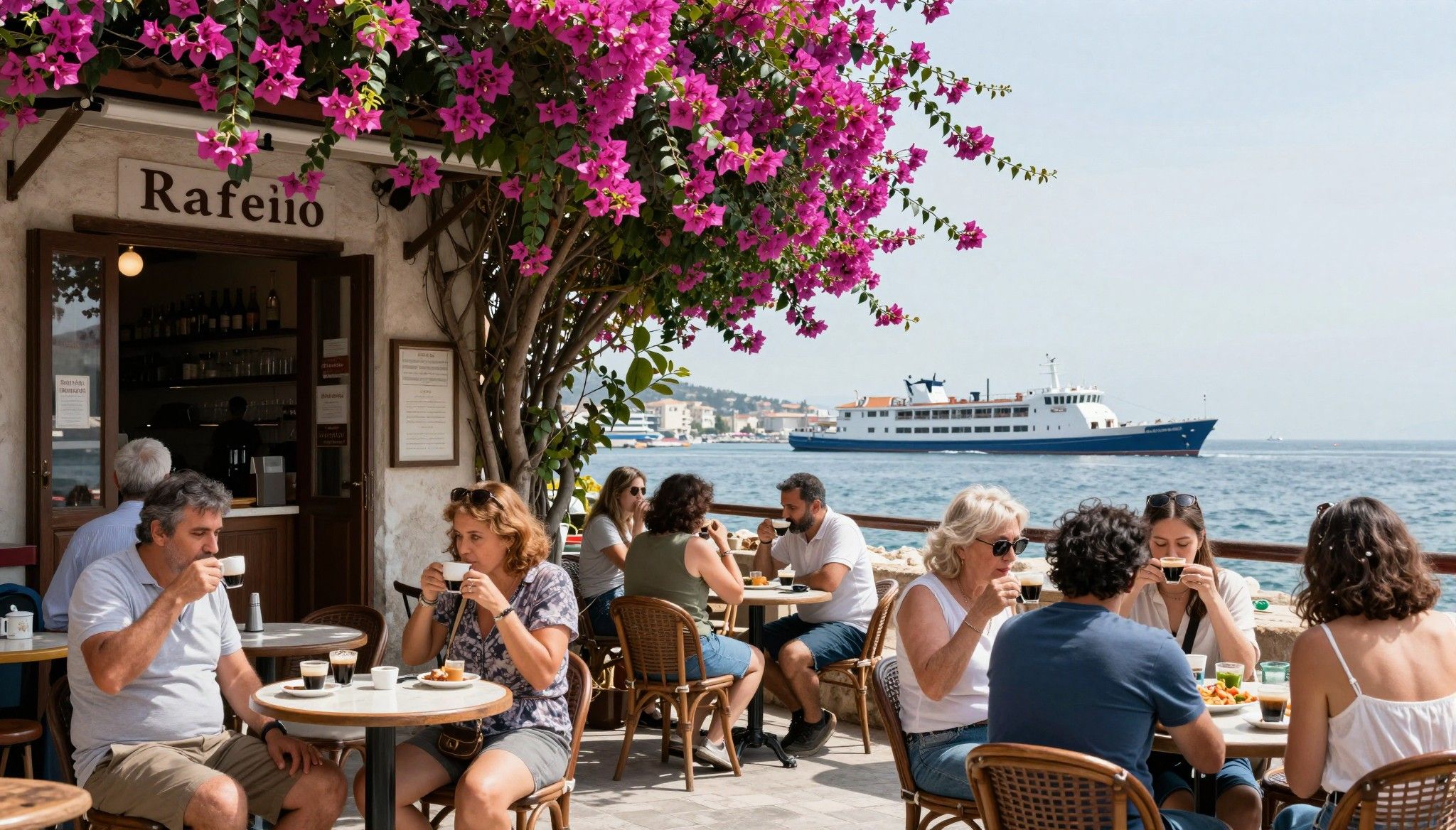
Imagine waking to a walkable Athens lane, espresso steam rising outside a kafeneio on Vasileos Georgiou, then boarding a late-morning ferry to a Cycladic beach. Greece’s pace — sunlit breakfasts, long market Saturdays, and compact historic neighborhoods — sells a lifestyle that’s tactile and immediate. But for international buyers the romance collides with specifics: residency rules, transfer taxes, evolving Golden Visa thresholds and a rising house‑price cycle that reshapes returns. This piece starts with the life you want, then maps the regulatory tradeoffs that actually reprice investment outcomes.
Living Greece: rhythms, neighborhoods and what actually feels like home

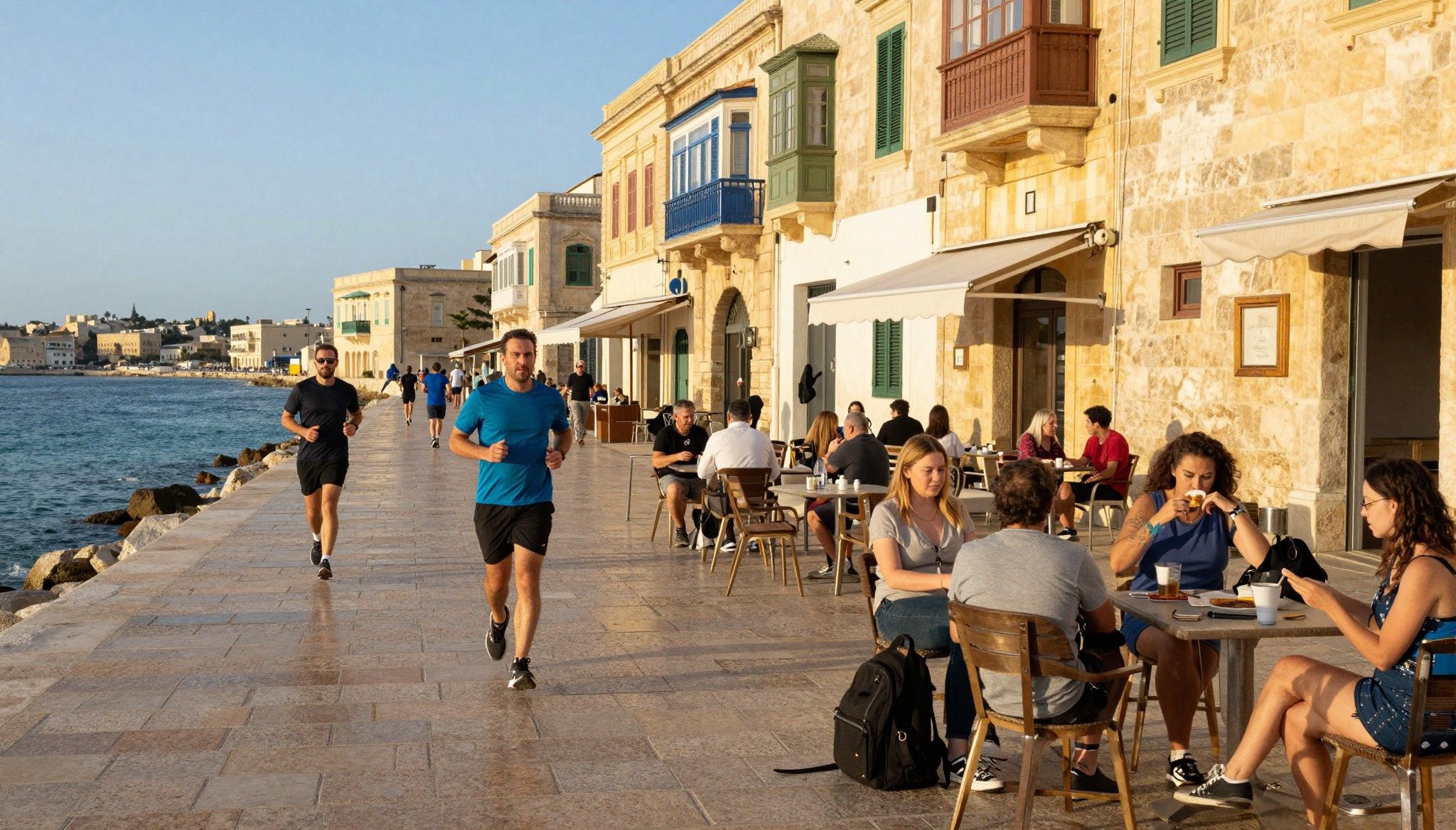
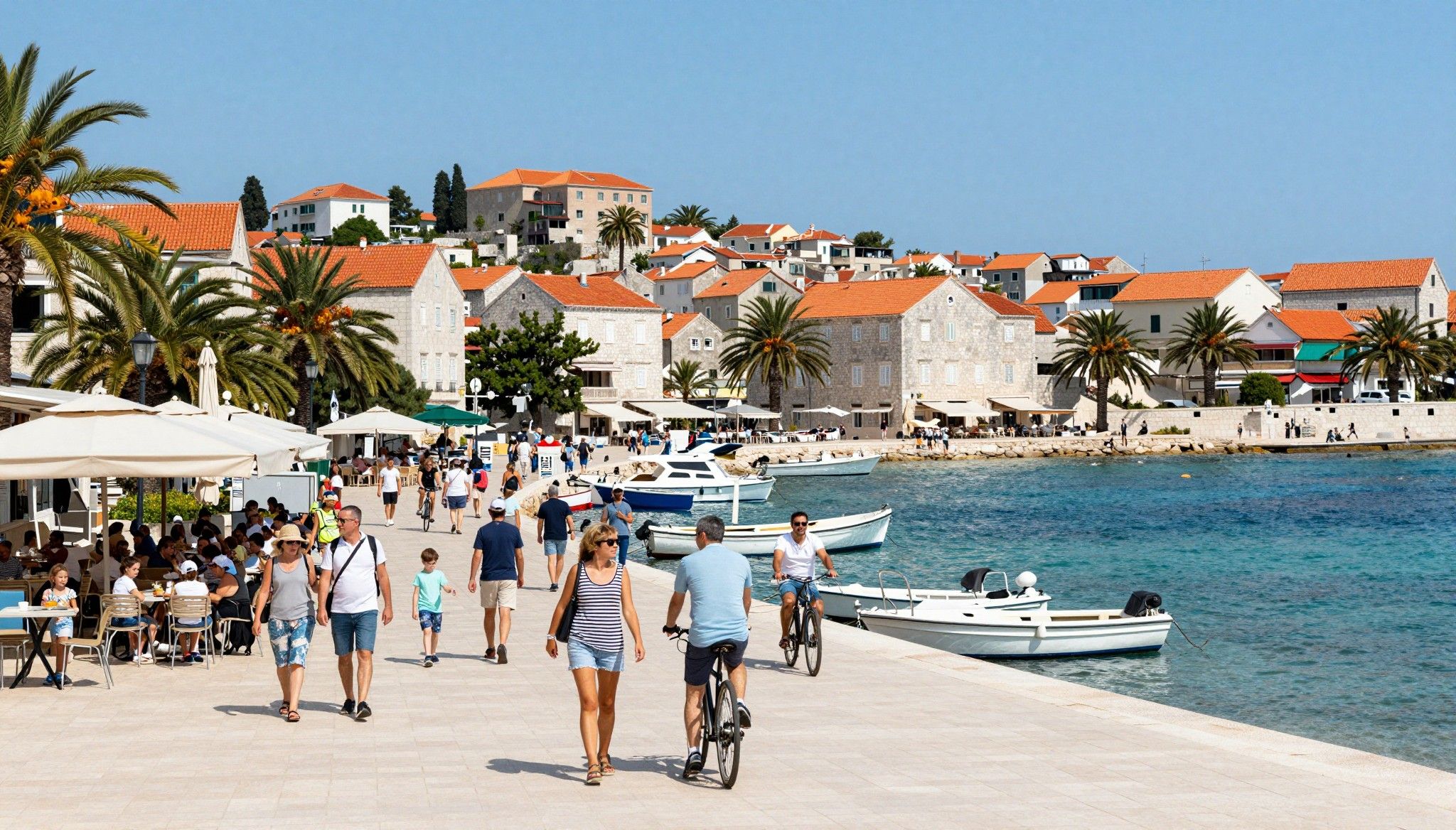
Greece is sensory: the shout of fishmongers at Varvakios Market, the chalk-white lanes of Anafiotika under the Acropolis, Lycabettus views at dusk. Urban life concentrates around plazas and corner kafes; island life pivots on a single main square where taverna owners know regulars by name. Weather moderates behavior — winter is quieter, spring and autumn are active buying windows for locals and foreigners alike, and the high-season tourist surge shifts rental demand and management needs.
Athens, islands and towns: distinct neighbourhood personalities
Athens offers gritty Neoclassical streets in Plaka, design-forward cafés in Koukaki, and high-yield lettings around Exarchia’s tight studio market. On the islands, places like Mykonos and Santorini deliver tourist premiums but now face higher Golden Visa thresholds and stricter conversion rules; smaller islands or outskirts can offer better yields but require more hands‑on management. In smaller towns — Nafplio, Chania, or Karditsa — community rhythm, lower prices per m² and year‑round residents create a different, steadier rental profile.
Food, markets and daily life that shape buying choices
Local routines — morning markets, long lunches, late dinners — determine amenity demand: proximity to a market or bakery often matters more for long‑term tenants than sea views. Seasonal festivals and harvests (olive and grape) create short-term rental spikes that savvy owners can monetise, but they also increase operational complexity and vacancy risk outside season. For investors targeting lifestyle tenants (remote workers, retirees), walkability, local shops and healthcare access beat spectacular views in occupancy maths.
Making the move: how regulation and tax reprice the dream

The practical reality for buyers: Greece’s house prices rose materially in recent quarters, with notable regional variation, and non‑resident demand remains a meaningful driver. Rising prices compress yields unless rents keep pace; buyers who pay premium island prices for short‑season income often see lower net yields after taxes and management. Accurate, up‑to‑date HPI and regional growth figures from the Bank of Greece should be part of any due‑diligence model before you commit.
Key taxes and rules that alter returns
Buyers pay a transfer tax (the buyer’s responsibility), notary, registry and agent fees — a baseline cost that sits on top of purchase price and affects break‑even horizons. Recent legal changes to residency‑by‑investment rules (higher minimums in busy islands and Attica) change demand distribution: where thresholds increased, price growth accelerated before the change and now may cool. Factor explicit transaction costs, potential VAT on new builds, ongoing ENFIA property tax and income tax on rentals into net yield calculations.
How the Golden Visa actually changes market dynamics
The Golden Visa created concentrated demand pockets: lower thresholds pulled purchases into secondary islands and certain city districts; recent threshold hikes for Attica, Mykonos and Santorini shifted demand outward. That flow inflates prices where residency value exists and creates quieter pockets with better yields elsewhere. Understand whether you are paying for residency optionality (which bids up price) or for standalone rental income potential.
Insider knowledge: mistakes, tradeoffs and practical steps
Expats often buy the postcard: a sea‑view studio on an island and then wrestle with seasonal occupancy, high management fees and municipal rules that restrict short lets. A better tradeoff for many is a central Athens two‑bed near transport for year‑round demand, or a well‑connected town property that attracts long‑stay tenants. Below are practical actions that blend lifestyle wants with regulatory reality.
What locals wish international buyers understood
Locals value community continuity: noise rules, festival dates, and neighbour relations matter for long‑term happiness and tenancy stability. Language gaps slow administrative steps (permits, utility transfers); a lawyer or fixer who speaks Greek shortens timelines and reduces escalation risk. Expect slower‑moving municipal processes than in some northern European markets and build that time into your cash‑flow model.
Priority due diligence checklist
Do a title and encumbrance search, verify permit history for conversions, model net yield including ENFIA and income tax, and stress test occupancy across seasons. Check Golden Visa eligibility rules before assuming residency potential; rules changed recently and differ by region. Ask an agent for comparable net yields (not headline rents) and demand verified maintenance and management cost histories.
- Local-leaning lifestyle investments that often outperform postcard buys
- Athens inner-ring 2‑beds near metro (steady long-term demand, lower management intensity)
- Renovation-ready village houses with established long‑stay tenancy potential (lower purchase price per m², higher capex)
- Small islands outside Golden Visa premium zones with reliable summer demand and lower acquisition multiples
Step-by-step purchasing process (practical sequence)
- 1. Secure a Greek tax number (AFM) and open a local bank account for deposits and tax payments.
- 2. Instruct a Greek lawyer to run title searches, building permits and encumbrance checks before signing a preliminary contract.
- 3. Calculate total acquisition costs (purchase price, transfer tax, notary, registry) and model net rental yield under conservative occupancy scenarios.
- 4. Confirm residency-by-investment eligibility if residency is a goal; otherwise prioritise cash-flow metrics and management plans.
Conclusion: Greece sells a life first and an investment second. When you prioritise lifestyle, explicitly model how regulation, taxes and seasonality reprice returns. Use Bank of Greece price and HPI data and AADE tax rules to ground assumptions, hire Greek legal and accounting support, and treat residency options as value-adds — not the sole rationale for overpaying. If you want the life, aim for the micro‑market that delivers both the scenes you love and the yields your portfolio needs.
Norwegian market analyst who relocated from Oslo to Mallorca in 2016, guiding Northern buyers through regulatory risk, currency hedging, and rentability.