Cyprus Micro‑Markets: Where Lifestyle Meets Yield
Cyprus blends sunlit lifestyle with mid‑single‑digit yields; treat it as micro‑markets: coastal Limassol trades higher prices for stronger rents, while Paphos and Larnaca offer steadier seasonal dynamics.
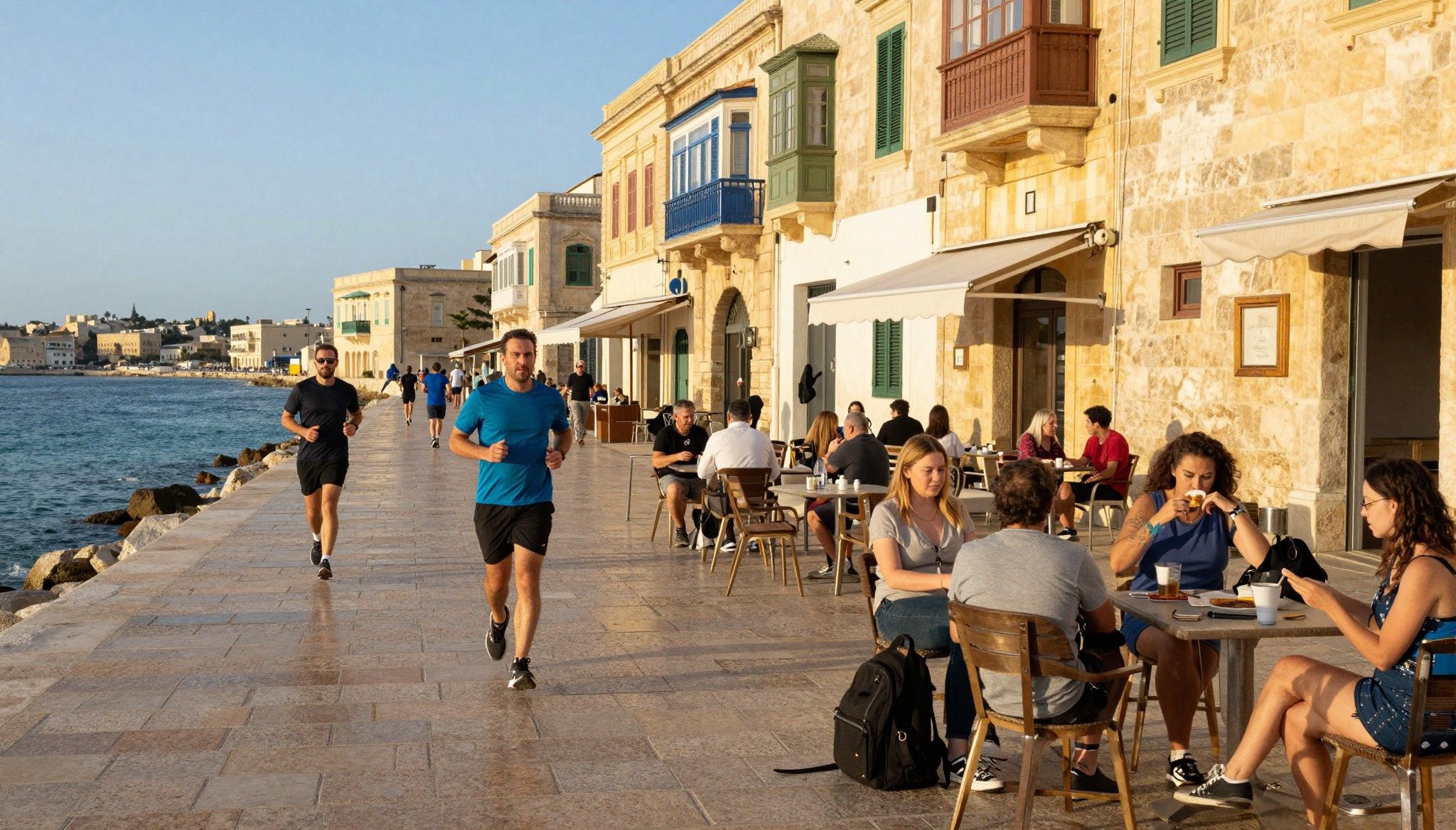
Imagine mornings on Limassol’s Molos promenade, espresso steam in the air and construction cranes framing new mid‑rise apartments — that contrast is Cyprus: sunlit leisure layered over vigorous real‑estate activity. For many international buyers, Cyprus’ appeal arrives first as lifestyle — beaches, tavernas and compact, walkable towns — then as a portfolio decision where rental demand, tourist flows and tax rules meet house‑price dynamics. This guide blends those two truths: vivid neighbourhood scenes and the data that proves whether the dream can also be a defensible investment.
Living the Cyprus lifestyle
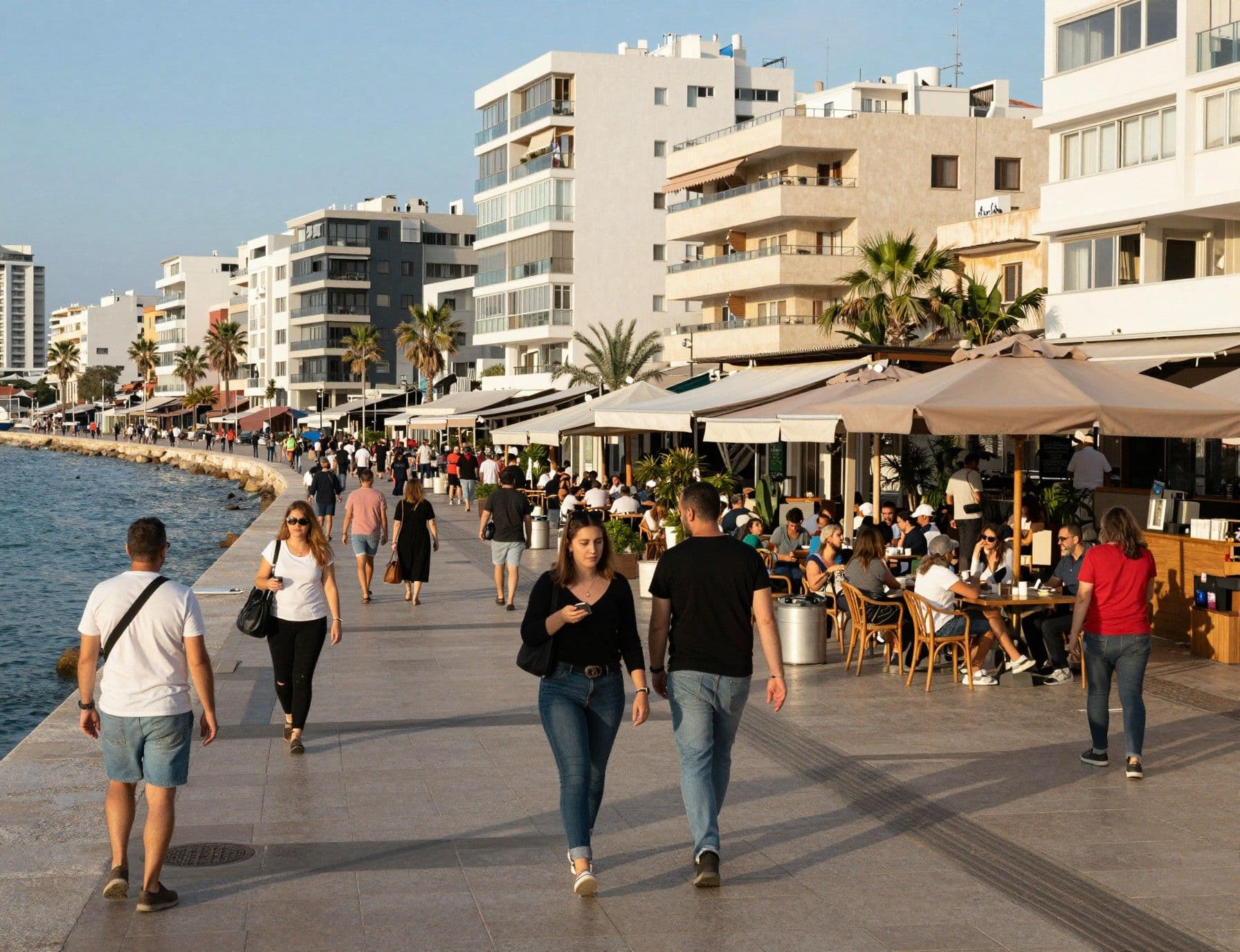
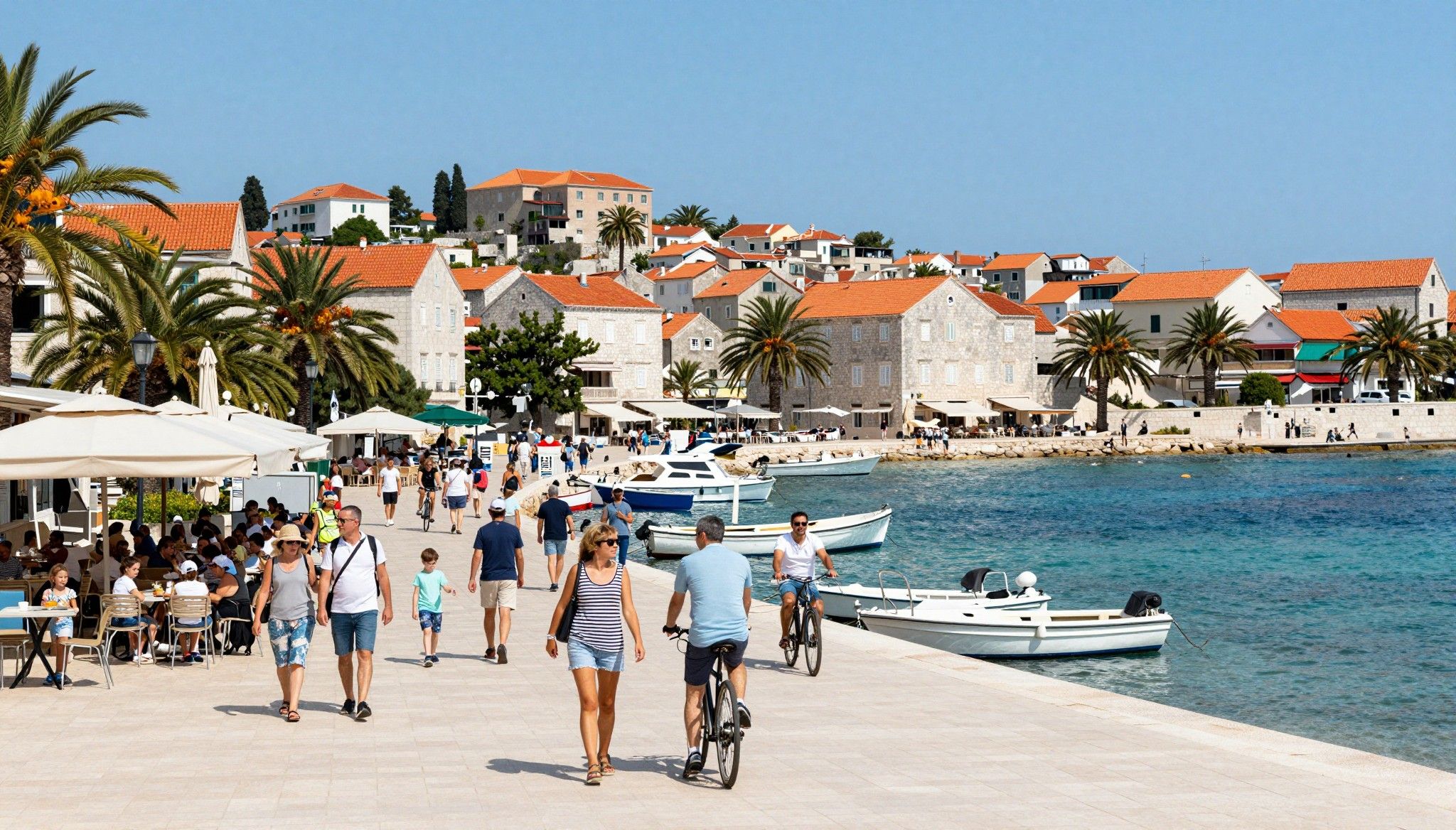
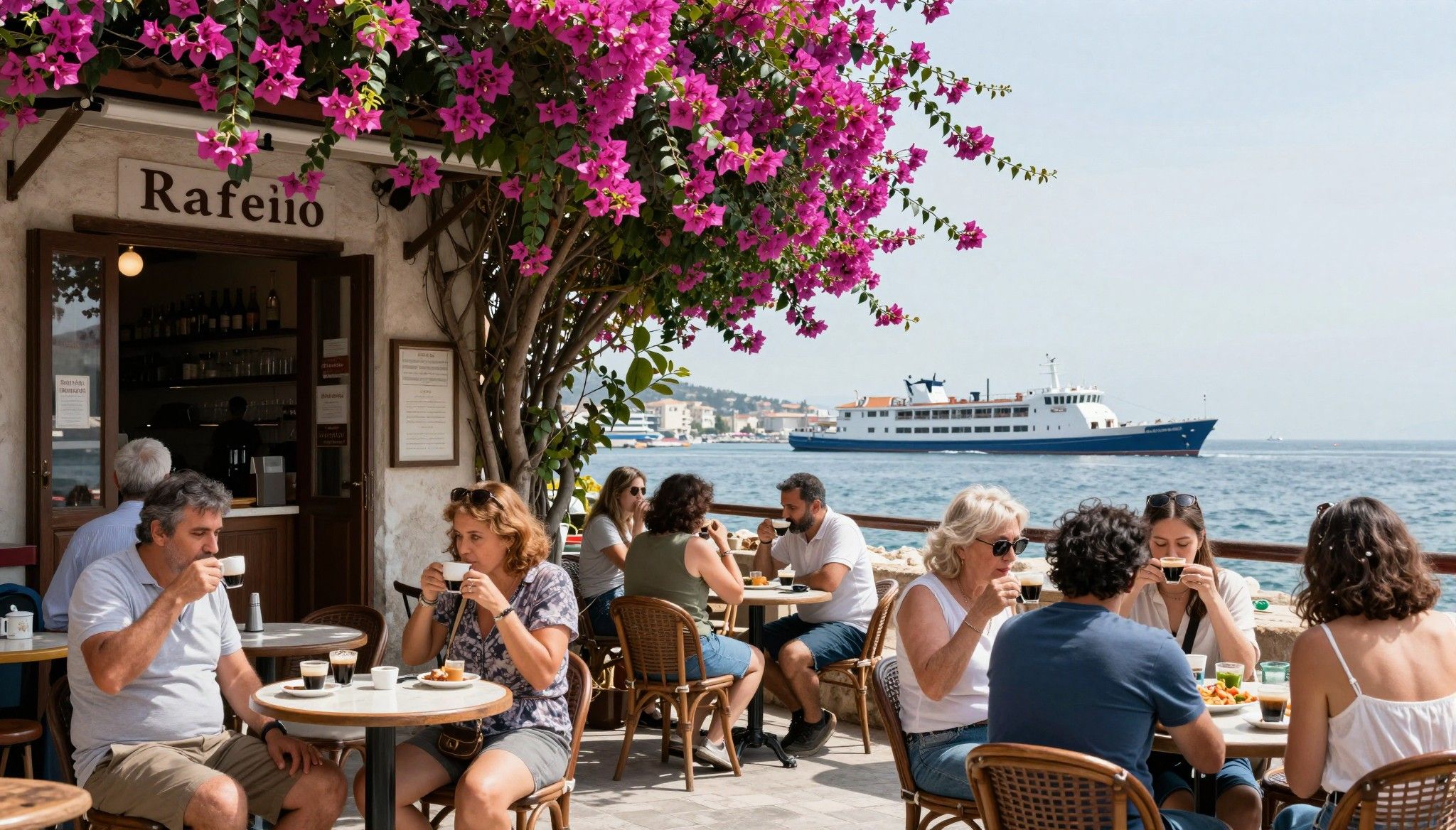
Cyprus moves at Mediterranean pace: mornings for coffee and market runs, afternoons on small pebble beaches and evenings at family‑run tavernas. Tourist numbers — around four million arrivals in 2024 — mean a steady stream of seasonal demand that lifts coastal rental prospects but also concentrates price pressure in hot zones. The result is a market where lived experience (walkable squares, neighbourhood cafés) and investor metrics (seasonal occupancy, short‑term vs long‑term rentability) collide in ways that reward local knowledge.
Limassol: cosmopolitan coast with investment gravity
Limassol feels like Cyprus’ financial centre by the sea: glossy marinas, Molos promenade strolls and concentrated apartment development near the port and Germasogeia. That urban mix creates strong rental yields in core micro‑locations — Danos reports Limassol leading in rent per sqm — but it also pushes price per square metre above national averages, so buyers must trade density and higher cap‑rates for larger upfront capital. If you want city‑energy with seaside evenings, Limassol delivers, but run the math on price per sqm and vacancy scenarios before committing.
Paphos & Larnaca: quieter coasts, distinct returns
Paphos trades some cosmopolitan gloss for steadier, family‑oriented tourism and a larger stock of villas; Larnaca offers affordability and an airport that keeps year‑round demand more even. Tourism statistics show Paphos and Ayia Napa as major stay destinations, which translates into seasonal rental upside for well‑positioned properties but lower year‑round yields than Limassol in many cases. Across the island, average gross yields hover in the mid‑single digits — strong for some portfolios, marginal for others — depending on micro‑location and property type.
Making the move: practical considerations
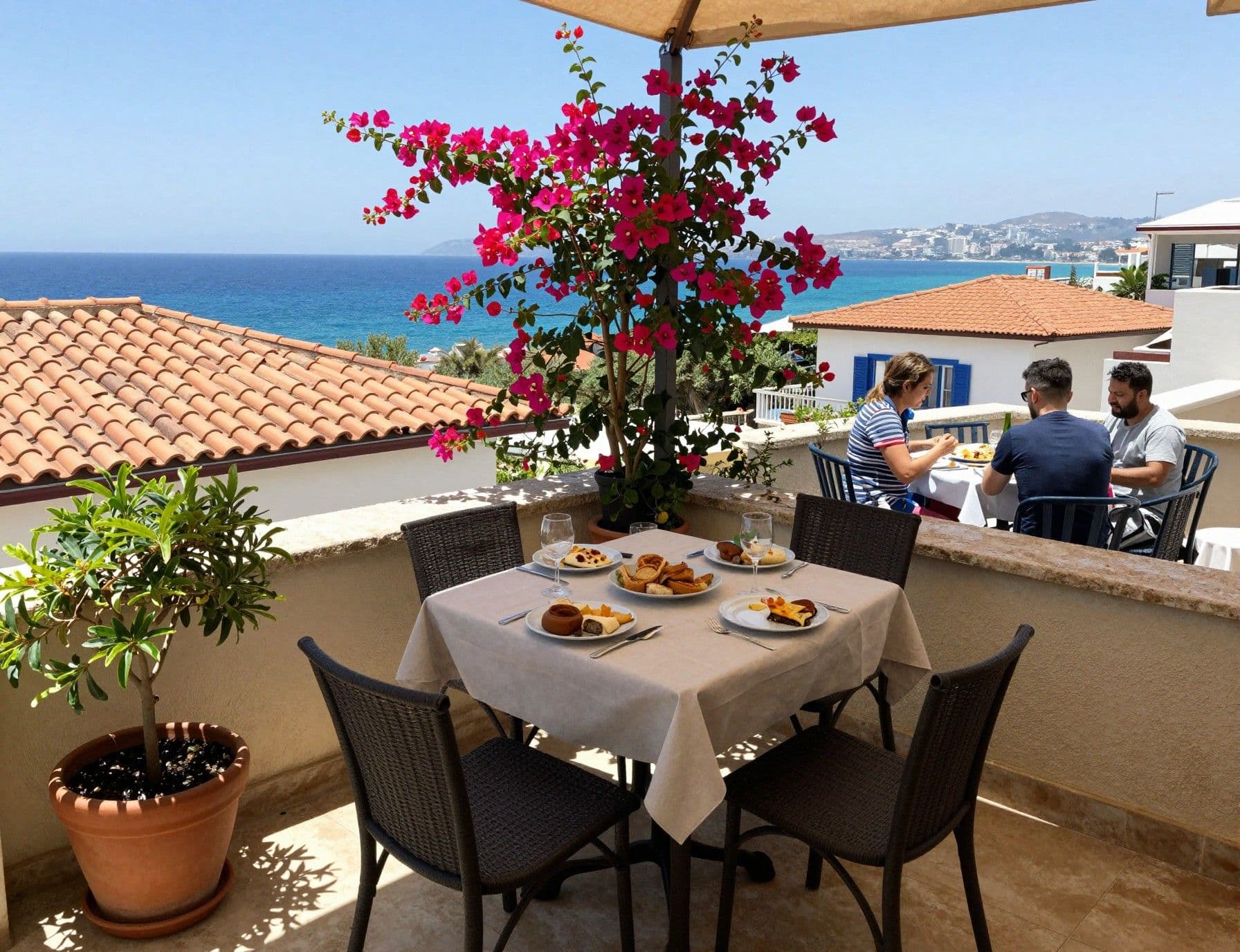
Lifestyle decisions meet legal reality when you start the purchase process in Cyprus. Non‑EU nationals need district permission to acquire property, applications typically take a few weeks, and clear title via the Department of Lands and Surveys is non‑negotiable. Work with a local lawyer and an agency that understands title checks, municipality regulations and the nuances of buying on the coast versus inland villages; the paperwork is straightforward if you prepare, but mistakes cost months and money.
Property styles and how they shape life
Modern coastal apartments favour low‑maintenance living, high occupancy and easier short‑term rental management, while village houses and restored stone properties offer capital appreciation potential tied to authenticity and scarcity. New builds around Limassol and Paphos command premiums but plug directly into tourist‑rental demand; older flats in Nicosia target long‑term tenants and local professionals. Choose a product that matches intended use: yield‑focused investors should lean towards central apartments; lifestyle buyers seeking quiet should accept lower immediate yields for quality of life.
Working with local experts who match vision to metrics
An agency that can map lifestyle cues (neighbourhood cafés, walkability, seaside access) to investment inputs (price per sqm, expected gross yield, seasonality) is indispensable. The best local partners provide transparent comps, management cost estimates and a realistic occupancy curve for short‑let vs long‑let strategies. Ask agencies for three‑year cash‑flow scenarios, not just list prices; that separates lifestyle storytellers from investment advisers.
- Buyer checklist — blend of lifestyle and practical checks
- Check title and municipality permits; insist on a lawyer's red flag list.
- Model net yield using realistic occupancy (seasonal variance) and management fees (10–20% for short lets).
- Match product to tenant pool: professionals (Nicosia), holiday tourists (Paphos/Ayia Napa), long‑stay ex pats (Limassol).
Insider knowledge: what expats wish they'd known
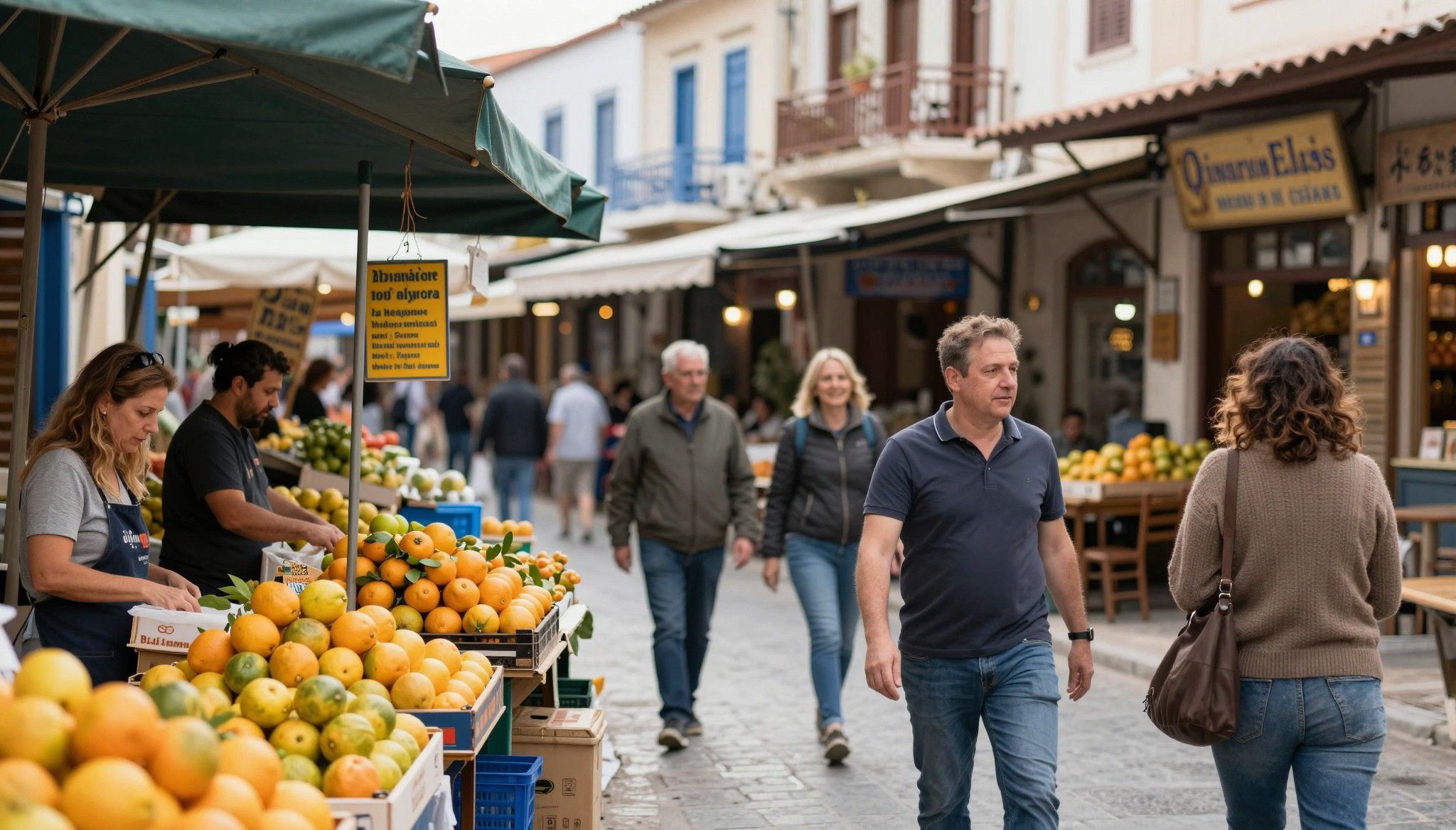
Expat buyers often underestimate seasonality and the value of local routine: the weekly market, church festivals and the slow closure of businesses in August change neighbourhood life and short‑term rental patterns. Data show domestic sales sometimes outpace foreign purchases, and overseas transactions can be lumpy — meaning micro‑markets reset faster than national averages. The honest expat truth: fall in love with a street, not a poster of the island, and quantify how that street performs across seasons.
Cultural integration and daily rhythms
Cyprus is English‑friendly in business and property transactions, but social entry points are local: neighbourhood kafeneia, church events and small markets. Learning even a few phrases of Greek pays dividends in sourcing contractors, understanding maintenance norms and negotiating rent. For investors, a bilingual property manager reduces friction and vacancy days; for lifestyle buyers, local friendships create the daily life that justifies a long‑term buy.
Long‑term lifestyle and value drivers
Urban regeneration, airport connectivity and tourism diversification are the structural drivers likely to keep property on Cyprus resilient over the next decade. Central Bank indices show regional dispersion: coastal hubs appreciate differently from inland towns, and infrastructure projects (airport improvements, coastal promenades) reprice local rents more than national policy. Buyers should view purchases as micro‑market bets: the right street near amenities outperforms generic island exposure.
- Steps to a defensible Cyprus purchase
- 1. Define target use (short‑let yield vs long‑let stability) and set realistic net yield thresholds (after fees and taxes).
- 2. Narrow to 2–3 micro‑locations; collect three comparable sales and three comparable rental contracts for each.
- 3. Engage a lawyer for permissions and title checks; get a local manager to estimate operating costs and occupancy curves.
- 4. Stress‑test cash flow: model a 20% fall in seasonal occupancy and a 10% increase in maintenance costs to see downside scenarios.
Conclusion: Cyprus is a lifestyle magnet and a pragmatic investment — when you treat it as a collection of micro‑markets rather than a single island thesis. Fall in love with the pace of life, the coffee‑table conversations and the molos sunsets, but invest only after matching that romance to spreadsheets, professional title checks and a local team that can translate place into predictable returns. If you want a next step: pick two streets you love, gather three comparables for each, and ask a local lawyer and manager to produce a 12‑month cash‑flow forecast.
Norwegian market analyst who relocated from Oslo to Mallorca in 2016, guiding Northern buyers through regulatory risk, currency hedging, and rentability.