Croatia’s Coastal Premium: Where Buyable Yield Hides
Coastal prices headline Croatia—but tourism-driven demand and regional dispersion create buyable yield pockets for informed investors.
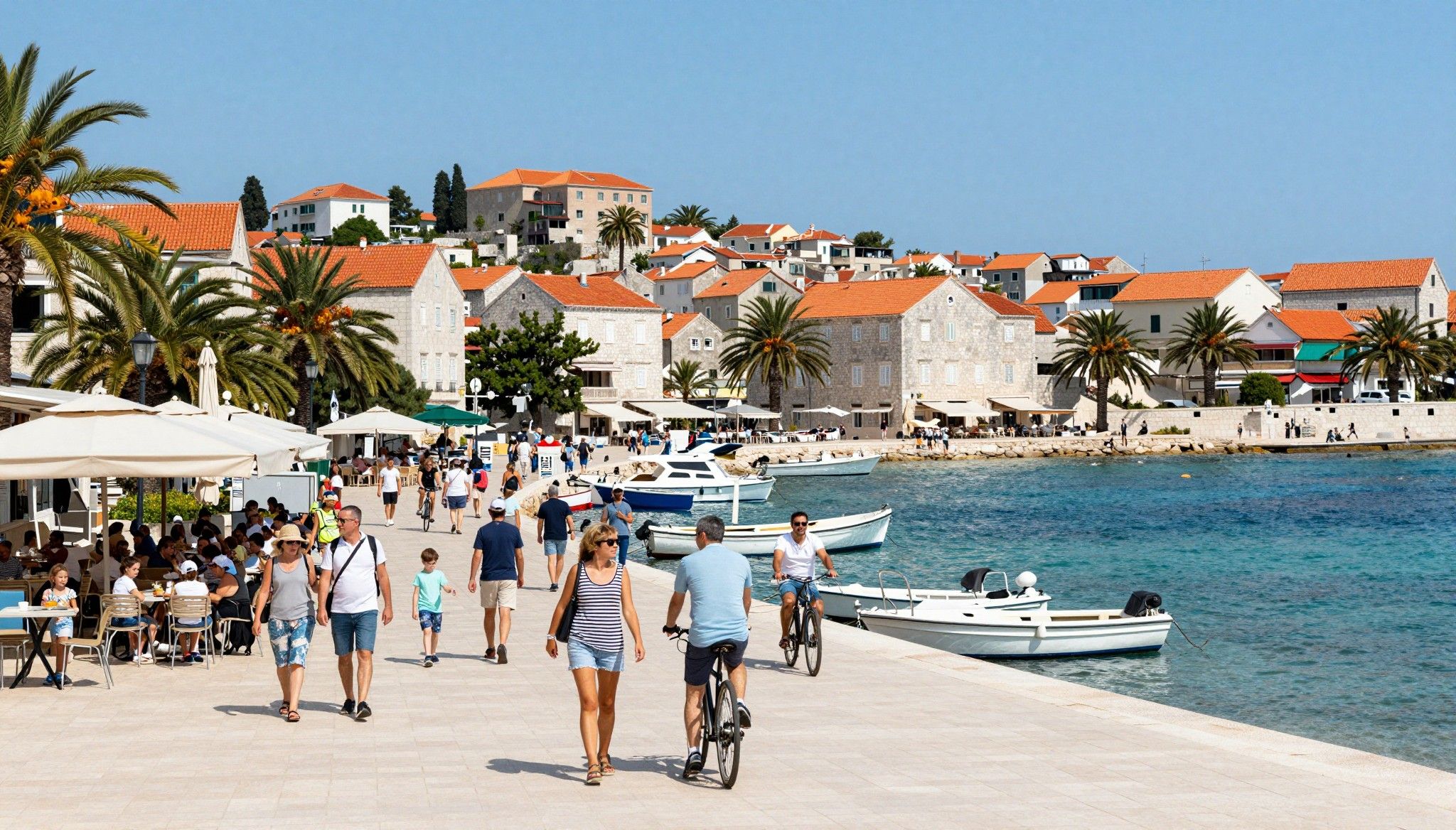
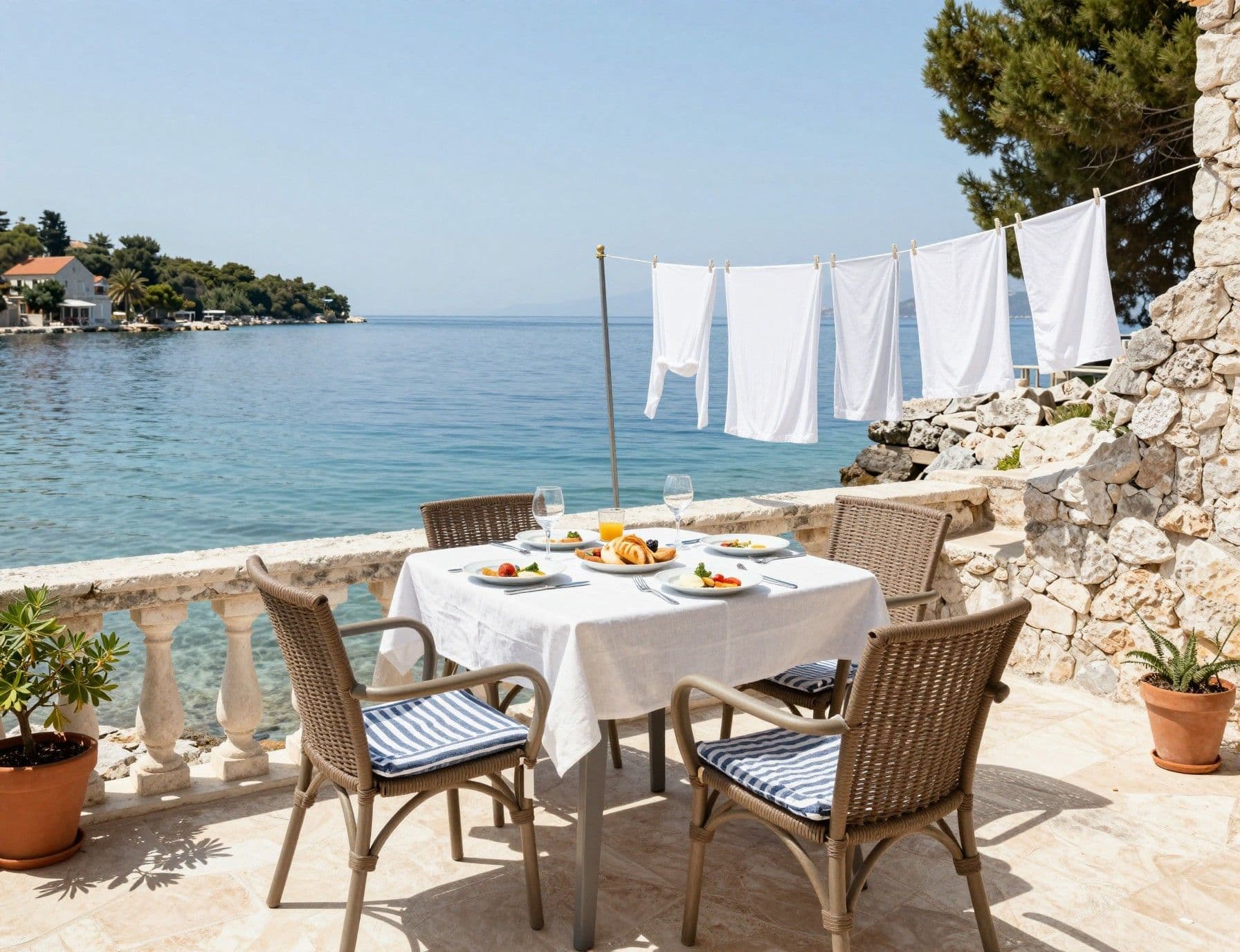
Imagine a morning in Split: espresso steam on Marmontova, fishermen unloading glinting dorade at the Riva, and a neighbour hanging laundry from a sun-warmed balcony. Croatia feels smaller than it is—a stitched map of Adriatic towns, Istrian hill villages and Zagreb’s orderly boulevards—yet the same coastal scenes that make you fall in love also complicate the investment story. Recent market analysis shows brisk price growth concentrated on the coast; understanding why that doesn’t mean ‘Croatia is too expensive’ is the point of this guide. (Sources below explain the data.)
Living the Croatia lifestyle
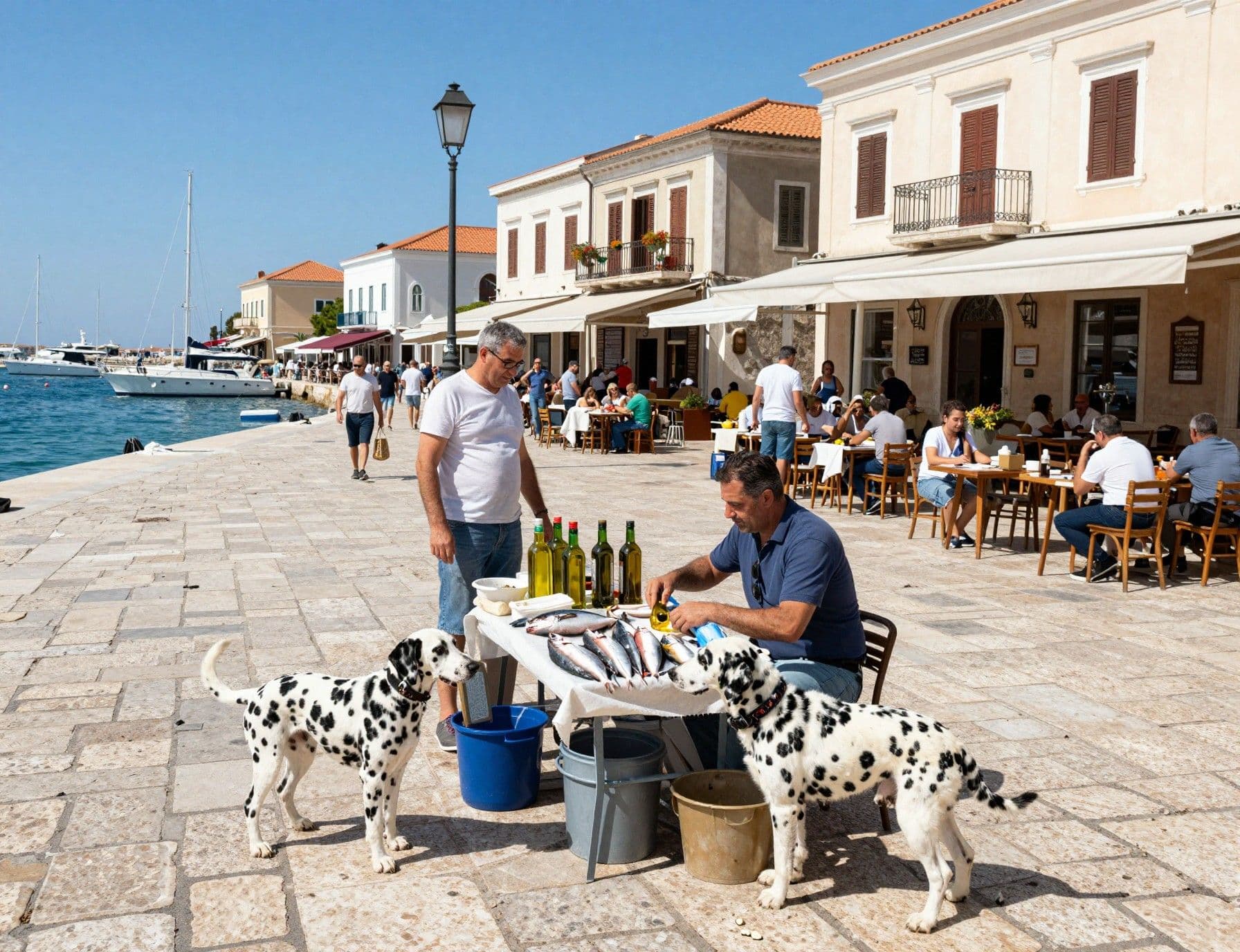
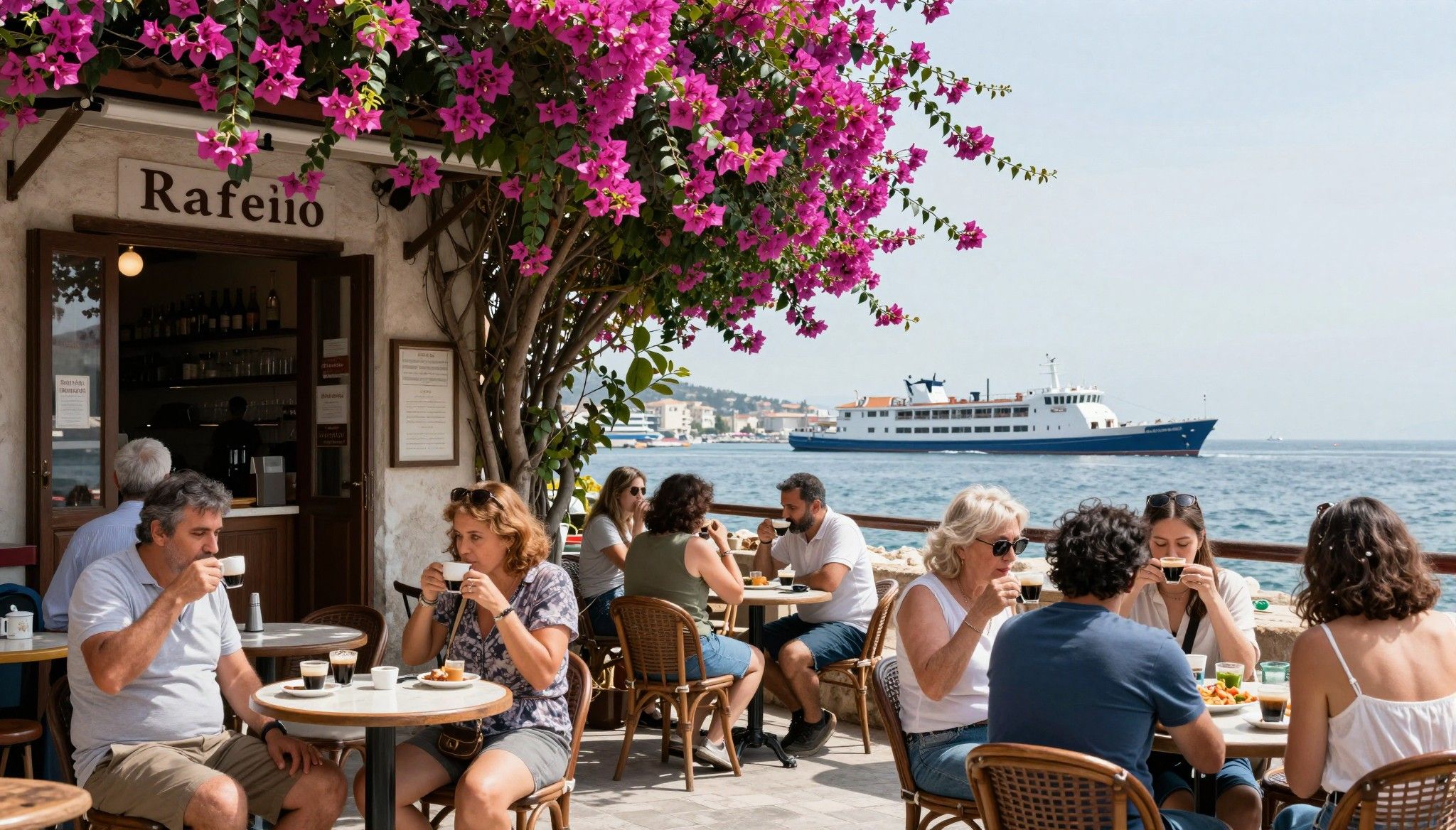
Day-to-day life here is sensory: markets at dawn (Zadar’s fish market, Dubrovnik’s Gruž), late-afternoon beach swims on Zlatni Rat or in the tiny pebble coves around Vis, and neighbourhood cafés where the same barista knows your order. Summers bring festivals—Ultra and Dubrovnik’s summer programme—while winters slow to a provincial rhythm, excellent for focused renovation projects and lower competition on the market.
Neighborhoods that define life
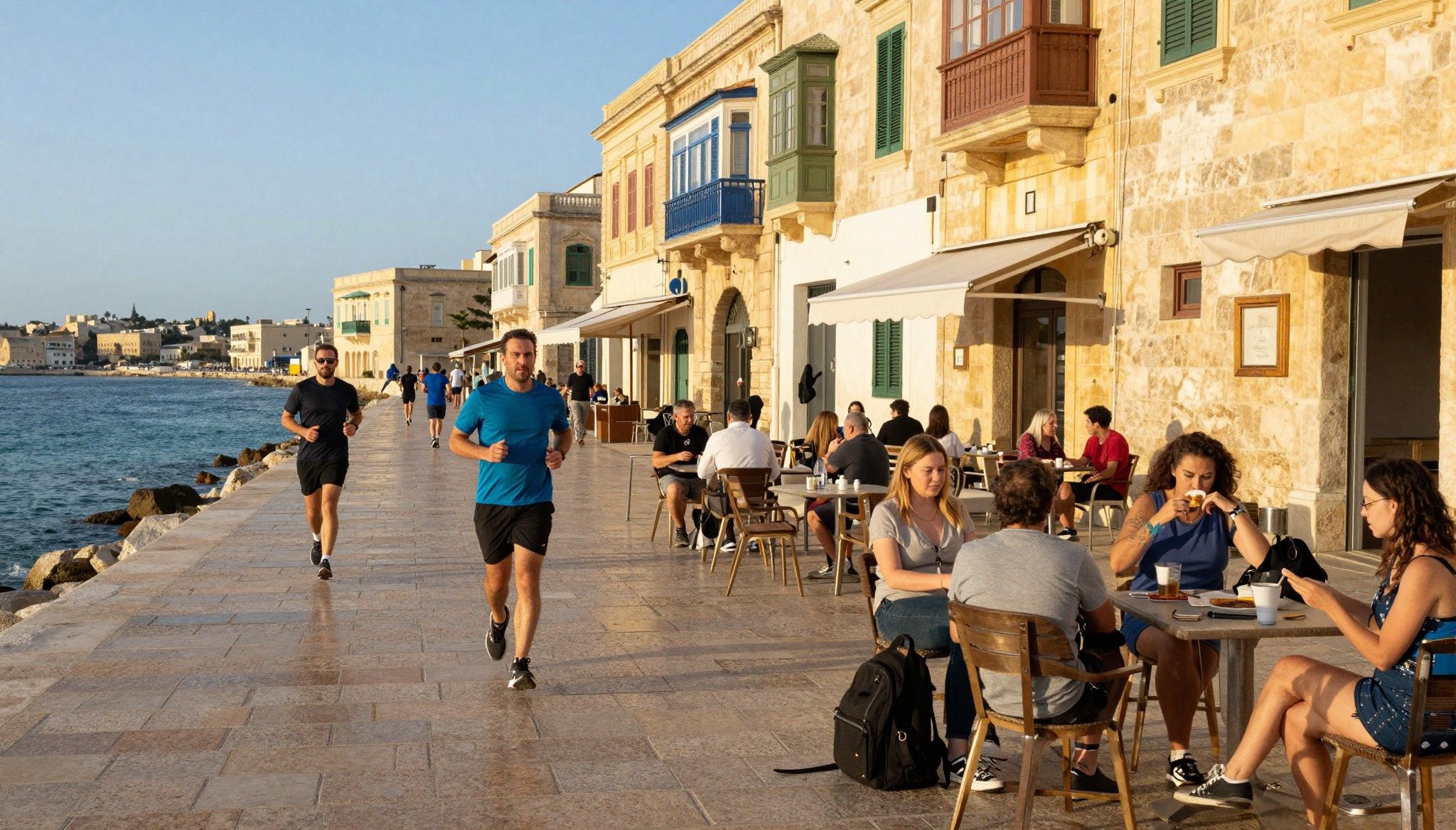
City-living is different across Croatia: Zagreb’s Lower Town offers café culture and reliable rental demand from students and professionals; Split’s Diocletian quarter is tourist-dense but commands premium nightly rates; coastal municipalities such as Rovinj and Hvar are seasonal but enjoy high long-term capital appreciation. Pick based on rhythm: do you want year-round tenants (Zagreb, Rijeka, Osijek) or seasonal premium (Dalmatian islands, Istria)?
Food, markets and the social calendar
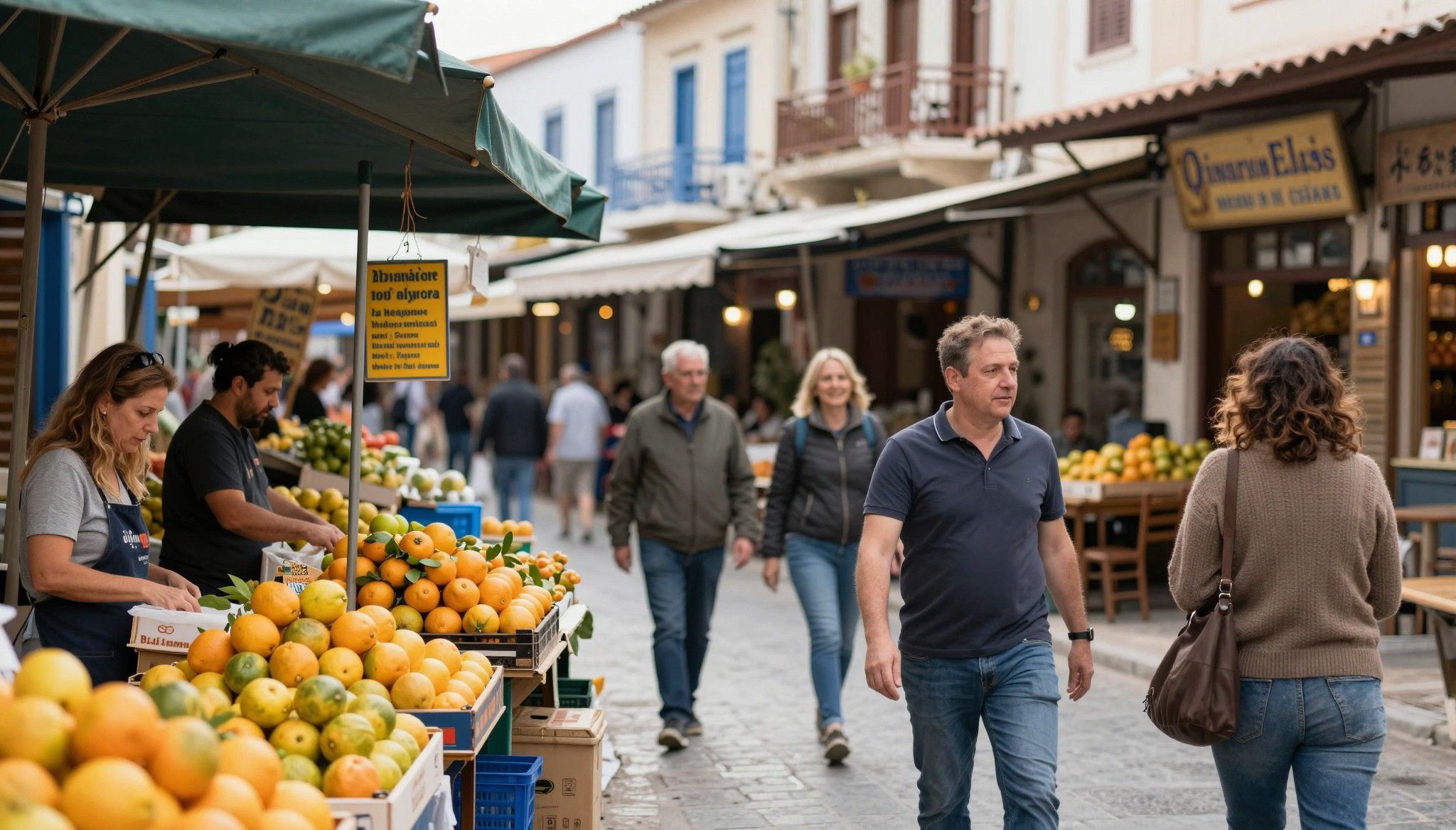
Weekends orbit local markets (Pula, Dubrovnik, Split), family konobas for grilled fish, and wine bars in Istria where Malvasia is practically a cultural marker. Tourism remains a major demand driver—foreign tourist nights grew strongly in recent years—so lifestyle spots double as rental locations during the high season. That creates a bi-modal market: expensive, liquid coastal assets; quieter, value-rich inland alternatives.
Lifestyle highlights to check in person
Early-morning fish stalls at Gruž (Split) — check access and storage for short‑term rentals
Riva promenade walks — properties one block back keep price upside but lower noise
Istrian hill towns (Motovun) — quieter year-round demand from second‑home owners
Making the move: practical considerations
Data from the Croatian Bureau of Statistics confirm rapid housing-price growth in recent years, concentrated on coastal areas and major cities. That growth co-exists with strong tourism figures—foreign nights remain a dominant share of stays—so entry price is high where seasonal rent potential is greatest. Your task as an investor is to separate headline coastal premiums from pockets where yield and price appreciation are still sensible.
Property styles and how they affect living
Stone townhouses on Split’s waterfront deliver character and premium rates but often require costly maintenance; newer apartments in Zagreb deliver steadier year-round rental income and lower capex risk. In Istria, renovated farmhouses can attract long-term holiday renters seeking authenticity. Match property type to income model: short‑term holiday lets prefer central, walkable locations; long‑let yields favour transport links and local employment centres.
Working with local experts who know the lifestyle
A local agent does more than show listings: they translate seasonal nuance (which streets flood with tourists in July), advise on utilities and renovation norms, and introduce reliable property managers. Look for agencies with cross-season rental track records and knowledge of municipal zoning—those factors materially affect net yield after fees and vacancy.
Six steps to align lifestyle with investment
1) Define the income model (short‑term vs long‑let) and map it to neighbourhood seasonality.
2) Use DZS regional price indices to find counties with below‑coast price per m² but improving tourism inflow.
3) Verify practicalities—parking, insulation, water supply—which change operating expenses in older stone buildings.
4) Factor in management fees and vacancy by season; run a conservative yield model (use 60–70% of peak seasonal revenue for projections).
5) Get local legal counsel to check land-use, building permits and any special coastal protections that reduce resale flexibility.
6) Plan for renovation windows in off-season—lower rates and better contractor availability in late autumn to early spring.
Insider knowledge: what expats wish they'd known
Two realities sit together: headline price inflation (some reports show double‑digit annual gains) and micro‑market dispersion where inland towns and secondary islands remain relatively affordable. Many expats underestimate municipal planning restrictions (coastal setbacks, heritage listings) that reduce supply. Others overpay for 'sea view' without accounting for higher maintenance and insurance costs on exposed properties.
Cultural integration and daily practicalities
Croatians value direct relationships; building trust with local contractors, neighbours and municipal staff smooths transactions. Language matters but isn’t a blocker—many agents and younger professionals speak English. Expect a slower pace in administrative processes than in some other EU countries; plan timelines accordingly when budgeting for closings and renovations.
Long-term lifestyle and market sustainability
Tourism-led demand supports coastal pricing, but diversification (remote workers choosing inland towns, regional festivals, and improved transport links) is broadening demand. That means opportunities for investors who look beyond postcard locations and model conservative yields rather than chase peak seasonal rates.
Red flags to watch
Unverified tourist‑season revenue projections (ask for two full years of bookings and VAT receipts).
Heritage or coastal zoning that limits renovations and future conversion to long‑lets.
Properties with no winter heating strategy—very relevant for year‑round rentals in northern Istria or inland areas.
Conclusion: Croatia sells a lifestyle—emerald seas, market mornings, and compact historic centres—but it also offers a pragmatic investment landscape if you read the data and match the product to the income model. Use official DZS indices and tourism reports to target micro-markets, work with local experts for zoning and renovation reality checks, and plan around seasonality when modelling yields. Start with a short list of neighbourhoods that fit both how you want to live and how your asset will perform; then test your assumptions with conservative revenue scenarios.
Norwegian market analyst who relocated from Oslo to Mallorca in 2016, guiding Northern buyers through regulatory risk, currency hedging, and rentability.