Buy Mobility, Not a Postcard: Greece’s Connectivity ROI
Transport is Greece’s overlooked ROI engine: map real travel times, seasonality and port/metro upgrades to turn lifestyle buys into resilient yields.
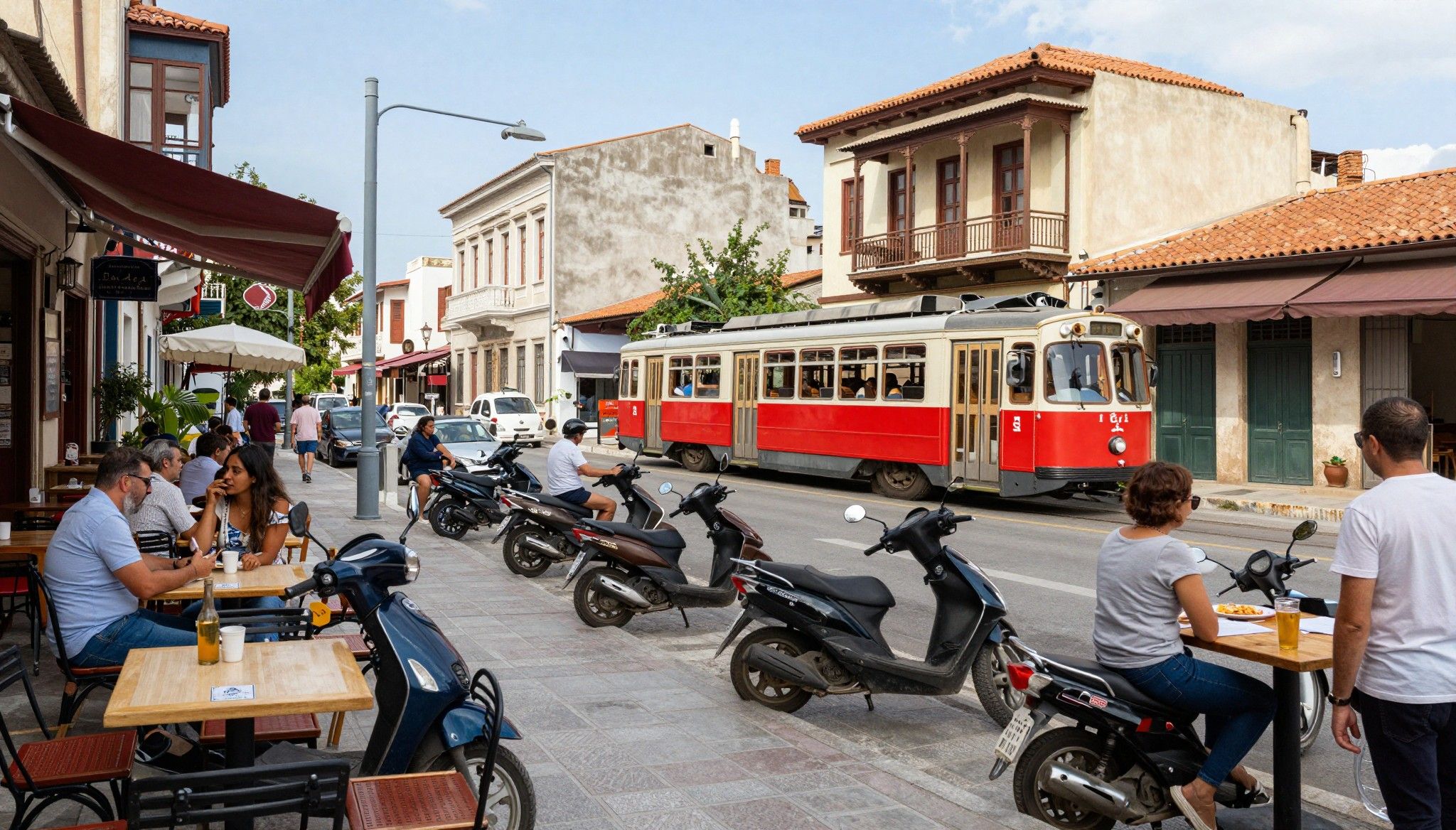
Imagine sipping an espresso on a shaded table in Koukaki, the Acropolis a short walk away, then hopping a 20‑minute metro link to the port where a late‑afternoon ferry waits to the Cyclades. That ease of movement — one part modern metro, one part maritime grid — is Greece’s invisible infrastructure. It is the reason buyers who start with lifestyle often end up building a diversified property portfolio here.
Living the Greece lifestyle — transport as daily luxury
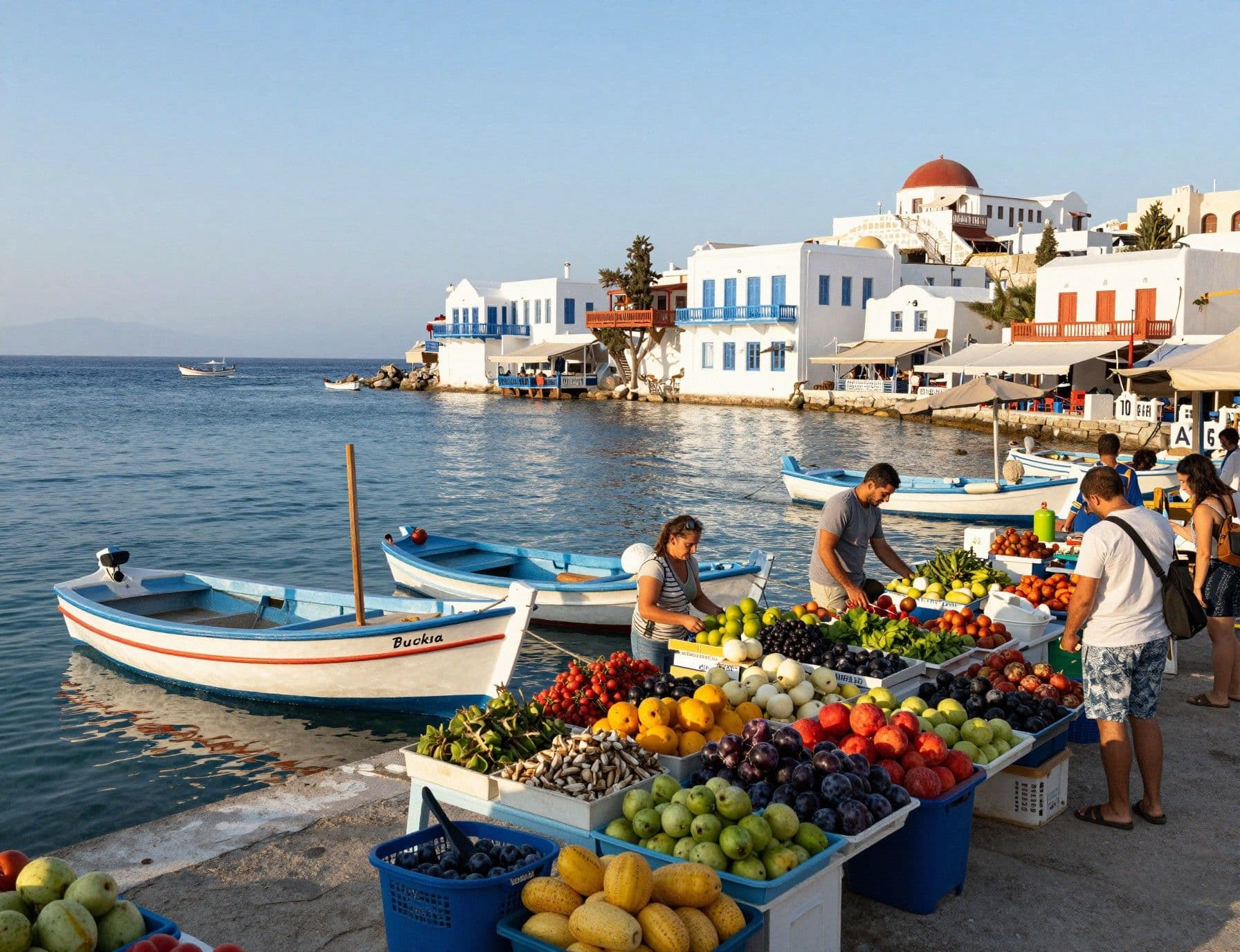
Daily life in Greece moves at the intersection of neighbourhood rituals and seasonal rush. In Athens you hear scooters and tram bells, in Thessaloniki café cups clink on Aristotelous Square, and on island mornings ferries cough to life as markets fill. Tourism volumes — which reached record levels in recent years — supercharge transport demand, making connectivity a central driver of rental cashflow and resale liquidity. (See national accommodation and arrivals data.)
Urban nodes: Athens, Kifisia, Piraeus — different speeds of life
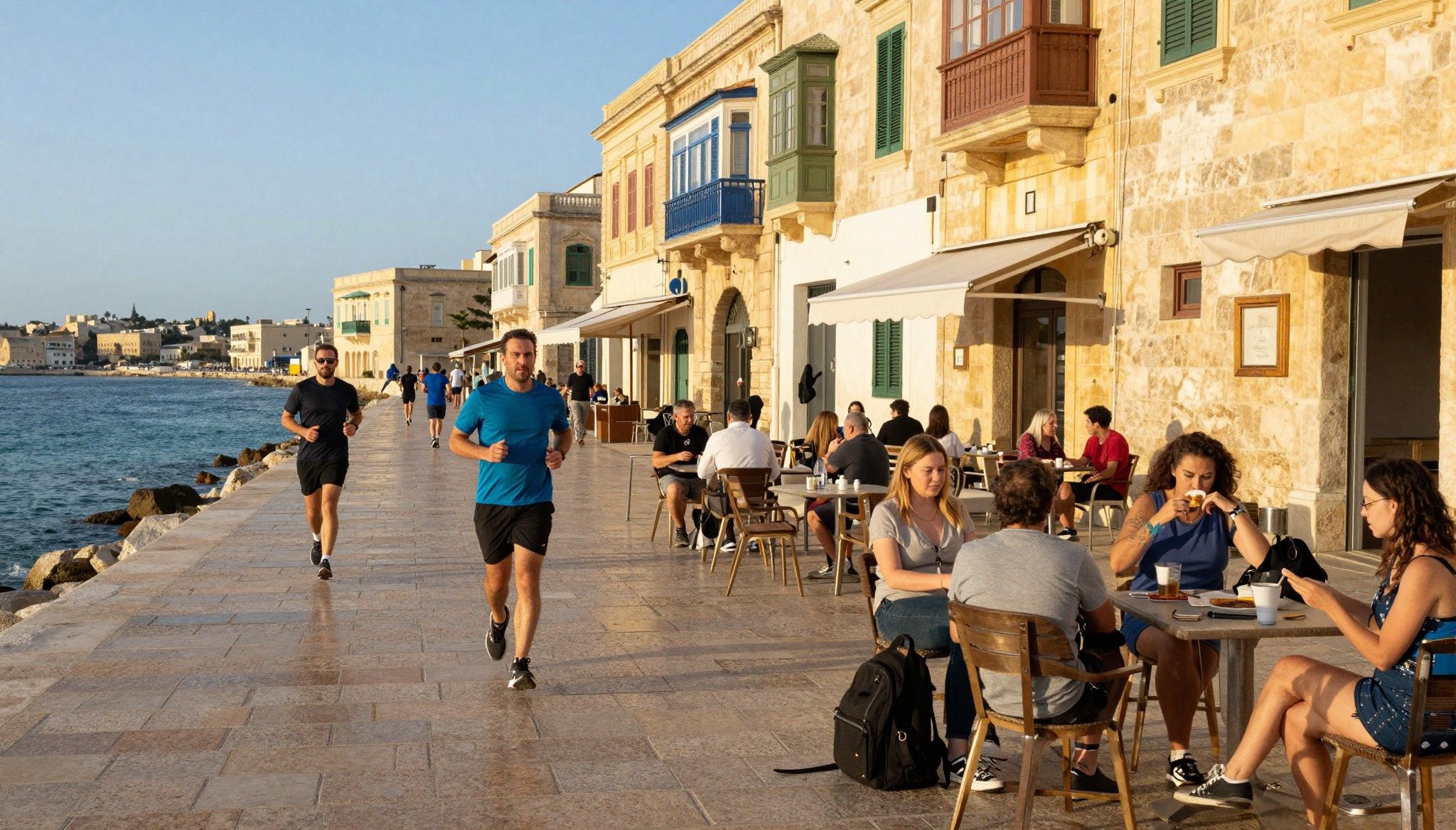
Athens is a mosaic of micro‑markets: Kifisia offers leafy, family‑oriented living with commuter rail links, Koukaki and Mets are walkable historic cores for culture lovers, and Glyfada/Glyfada‑coast blends seaside living with tram and road access. Piraeus, recently better integrated by the Line 3 metro extension, has shifted from a logistics‑only image to a mixed port‑city with rental demand from crew, tourists and locals. Each node delivers a different balance of immediate lifestyle and predictable rental demand.
Islands and the seasonality question: Naxos, Paros, Crete
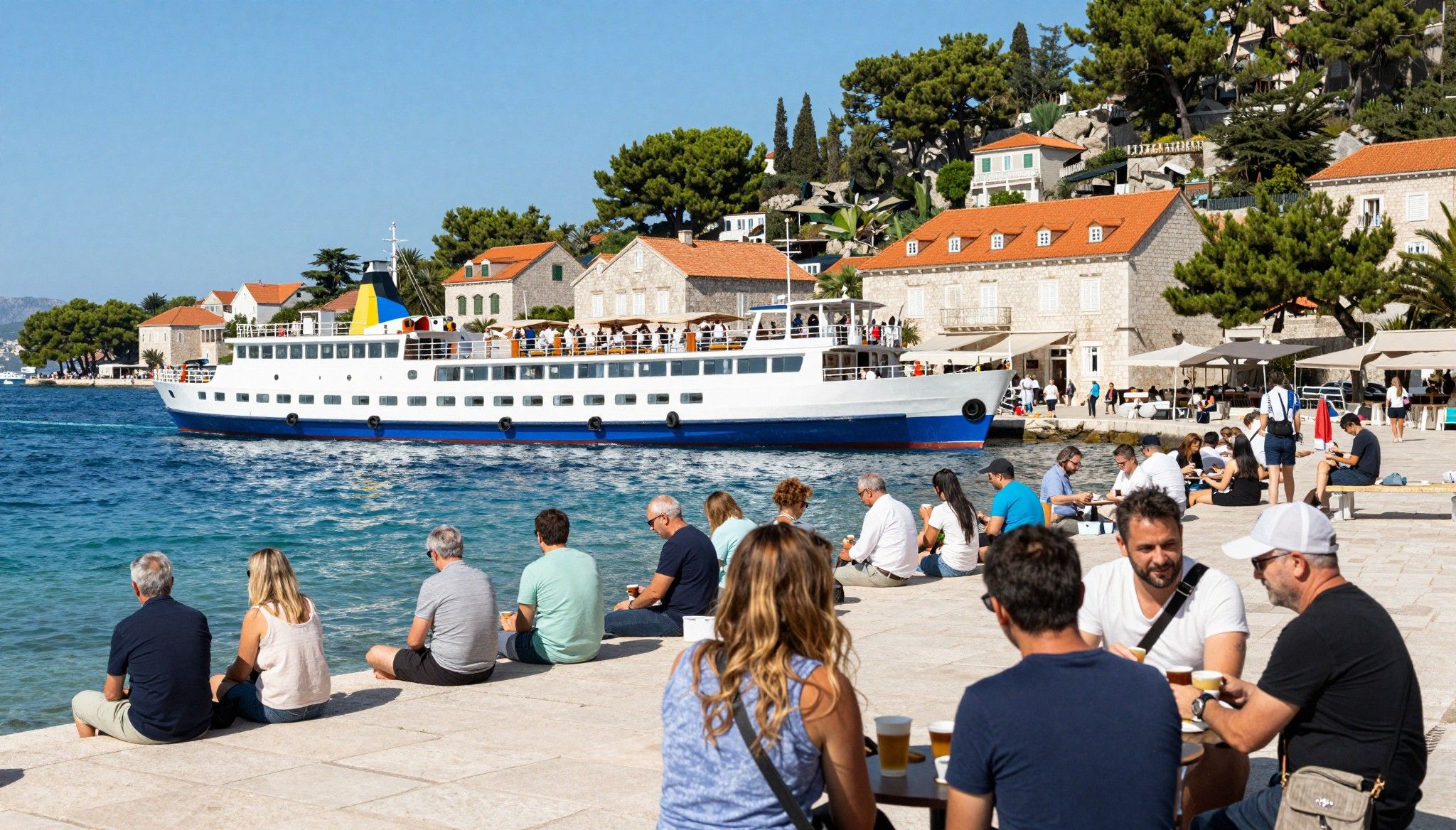
Island life is magnetic but seasonal. Places like Naxos and Paros now combine year‑round resident communities with strong high‑season peaks, while Crete’s larger economy and airports produce more stable occupancy. Recent investment and green‑fleet renewal in ferry services reduce winter isolation risk and improve off‑peak accessibility — a practical advantage for buyers seeking year‑round rentals or hybrid living.
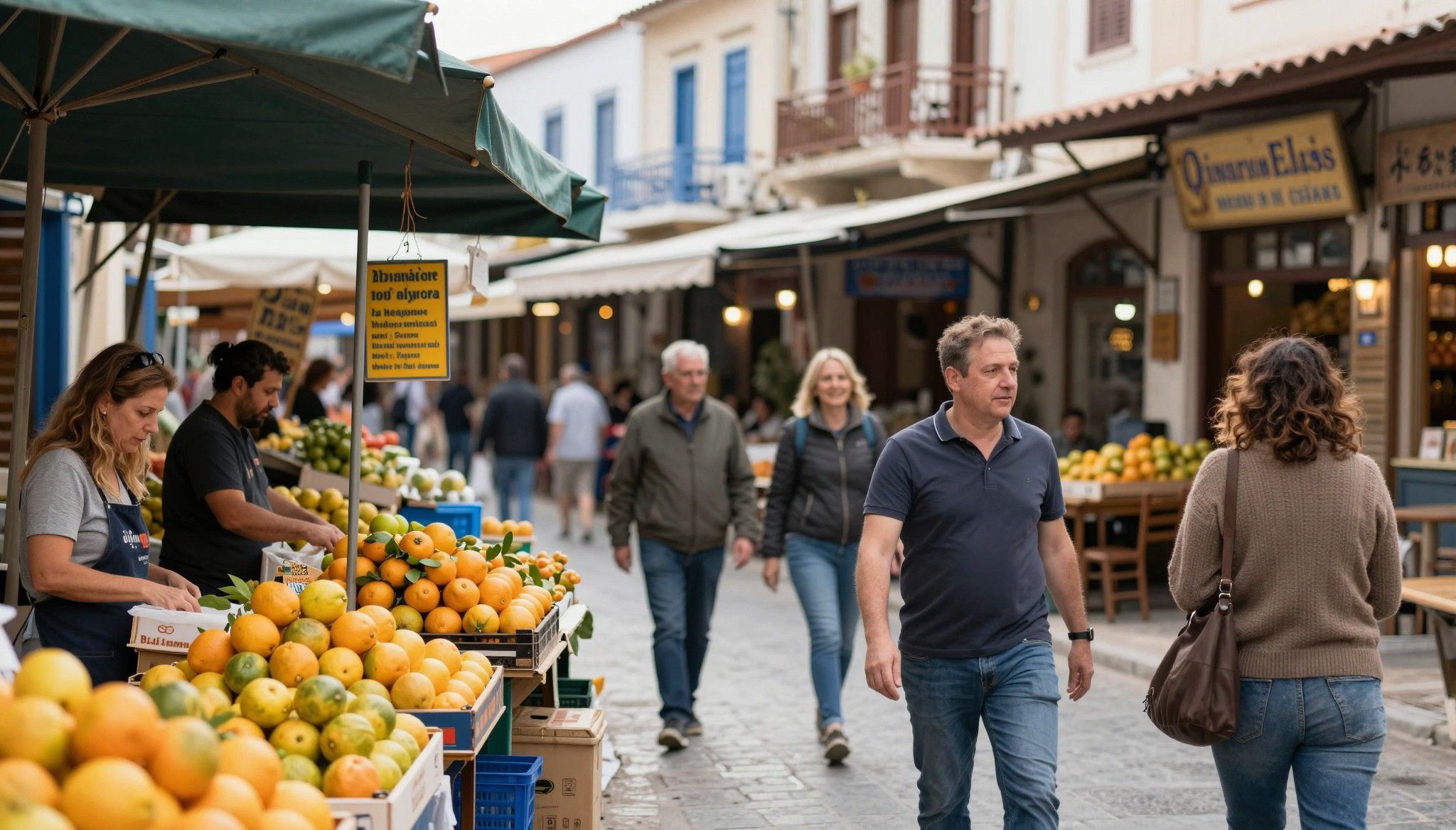
- Lifestyle highlights (real places, real rhythm): • Morning espresso at “Kuzina” terrace, Thissio; evening walks on Dionysiou Areopagitou. • Sunday markets at Modiano Market, Thessaloniki, and fish auctions at Piraeus port. • Sunset aperitif on Agia Anna beach, Naxos, then a 10‑minute tavern walk. • Brunch in Kifisia’s Alopekis Street, then a suburban train to downtown.
Making the move: practical considerations where transport shapes returns
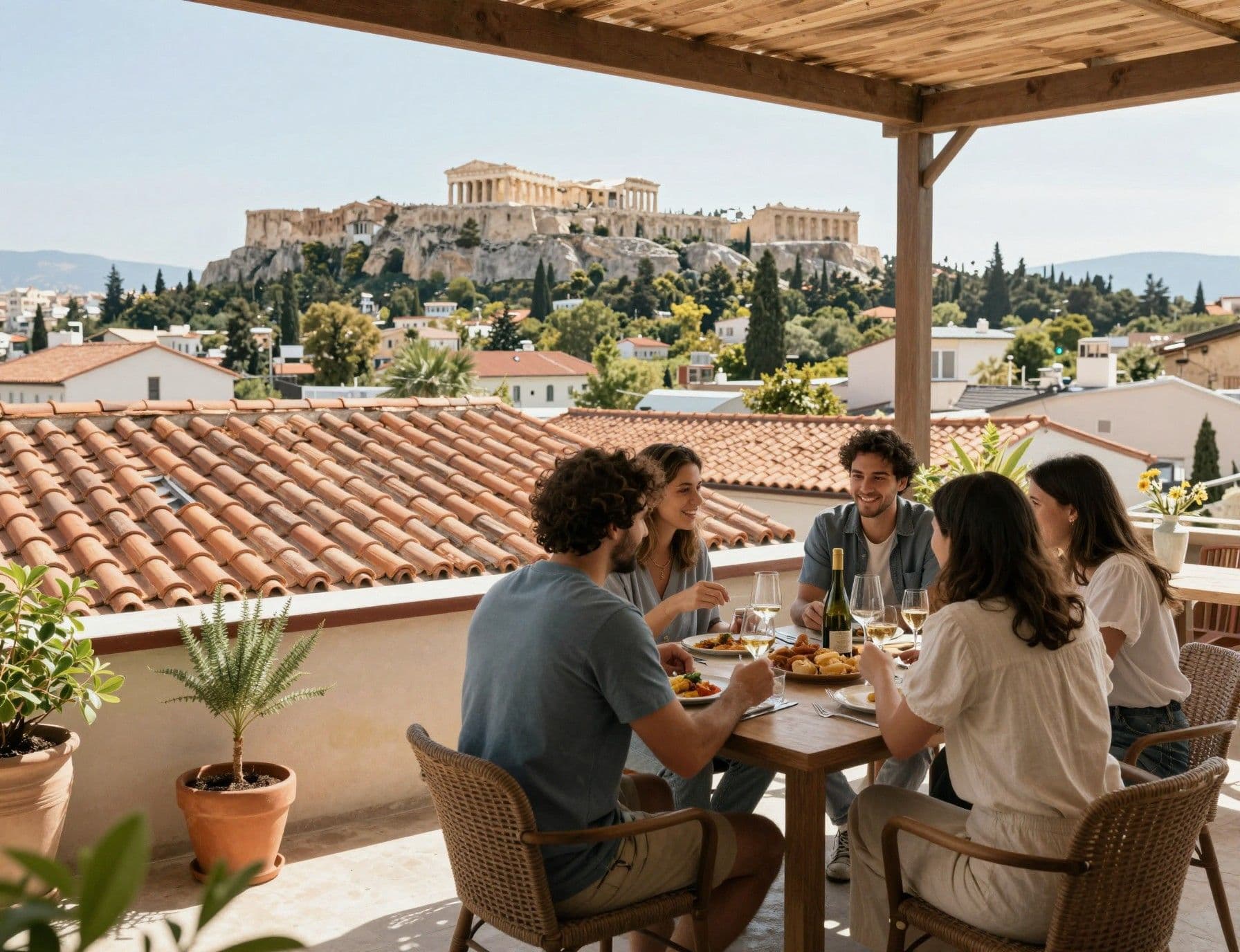
When lifestyle meets investment math, connectivity is a multiplier, not a nice‑to‑have. Properties within a 10–20 minute public‑transport catchment of major nodes show materially stronger short‑term rental occupancy and faster resale velocity. Greece’s tourism rebound — over 40 million visitors reported in 2024 — means transport corridors are now direct inputs to revenue forecasts and stress tests you should run before purchase.
Property styles and what they deliver for movement
Traditional island stone houses reward short‑term holiday yields but need logistical consideration for maintenance and supply chains. Athens apartments near metro lines offer commuter demand and steady long‑term lets. New builds in suburbs like Glyfada deliver modern amenities attractive to mid‑term corporate lets. Match the property type to the transport profile you plan to monetise: daily commuters, seasonal tourists, or medium‑term remote workers.
Working with local experts who understand movement
- 1. Map actual door‑to‑door times, not distances — include waiting times for ferries/metro. 2. Ask agents for historical occupancy by month to spot transport‑driven demand spikes. 3. Prioritise properties within 500–800m of major transport nodes if relying on short‑term rentals. 4. Budget for seasonal transport costs (winter ferry cancellations, airport shuttle prices). 5. Validate local maintenance logistics — island supplies change both capex and opex.
Insider knowledge: things expats wish they’d known about Greece’s connectivity
Expats quickly learn that Greek mobility is a set of trade‑offs: heroic daily ease in cities, charming but fragile island logistics, and a transport calendar driven by tourism seasons. Local habits — siesta hours, seasonal ferry timetables, and periodic strikes — add operational risk. Plan for these nuances in your cashflow model rather than hoping goodwill will make them disappear.
Cultural integration, language and the small things that move you
Learning a few Greek phrases, understanding local market days, and knowing which café owners shut early in winter all smooth daily life. Transport staff and local shopkeepers often become the de‑facto network that maintains your property during low seasons. That social connectivity reduces vacancy and maintenance surprises more reliably than marketing spend.
Long‑term outlook: infrastructure projects that reprice neighbourhoods
Major projects like the Ellinikon regeneration and metro network extensions reallocate demand across Athens and its suburbs. Where new transport nodes open, watch for a 6–12 month pricing uplift in nearby neighborhoods as demand reroutes. For buy‑to‑let investors, these projects can convert previously marginal micro‑markets into core holdings — but only after validating timelines and delivery risk.
- Red flags related to connectivity (what to watch for): • Ferry dependency without alternative access—seasonal closures spike vacancy. • Promised transport projects with long delivery lags — don’t price in unrealised nodes. • Poor last‑mile access — a metro stop is less useful if the property sits on a steep hill 20 minutes away. • Overreliance on tourism peaks — transport capacity can collapse under heavy season pressure.
Conclusion: buy mobility, not just a postcard. Greece sells a lifestyle — sun, food, sea — but the investment difference between a good and a great property is transport. Prioritise market data (occupancy, arrivals), map real travel times, and work with local advisors who can model seasonality into yields. Start your search from how you will move every day, then let the lifestyle follow.
British expat who moved to the Algarve in 2014. Specializes in portfolio-focused analysis, yields, and tax planning for UK buyers investing abroad.