How Croatia’s Rules Reprice Property Yields
Croatia’s lifestyle charm masks regulatory levers that reshape returns: reciprocity rules and tightening short‑let data requirements materially change yield calculations.
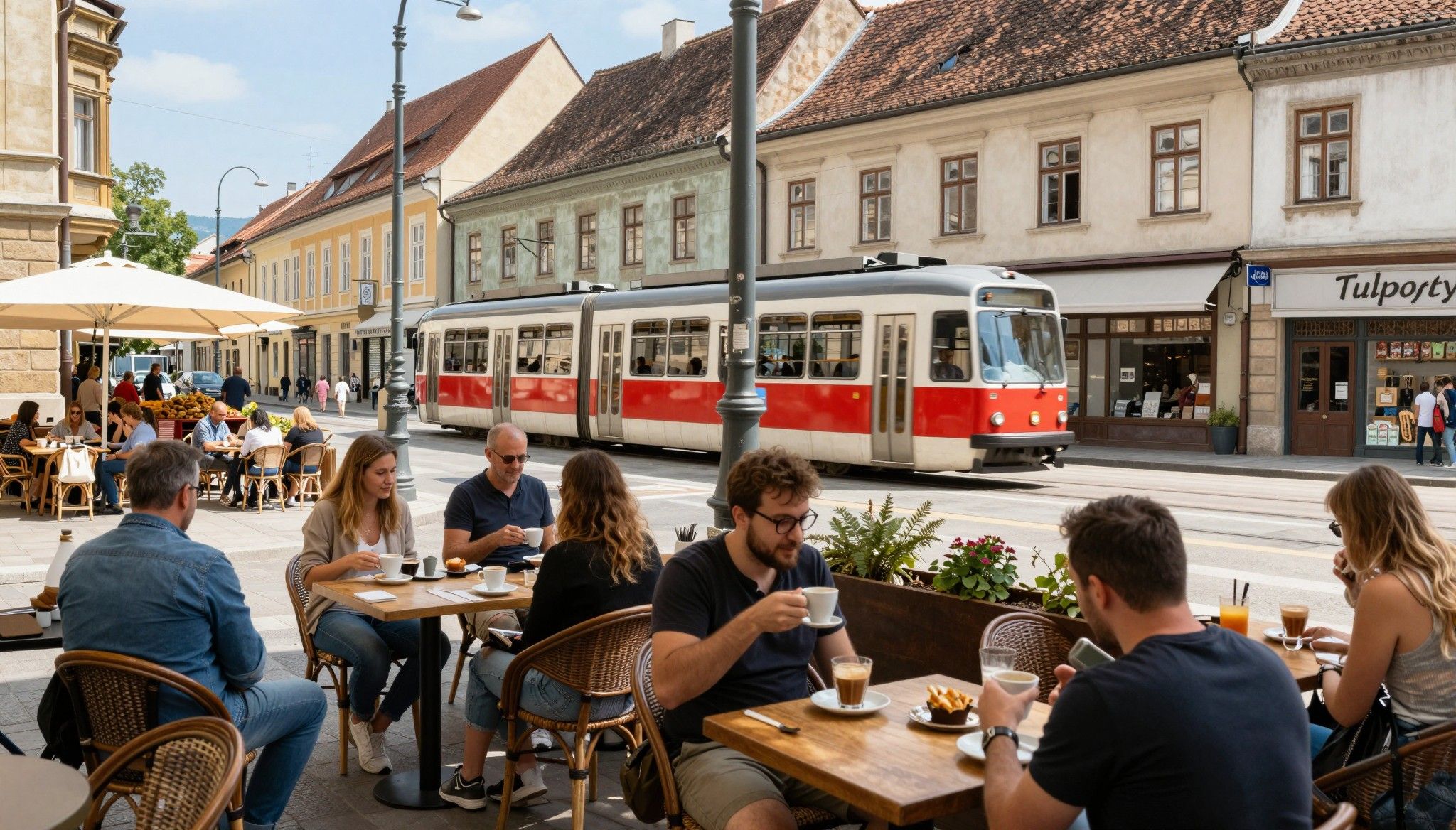
Imagine waking on a Zagreb street where espresso steam mixes with tram bells, then flying to an Adriatic terrace for a late lunch of grilled fish and local Malvasia. Croatia lives in contrasts — a compact urban rhythm inland, and slow seaside days stitched together by markets, ferries, and coastal stone squares. For buyers this dual personality matters: lifestyle decisions (city vs coast) directly reprice returns through seasonality, occupancy rates and upkeep.
Living the Croatia lifestyle: real texture, real trade-offs

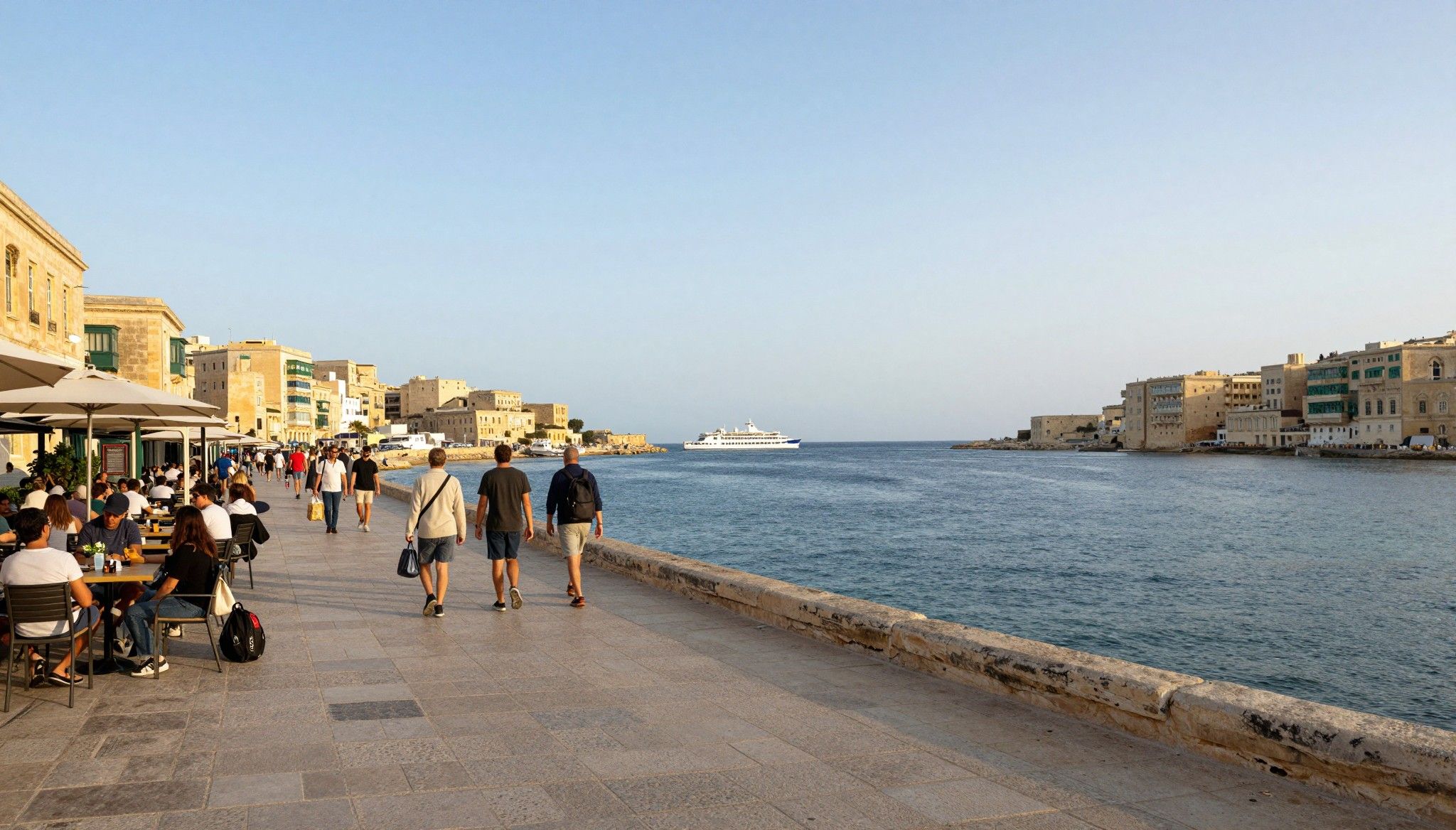
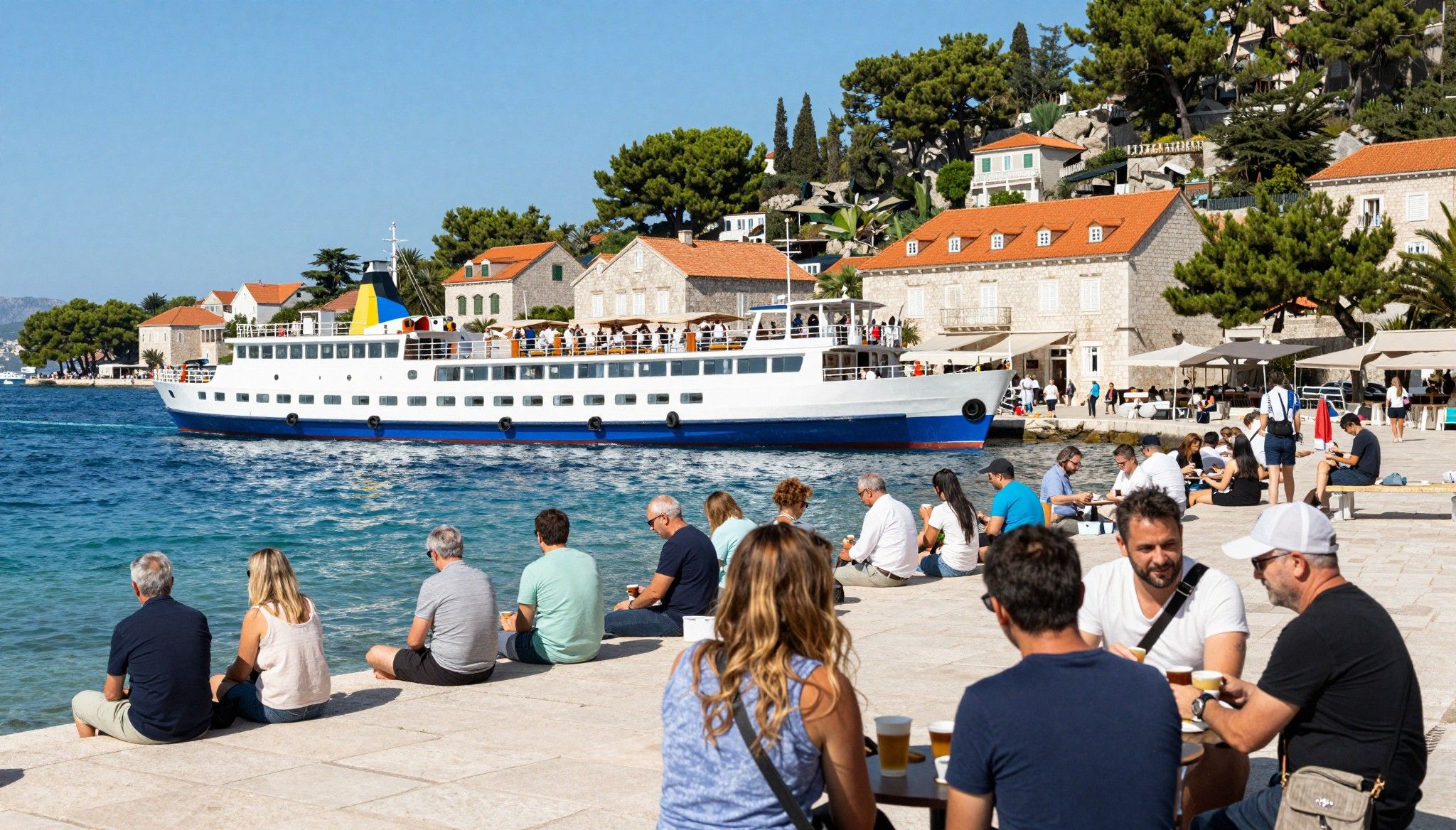
Croatia’s lifestyle appeal is immediate — stone-paved Old Towns (Split’s Diocletian quarter), island beaches (Brač, Hvar), and intimate neighborhood cafes (Tkalčićeva in Zagreb). But behind those postcards are practical rhythms: summer tourist peaks that lift short-term rents, and long off-seasons that test cashflow if you rely on holiday lets. Understand the lived reality before you price returns: amenity access, year-round services and heating/insulation costs matter as much as sea views.
Zagreb & inland: four-season convenience
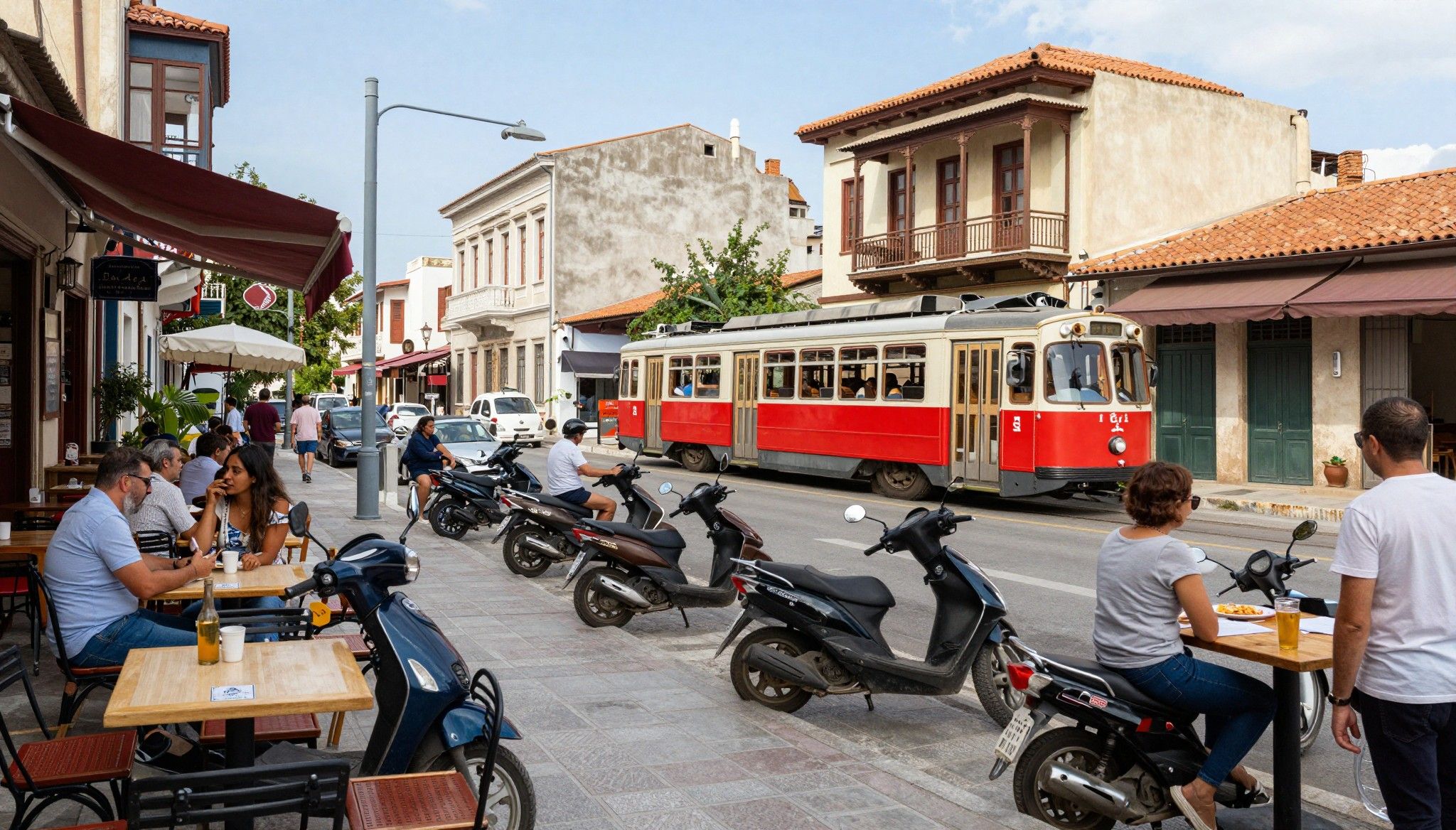
Zagreb offers reliable rental demand from students, professionals and short-term visitors to business events. According to national house price data, inland and urban markets have shown steadier year-on-year growth than some coastal micro-markets, translating into less volatile yields for buy-to-let investors. Choose central neighborhoods like Donji grad for steady net yields and easier property management year-round.
Dalmatian coast: high summer cashflow, off-season risk
Coastal towns (Split, Dubrovnik, Zadar) produce exceptional short-term rental revenue in high season, but occupancy can collapse outside June–September. Market reports show double-digit price rises recently, which compresses gross yields; you must model conservative off-season occupancy when calculating net yield rather than assuming summer peak rates persist year-round.
Making the move: practical considerations where regulation reshapes returns

Regulation is not an abstract risk in Croatia — it actively changes who can buy what, which uses are rentable, and what data authorities require from hosts. Two recent regulatory themes are most consequential for international buyers: reciprocity-based acquisition rules for non-EU buyers, and evolving EU-level short-term rental data requirements that increase compliance overhead and enforcement.
Who can buy: Reciprocity still matters. Non-EU buyers should confirm bilateral reciprocity before signing. Croatian law typically allows EU/EEA/Swiss nationals to acquire property freely, while others need confirmation their home country affords Croatians the same rights — a practical gate that can delay transactions and add legal steps.
Short-term rental rules are tightening. New EU-level data collection and exchange frameworks require registration and richer reporting from hosts and platforms, increasing administrative cost and risk for owners who depend on holiday lets. Factor compliance time, registration fees and potential sanctions into your cashflow model.
Practical checklist: regulatory steps that hit returns
- Verify reciprocity and, if needed, secure ministerial approval or structure purchase through a Croatian company (legal costs and annual reporting increase ownership overhead).
- Model conservative off-season occupancy and add an allowance for registration, tax compliance, and platform data-sharing requirements under EU rules.
- Require prospective tenants or short-let managers to demonstrate registration and insurance compliance before forecasting rental income.
Insider knowledge: what expats wish they'd known (and how it changes investment math)
Expat buyers often underestimate recurring admin: municipal tourist levies, utility reconnections for seasonal rentals, and the time it takes to secure local permits. These recurrent costs (and occasional legal approval delays for non-EU nationals) erode net yields — a 3–5% drag on projected returns is not unusual without rigorous budgeting.
Cultural & seasonal integration: the soft costs
Language and local bureaucracy slow transactions and management. Hiring a bilingual lawyer and an agency experienced with municipal registration and seasonal turnovers pays for itself quickly by avoiding fines, missed registrations and poor tenant handovers.
How regulation can create value: contrarian angles
Regulatory tightening crowds out casual hosters, reducing supply of professionally managed short-lets in some towns. That increases premium for compliant, professionally operated units — a niche where disciplined investors can charge higher rates and protect yields. Look for properties where professional management is common (Split’s waterfront blocks, Zagreb central apartments).
Six steps to operationalise a compliant, yield-focused purchase
- 1) Confirm your acquisition rights (reciprocity) with a Croatian lawyer — do not assume entitlement.
- 2) Build a cashflow model that uses conservative off-season occupancy and includes registration, tax, and management fees.
- 3) Price in compliance overhead (platform data reporting, tourist levies) as a line-item rather than an afterthought.
- 4) Select micro-markets where year-round demand exists (university areas, central business districts) for portfolio diversification.
- 5) Contract a bilingual property manager with public-authority experience to reduce registration friction and maximize compliant occupancy.
- 6) Revisit yield assumptions annually as regulation and seasonality shift — treat forecast refresh as part of ownership costs.
Conclusion: Croatia offers a rare combination of compact European cities and Adriatic coastal life, but regulatory detail — who can buy, how short-lets must report, where municipal rules apply — materially alters the investment equation. If you dream of terrace dinners in Split or winters in Zagreb, marry that vision to disciplined modelling: confirm reciprocity, include compliance costs, and prioritise professionally managed micro-markets. Start with a legal check and a conservative cashflow model, then let local agency expertise translate lifestyle into durable returns.
Danish relocation specialist who moved to Cyprus in 2018, helping Nordic clients diversify with rental yields and residency considerations.