How Malta’s Rules Reprice Lifestyle—Stamp Duty, Residency & Yields
Malta’s charm masks regulatory levers — stamp duty bands, residency thresholds and micro‑location yield differences that change returns more than views.
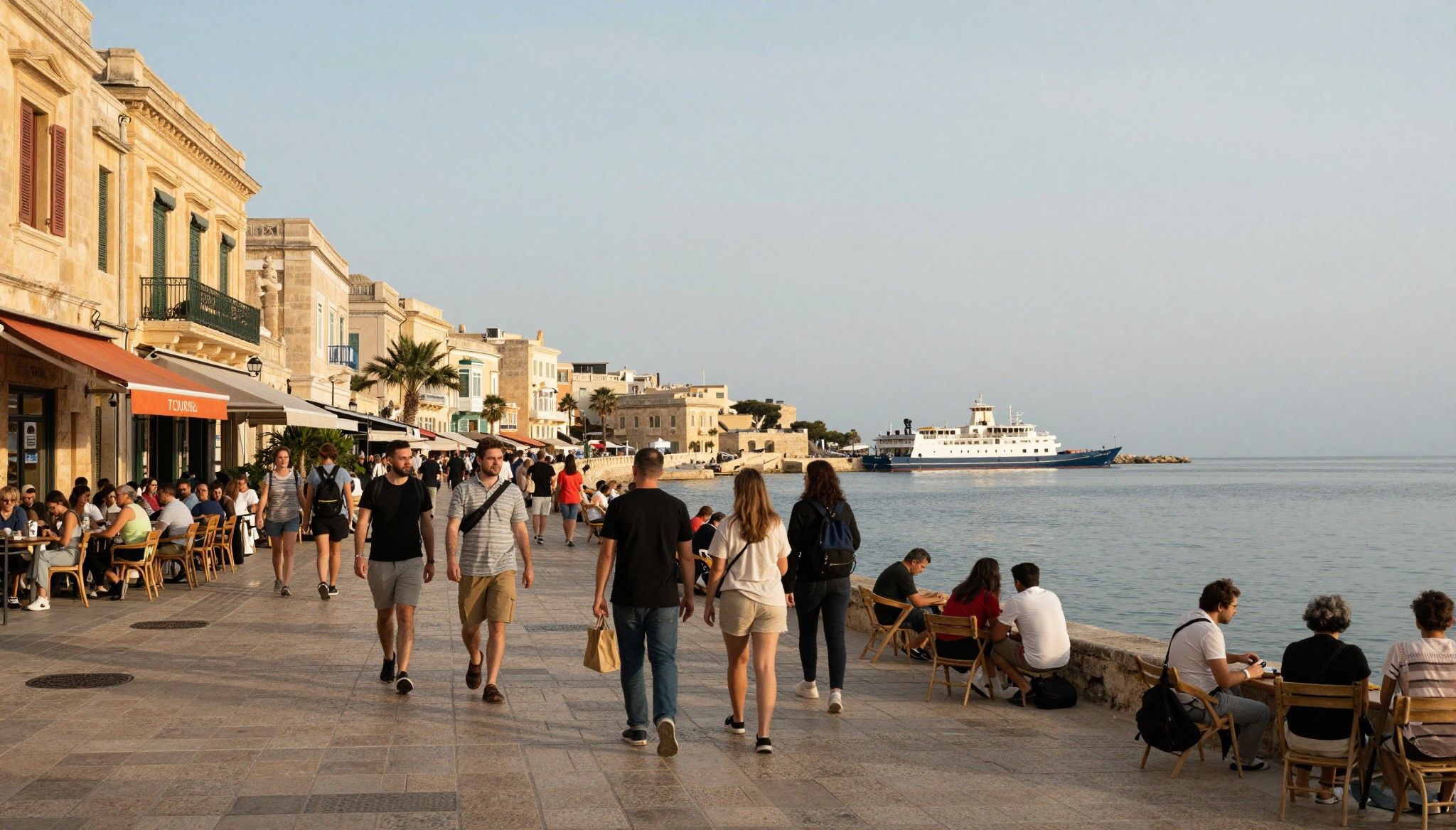
Imagine waking on a limestone street in Valletta, walking past morning fish stalls and espresso bars before stepping onto a rooftop terrace that looks out across the harbour. That sensory memory — sea salt, church bells, neighbourly greetings in English and Maltese — is what draws buyers. But the small size and concentrated regulation of Malta’s market mean lifestyle decisions and tax choices are tightly linked; the wrong assumption about stamp duty, residency or rental rules can cost you tens of thousands. This piece pairs the lived experience of Maltese neighbourhoods with concrete, sourced rules and numbers so you can fall in love without losing your head.
Living Malta: days, streets and tastes

Malta is compact: you can live in a fortified capital and be on a sandy beach within 20–30 minutes. Daily life blends café culture in Sliema, nightlife in St Julian’s, slow mornings in Mdina’s quiet lanes and fishermen unloading catch at Marsaxlokk. Summers hum with tourists; winters are mild and residential areas feel markedly different — quieter, cheaper to rent and often better value to buy if you care about year‑round community rather than peak-season vibrancy.
Neighbourhood spotlight: Valletta, Sliema, and Gozo
Valletta is cinematic limestone, narrow streets and high purchase prices; expect prestige and tourist footfall. Sliema and Gzira deliver seafront promenades, cafes, and higher rental turnover — useful if you pursue holiday lets or short-term rentals. Gozo trades convenience for rural calm: lower entry prices and occasional stamp‑duty incentives make it attractive for residency-focused buyers who prioritise quiet life over yield.
Food, markets and weekends: why lifestyle matters to returns
Weekends in Malta often look like market runs to Marsaxlokk, aperitifs in St Julian’s, or family swims in Mellieħa Bay. These lifestyle anchors shape tenant demand: properties near respected cafes, schools and ferries rent faster. Think about proximity to a weekly market or a reliable ferry service if your investment thesis mixes lifestyle and rental income — small walkability edges translate directly into vacancy and yield differences in a market this compact.
Making the move: regulatory details that change the math

Regulation and tax are where Malta rewards nuance. Standard stamp duty on transfers is commonly cited at 5%, but there are targeted reduced rates — for example Gozo concessions and other reliefs — that can materially reduce upfront cost. Residency schemes such as the Malta Permanent Residence Programme require minimum property values and non‑standard conditions that affect how you structure a purchase; treat those programme thresholds as transaction drivers, not perks.
Stamp duty, incentives and the hidden gatekeepers
The headline 5% duty is a simple starting point; applied reliefs can lower this rate for primary residences, intra-family transfers or Gozo purchases. Legislation and budget changes (notably recent updates discussed in Malta’s 2026 budget) alter thresholds and relief bands — so calculate transaction costs using the current law, not remembered rules of thumb. For cross-border buyers, these variations determine whether a property remains accretive to your portfolio or becomes a break‑even lifestyle play.
Residency programmes and purchase constraints
Residency-by-investment routes can require minimum purchase prices (commonly in the high‑hundreds of thousands), a government contribution and charitable donations. These conditions affect demand for higher‑end stock and push prices in the constrained segments of the market. If your purchase objective is residency, model both the purchase cost and the programme fees — and watch for legal amendments that change eligibility or property value floors.
Insider knowledge: how expats and investors actually save or lose money
Data-oriented expats report two reliable truths: smaller units in central locations often outperform on gross yield, and perceived prestige (Valletta townhouses, converted palazzos) can compress yield because buyers pay a premium for history. Published analysis of rental yields in Valletta and other centres show gross yields frequently in the low-to-mid single digits; adjust expectations accordingly if you compare Malta to higher-yielding Mediterranean alternatives.
Common mistakes — and the local fixes
Buying a large historic apartment assuming you’ll get premium short‑let income — holiday demand is real but seasonality and regulation cap returns.
Ignoring stamp duty reliefs and Gozo incentives — a misread here can add 2–3% to transaction cost.
Assuming residency programmes are fast — application windows, minimum-hold rules and legislative changes can delay or disqualify purchases planned around residency.
How local advisors tilt outcomes in your favour
Engage a Maltese tax lawyer early; they map stamp duty reliefs to your family structure and acquisition plan and quantify transfer tax scenarios.
Ask your agent for comparable yield data by unit size and micro‑location; a one‑bed in Valletta can yield differently than a one‑bed in Sliema even at similar rents.
Request a total cost model that includes stamp duty, notary fees, agent commissions, potential final withholding tax on sale and realistic vacancy assumptions.
Longer view: what life and returns look like after you move
After the move, small choices compound: choosing a block near a school or ferry reduces vacancy risk; selecting a property with a legal internal yard or terrace improves tenant appeal and long-term resale. Local community ties — knowing the parish priest, the market vendor, the coffee bar owner — translate into practical advantages when renting or managing the home from abroad.
A realistic checklist before you sign
Verify current stamp duty rates and whether the property qualifies for reduced rates or Gozo concessions. (See linked resources.)
Confirm whether the unit is permitted for the rental strategy you plan (long‑let, part‑time short‑let, or full short‑term let) and model seasonality into yields.
Model total cost of ownership including potential final withholding tax on sale, notary costs, maintenance in a limestone property, and local property management fees.
Malta rewards buyers who marry sensory knowledge — the market’s light, markets and sea — with analytical rigor: know the legal thresholds, plug up-front taxes into your spreadsheets, and prioritise micro‑location over postcard views. If you want residency alongside lifestyle, treat the programme conditions as an acquisition constraint and model accordingly. Ready to look at specific properties with tax scenarios attached? Local advisors and an agent who specialises in investor use‑cases will convert a dream terrace into a defensible line item in your portfolio.
Dutch investment strategist who built a practice assisting 200+ Dutch clients find Spanish assets, with emphasis on cap rates and due diligence.