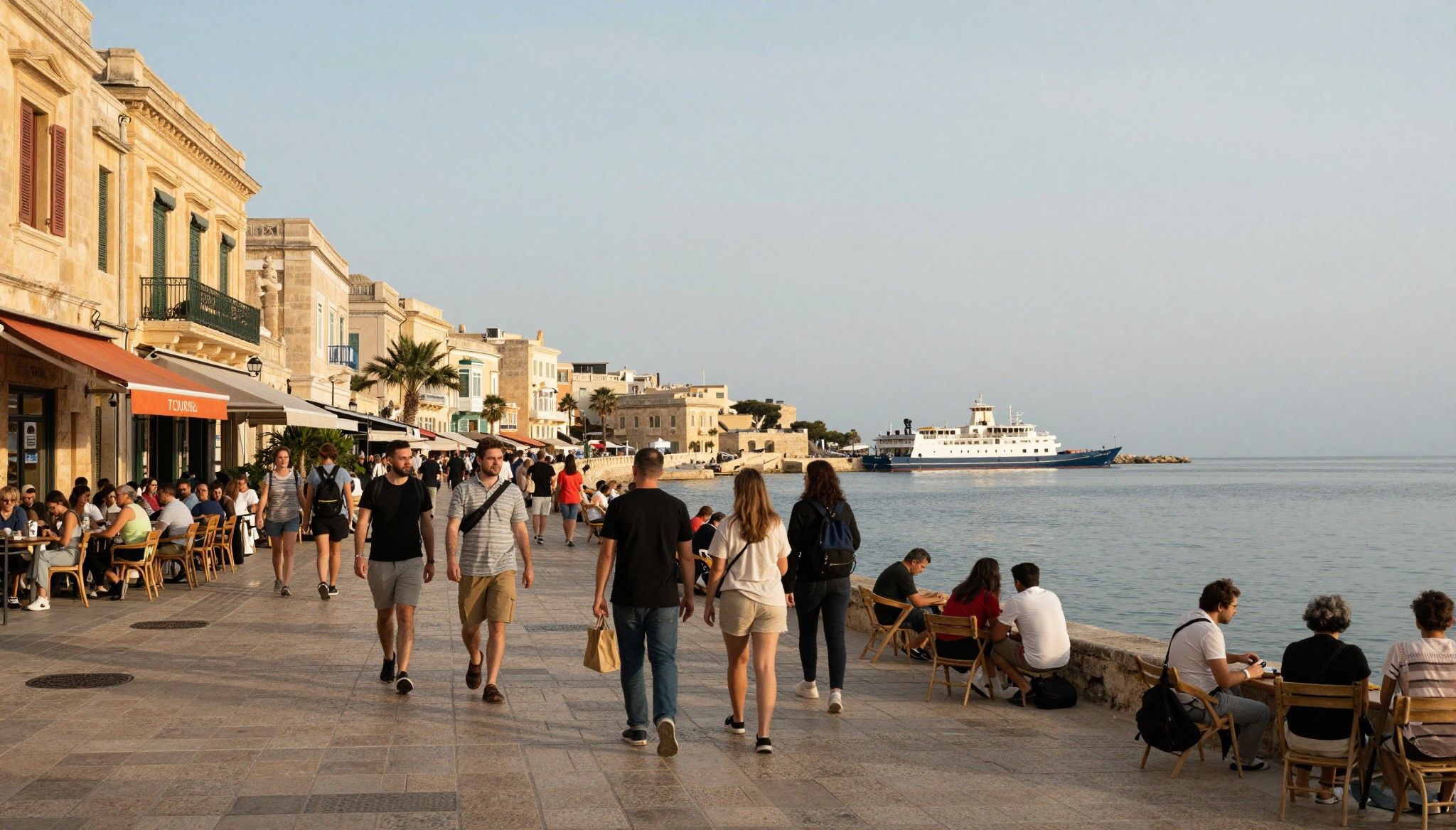
Greece: The Hidden Tax Trade‑Offs Behind the Lifestyle
Greece offers sun-drenched lifestyle rewards, but revised Golden Visa rules and property taxes materially affect yields — model ENFIA, transfer tax and licensing before you fall in love.
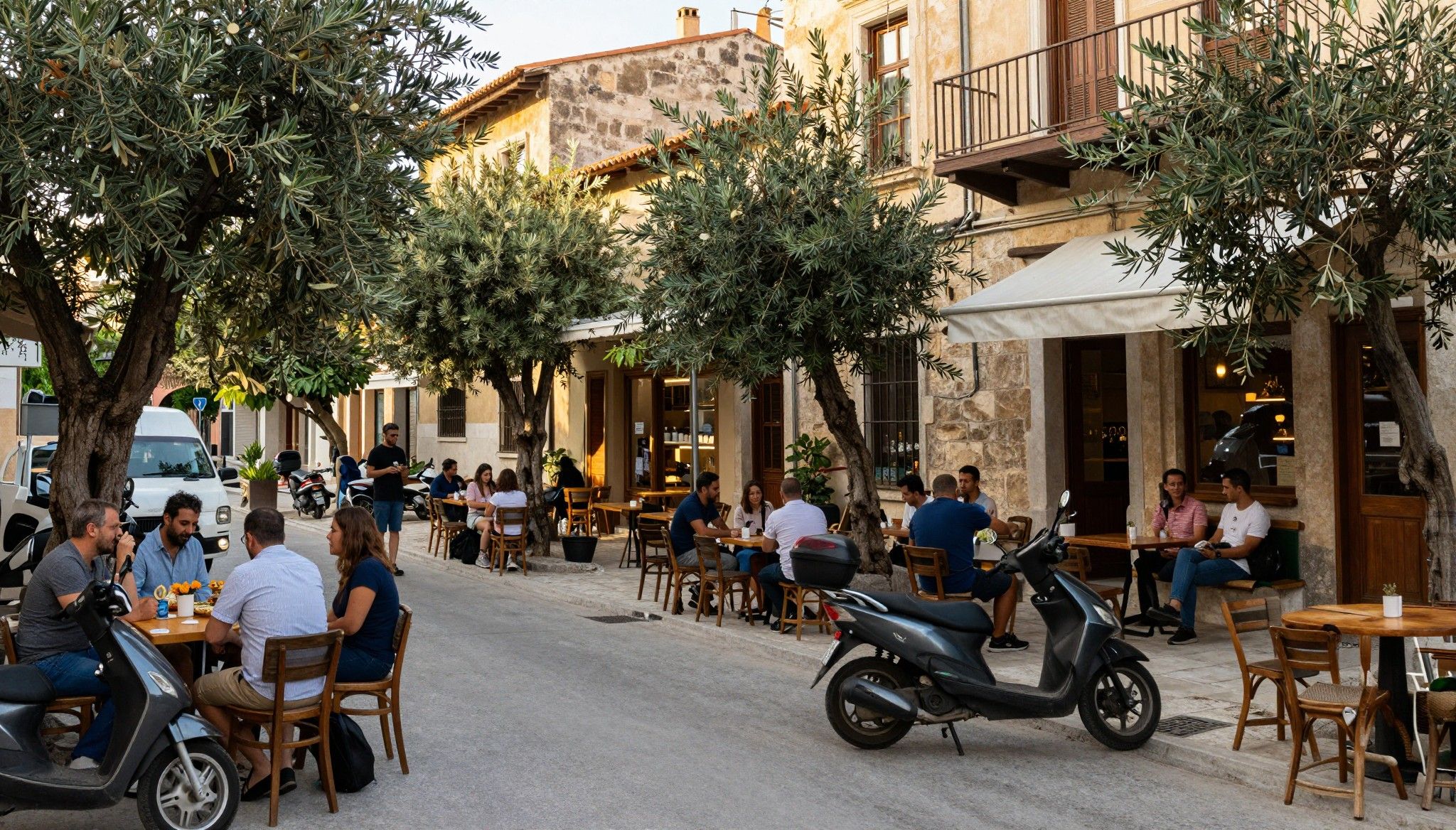
Imagine sipping a thick Greek espresso at a battered table on a quiet Plaka lane, while three generations argue about tomatoes at the nearby market — and behind that scene, a precise ledger of taxes, permits and ownership rules quietly reshapes what makes a property a good buy.
Living the Greece lifestyle
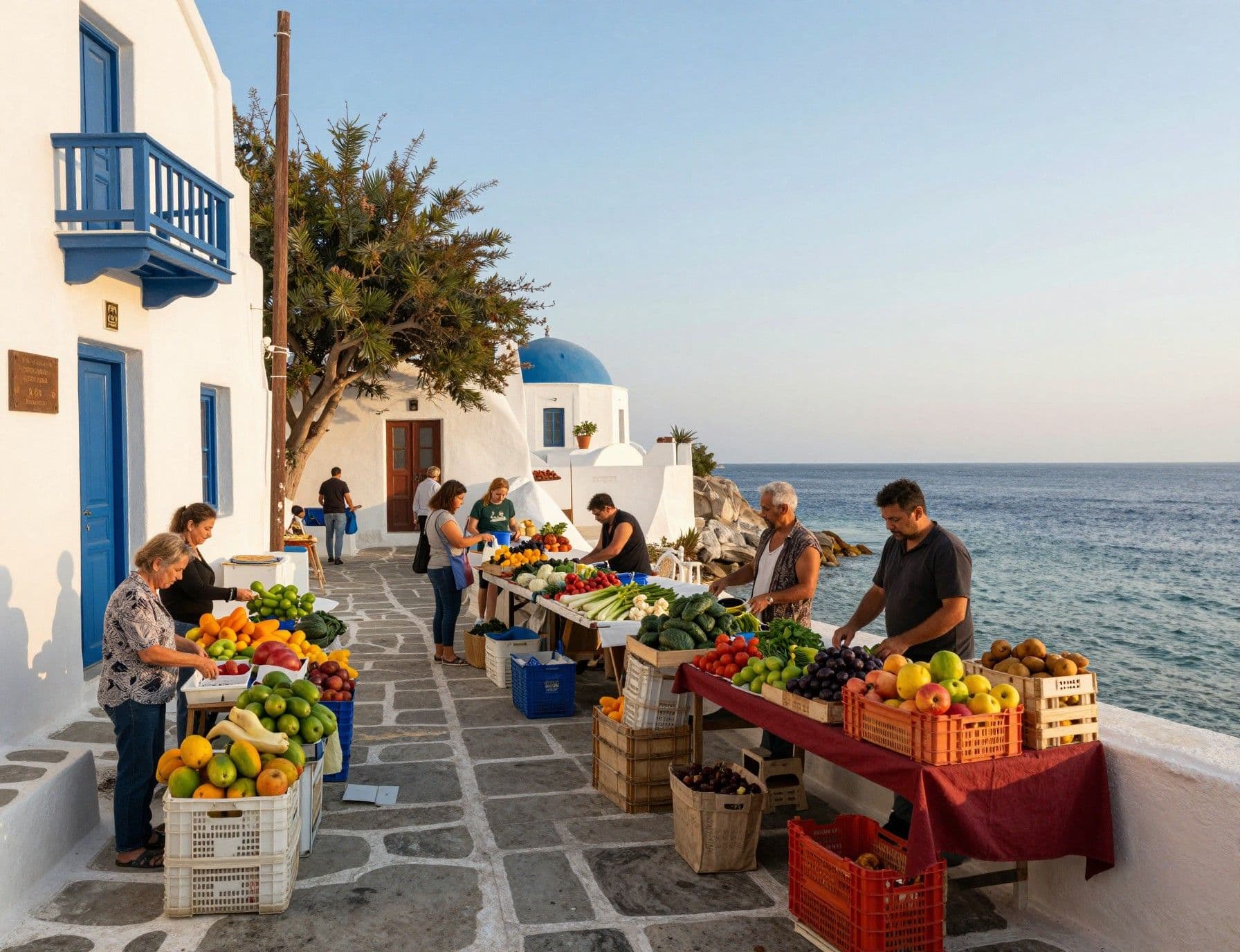
Greece is sensory: sun-bleached stone, bakeries at dawn, and late-night taverna chatter. Cities like Athens pulse with cafés in Kolonaki and alternative nights in Exarchia; islands such as Naxos or Kefalonia trade tourist freneticism for sleepy mornings and fishing boats. That rhythm determines what you want from a property — a balcony for evening breezes, soundproofing near lively squares, or easy access to seasonal services.
Neighborhood spotlight: Athens' Plaka to Pangrati
Plaka delivers tourist-facing charm and strict conservation rules that restrict modifications; Pangrati feels local, with bakeries and parks and better long-term rentals. For investors, that means Plaka may carry maintenance constraints and variable seasonal demand, while Pangrati can offer steadier year-round tenancy and slightly better net yields.
Coast and islands: Mykonos vs. lesser-known alternatives
Mykonos and Santorini command high headline prices and intense seasonality. Smaller islands — Amorgos, Kythira, parts of Evia — offer lower entry costs and year-round communities. The trade-off: lower capital appreciation speed but often higher operational simplicity and fewer regulatory headaches tied to protected or listed sites.
- Lifestyle highlights to map to investment goals: morning market at Monastiraki, espresso at TAF rooftop, weekend swims at Vouliagmeni, bakeries on Agias Irinis, fresh fish tavernas on Serifos, summer open‑air concerts in Hydra.
Making the move: practical considerations
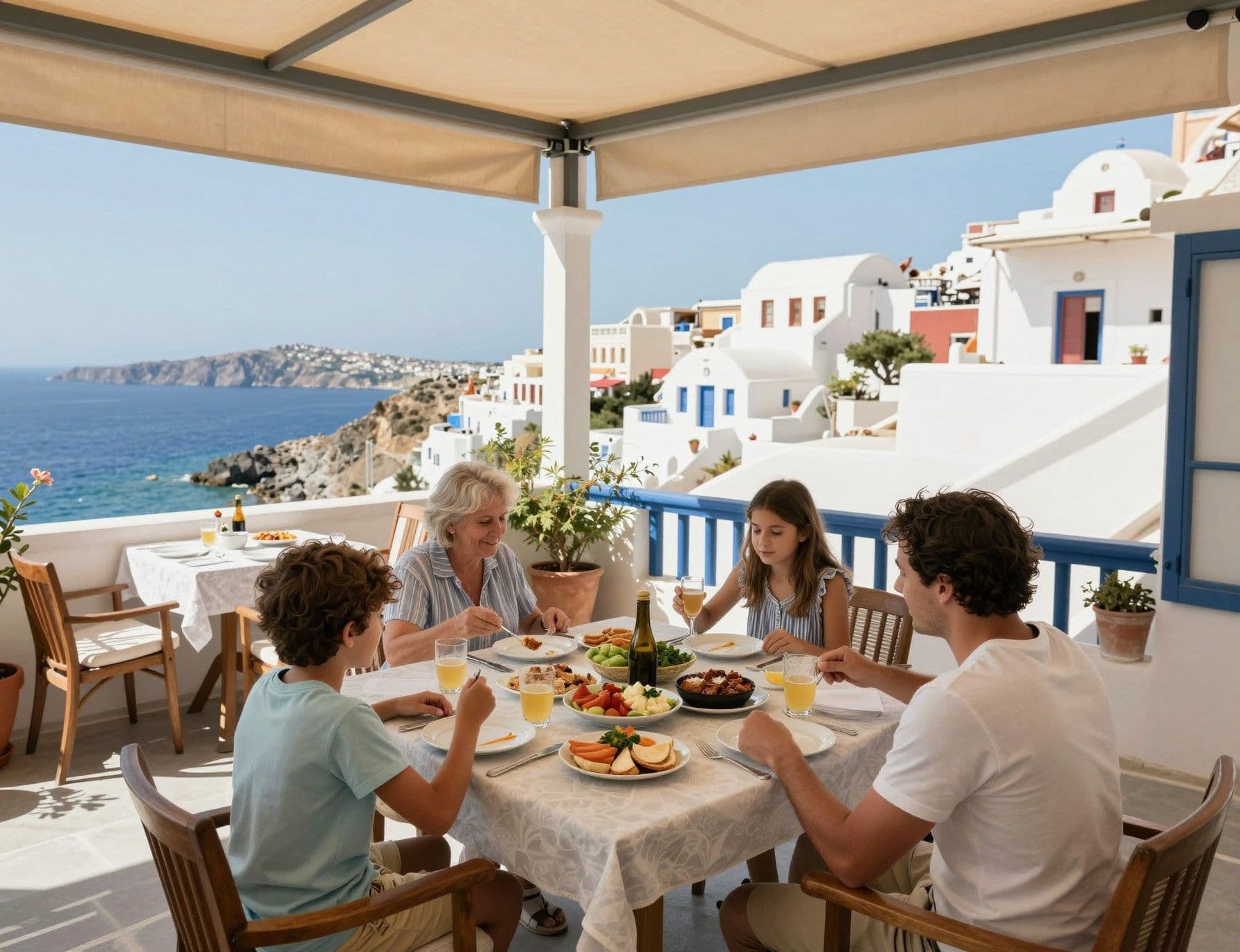
Lifestyle imagination must meet the ledger. Ownership costs in Greece include ENFIA (annual property tax), transfer taxes on purchase, notary and registration fees, and variable municipal levies. These running costs can reduce net rental yields by 1–3 percentage points compared with headline gross yields, so model total cost of ownership before falling for a view.
Property styles and how they shape living
Stone-built island houses often require higher maintenance and are subject to conservation rules; modern Athens apartments are cheaper to insure and easier to rent to long-term tenants. Match your property type to expected use: short-term holiday lets tolerate seasonality and vacancy; long-term rentals favor central, connected units with consistent services.
Working with local experts who know the rules
- Practical steps to reduce regulatory risk and align lifestyle goals with ownership: 1. Order a legal encumbrance search and title report before any pre-contract. 2. Commission a local structural and utility inspection to quantify renovation needs. 3. Ask your tax adviser to model ENFIA, municipal taxes, and transfer tax using the objective (tax) value and market price. 4. Check listing/protected-status with municipal planning: restorative obligations can delay rentals. 5. If residency is a factor, verify current Golden Visa thresholds and transitional dates with an immigration lawyer.
Insider knowledge: what expats wish they'd known
Expats often underestimate seasonality, paperwork timelines, and how location-specific regulations materially change returns. For example, headline Golden Visa thresholds were revised in 2024–2025, creating a transitional window for earlier deposits; missing those deadlines can mean a materially higher minimum investment to secure residency.
Cultural integration and daily life realities
Greek social life is neighbourhood‑centric. Knowing where the local kafenio is matters: festivals, municipal services and neighbour relationships often determine whether a property is attractive to tenants. Language barriers are real but local agents, property managers and a handful of Greek phrases will unlock rental demand and community acceptance.
Long-term lifestyle vs. short-term returns
If you want a bolt‑on holiday home that sometimes earns rent, prioritize charm and location. If you want investment-grade returns, prioritize transport links, energy efficiency, and proximity to year-round demand (universities, hospitals, corporate hubs). Over time, these choices compound: small differences in occupancy rates and maintenance can shift net yield by several percentage points.
- Red flags and hidden costs to check before signing: • Objective (tax) value vs market price divergence that inflates transfer tax; • Protected/listed building status that limits renovations; • Insurance exclusions for seismic risk unless properly assessed; • Local licensing for short-term rentals (some islands and municipalities restrict STRs); • Transitional Golden Visa rules tied to deposit and completion dates.
- A quick due-diligence ranking (1 = essential, 3 = situational): 1. Clear title and encumbrance report. 2. Accurate ENFIA and transfer‑tax modelling. 3. Local STR licensing and municipal restrictions check. 4. Seismic/structural inspection. 5. Clarify residency timelines if relying on investment visas.
How agencies fit into the lifestyle equation
The right local agency acts as translator — not just for language, but for rules: they map neighbourhood rhythms to rental profiles, flag regulatory traps (listed façades, municipal bans), and connect you to trusted legal and tax advisers. For lifestyle-focused buyers, an agency that knows which streets host year‑round residents versus purely tourist rental stock is invaluable.
- Checklist to brief your local agent: months when utilities and services are limited; waste collection schedules; common tenancy lengths; municipal short‑term rental rules; typical renovation timelines in conservation zones.
Conclusion: Greece sells a life — sun, food, community — but profitable ownership requires reconciling that life with taxes, regulations and realistic yield modelling. Start with sensory site visits, then freeze assumptions into numbers: expected occupancy, ENFIA and transfer taxes, maintenance budgets and licensing risk. With that ledger in hand, you can buy the neighbourhood you love without buying surprise liabilities.
Dutch investment strategist who built a practice assisting 200+ Dutch clients find Spanish assets, with emphasis on cap rates and due diligence.