Croatia: Seasonality Stress Tests and Hidden Yield Pockets
Croatia’s charm masks micro-market risks: model seasonality, stress-test coastal premiums and consider inland pockets for steadier yields.

Imagine sipping espresso at Dolac market in Zagreb before catching a weekend ferry to a pebble cove on Hvar — Croatia feels like stitched-together summers, stone streets, and a surprisingly steady year-round rhythm. But beneath that postcard surface is a market defined by fast price growth, tourism-driven demand and sharp micro-market differences. For international buyers, the romance is real; the risk profile is uneven. This guide blends lived-in scenes (cafés, ferries, neighbourhood rhythms) with a sensitivity analysis that shows where lifestyle matches sustainable returns.
Living the Croatia lifestyle
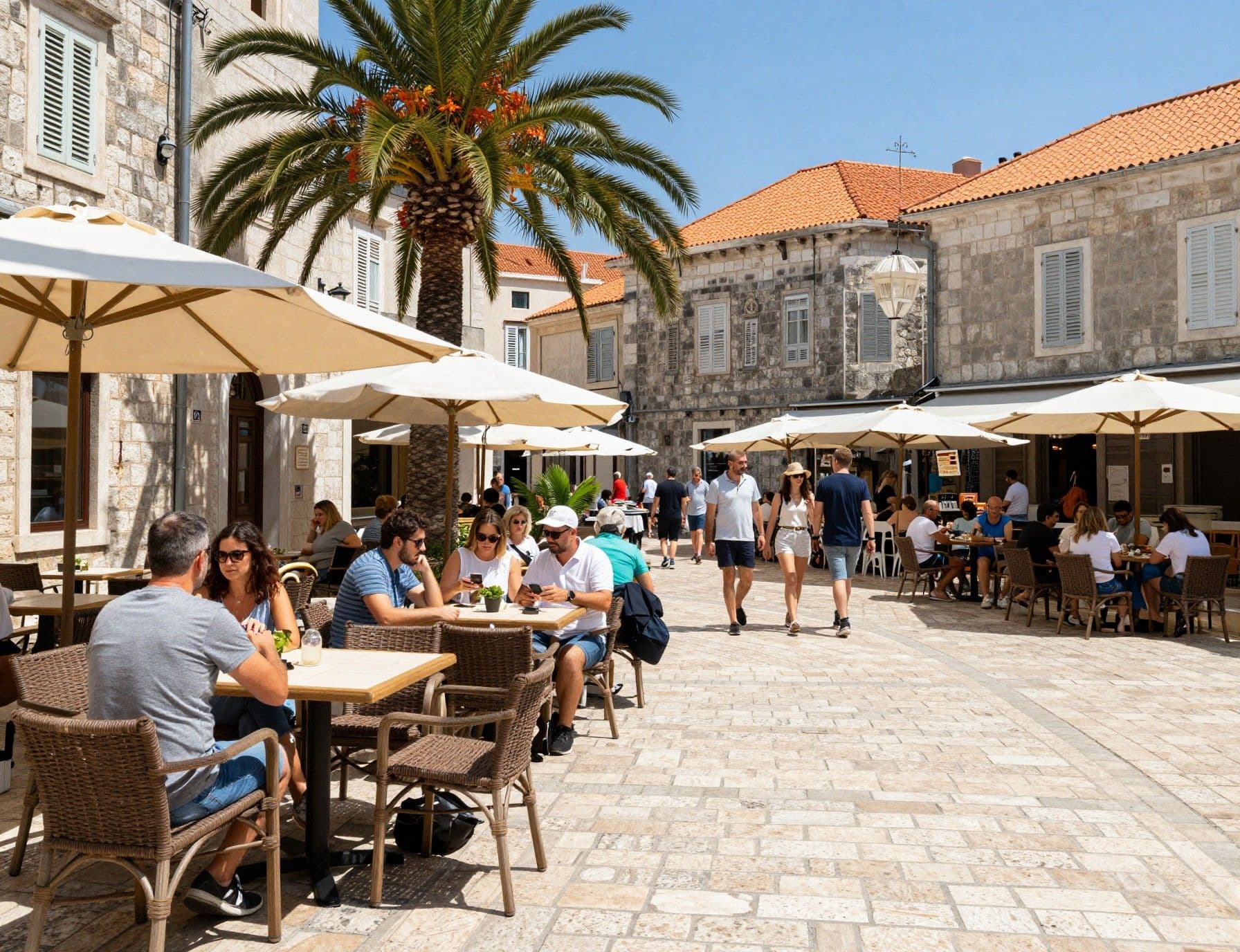
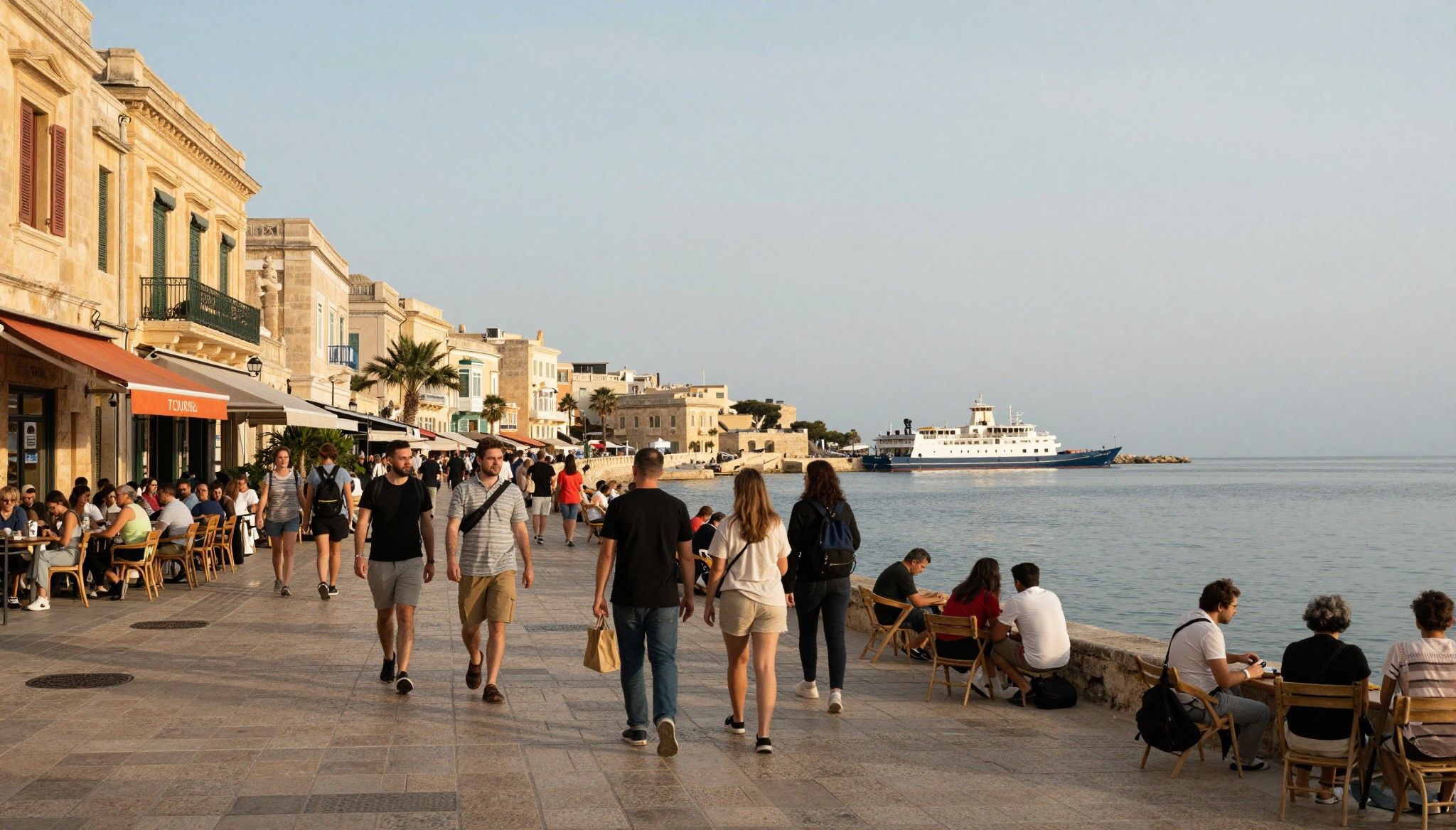
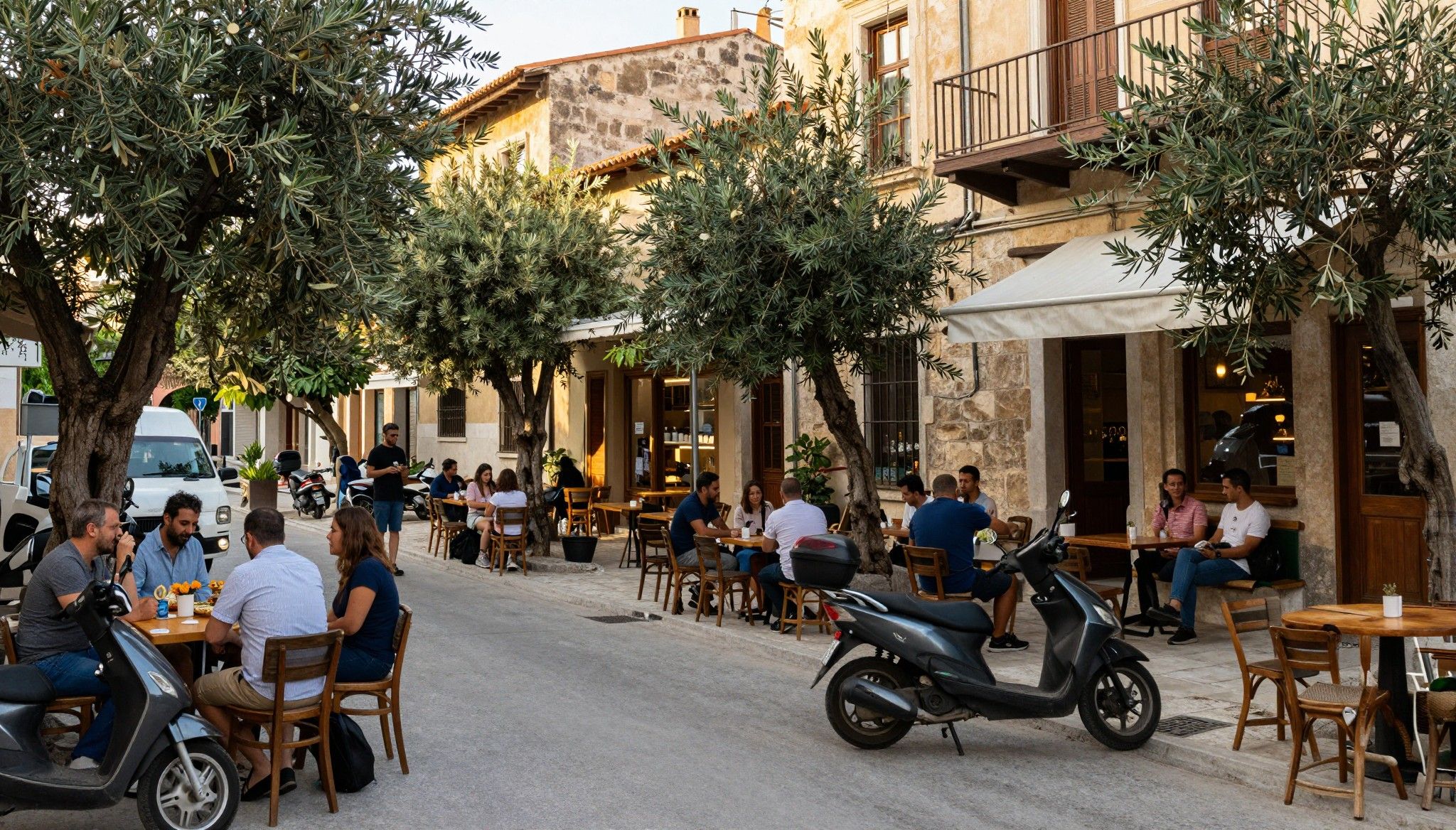
Daily life in Croatia shifts with geography: Zagreb mornings hum with coffee and tram clatter; Split’s Riva pulses with seaside promenading; Istrian hill towns fold into slow months of truffle season and harvests. The Adriatic coast draws short-term visitors and long-term second-home buyers; inland towns attract residents seeking affordability and local community. Those sensory details matter because they map directly to rental demand seasons, vacancy risk, and the type of tenant you’ll attract.
Neighborhood spotlight: Zagreb’s Lower Town & Trešnjevka
Lower Town (Donji Grad) offers historic apartments near theaters, boutique bakeries and the Dolac market — ideal for professional long-term rentals and expat families. Trešnjevka, west of the river, trades period façades for modern renovation projects and better price-per-m², appealing to investors chasing yield rather than glamour. Location-specific tenant profiles determine peak-month occupancy and net yields.
Coastal rhythms: Split, Dubrovnik and island pockets
Split and Dubrovnik deliver summer-intense demand with strong short-term rental income but higher seasonality risk. Smaller islands and lesser-known Dalmatian ports can yield better price momentum if accessibility improves. Understand that coastal rentals inflate headline gross yields during July–August but drop substantially in shoulder months — a key sensitivity in cashflow modelling.
Making the move: practical considerations (lifestyle meets numbers)
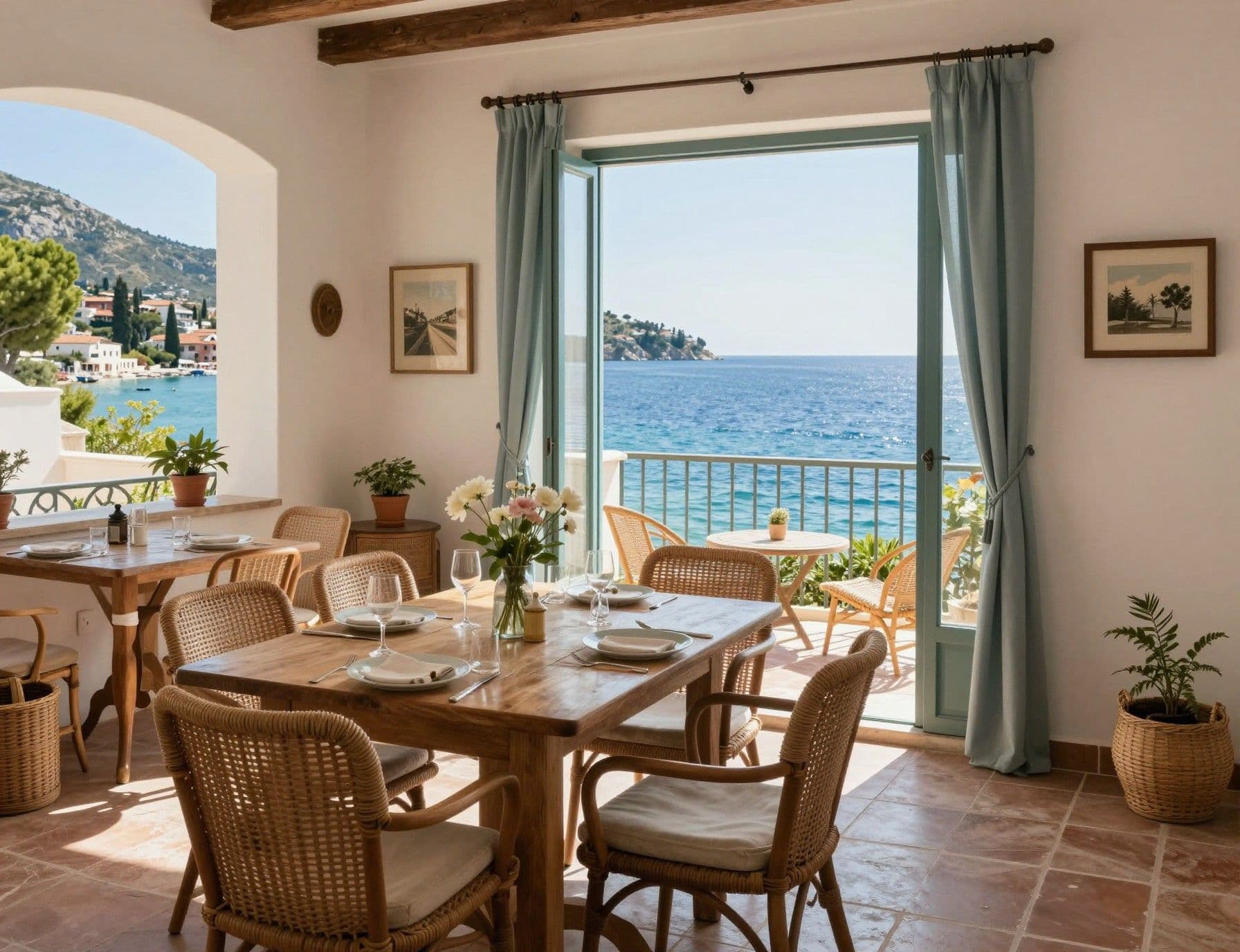
Croatia has seen double-digit year-on-year house price growth in recent quarters (CBS data showed ~10% YoY in Q4 2024), concentrated in Zagreb and the Adriatic coast. That rapid appreciation lifts equity but raises valuation risk: buy at peak-season enthusiasm and you compress future returns. Linking where you want to live with historical price momentum helps avoid overpaying for lifestyle alone.
Property styles and what they mean for life and returns
Stone townhouses and converted Dalmatian flats sell the dream of sea views but often carry higher maintenance and renovation unpredictability. New-build apartments in Zagreb and Split offer modern systems, lower immediate capex and steadier long-term rental appeal for year-round tenants. Choose type by intended use: short-term coastal income tolerates higher upkeep; long-term city rentals benefit from new-build efficiency.
Working with local experts who know lifestyle signals
Agencies that live in neighbourhoods — agents who handle refurbishments, local property managers and accountants familiar with Croatian tax treatment — convert a lifestyle brief into a resilient investment. Ask candidates for past performance in the specific street or neighborhood you target; their local tenancy records are the best proxy for occupancy and turnover risk.
- Step-by-step blending lifestyle with practical checks: 1) List your primary use case (year-round rental, seasonal let, owner use). 2) Map 12‑month occupancy probabilities using local tourism and city rental data. 3) Price the worst-case vacancy months and overlay financing costs. 4) Add realistic renovation contingency (5–15% typical for older stock). 5) Choose agency based on local track record and post-sale management plan.
Insider knowledge: risks, sensitivities and contrarian signals
Tourism inflows (foreign tourist revenues were ~€14.6bn in 2023) underpin coastal pricing but also create sensitivity: policy changes to short-term rental regulations, airport connectivity shifts or a weak season materially change cashflow. Treat tourism-dependent income as variable, not guaranteed, when modelling returns.
Three sensitivity scenarios every buyer should model
- Scenario: 20% lower summer occupancy — tests coastal short‑let viability and shows whether year-round rents or diversified markets are needed.
- Scenario: 10% price correction in headline coastal m² — reveals capital-risk for buyers who paid seasonal premiums.
- Scenario: 1–2% rise in ongoing costs (utilities, electricity, municipal fees) plus a 5% renovation overrun — stresses net yield and cashflow buffers.
A contrarian take: Inland towns you’ll love (and which protect returns)
While postcards glorify the Dalmatian coast, pockets in continental Croatia (Osijek region, Karlovac hinterlands) offer lower price-per-m², more stable year‑round tenancy and better entry yields. For investors seeking defensibility against seasonal shocks, consider inland small cities where wages and local demand support steady long-term rentals.
- Practical risk-mitigation checklist: - Use conservative occupancy (60–70% for coastal short-lets, 80–90% for city long-lets). - Insist on three years of local rental data from your agency. - Build a 6–12 month cash buffer for vacancy and repairs. - Price renovations with contractor quotes, not agent estimates. - Model returns with varying EUR exchange scenarios if financing/cashflows aren’t EUR-denominated.
What expats wish they’d known
Expats often underestimate local admin time (permits, utility changes) and overestimate off-season rental demand. Language barriers slow renovation approvals and contractor pricing. The payoff comes from embedding with a small local network: one reliable manager, one trusted contractor and one accountant who understands cross-border tax nuances.
- Final quick actions (practical next steps): 1) Decide target use-case and time horizon (3–5 years vs 10+ years). 2) Request neighbourhood-level HPI and 3-year rental records from two agencies. 3) Run three stress scenarios (vacancy, price correction, cost overrun). 4) Secure a manager before purchase to avoid early vacancy losses. 5) Revisit yield assumptions after including management fees, taxes and capex.
Croatia offers a lived-in Mediterranean life — markets that reward nuance over postcards. If your plan pairs lifestyle (island mornings, city cafés) with disciplined sensitivity analysis (conservative occupancy, inland diversification, verified local data), you keep the dream and protect the return.
Danish relocation specialist who moved to Cyprus in 2018, helping Nordic clients diversify with rental yields and residency considerations.