Buy in Autumn, Not August: Italy’s Seasonal Price Trap
Seasonal demand inflates summer prices in Italy. Use August to scout and October–January to negotiate — timing can improve net yields and reduce administrative friction.
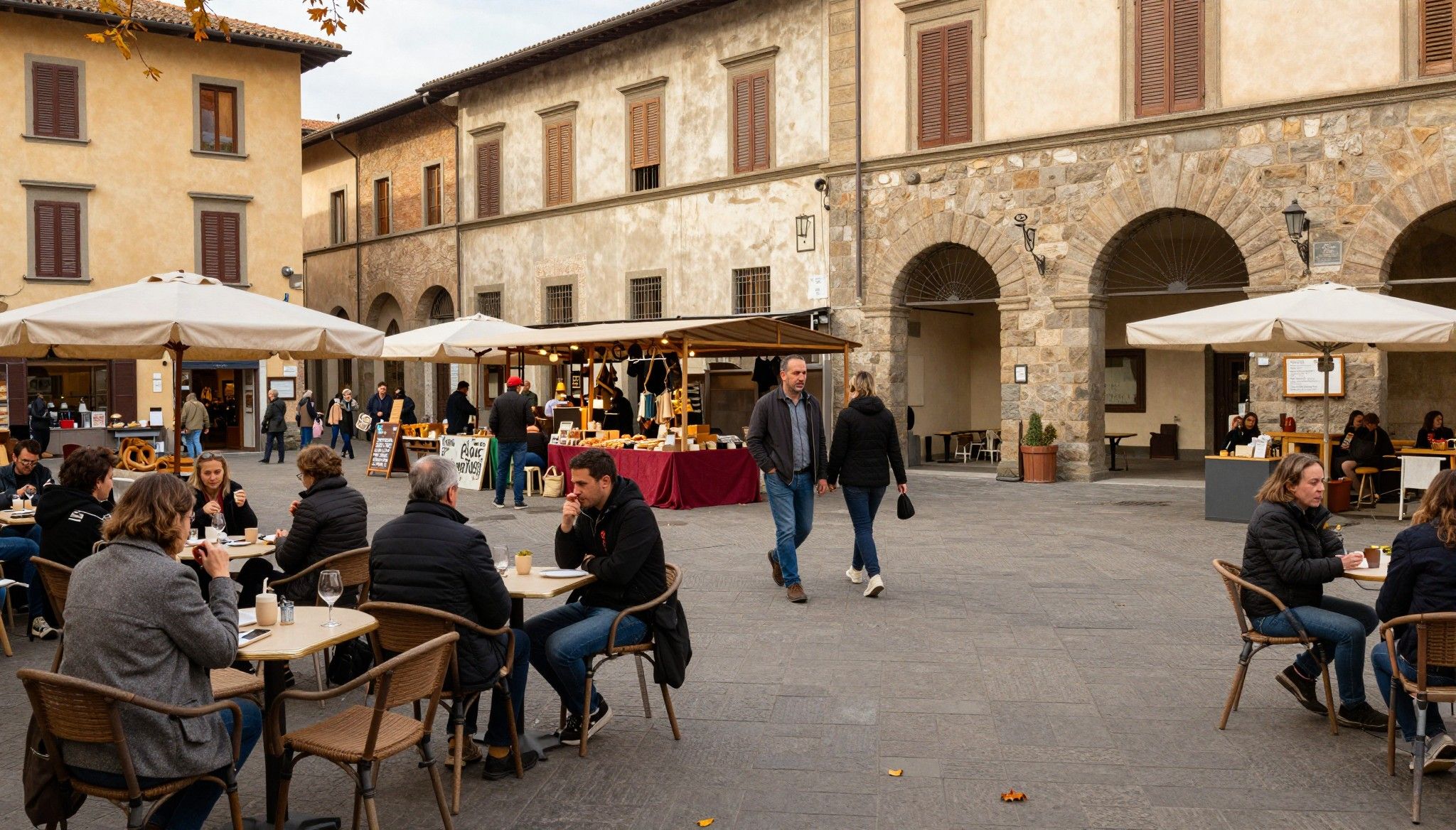
Imagine sipping espresso on a shaded piazza in early October — markets full of chestnuts, trattorie reopening after August closures, and agents quietly listing apartments once reserved for high‑season tourists. That slow, lived‑in month is where many savvy buyers in Italy actually find value. This piece argues a contrarian idea: hunting for property in peak summer (July–August) often costs more than it seems — and timing your search for autumn or late winter can materially improve returns. We pair vibrant local colour with market data so you feel the place and understand the numbers.
Living the Italy lifestyle — beyond the postcard
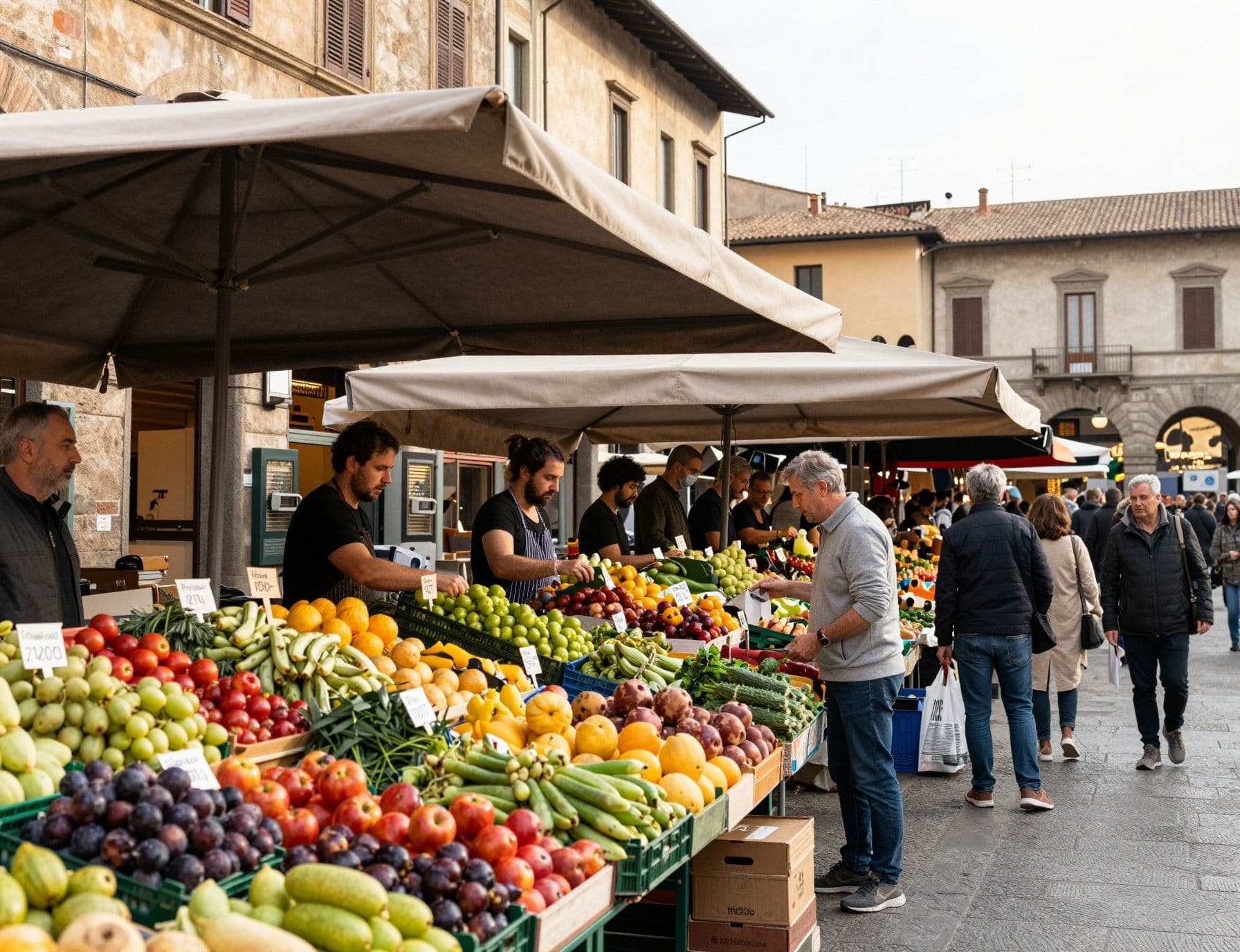
Italy’s daily rhythm is contextual: morning espresso in Naples’ Vomero, slow aperitivo along Florence’s Oltrarno, and fishermen selling fish at Porto Santo Stefano at dawn. Life is highly local — neighbourhood markets on Via Cavour in Rome or the covered mercato Centrale in Palermo shape where people shop, socialise and, crucially, rent. For international buyers that means lifestyle choices (coastal, historic centre, vineyard) directly affect tenant demand profiles and seasonal occupancy patterns. The right neighbourhood yields both quality of life and predictable rental cashflow when chosen with local seasonality in mind.
City centres vs. coastal towns: how daily life differs
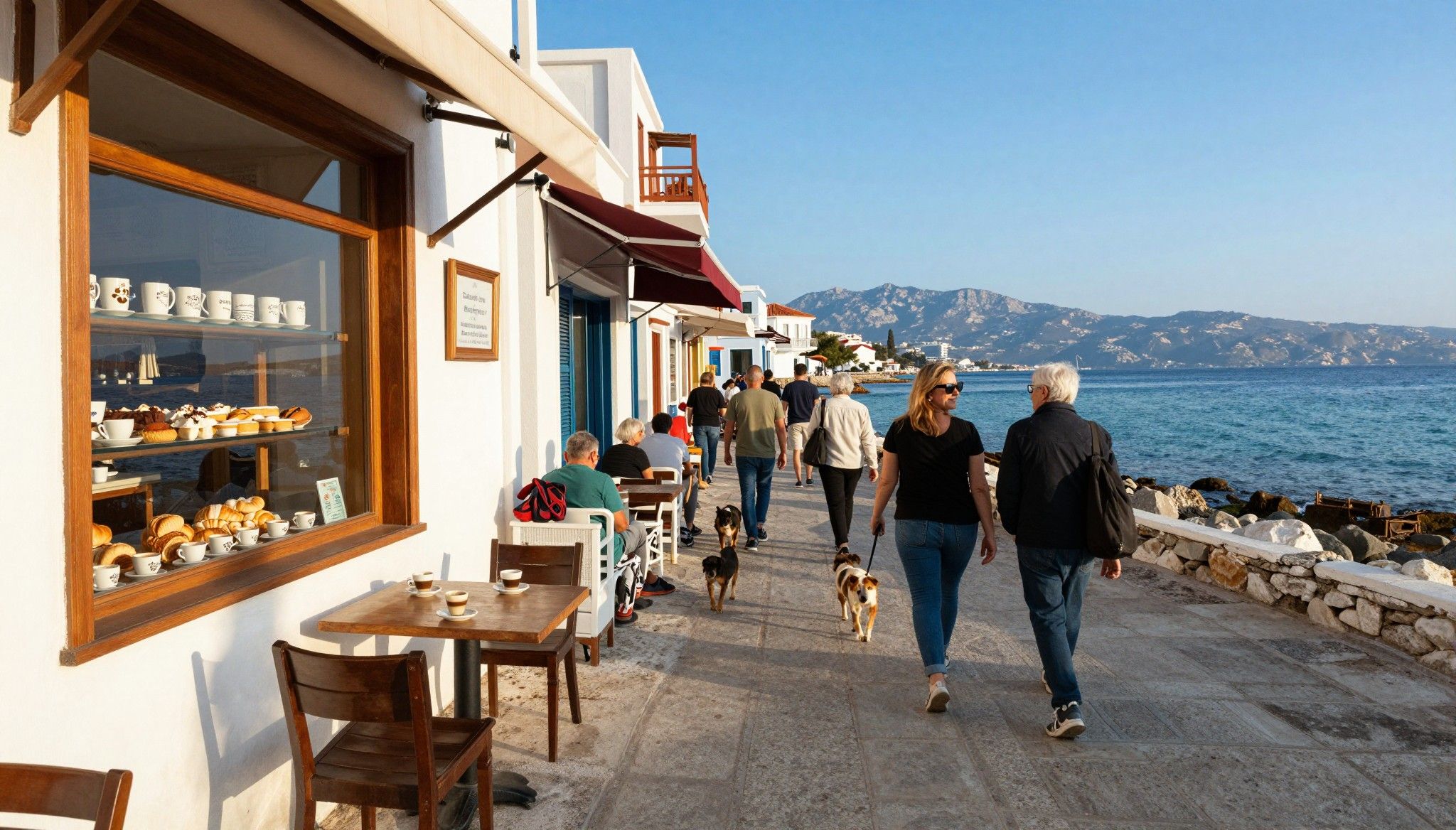
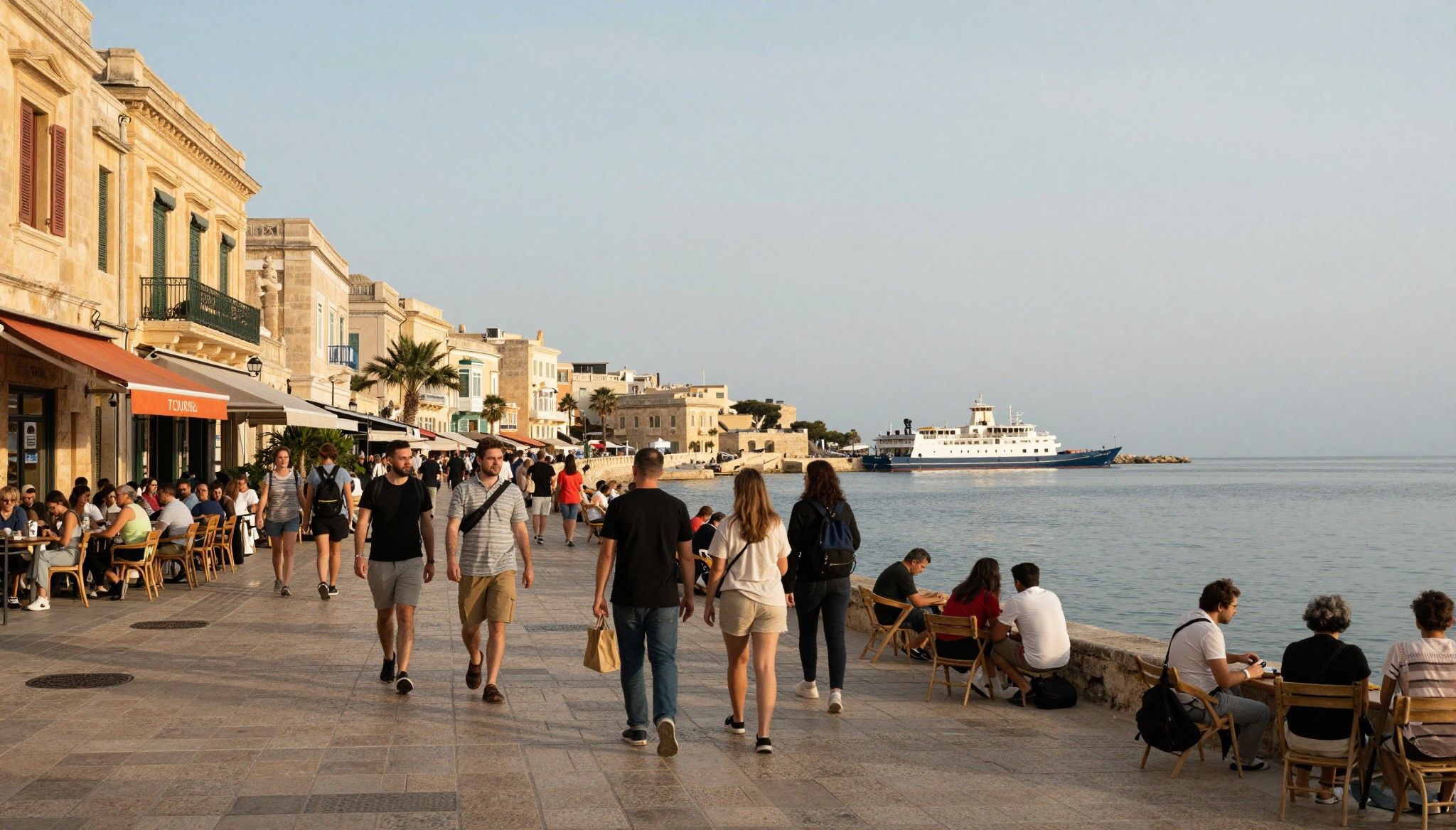
In historic cores—Centro Storico in Rome or Brera in Milan—mornings are for cafes and commutes, evenings for cultural events; tenants are professionals and students with year‑round demand. Coastal towns like Positano, Rimini or parts of Sardinia flip between vibrant summer tourism and quiet off‑season months, changing rental rates by season. Inland hill towns around Siena or Puglia’s Ostuni offer stable long‑term rentals to locals and remote workers seeking slower rhythms. Each setting produces different seasonality risks and revenue structures, so match neighbourhood character with intended hold strategy.
Food, market life and the micro‑neighbourhood indicators
Markets, neighbourhood bars (the bar sotto casa) and food producers are signals of livability and rental appeal. A busy morning mercato on Via della Paglia suggests steady footfall; a cluster of osterie points to evening economy potential; a working port signals year‑round employment base for rentals. These micro indicators rarely change with a season — they’re durable predictors of tenant stability and long‑term capital preservation. When we evaluate listings, these local signals often matter more than a temporary sea‑view premium advertised in August.
Lifestyle highlights that indicate durable demand
Busy daily market stalls on or near a property (e.g., Mercato Centrale, Florence) — signals of year‑round foot traffic and rental demand.
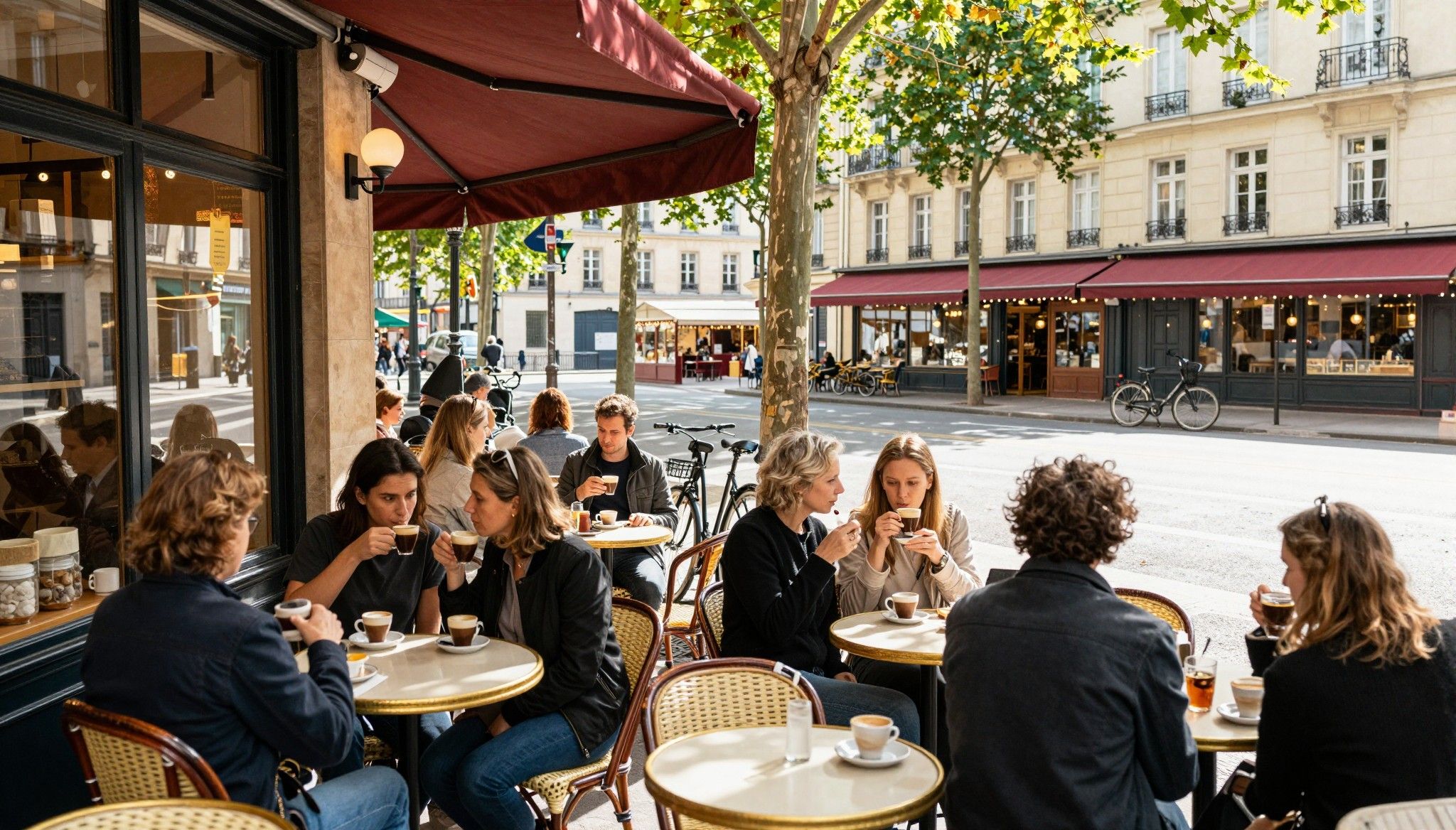
Clusters of independent cafés and neighbourhood services (pharmacy, small grocery, primary school) — reduce vacancy risk for long‑stay tenants.
Proximity to commuter links (regional trains, major roads), not just touristic views — determines weekday rental consistency.
Making the move: practical considerations that follow the lifestyle
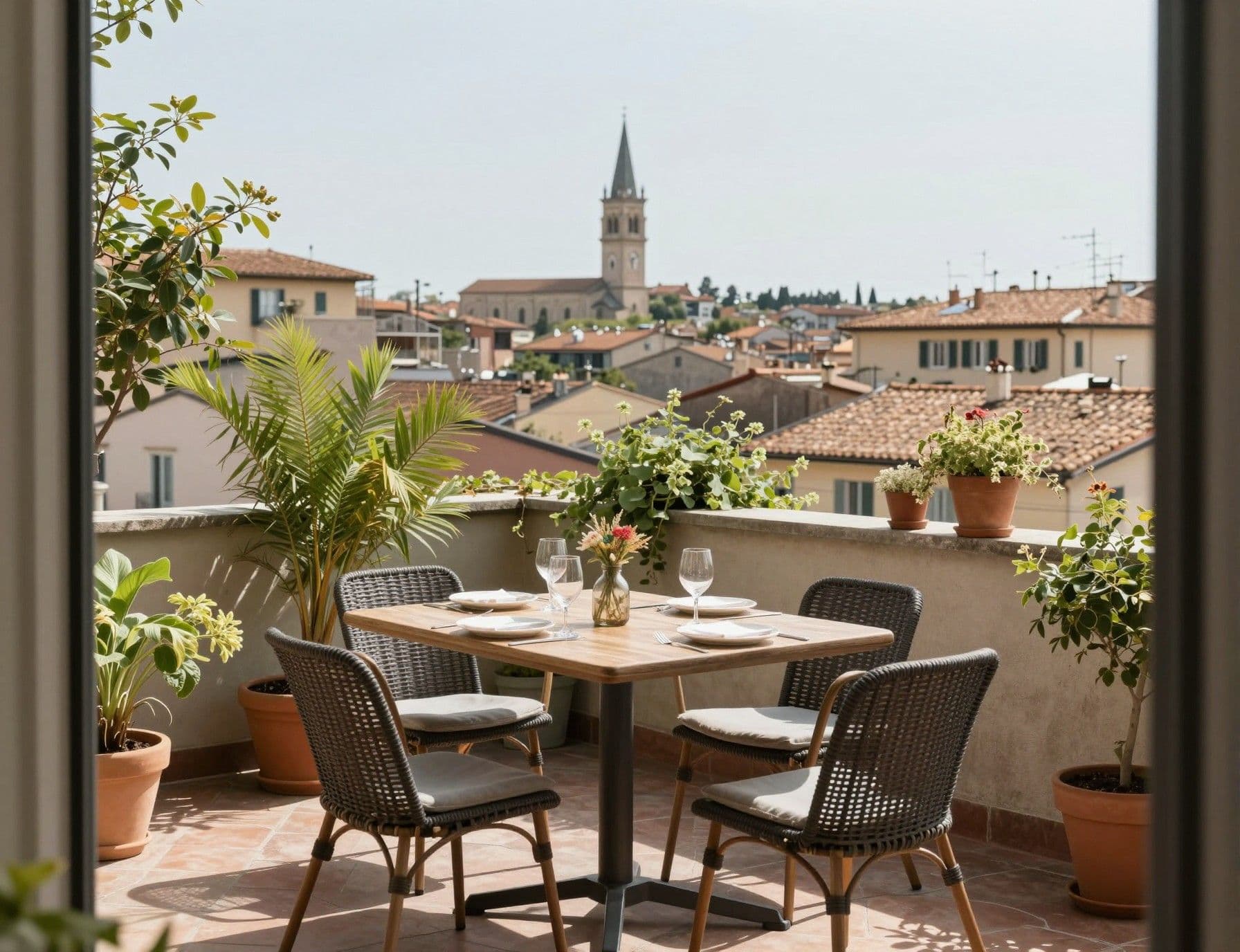
Seasonality isn’t just about ambience — it impacts pricing dynamics. Official data show house prices in Italy have recovered modestly year‑on‑year (Istat HPI indicates recent positive annual changes), while market listings and rents can spike in July–August when tourist demand and owner urgency converge. Idealista and Bank of Italy analyses document stronger transactional activity in the warmer months and suggest different momentum for new builds versus existing stock. If your priority is yield, understanding these cycles lets you avoid paying the seasonal premium seen in high‑tourism windows.
Property types and how seasonality changes their economics
New-build apartments in major cities tend to attract year‑round corporate or long‑stay renters, supporting steadier net yields. Vacation‑style villas and small seafront apartments often rely on short‑term rentals and show large seasonal volatility in occupancy and effective yield. Historical buildings (centro storico) bring preservation constraints and renovation premiums but also consistent urban demand in university or work hubs. Align asset type with your cashflow tolerance: short‑term income can boost gross returns but increases management costs and vacancy exposure.
Working with local experts who see past the summer shine
An experienced local agency will: 1) flag properties with transient summer premiums, 2) provide recent comparable rentals outside high season, 3) advise on seasonal maintenance needs (e.g., water systems, pest control), 4) assess tenant profiles by neighbourhood and recommend realistic net yields. Choose an agency that supplies granular comps (price/m², seasonal rent bands) rather than glossy lifestyle photos.
Insider knowledge — what expats wish they'd known
Expats often arrive enchanted by August scenery and sign quickly — then discover closed town halls, reduced service windows, and a temporary glut of listings priced for tourists. Locals know September and October are when serious sellers reprice; banks and notaries resume normal schedules; comparables reflect true market value. Nomisma and other industry reporting show transaction volumes and listing behaviours that support a post‑summer recalibration. The practical lesson: use August for reconnaissance and October–January for negotiation.
Cultural rhythms and local bureaucracy
Italian administrative life slows during Ferragosto (mid‑August holiday), affecting permit timelines, notary availability and local government responsiveness. Language and relationship‑based processes matter: an agent who knows the municipal office and the notary network will accelerate checks and uncover local red flags such as undocumented renovations or disputed common‑area responsibilities. These aren’t exotic risks — they’re day‑to‑day frictions that translate into months of delay if ignored.
Long‑term lifestyle and investment sustainability
Consider local demographic trends (aging towns vs. university hubs), infrastructure upgrades (rail improvements), and tourism seasonality when projecting five‑year net yields. Nomisma and Bank of Italy forecasts point to moderate price growth and transaction rises—meaning capital appreciation is plausible but uneven. For a sustainable lifestyle investment, prioritise areas with stable services and year‑round economies rather than purely seasonal appeal.
Step-by-step: when to act and how to capture off‑season value 1) Recon in July for atmosphere, 2) shortlist in September—request comps from the last four quarters, 3) negotiate in October–January when sellers reassess, 4) close outside peak tourist weeks to avoid administrative slowdowns, 5) plan renovations for winter months to be rental‑ready by spring.
Conclusion: Italy rewards patience. The country’s lifestyle — piazzas, markets, coastlines and centuries‑old streets — is real and rentable, but the best investment outcomes come from timing and local insight, not impulse. Treat seasonality as a financial factor: use high season to fall in love, and off‑season cycles to secure superior price/m² and cleaner due diligence. Partner with agencies who provide seasonal comps, municipal know‑how and a pragmatic plan for turning lifestyle into predictable returns.
British expat who moved to the Algarve in 2014. Specializes in portfolio-focused analysis, yields, and tax planning for UK buyers investing abroad.