France: Match the Lifestyle Beat to Market Reality
France pairs irresistible local rhythms with regionally varied market cycles—learn which neighbourhood traits map to steady yields and which are seasonal risks.

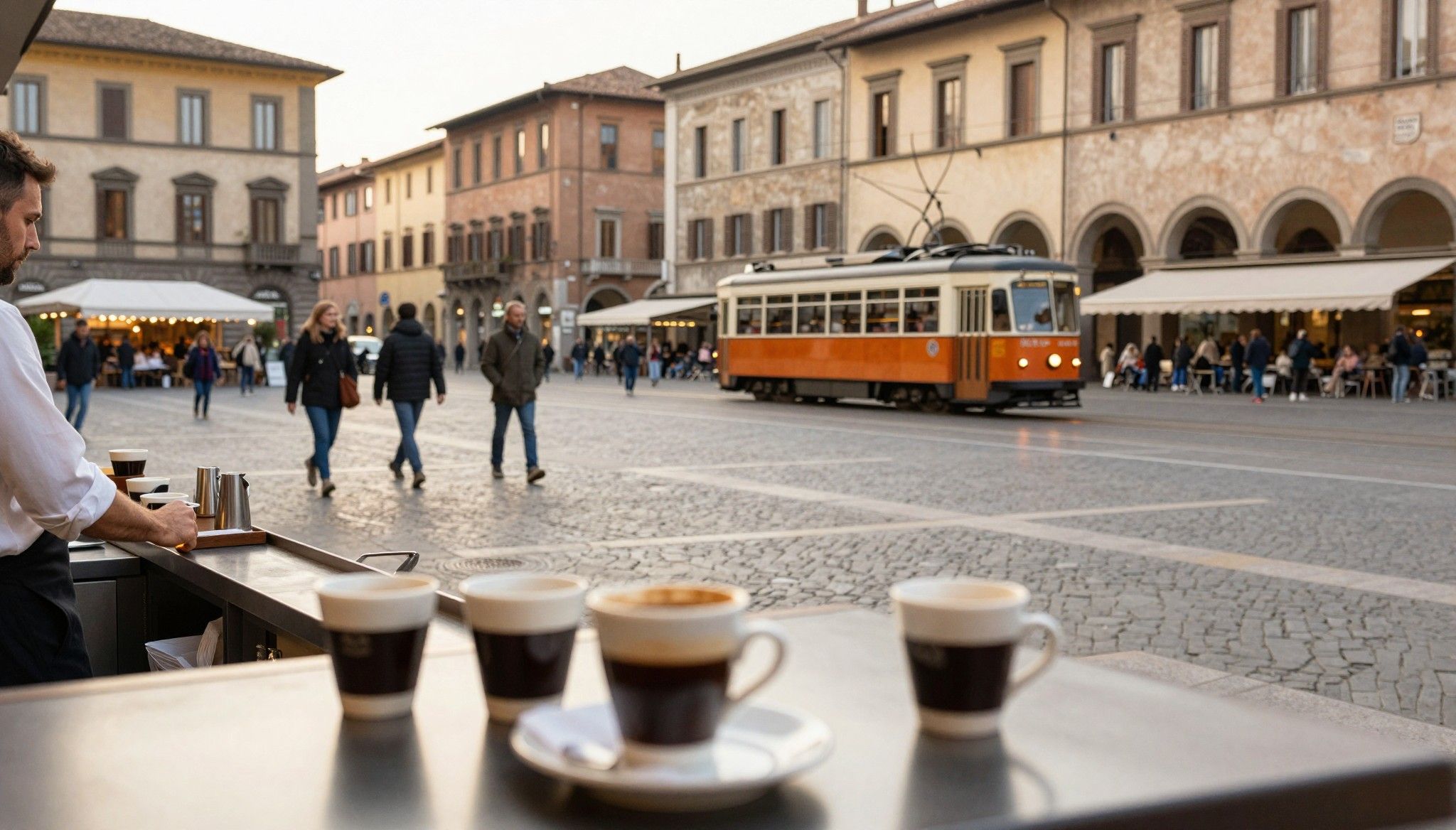
Imagine sipping an espresso at Café de Flore, walking home past chestnut trees and Haussmann facades, then switching into spreadsheet mode: that handshake between daily life and hard numbers is what buying in France is really about. France still sells a lifestyle—markets, boulangeries, vineyard weekends—but beneath the romance are measurable cycles, regional spreads and new rules that change returns. This guide blends sensory, street-level France with actionable market trends so you can pair the feeling of a place with the financials that matter.
Living France: The rhythms that shape value
France’s appeal is spatially specific: Paris mornings are tight and premium, coastal afternoons on the Côte d’Azur stretch into slow, seasonal demand, while mid-sized cities like Nantes or Bordeaux offer a hybrid of steady rents and lifestyle upside. Those rhythms—commute patterns, tourist seasonality, and local festivals—map directly to rental demand, vacancy risk and price volatility. Read those rhythms and you read market timing; ignore them and you price in unpredictability.
Neighbourhoods that feel like a day-to-day life
Paris’ 10th arrondissement—Canal Saint‑Martin—still offers canal-side cafés, small boulangeries and a dense rental market for young professionals; in Nice, the Liberation area delivers local markets and strong short-term demand during high season; in Lyon, Croix‑Rousse retains village charm with stable long-term tenants. For buyers, those everyday traits predict liquidity: markets with daily amenities and transport alternatives attract year-round renters and keep long-term capital growth steady.
Food, markets and seasonality as micro-drivers
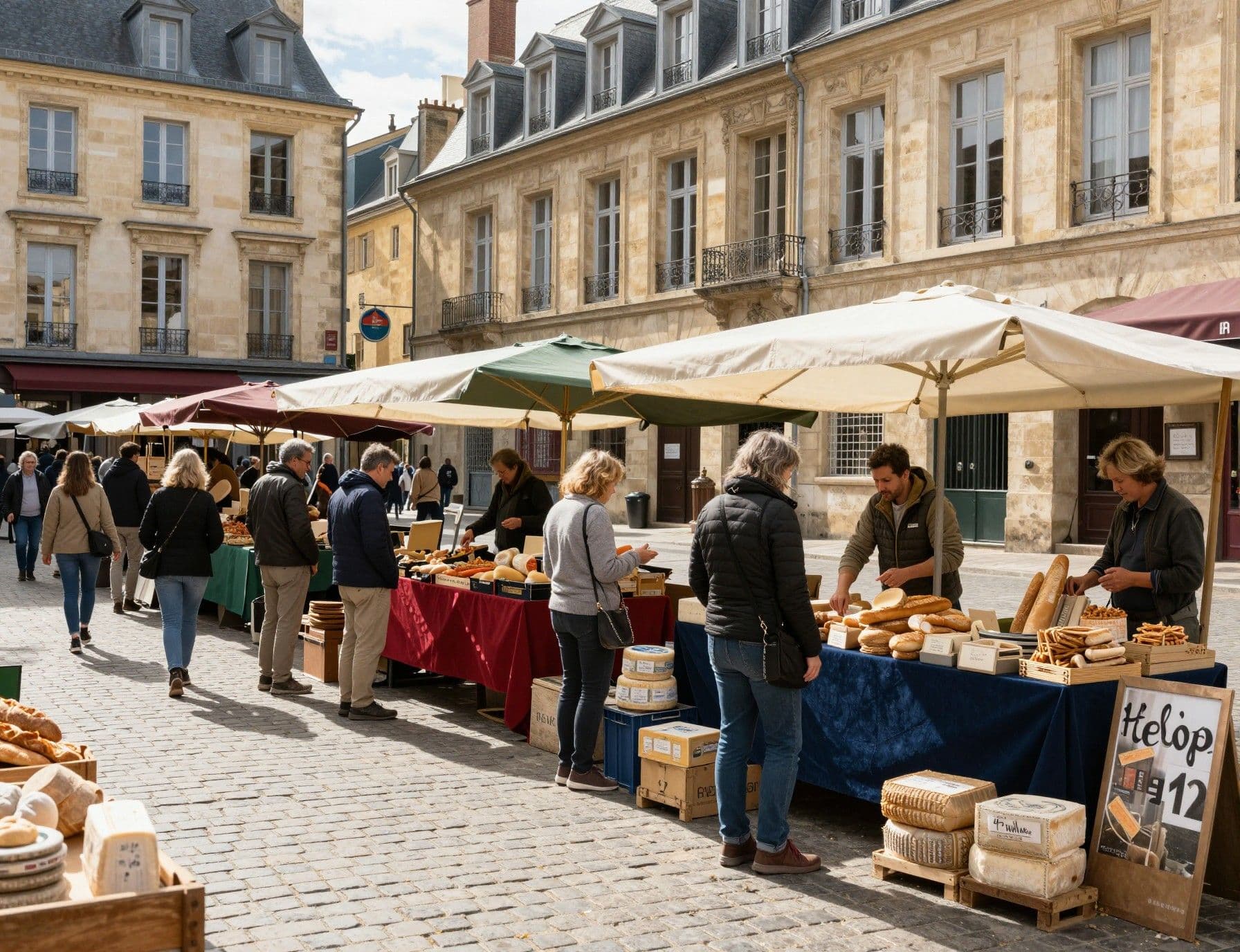
Weekends at the marché are more than charm; they concentrate neighbourhood demand. Areas with vibrant weekly markets (for example, Bordeaux’s Marché des Capucins or Marseille’s Cours Julien) see better mid-week foot traffic, which supports local commerce and tenant retention. Regional price maps from national notaries show consistent premiums where localised services cluster—an investment in lifestyle is often an investment in liquidity and lower vacancy. ([notaires.fr](https://www.notaires.fr/fr/tendances-du-marche-immobilier?utm_source=openai))
- Marketable lifestyle highlights:
- Canal Saint‑Martin (Paris) — strong rental demand from young professionals and international short‑stays
- Old Port / Cours Julien (Marseille) — creative scene, year‑round local commerce, rising interest from domestic buyers
- Vieux‑Nice / Liberation (Nice) — summer peaks but solid off‑season rental market when near services and transport
Making the move: market trends you need to plan for
Price momentum in France has shifted from the double‑digit growth of the previous decade to a slower, regionally varied phase. National indices recorded near‑stability in 2024 with modest re-acceleration in early 2025, reflecting tighter supply and shifting demand patterns. For buyers this means timing matters regionally: some coastal and tourist markets remain seasonal and volatile, while many mid‑sized cities show the steadier appreciation that institutional investors prefer. ([insee.fr](https://www.insee.fr/fr/statistiques/8384787?utm_source=openai))
Property types and their market behaviour
Studios and small apartments in Paris behave like short‑duration assets: high turnover, high rental yields at scale but more wear and management. Country houses and Provence villas are capital‑appreciation plays with seasonal income but higher holding costs and vacancy risk. New builds (neuf) carry tax and financing benefits but often trade at a premium per m² that reduces immediate gross yields. Match property type to your strategy—income versus appreciation—and stress‑test cashflow under conservative occupancy scenarios.
Working with local experts who know both life and numbers
Local notaries, estate agents specialised in international clients, and accountants familiar with cross‑border tax rules reduce execution risk. A notaire’s price map and provenance checks reveal actual sale prices per m²—data you must use to calibrate offer strategy. For short‑stay and tourist markets, legal counsel on the 2024–2025 regulatory changes is essential: municipalities have new powers and national reforms tightened fiscal treatment of furnished tourism rentals. ([notaires.fr](https://www.notaires.fr/fr/tendances-du-marche-immobilier?utm_source=openai))
- Practical, lifestyle-minded checklist for working with local experts:
- Get a detailed notary price history for the exact building and street before offering; avoid relying on agency listings alone.
- Ask an accountant for scenario modelling of net yield under both long‑let and short‑let taxation (include local occupancy rates).
- Have a local property manager assess tenant demand and typical maintenance lines (heating, copropriété charges, DPE energy performance obligations).
Insider knowledge: the unspoken rules that change where you buy
French property culture carries quirks that materially affect returns: strong tenant protections, copropriété (strata) governance with shared reserve funds, and local councils that can restrict tourist rentals. International buyers often underestimate administrative lag—permits, heating upgrades for DPE compliance and copro decisions can take months and money. Treat these not as nuisances but as deterministic inputs in your cashflow model.
Local taxes and holding costs
Non‑resident owners are liable for taxe foncière and may face different taxation on rental income. Use the official tax site to estimate property taxes by commune and include them as recurring operating costs. Failure to budget for local taxes and variable copro charges is a common error that reduces net yield by several percentage points annually. ([service-public.gouv.fr](https://www.service-public.gouv.fr/particuliers/vosdroits/F59?ori=npc&utm_source=openai))
Short‑lets: regulation and risk
Legislation passed in 2024–2025 tightened tax benefits and strengthened mayoral powers to limit short‑term furnished rentals in pressured markets. If your plan depends on tourist rent, model a conservative scenario where municipal restrictions or higher taxation reduce gross short‑stay revenue by 20–40%. That sensitivity test will separate speculative holiday bets from sustainable investment choices. ([vie-publique.fr](https://www.vie-publique.fr/loi/292100-loi-airbnb-desequilibres-du-marche-locatif-2024?utm_source=openai))
- Red flags investors should watch:
- High seasonal dependency without year‑round demand drivers (restaurants, hospitals, universities)
- Lack of transparent copro financials or deferred maintenance listed in the syndic minutes
- Over‑reliance on short‑term platforms in municipalities with active anti‑tourist‑rental policies
Steps to protect yield
- Due diligence steps to preserve returns:
- Obtain three years of copro minutes and a detailed charges breakdown; model potential special assessments.
- Run rental scenarios with conservative occupancy (60–70% for tourist areas; 85–90% for city apartments near employers).
- Price in DPE/energy upgrade costs—changing rules are making higher performance a must, not a nice‑to‑have.
Conclusion — fall in love, but underwrite your dream. France is emotionally huge and financially nuanced. Start with the lifestyle you want—streets, cafes, markets—then map those choices to data: local price per m², historic rental demand, copro health and tax exposure. Work with a notaire, an accountant and a manager who speak both the language of life in France and the language of returns. Do that and you get the French life without putting your portfolio at risk.
Danish relocation specialist who moved to Cyprus in 2018, helping Nordic clients diversify with rental yields and residency considerations.