Cyprus: How New Rules Reprice Your Net Yield
How recent Cyprus tax and residency rule changes reshape net yields for international buyers — lifestyle-first insights with practical regulatory checklists.
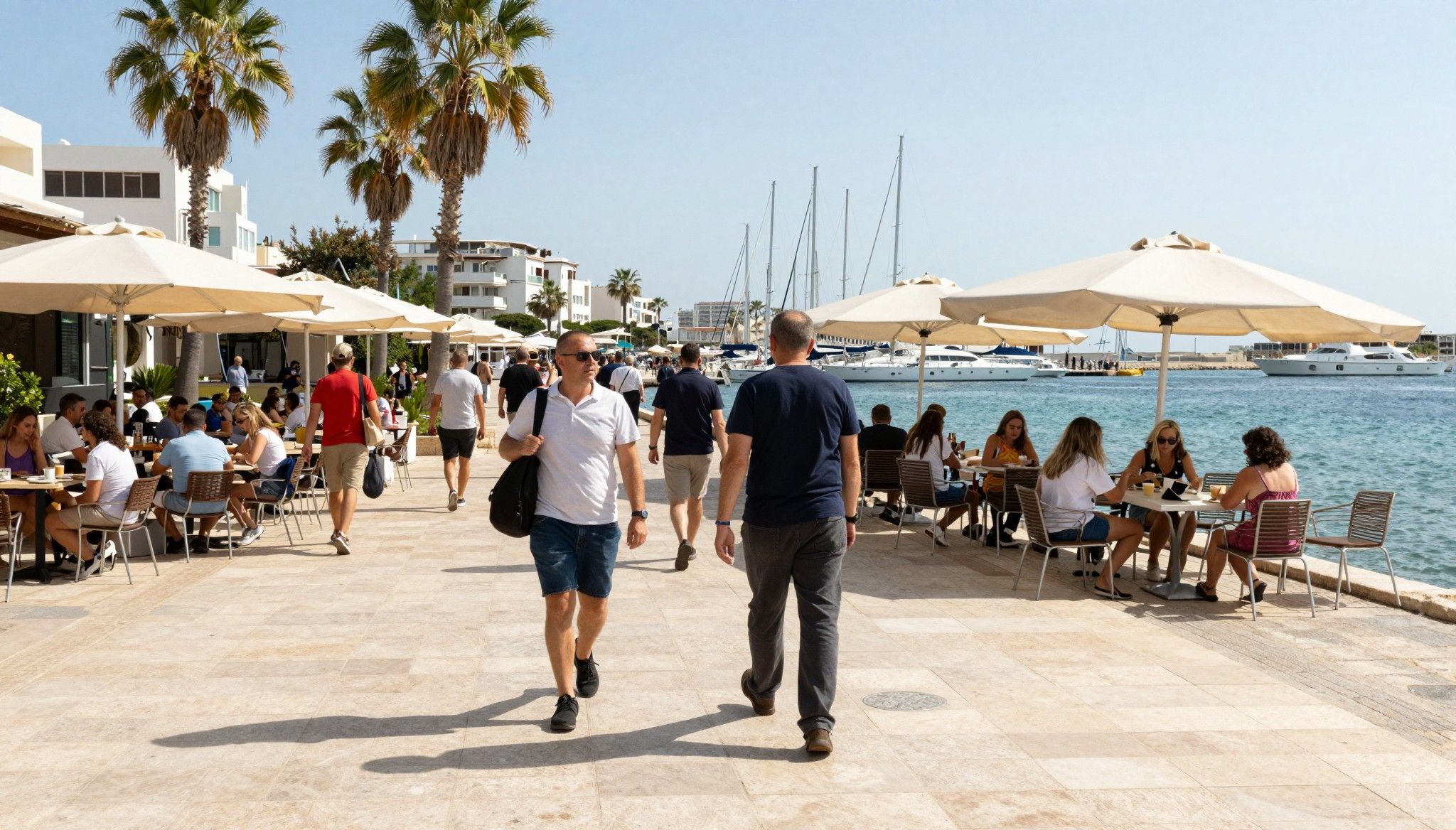
Imagine sipping an espresso on a sun-drenched terrace in Limassol’s Germasogeia, then walking five minutes to a seafront rental that pays for half your mortgage. Cyprus smells of citrus groves, grilled halloumi and sea salt; mornings start at bakeries on Anexartisias and evenings flow into tavernas on Old Larnaca Harbour. That lived-in warmth explains why buyers fall for Cyprus fast — but recent regulatory shifts mean the arithmetic behind the dream has moved, too.
Living the Cyprus lifestyle: sun, streets and local rhythms
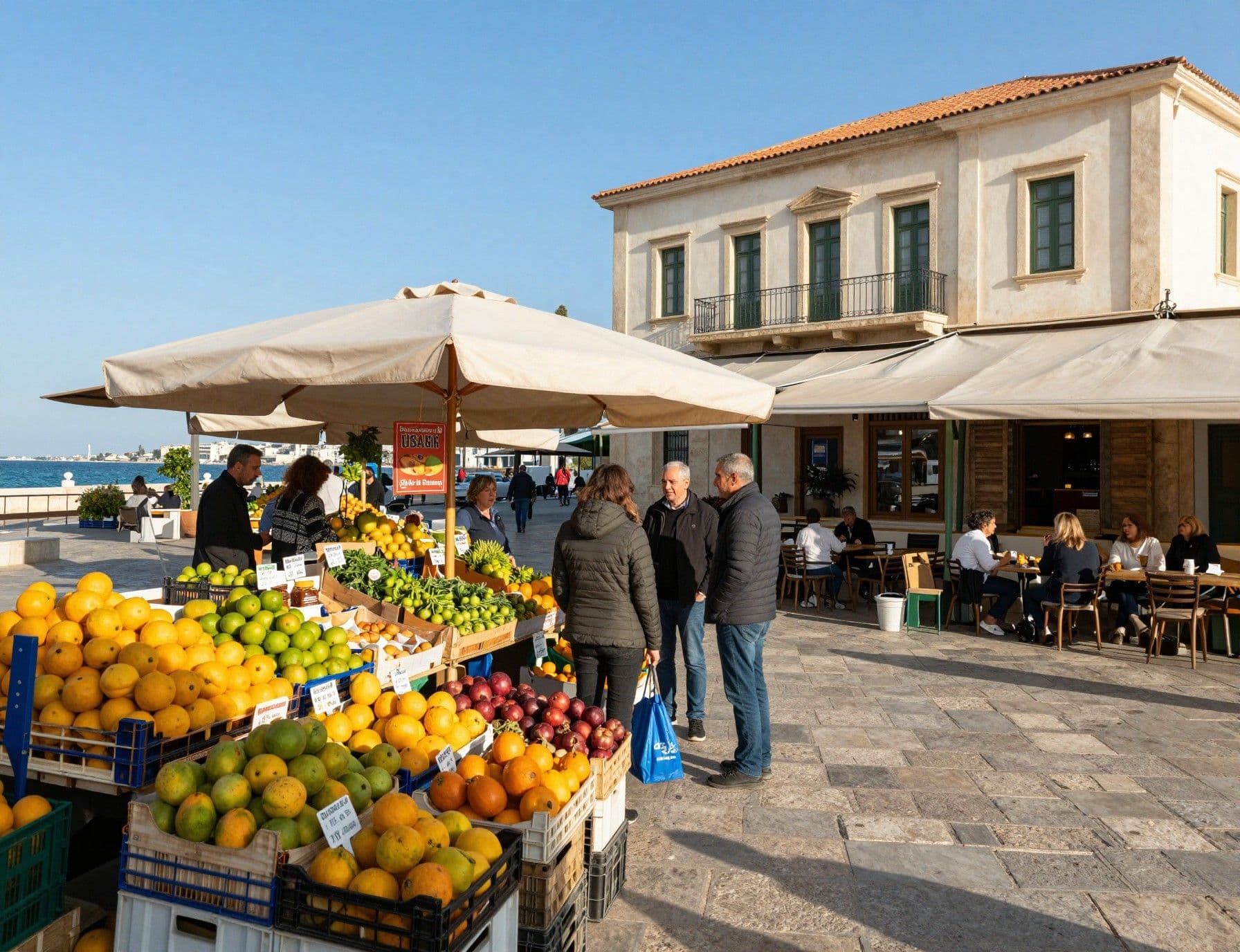
Cyprus is compact and varied: Limassol’s marina and cafés, Nicosia’s mix of old souq alleys and modern offices, Paphos’s cliffside promenades and sleepy mountain villages in Troodos. Days blend outdoor markets, late lunches and weekend swims. For an investor this matters because lifestyle patterns drive demand cycles: holiday rentals spike along the south coast in summer while long-term rental demand concentrates near business hubs and international schools.
Neighbourhood spotlight: Germasogeia (Limassol) and Old Town (Nicosia)
Germasogeia is a mix of modern apartment blocks, cafés on the coastal road and short-stay units that capture holiday premiums. Nicosia’s Old Town—led by Ledra Street and its coffee houses—attracts long-term tenants in finance, NGOs and start-ups. These contrasts map to different investment strategies: short-let income near the coast versus steady yields in inland administrative centres.
Food, markets and weekend life: from Limassol market to Larnaca’s salt lake
Weekends mean farmers’ markets (try the Karavella market near Paphos), tavernas with live bouzouki and the ritual of late afternoon coffee in plaza squares. That cultural tempo affects occupancy patterns: expect high seasonal variance in beach towns and steadier, year-round rents in university cities and capital suburbs.
- Lifestyle highlights: Anexartisias street cafés (Larnaca); Limassol Marina promenade; Paphos Old Town tavernas; Troodos mountain trails and village festivals; Nicosia Bank of Cyprus Cultural Centre events; local farmers’ markets near Polis.
Making the move: how regulatory change reshapes returns

Recent tax and residency clarifications — especially around Cyprus’s non-domicile (non‑dom) rules and broader tax reform — change after-tax yields for international buyers. The non-dom status can eliminate Special Defence Contribution (SDC) on dividends and interest, materially improving net returns on income-producing property or local SPV structures. But these benefits are rules-dependent and time-limited, so buyers must quantify net yield under both 'non-dom' and 'domiciled' scenarios.
Property types and what regulations mean financially
New-build coastal apartments face VAT and planning rules that affect holding costs; older village houses often transfer with lower transaction tax but higher renovation and compliance risk. If you plan short-lets, recent municipal licensing and tourist accommodation rules increase compliance costs and can reduce gross yields by several percentage points unless priced in upfront.
Work with experts who translate law into yield
- Engage a Cyprus tax advisor to model expected net yield under non‑dom vs domiciled status. Confirm VAT exposure on the unit (new-build vs resale) with your conveyancer. Ask the local council about short‑let licensing and planned enforcement (affects occupancy risk). Require clear escrow and title searches from an approved Cyprus lawyer to avoid TRNC/North Cyprus pitfalls. Build 3–5% contingency into yield models for regulatory compliance and municipal charges.
Insider knowledge: myths, red flags and contrarian moves
Myth: "Cyprus is only a summer play." Reality: inland towns and Nicosia provide steady year‑round tenancy for professionals and students. Red flag: sellers promising residency or tax status — these are legal outcomes, not marketing points. Contrarian opportunity: pick walkable Nicosia suburbs near business hubs where price per m2 is lower and regulation is simpler, producing steadier net yields.
What expats wish they’d known
Expats commonly underestimate how domicile is determined (it’s not just time spent but ties of life) and how long non‑dom advantages can realistically be relied on. Expect to document residency, model worst‑case tax shifts, and avoid depending solely on presumed future tax statuses when calculating long-term IRR.
- Practical red flags to look for before signing: seller promises about residency or future licensing; trustee arrangements without full title clarity (particularly in northern areas); missing utility or planning approvals; lack of documented short‑let license if marketed as holiday income.
Regulatory shifts (see recent tax reform briefs) mean sensible buyers run two scenarios: conservative (no non‑dom benefit, higher compliance costs) and optimistic (non‑dom status, VAT advantages where applicable). Use both to stress-test projected net yields and payback periods rather than betting on a single legislative outcome.
- Due‑diligence checklist for regulators and returns: 1) Confirm tax-residency implications and whether you qualify as non‑dom (get written tax advice). 2) Verify title and municipal approvals with local counsel. 3) Model VAT and SDC liabilities into net yield calculations. 4) Check short‑let licensing and local enforcement history. 5) Factor in likely maintenance/insurance uplifts for coastal properties.
Picture life after closing: a morning market run in Paphos, a renovated terrace that attracts four-month summer lets, and reliable winter tenants near the University of Cyprus. The arithmetic that makes that dream real is granular: net yield after VAT, SDC and municipal fees; vacancy-adjusted income; and a conservative cap rate that reflects regulatory uncertainty.
If Cyprus appeals to you, treat lifestyle as the reason you’ll live there and regulation as the rulebook for returns. Start with local tax advice, require detailed title and licensing checks, and price regulatory change into your worst-case yield. When done right, Cyprus offers both a Mediterranean life and investment that stacks up — but the margin between romance and return is written into the legal fine print.
British expat who moved to the Algarve in 2014. Specializes in portfolio-focused analysis, yields, and tax planning for UK buyers investing abroad.