Malta: Lifestyle Pockets That Outperform Price
Malta's compact island life concentrates demand: neighbourhood choice, tourism seasonality and realistic yield assumptions determine whether lifestyle and investment align.
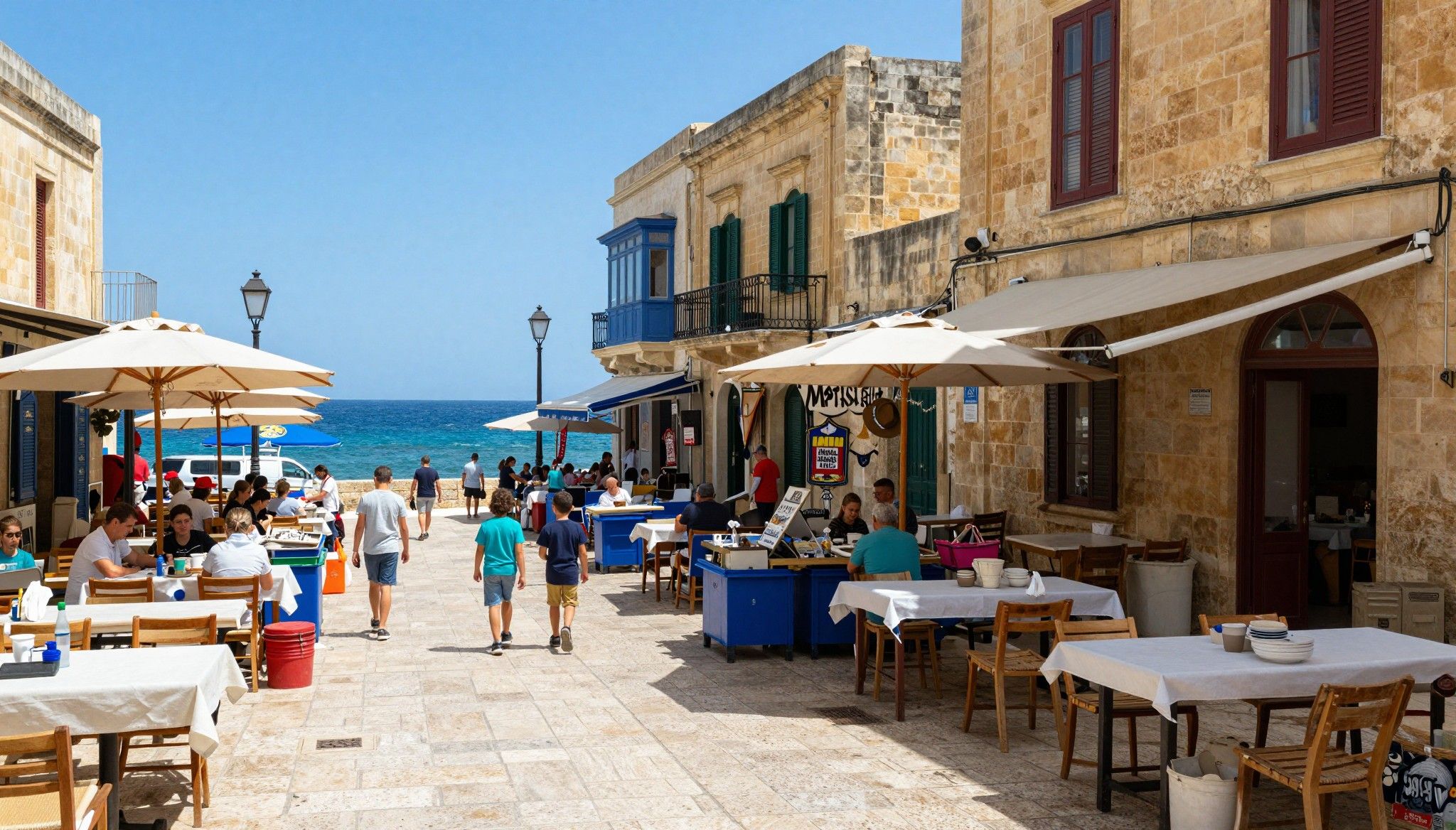
Imagine waking to espresso on a limestone balcony, then walking ten minutes to a café where English and Maltese mix like sugar and coffee. Malta compresses Mediterranean life into short distances: a 20‑minute commute can take you from a Baroque piazza to a quiet sea grotto. That compactness shapes both daily pleasure and property math — location choice materially affects rental demand, price per square metre and net yield.
Living Malta: compact, sunlit, and city‑scaled
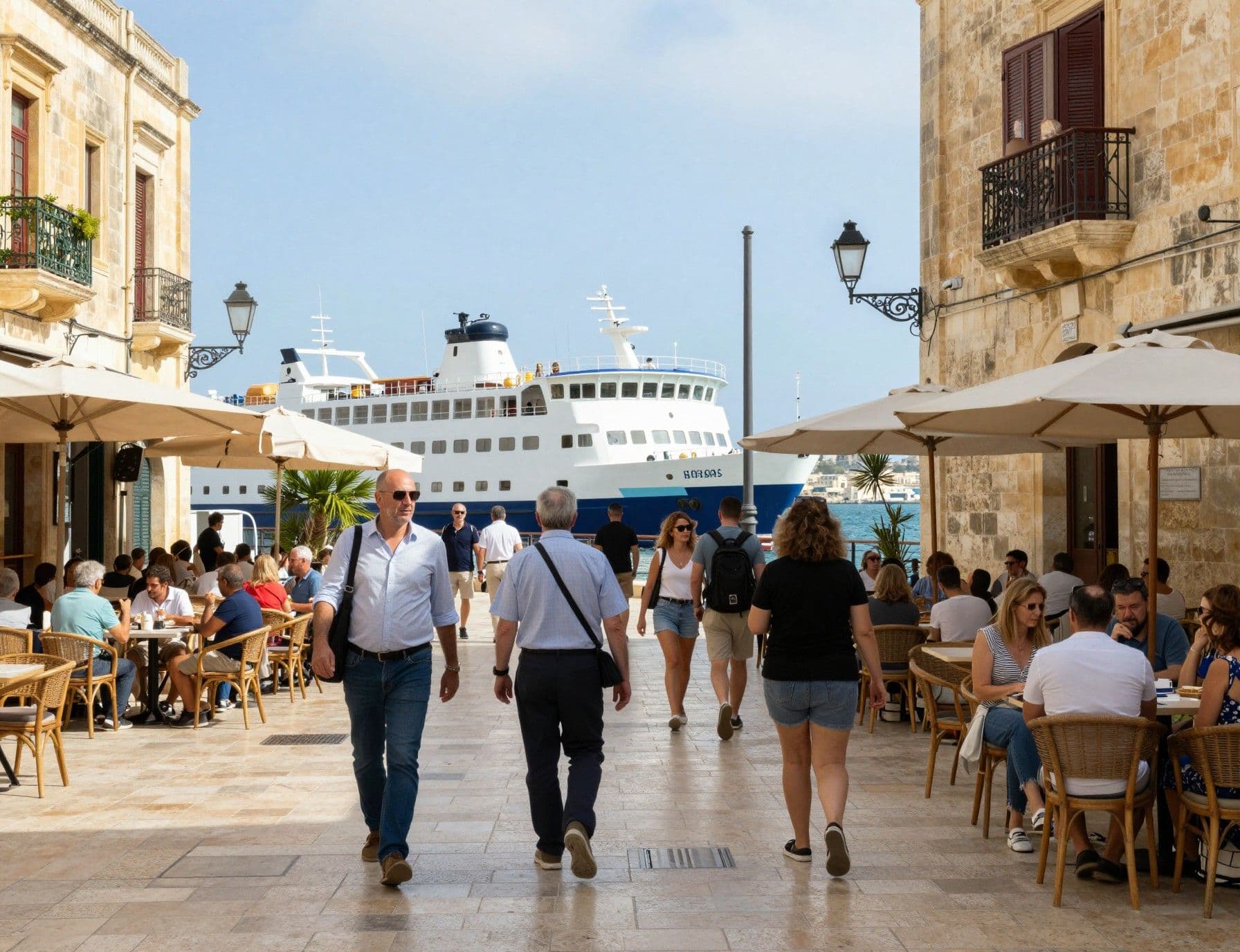
Daily life in Malta is a series of small, vivid routines: market mornings in Marsaxlokk, aperitifs along Sliema seafront, and Sunday pastizzi runs in Floriana. Tourism is a material demand driver — inbound visitors surpassed 3.5 million in 2024 — which feeds short‑let markets and colours rental seasonality. For a buyer, the question is whether you favour steady long‑term rentals (students, professionals) or higher, more volatile short lets supported by tourism peaks.
Valletta & the Three Cities: heritage and premium rents
Valletta rewards short distances and architectural drama: stone‑fronted apartments near Republic Street command a premium for holiday lets and boutique long‑term tenancies. The Three Cities (Vittoriosa, Senglea, Cospicua) offer quieter harbourside living with strong appeal to expat families and maritime professionals. Expect higher per‑square‑metre values in these areas but also stronger occupancy during tourist seasons.
Sliema–St Julian’s: the rental engine
Sliema and St Julian’s are the operational heart for rentals aimed at digital nomads, corporate short lets and younger expats; cafes, coworking spots and ferry links create steady tenant pipelines. Properties here show faster turnover but higher gross rents, so investors prioritising yield often put these neighbourhoods at the top of short‑term income strategies. Remember: amenity proximity — transport, cafes, coworking — is the yield multiplier here.
- Lifestyle highlights: Valletta's cafés, Marsaxlokk fish market, Sliema promenade, Golden Bay beach, Mdina's quiet evenings, Manoel Island sunset walks
Making the move: property types, returns and local rules
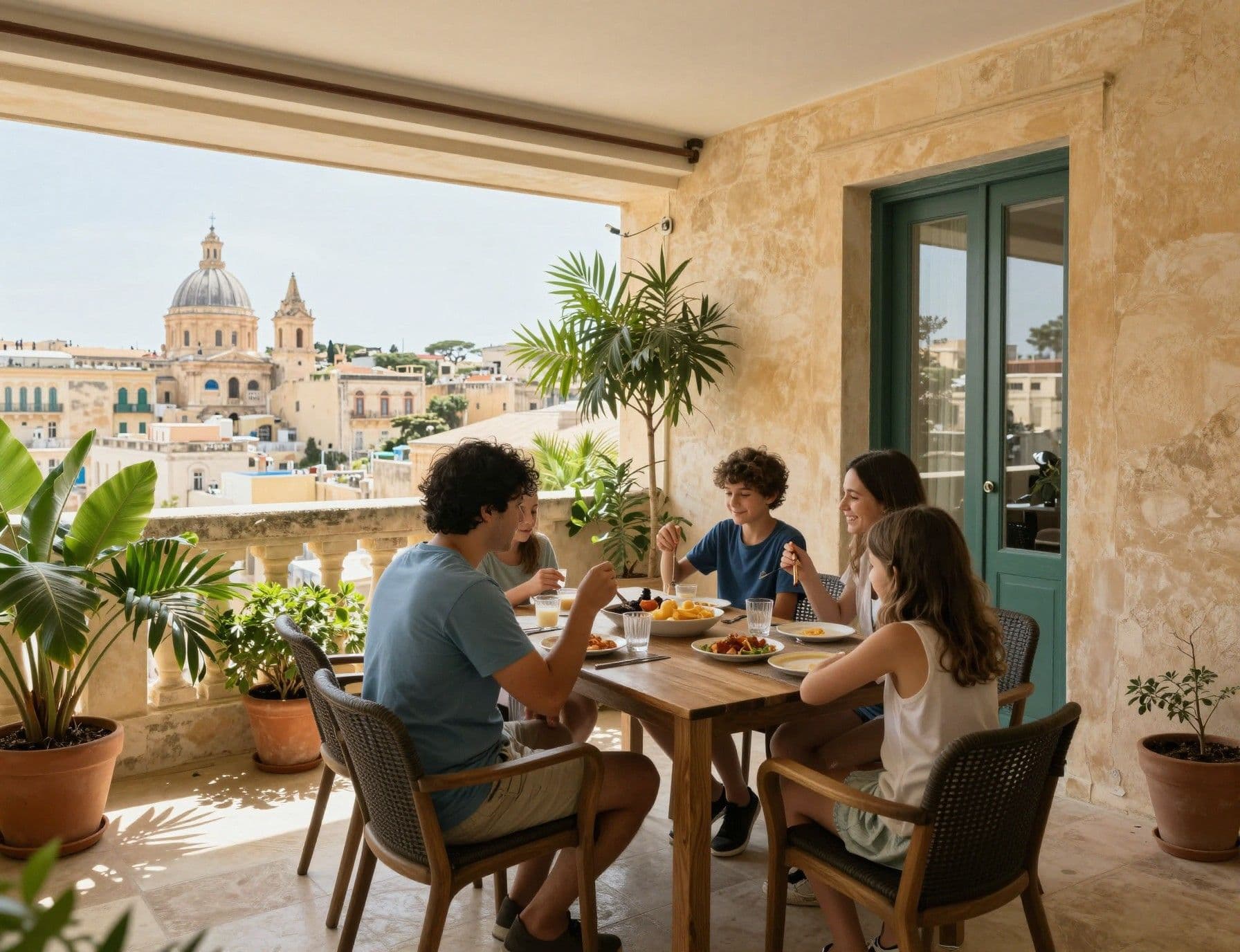
Match the property form to your use case: a period townhouse in Mdina is placemaking; a modern Sliema apartment is an operational rental asset. Non‑EU buyers face permit regimes and some property quotas, while EU citizens enjoy broader purchase rights — these legal differences change time‑to‑close and carrying cost. Price per square metre varies substantially: local market trackers show city centre averages notably higher than peripheral towns.
Property styles and investor use cases
New builds and conversions in Sliema/St Julian’s suit short‑let and corporate lettings; traditional townhouses in Valletta, Rabat or Mdina perform for boutique long‑term tenants or personal use. Recent reports place average prices between roughly €2,800–€6,500+/sqm depending on location and quality, so cap‑rate expectations must be location‑specific. Define your target yield (net yield = rental income minus operating costs divided by purchase price) before bidding.
Working with local experts who understand lifestyle demand
- 1. Ask agents for proven rental comparables (seasonal & annual). 2. Insist on management cost schedules — cleaning, utilities, agency fees. 3. Request historic occupancy rates for short‑lets to model volatility. 4. Verify local permit needs early (non‑EU purchase permissions, residency links).
Insider knowledge: what expats wish they'd known
The compact market creates micro‑risk: small supply shifts or planning decisions can move street‑level values. Expats often underestimate seasonality: tourism spikes lift short‑let revenue but increase maintenance and turnover. Data from the IMF and local trackers shows rental yields are moderate — averaging around 3.8–4.0% gross — so buyers should prioritise capital‑preservation use cases or blended strategies (mix of long lets and selective short lets).
Cultural integration and daily rhythms
English is an official language, which speeds integration for many buyers; social life orbits around cafés, feasts (festi) and family tables. Expect administrative cadence to be formal — deeds and Konvenju (promise to sell) are standard steps — and plan for localized agent support. Building relationships with a small number of trusted local providers (lawyer, agent, property manager) materially reduces transactional friction.
Long‑term lifestyle and portfolio fit
If your goal is steady income, prioritise central neighbourhoods with year‑round tenants (professionals, students). If you chase higher seasonal returns, allocate a smaller portion of your portfolio to tourist‑facing units and model peak/off‑peak income conservatively. Regularly update yield assumptions — local trackers reported Q1 2026 gross yields near 3.9% — and stress‑test scenarios including vacancy, management costs and regulatory changes.
- Red flags to watch: unclear permit history, unresolved maintenance in old stone buildings, overreliance on peak‑season short lets, sellers excluding furniture or management contracts, and properties with poor transport access.
Conclusion: Malta compresses Mediterranean lifestyle and market mechanics into a small geography where neighbourhood choice is the primary determinant of returns. Use local data — price per sqm, historic occupancy and tourism seasonality — to set realistic yield expectations. If lifestyle is the priority, select places that match daily rhythms; if returns matter most, blend central rental engines with selective lifestyle plays and secure trusted local advisors before offer stage.
Dutch investment strategist who built a practice assisting 200+ Dutch clients find Spanish assets, with emphasis on cap rates and due diligence.