When Cyprus’ New Rules Reprice Lifestyle Returns
How recent Cyprus rules — from short‑let registration to north/south purchase limits — reshape yields; lifestyle-led advice plus compliance steps to protect returns.
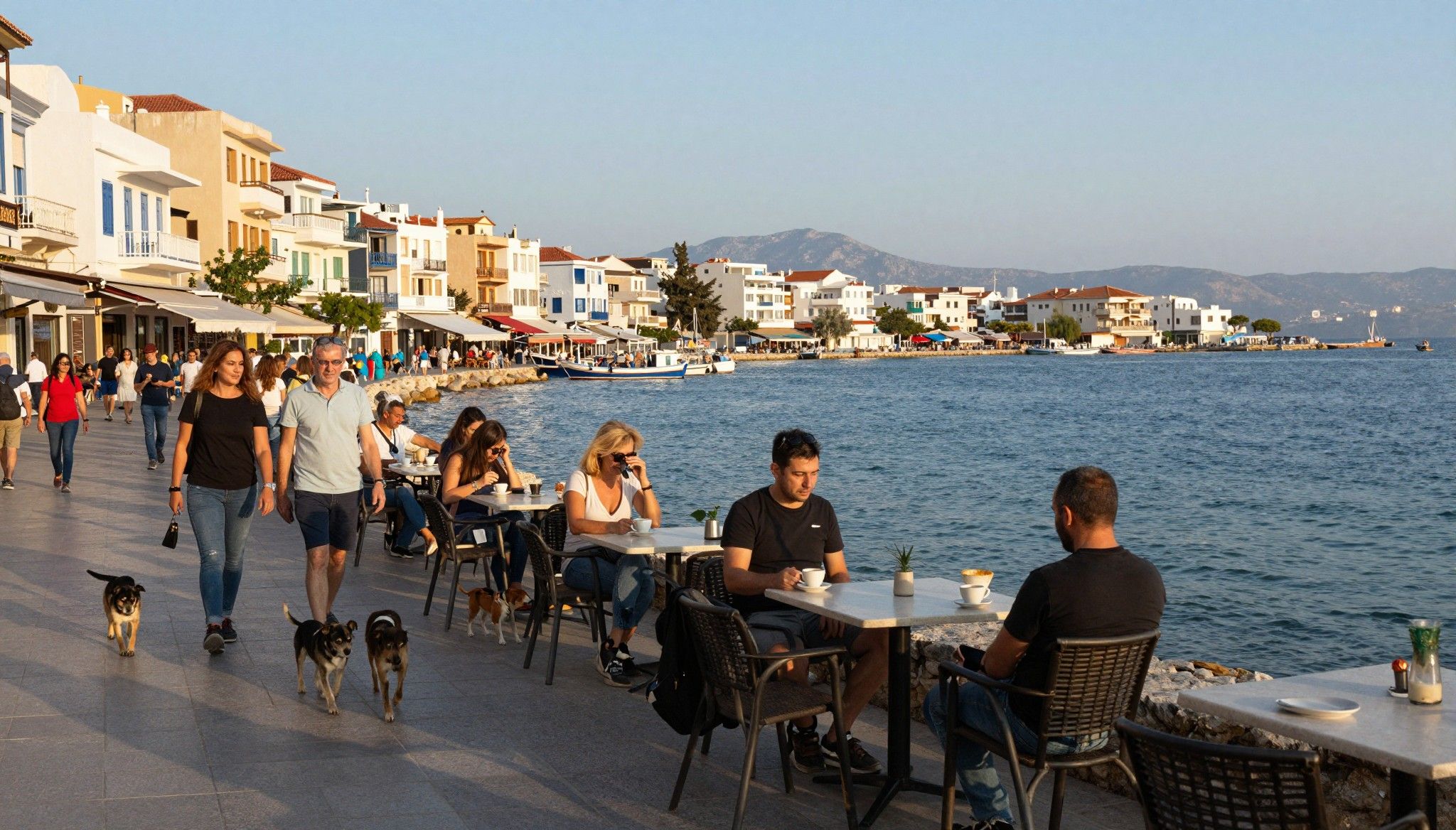
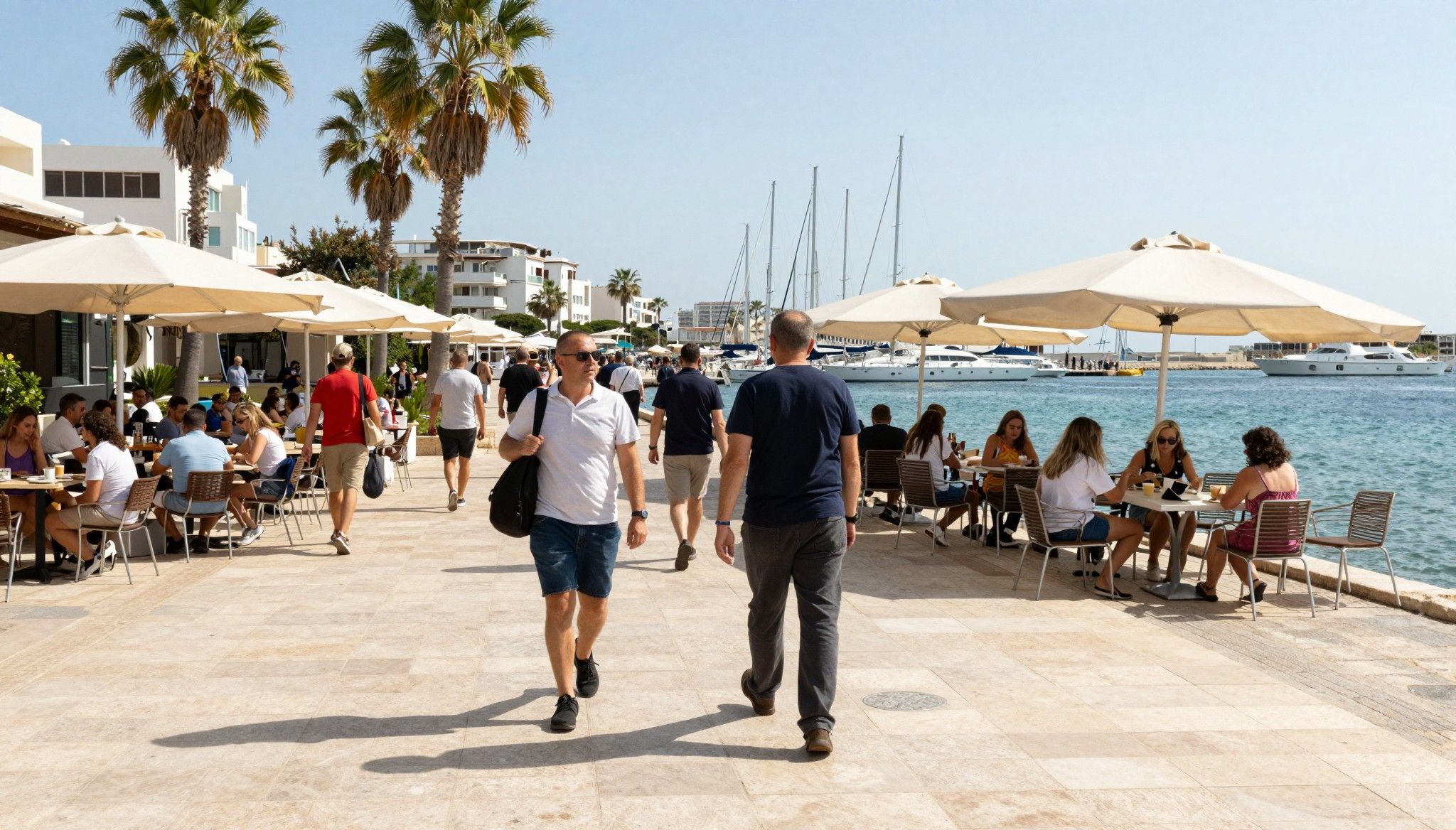
Imagine a morning in Limassol: espresso at Nea Agora market, a quick walk past sea-front apartments where shutters click open, and the steady hum of contractors finishing a boutique conversion. Cyprus feels like a place where life is lived outdoors — plazas, fish tavernas, late-night family meals — and that rhythm shapes what buyers actually need from a property. But in 2024–2026 the rules that tell you who can rent, how often you can list, and which buyers are welcome have changed enough to alter returns. This guide mixes the sensory of Cypriot life with the precise legal shifts you need to model into yield calculations.
Living the Cyprus life: what you’ll wake up to
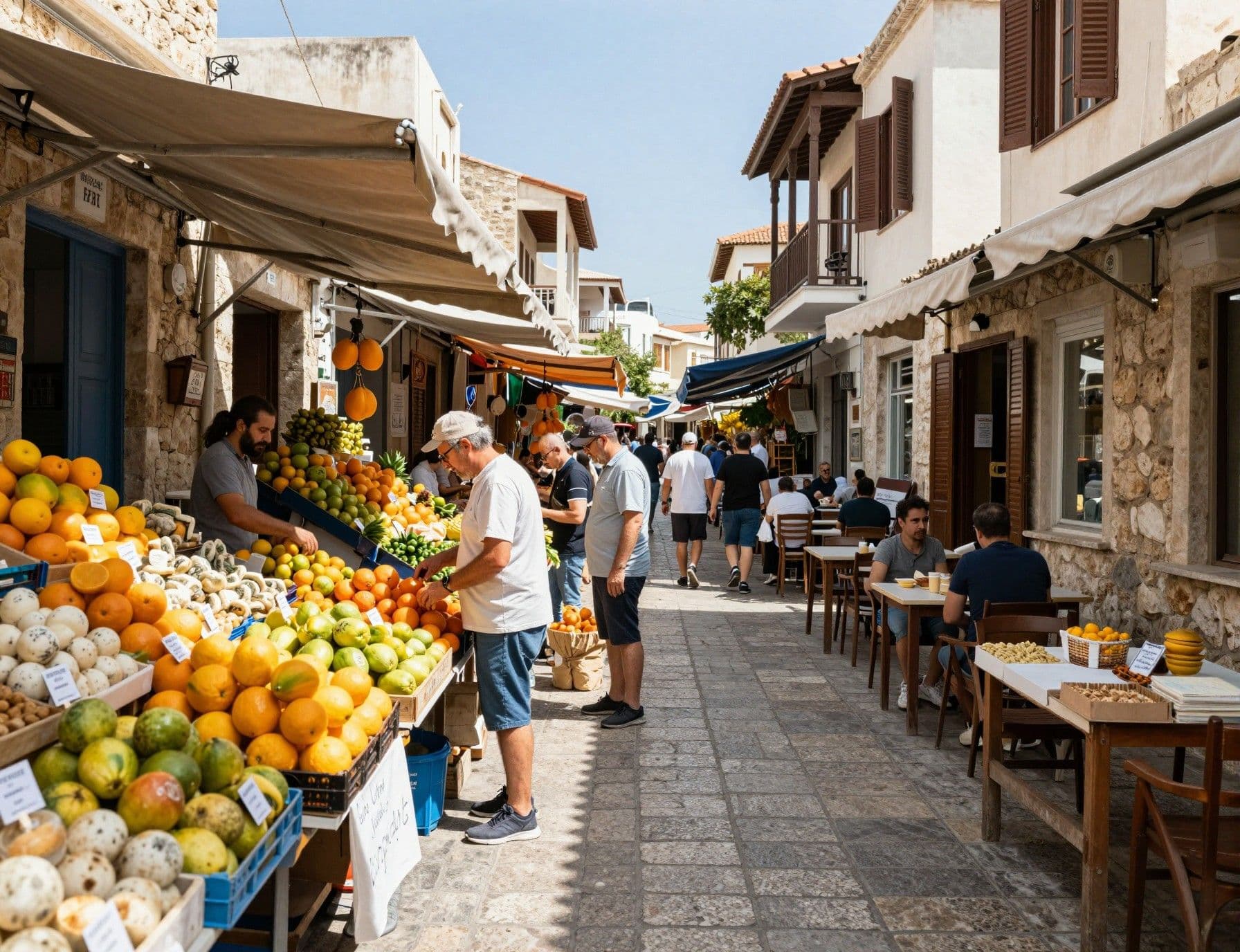
Cyprus is compact and varied: coastal promenades in Limassol, colonial lanes in Larnaca, quiet mountain villages in Troodos and the slow, old-town rhythms of Paphos. You’ll find cafés that open at dawn and close late, municipal markets with citrus and halloumi, and neighbourhoods where English is as common as Greek. For buyers this means properties that work as year-round homes or short-stay assets have different neighbourhood thresholds; proximity to a market, a bus route, or a municipal registration office can change occupancy and therefore net yield. Recently, authorities have required formal registration to operate short-term lets, which changes how a hospitality-oriented lifestyle property performs financially.
Neighbourhoods that actually match the dream
If you picture mornings on a terrace, consider Agios Tychonas or the Limassol marina strip where new-build apartments attract long-term professionals and short-let demand alike. In Paphos, Kato Paphos offers walkable archaeology, cafes and dependable tourist-season occupancy. For quieter authenticity, the village of Omodos in Troodos gives mountain-air weekends and a very different tenant profile: seasonal, longer stays, and renovation upside. Each pocket carries distinct tenant mixes and regulatory friction: coastal tourist cores will face the tightest short-term rental oversight, while inland villages attract tenants looking for longer-term leases.
Food, ritual and the rhythm that affects demand
Weekends are market days, summers are festival seasons and winters slow to a soft pace — these cultural patterns create predictable rental seasonality. Local tavernas, Sunday church gatherings and grape-harvest festivals concentrate demand for short visits in specific months, lifting peak nightly rates but compressing annual occupancy. That seasonality matters when you convert headline rates into net yields: a high summer ADR (average daily rate) loses value if the property is restricted from short-term listing or if registration is delayed. Recent statutory tightening of short-term accommodation registration aims to professionalise listings but imposes compliance that can delay revenue streams.
Lifestyle highlights you’ll want on a shortlist:
Limassol marina strolls and evening dining — strong year-round rental appetite for 1–2 bed apartments.
Kato Paphos old port — archaeology and coastal walks that support mid-season bookings.
Omodos and Troodos villages — renovation plays for longer-term tenants seeking calm and authenticity.
Making the move: practical considerations that change returns

Lifestyle fits the heart of the purchase, but taxation, registration and local rules define the returns. In the last two years Cyprus has clarified short-term rental registration, tightened enforcement and updated tax treatment for certain asset classes; investors should fold these items into net yield models rather than relying on pre-2023 assumptions. For example, registration delays for self-catering accommodation or municipal licence renewals will reduce available rental nights and increase holding costs. Accurate pro-formas now require adjusted occupancy assumptions and a compliance reserve for licence costs and inspections.
Property types and how regulation reshapes them
Short-term holiday apartments and villas used to deliver headline yields that assumed free, untethered listing on platforms. With the Register of Self-Catering Accommodation and enforcement actions, treat short-let income as conditional: calculate two scenarios (licensed short-let vs. licensed long-let). Apartments in regenerated seafronts retain liquidity but face stricter host compliance; village renovations command steady monthly rents but less upside on nightly rates. Build contingencies into your cap rate: subtract expected licence and compliance costs, and stress-test occupancy by 15–30% depending on the neighbourhood.
Working with local experts who bridge lifestyle and law
A broker who knows which municipal offices process short-let registrations, a lawyer who understands title peculiarities (especially for north/south differences), and an accountant who models the post-reform tax profile are non-negotiable. Agencies that can introduce you to local property managers and help pre-register a unit before it’s listed save both time and revenue. Ask agencies for three case studies showing they handled licence renewals and short-let registrations; if they can’t provide that, budget an extra 8–12% of first-year revenue to cover delays and reletting.
Steps to align lifestyle goals with compliant returns:
1. Choose neighbourhood by tenant profile (seasonal short-let vs. long-term rental).
2. Verify registration/licensing timelines with municipal and tourism authorities before contract exchange.
3. Model two income scenarios (licensed short-let and licensed long-let) and stress-test occupancy by 15–30%.
4. Include a compliance reserve (licences, inspections, admin) equal to 2–4% of gross rental revenue.
Insider knowledge: regulatory red flags and contrarian moves
A few quiet shifts have outsized effects: the north’s 2024 clamp-down on foreign acquisitions tightened how many units a foreigner can register and introduced investment thresholds; on the government-controlled south, enforcement of short-term rental registration has been the headline. These are not marginal compliance items — they change which asset class an investor should hold. The contrarian play: some buyers are moving away from headline tourist strips into transitional streets immediately adjacent to core tourism zones, where long-let demand and lower regulatory friction deliver steadier net yields.
What expats say they wish they'd known
Expats often tell the same cautionary tale: they fell for nightly-rate math without checking how quickly a unit could be legally listed. That delay — often bureaucratic and municipal — converted projected yields into underperforming assets in the first 12 months. Others underestimated the importance of property management that understands seasonal maintenance cycles and municipal inspections. The pragmatic response is simple: assume regulatory friction from day one and choose properties where dual-use (short and long-let) is practical.
Long-term considerations that protect lifestyle value
Over a five- to ten-year horizon, investments that balance lifestyle appeal with regulatory resilience outperform pure-play holiday homes. That means prioritising good title, proximity to public services, and buildings with straightforward compliance histories. Think in portfolio terms: one small coastal unit for seasonal upside balanced by a village-renovation or city-flat that attracts stable long-term tenants. This mix cushions against policy swings while keeping the lifestyle you bought the property to enjoy.
Regulatory red flags to watch:
Unregistered short-let units or missing municipal approvals — these can block income until rectified.
Unclear title or disputes over north/south ownership — high legal risk and poor liquidity.
Developments without evidence of past licence renewals — expect extra inspections and costs.
Conclusion: fall for the life, underwrite for the rules
Cyprus sells a lifestyle — luminous mornings, seafood suppers, and a neighbourly pace — that’s easy to fall for. But the investment that converts that lifestyle into reliable returns is the one that accounts for regulatory timelines, licence cost, and local compliance risk. Start by modelling two yield scenarios, insist on an agency or lawyer with demonstrated registration experience, and budget a compliance reserve. If you do, you can enjoy the terrace and keep the numbers honest.
Swedish financier who guided 150+ families to Spanish title deeds since relocating from Stockholm in 2012, focusing on legal and tax implications.