Italy: How Neighbourhood Rituals Become Rental Yield
Italy’s lifestyle scenes — from Trastevere cafés to Amalfi summers — shape rental demand; match neighbourhood rituals to yield models and compliance for reliable returns.

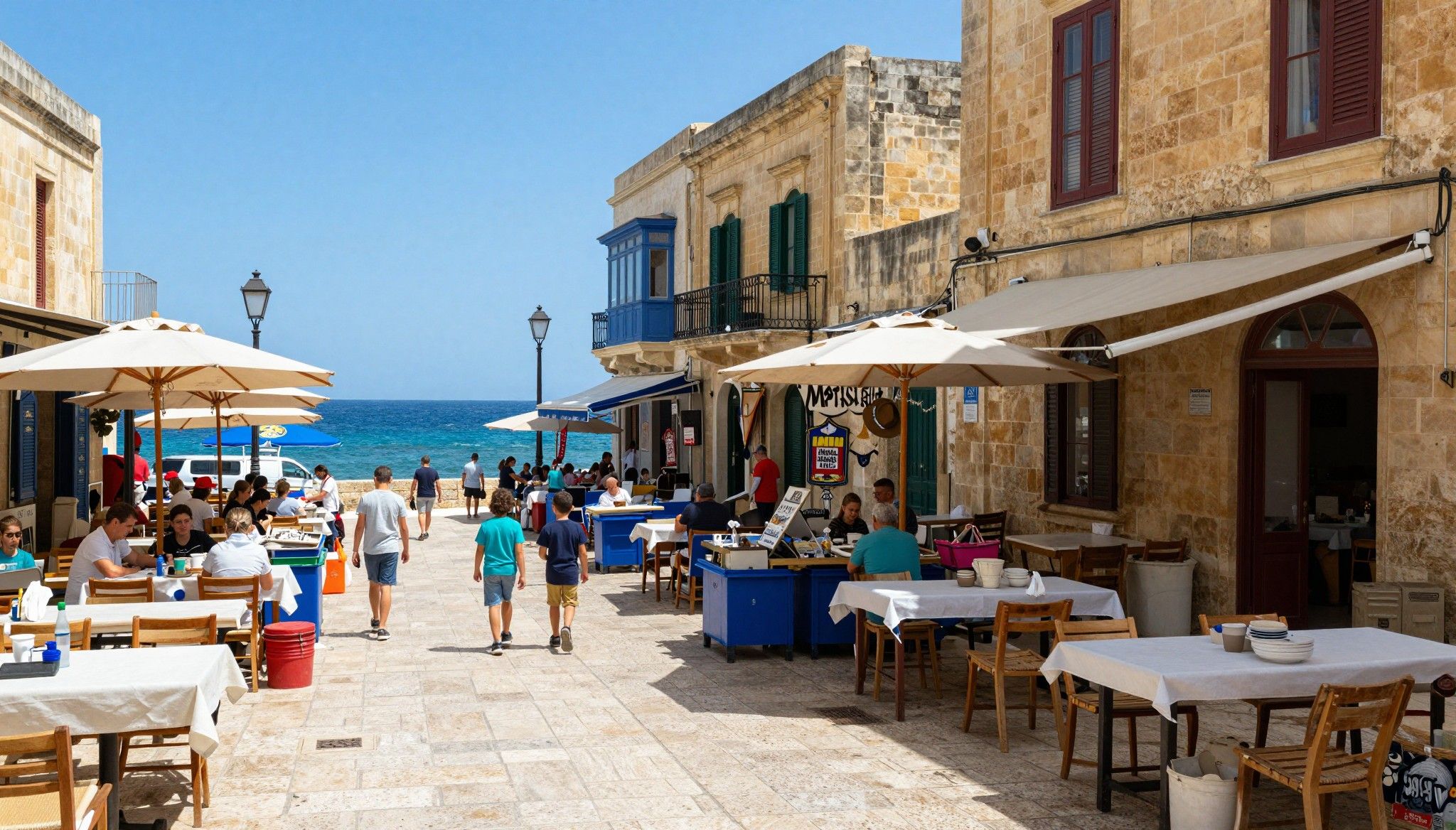
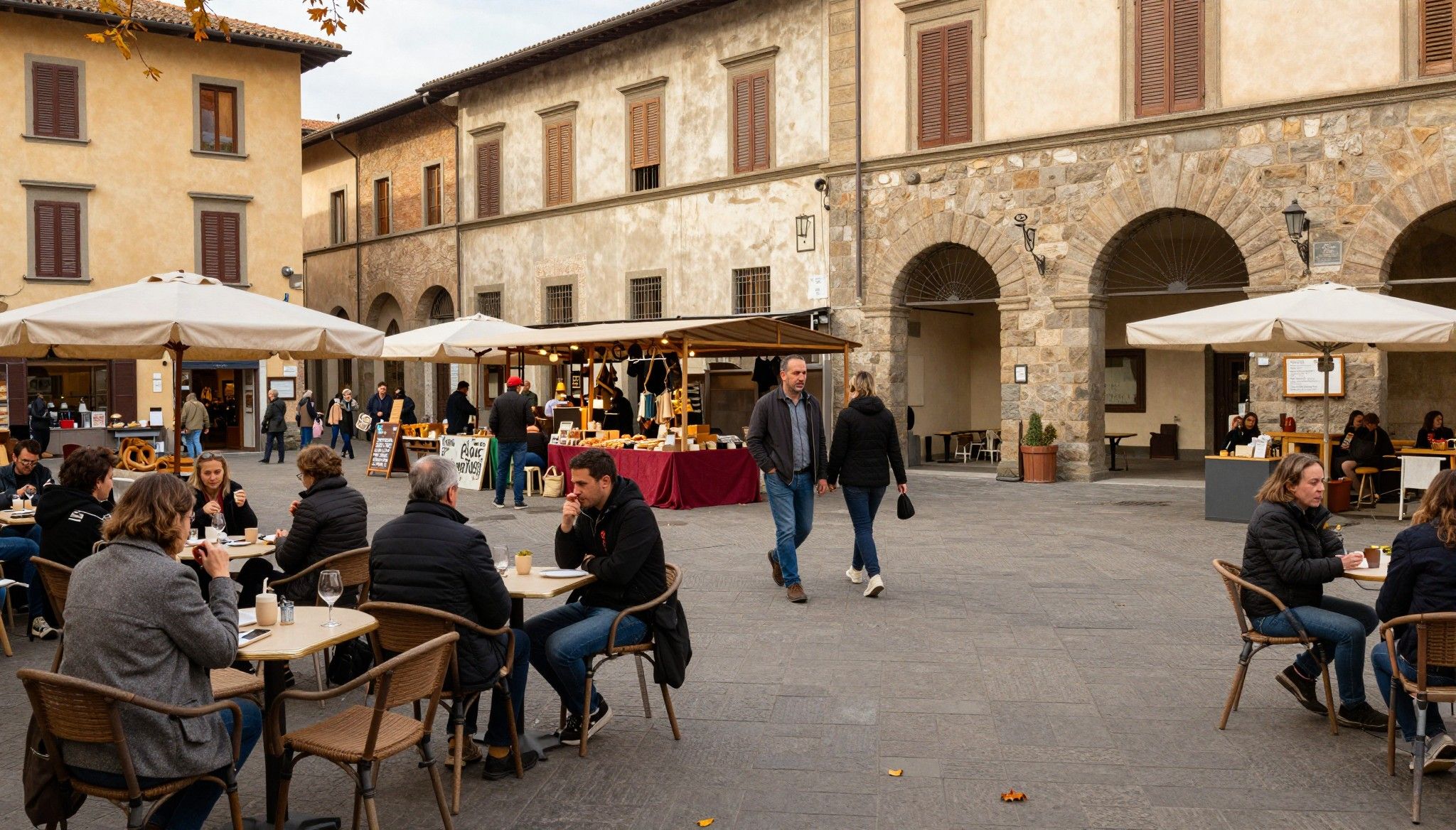
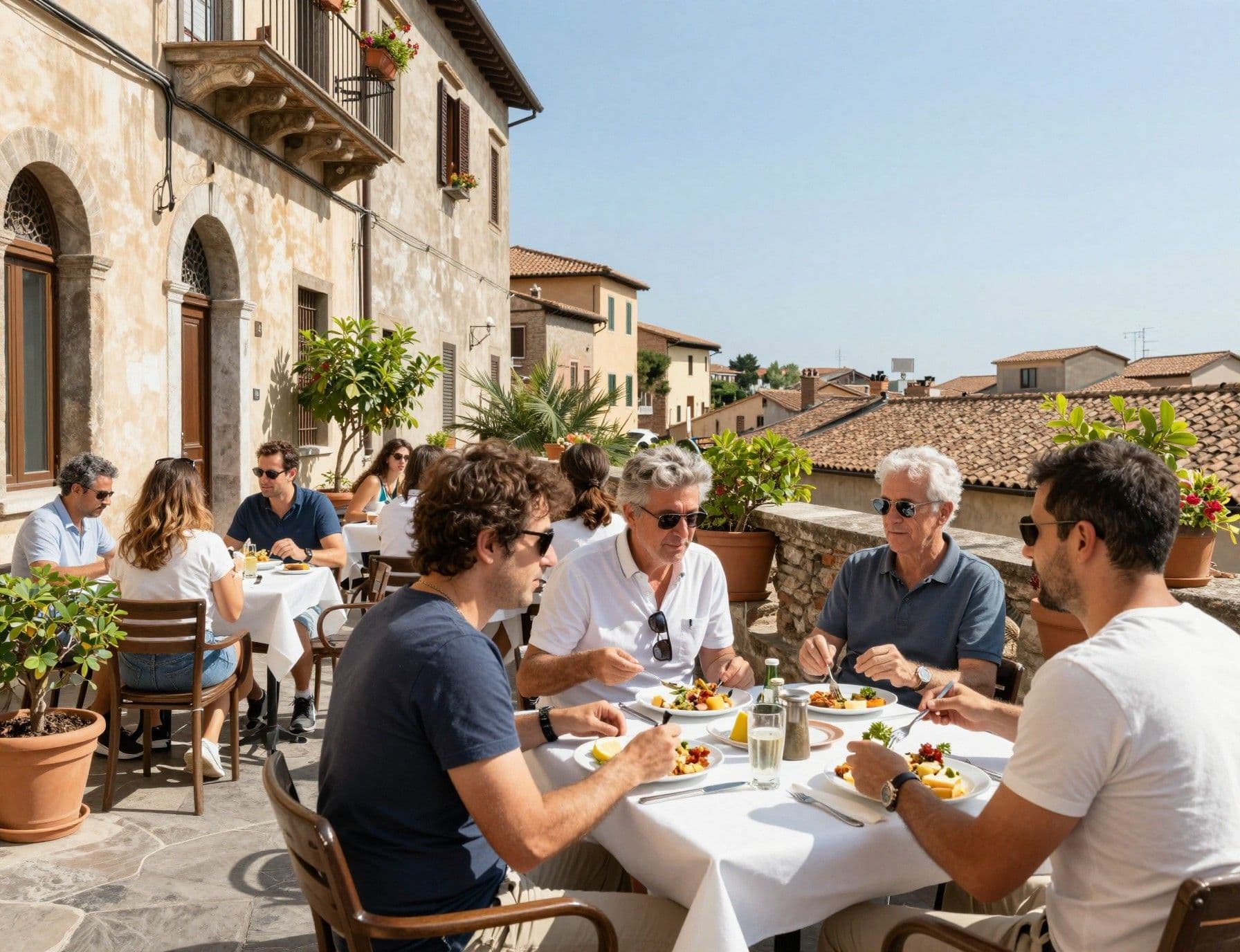
Imagine an early-morning piazza in Siena: espresso steam, bakers stacking warm ciabatta, and a pensione owner sweeping the stone steps while a delivery driver zips off on a Vespa. That sensory rhythm — food markets, weekday aperitivi, trains that still smell faintly of diesel — explains why so many renters and short‑stay visitors choose Italy. For investors, the romance translates into measurable rental demand spikes in heritage centres and tourist corridors, but with distinct micro‑market variability. Below I unpack the lived experience first, then the practical rental logic that turns neighbourhood atmosphere into yield.
Living the Italy lifestyle — daily life that rents
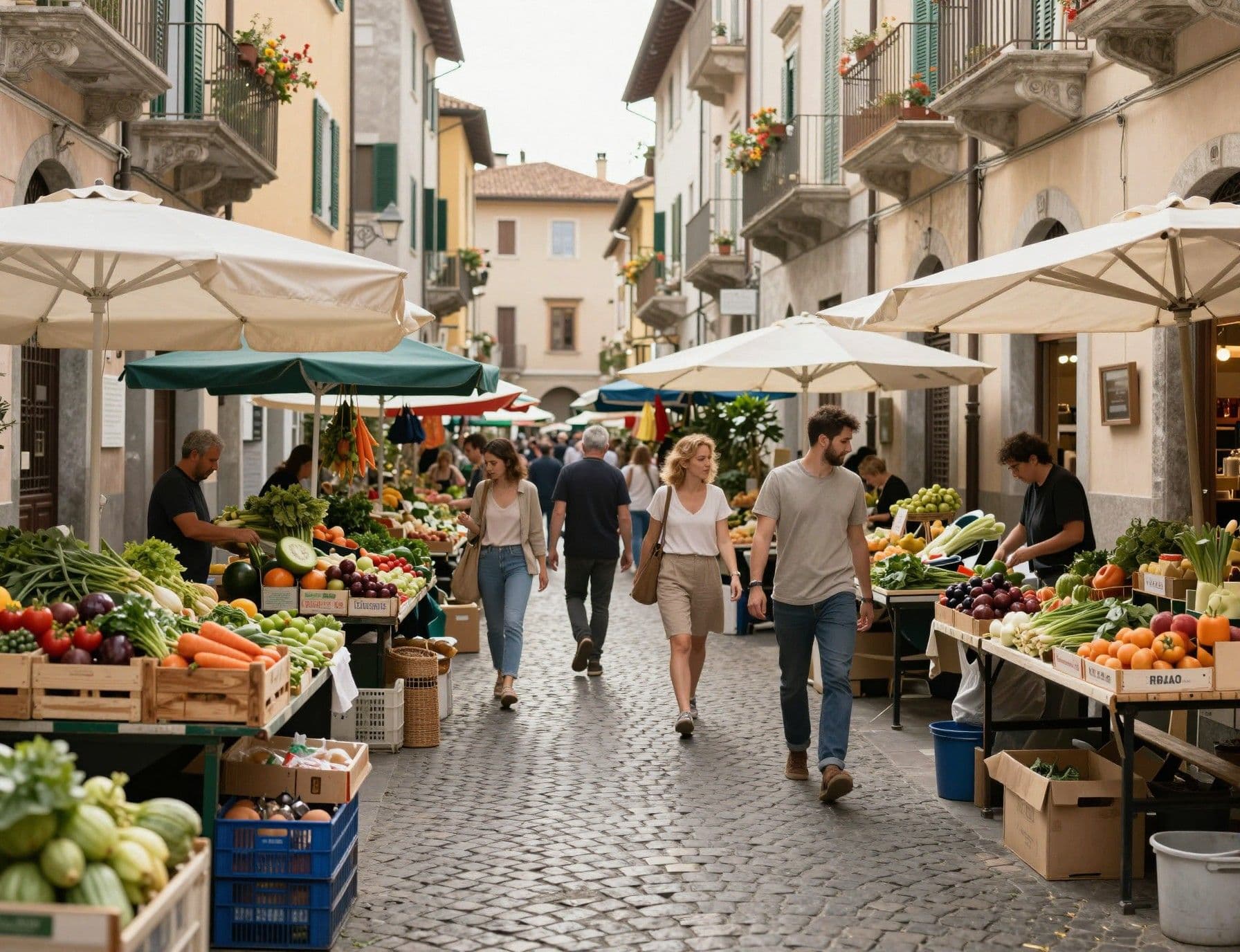
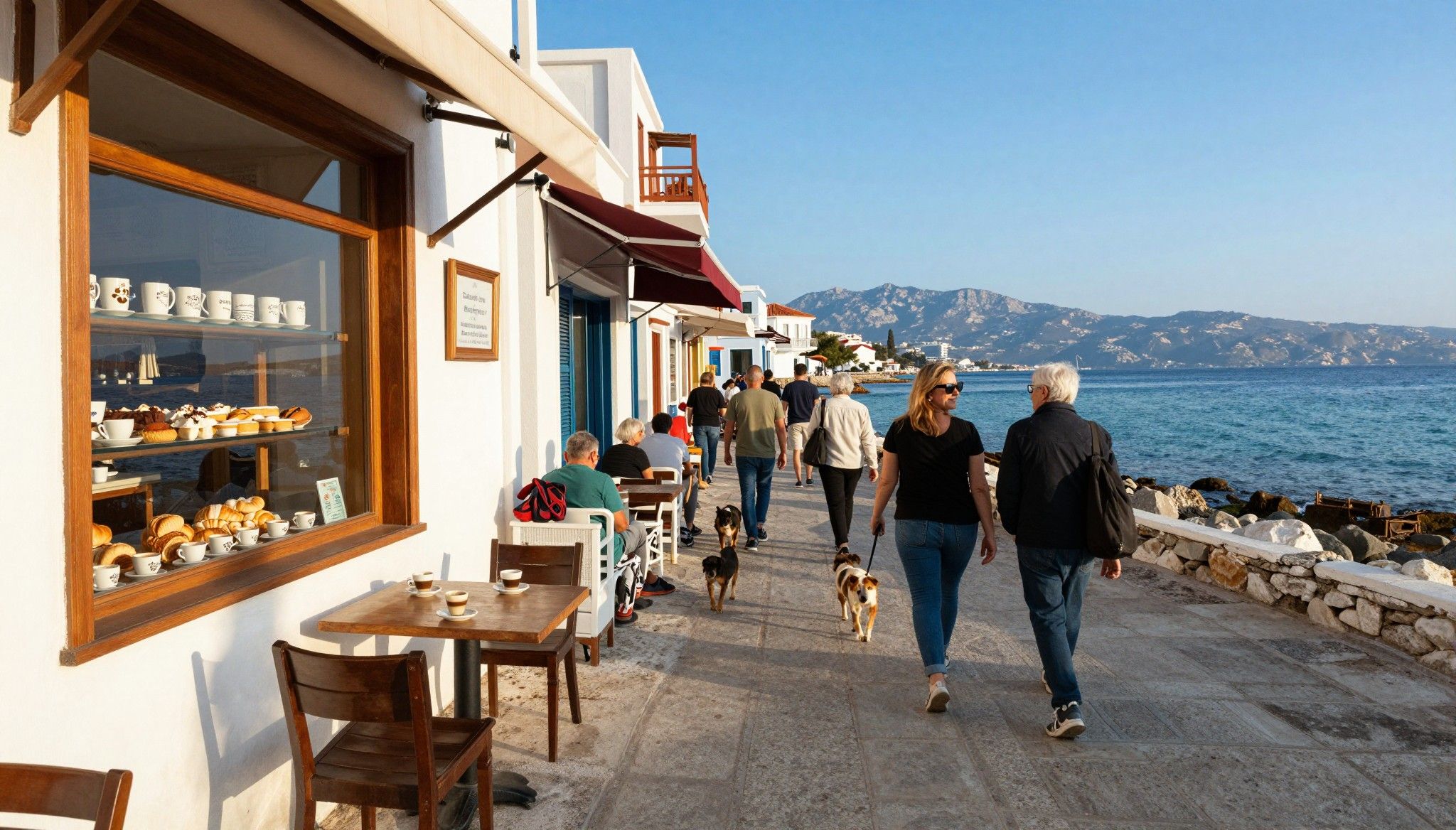
Daily life in Italy combines small rituals with seasonal spectacle: weekday cafés around Corso Buenos Aires in Milan, weekend markets in Mercato Centrale Firenze, and coastal barbecues along Liguria’s promenades. Those rituals create predictable rental demand rhythms: business-week corporate lettings in Milan, short‑term leisure in Venice and Amalfi, and longer seasonal stays in Tuscany and Sardinia. National tourism numbers support this: ISTAT reported strong tourist nights and a continued recovery in 2024, which feeds leisure rental demand in prime zones. Understanding which local ritual drives footfall will determine whether a property becomes a stable long‑term let or a high‑volatility short‑let play.
Neighborhood spotlight: Trastevere, Rome — lived‑in history
Picture narrow cobbled lanes, trattorie with chalkboard menus, and expat bookshops squeezed between medieval facades. Trastevere’s rental appeal is its day‑to‑night economy: students and young professionals sustain long‑let demand, while weekends pull short‑stay tourists. For investors, that mix offers diversification — combine a furnished 1‑bed targeting young professionals with occasional short lets during festival weekends to optimise utilisation without over‑exposing to seasonal swings.
Food, markets and seasons: when lifestyle drives occupancy
Markets and festivals are not decorative extras — they change occupancy curves. Food markets in Bologna and Palermo, harvest festivals in Piedmont, and opera seasons in Verona all generate concentrated demand windows. The Bank of Italy’s market surveys point to rising demand for rental properties in areas with hospitality services and good local offer, meaning lifestyle infrastructure materially affects vacancy and achievable rent. When you map lifestyle events to occupancy, you can forecast peak months and set dynamic pricing with more confidence.
- Lifestyle highlights that directly bolster rental potential: • Morning markets: Mercato di San Lorenzo (Florence), Mercato Centrale (Rome) draw day visitors and renters. • Food scenes: Trastevere (Rome), Navigli (Milan) and the Oltrarno (Florence) attract longer stays. • Coastal seasons: Amalfi Coast, Cinque Terre and Sardinia drive high‑rev short lets in summer. • Cultural calendars: opera in Verona, Venice Biennale, and Palio di Siena spike demand. • Transport hubs: properties near Roma Termini or Milano Centrale capture business travellers. • University districts: Pisa and Bologna deliver steady student lets year‑round.
Making the move: practical considerations that preserve yield
Dreams meet spreadsheets when you translate street‑level charm into cap rates and net yields. Market‑level gross yields in Italy vary widely by city and segment: recent compilers show apartment gross yields commonly between 5–9% depending on city and unit size, with peripheral tourism towns often higher but more volatile. Price per square metre, building quality, and allowable short‑term use determine net returns once fees, management, and vacancy are included. Layering local rental rules and occupancy seasonality on top of these figures reveals the real risk‑adjusted yield.
Property styles and how they rent
Historic centro apartments command premium per‑night rates but suffer higher maintenance and stricter refurbishment rules. Modern apartments near rail or business districts yield steadier long‑term occupancy with lower turnover costs. Country villas in Tuscany offer seasonal premium weeks and higher capital upside but require active management and insurance budgets. Choose property style to match target demand: students and professionals need proximity and basics; tourists demand character and convenience.
Work with local experts who know both lifestyle and compliance. Short‑term letting in Italy has fiscal and municipal layers — from registration requirements to tourist taxes — and missteps can erase a year of gains. Use an agent who pairs market taste (which neighbourhood fits your guest profile) with a fiscal advisor who handles VAT, cedolare secca (optional flat tax on residential rentals), and STR reporting. That combination protects yield without sacrificing the lifestyle positioning that attracts tenants.
- A practical, lifestyle‑aware checklist for purchase and initial letting: 1. Map demand: overlay ISTAT visitor flows with local transport and events. 2. Run a net yield model: include management (8–12%), vacancy (5–25%), and capex reserves. 3. Check use rules: verify municipal short‑term rental permits and condominium rules. 4. Inspect infrastructure: proximity to train, market, and grocery alters occupancy. 5. Choose an agency and manager: one for acquisition, one for operations with local tenant insight. 6. Pilot furnished letting for 6–12 months to validate pricing before long leases.
Insider knowledge: what expats wish they’d known
The biggest surprise for many foreigners is how local customs and seasonal life affect occupancy stability. Village life empties in August in much of Italy, shifting demand to coastal resorts and international airports. Conversely, university towns and business centres maintain steady bookings outside peak tourist months. ISTAT’s 2024 flows underscore this uneven geography of demand — the macro picture is strong, but the micro picture is everything for returns.
Cultural integration and tenant relations
Language and local norms shape tenant screening and dispute resolution; a manager who speaks Italian and knows condominium rules is indispensable. Many expats underestimate how quickly a tight‑knit building community enforces quiet hours or guest limits, which can limit short‑term let operations. Invest time in learning practical phrases and local etiquette — it reduces friction and preserves both yield and the on‑the‑ground lifestyle you bought into.
Long‑term lifestyle sustainability
Look beyond current demand to community resilience: ageing populations in many hill towns can lower domestic demand, while improved connectivity (rail upgrades, regional airports) can reprice areas rapidly. Consider energy efficiency and renovation costs in heritage properties — they affect net yield and tenant appeal over a ten‑year horizon. A property that supports a lived‑in lifestyle (usable balcony, good kitchen, reliable heating/cooling) outperforms one sold on postcard views alone.
Conclusion — live the life, own the numbers. Italy offers a mosaic of lifestyle pockets that convert to rental demand when matched to the right product and management. Use national tourism and yield data to identify opportunity corridors, but validate with hyperlocal checks: event calendars, transport timetables, and condominium rules. If you want the art of piazza life plus the science of yield, work with an agent who measures walkability, event frequency, and short‑term regulation as carefully as they price the square metre.
Swedish financier who guided 150+ families to Spanish title deeds since relocating from Stockholm in 2012, focusing on legal and tax implications.