Buy the Connection, Not Just the View
Malta’s charm is compact — buy for micro‑location and connectivity, not just sea views. Combine lifestyle desire with RPPI, transport links and title checks to protect returns.
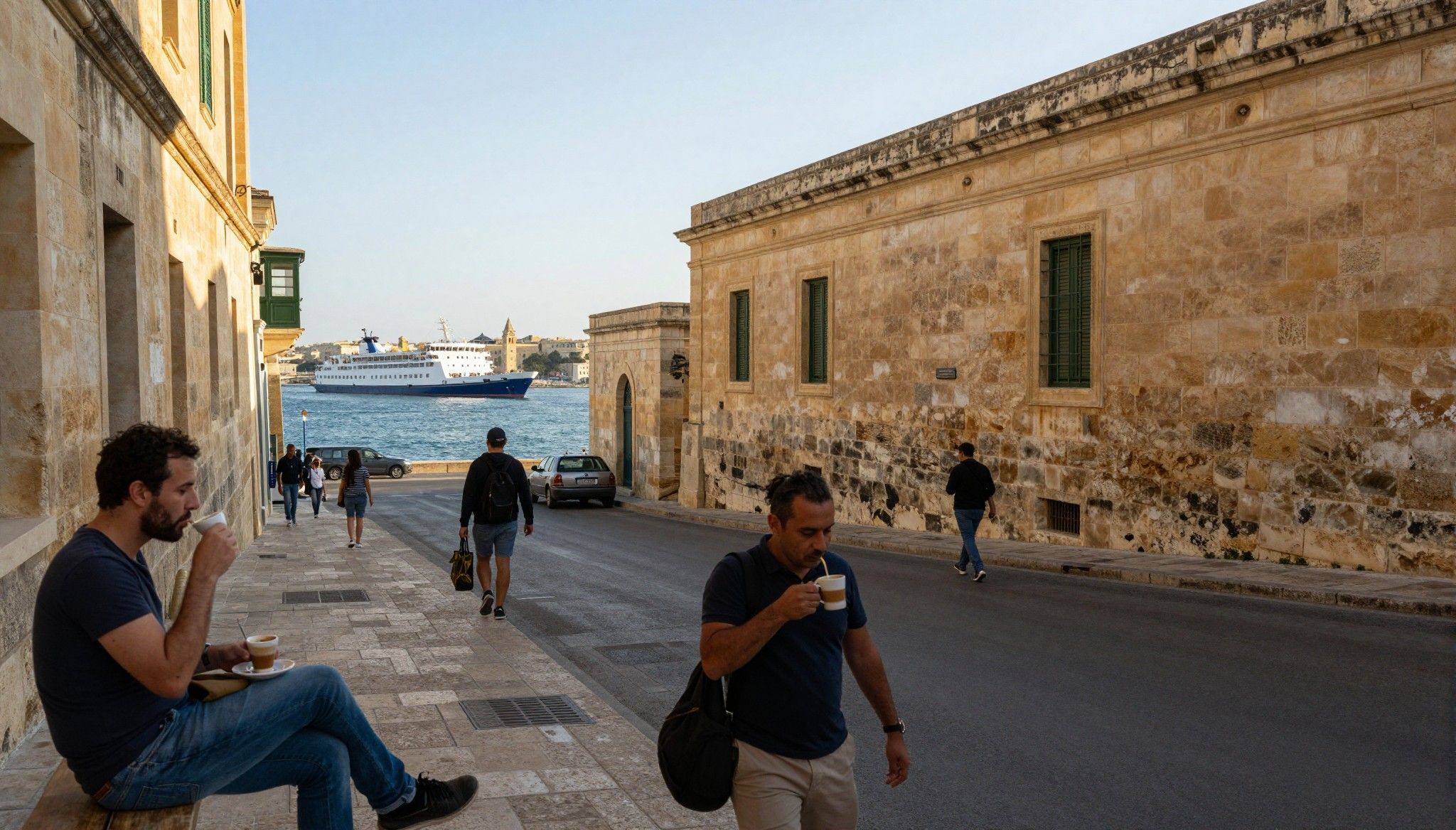
Imagine stepping out at dawn in Valletta, espresso in hand, the limestone streets still warm from the previous day. Malta moves at Mediterranean scale: compact, noisy in pockets, quiet on the cliffs. For international buyers this smallness is an asset — every commute, café and coast is measurable — but it also concentrates risk: transport, utilities and a handful of infrastructure projects shape neighbourhood values more than in larger countries. Recent data show price growth and rising rents, yet the real lever for future returns in Malta is connectivity — both physical (roads, ferries, airport access) and institutional (planning, licensing, digital services).
Living the Malta lifestyle
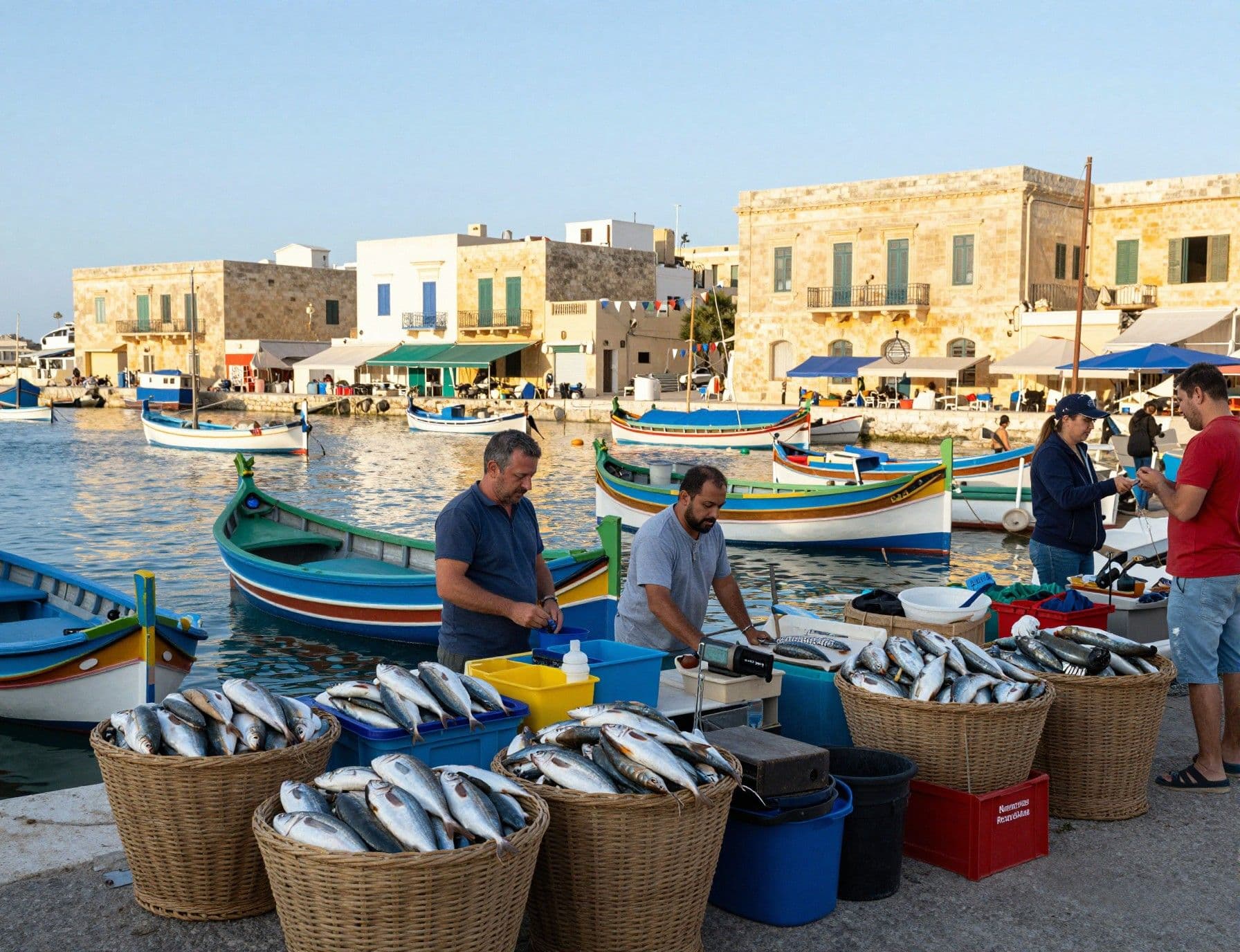
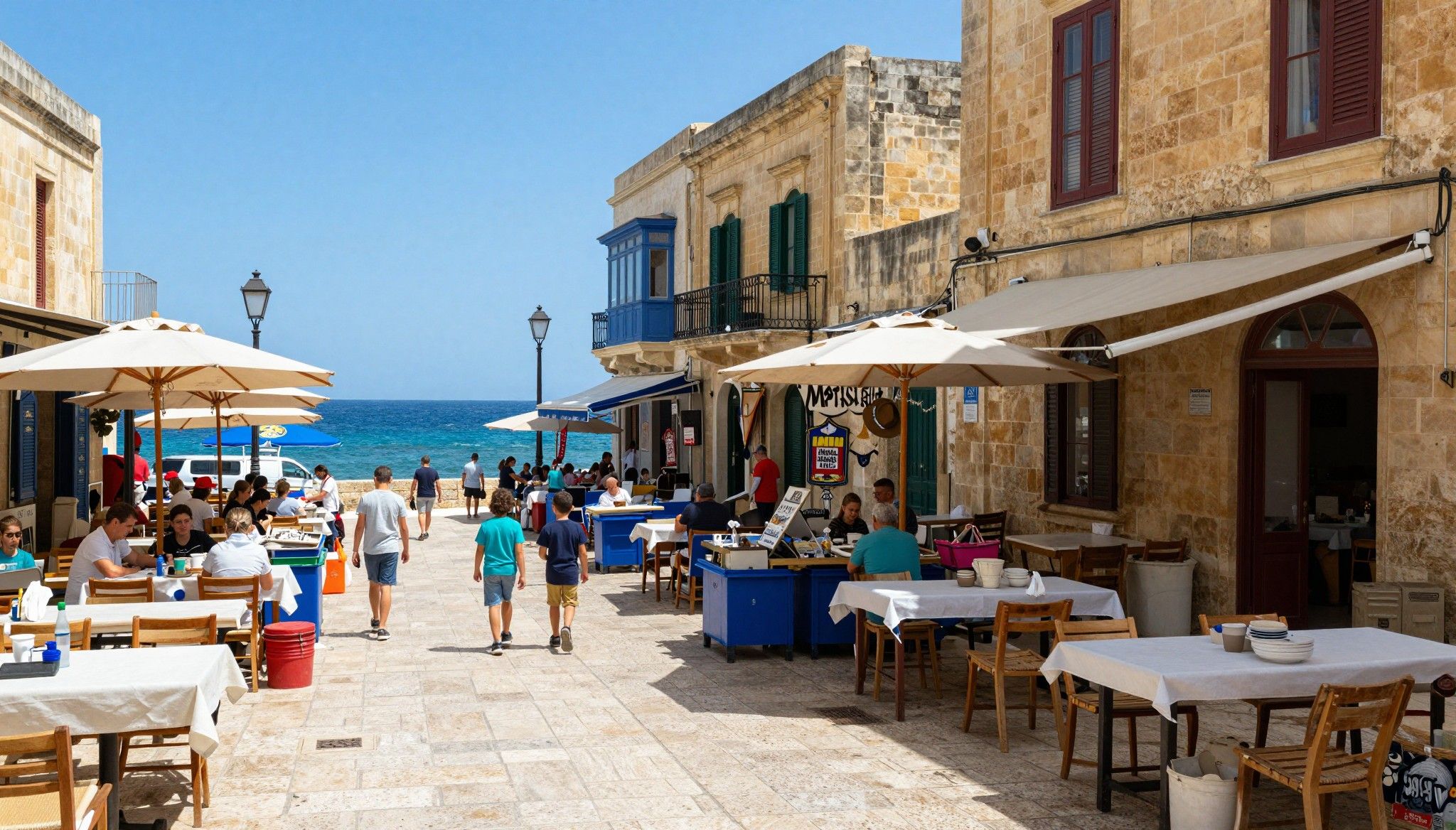
Living in Malta feels like living inside a curated village of villages. Mornings belong to small bakeries on Triq ir-Repubblika in Valletta or the coffee crowd on Sliema’s seafront. Afternoons drift to rocky swims at St George's Bay or a late lunch of lampuki pie in Marsaxlokk. For buyers, that density means a property’s micro‑location — the block, the stairwell, the rooftop access — matters as much as gross square metres.
Neighborhood spotlight: Valletta, Sliema & St Julian's
Valletta is historic scale and short-term-stay demand; small apartments there attract premium nightly rates but limited long‑term yields. Sliema offers stronger year‑round rental demand from professionals and families, supported by ferries and the seafront promenade. St Julian's — especially Paceville-adjacent pockets — captures nightlife tourism and serviced-apartment demand but comes with noise and transience that can compress long-term capital growth.
Food, weekends and community rituals
Weekends are market-driven: fish at Marsaxlokk, street festivals in Rabat, or family barbecues on Gozo. Expats find community in English-language book clubs, the International School circuits and coworking hubs in Ta' Xbiex. These social anchors matter for rental demand: neighbourhoods with regular markets and reliable public spaces see steadier mid‑term occupancy.
- Lifestyle highlights: - Morning espresso on Republic Street (Valletta) and a ferry commute to Sliema - Sunset swims at Għajn Tuffieħa and St. Peter’s Pool - Sunday fish market in Marsaxlokk - Ta' Xbiex and Pietà coworking hubs for remote professionals - Local festa culture: streets closed, community clustering
Making the move: practical considerations
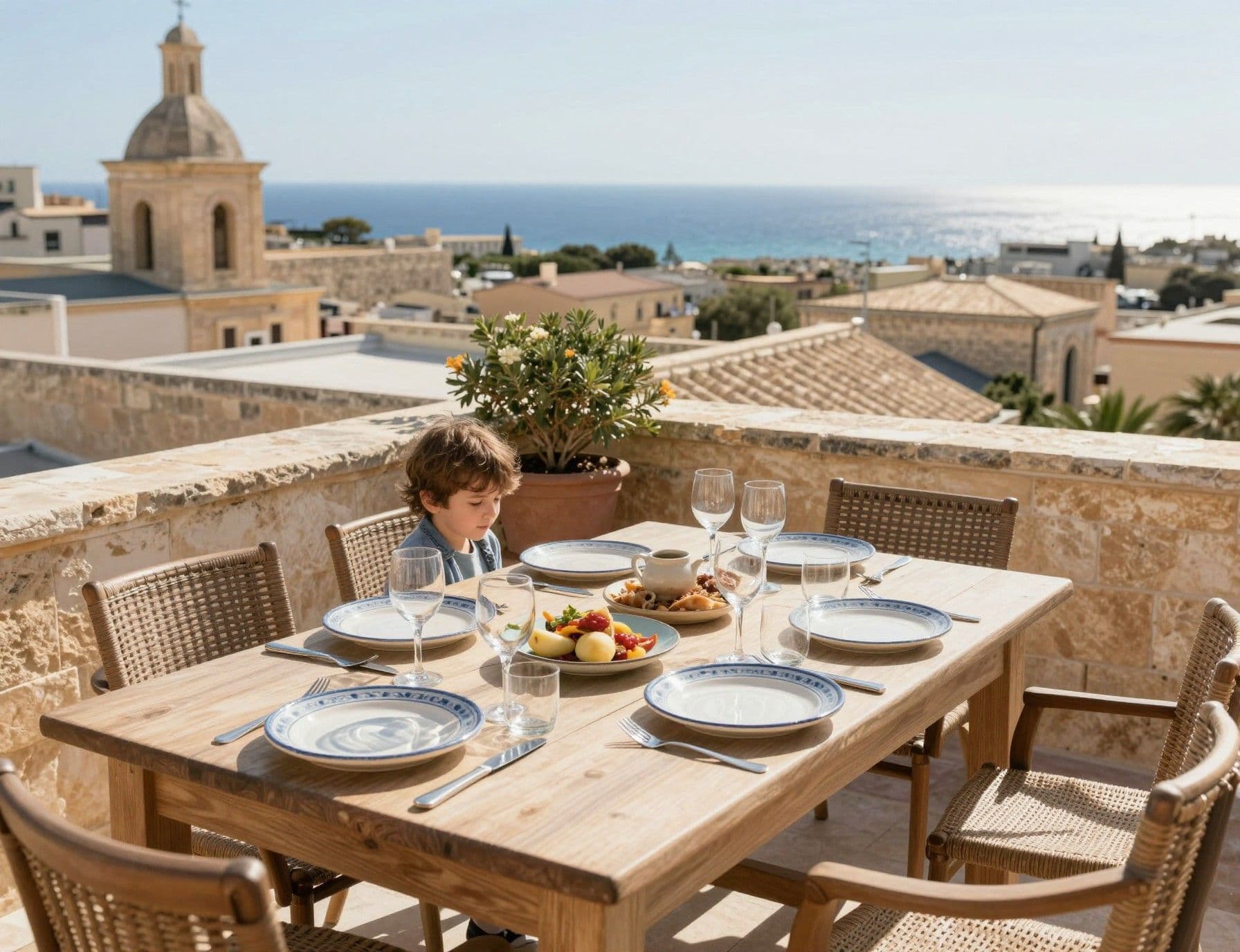
The dream — a terrace overlooking the sea — meets a constrained supply equation. Malta’s small land area and steady inward demand have driven price indices up in recent years; the National Statistics Office and Central Bank data show consistent residential price increases and rising transaction volumes. For buyers this means two linked tasks: match lifestyle priorities to micro‑market liquidity, and quantify connectivity risk — how planned roads, ferry routes or airport capacity changes will affect resale and rental markets.
Property styles and how you'll actually live
Traditional ‘maisonette’ homes and townhouses in older villages offer roof deck living and short-term rental appeal but often require structural upgrades. New-build apartments deliver modern amenities and predictable maintenance — important for professional landlords — but can cluster in less characterful areas with lower nightly premiums. Choose by tenancy profile: short-stay vs long-term professionals vs family letting.
Working with local experts who know the network
Local agencies are gatekeepers to micro‑market knowledge: planning approvals, habitual flood points, and building histories. Use licensed agents who can produce evidence of comparable rents and recent promise-of-sale registrations. Experienced lawyers and surveyors are essential because renovation permissions, roof ownership and party-wall agreements materially affect total cost of ownership.
- Practical checklist for buyer readiness: 1. Verify RPPI trends for your target neighbourhood and compare advertised vs transaction prices. 2. Map transport links (ferry, bus routes, main roads) and note any planned infrastructure upgrades. 3. Commission a structural survey focused on seepage, limestone repairs and roof ownership. 4. Get three rental comparables for both long-term and short-stay scenarios. 5. Confirm licensing needs for short-term letting; enforcement is active in central zones.
Insider knowledge: what expats wish they'd known
Expats often underestimate the operational side of Maltese life. Noise from festas, limited parking, and scheduled utility works are routine. Equally, the island's size amplifies both upside and downside: a new ferry line or a municipal piazza renovation can lift a street’s desirability quickly, while a permitted block redevelopment nearby can reduce rental demand for years.
Cultural integration and daily rhythms
English is an official language and ease of integration is high, but local networks still matter. Attend a festa, meet the bar owner, learn which council handles building permits. These relationships speed approvals, help find reliable contractors and protect rental income during slow seasons.
Long-term lifestyle and value drivers
Value in Malta is driven by three durable factors: constrained land supply, tourism and services-led economic growth, and infrastructure decisions (sea links, airport throughput, digital connectivity). For investors, prioritise micro-locations with consistent year-round demand — nodes near Ta' Xbiex, Sliema promenade, or well-served Gozo harbours — and stress-test yields against a 10–20% drop in short-term demand.
- Red flags and practical mitigations: - Overpriced advertised listings vs actual transaction data — insist on comparable sales. - Buildings without documented roof ownership — get title clarity. - Areas dependent on seasonal tourism — favour mixed-tenancy demand. - Limited public transport in some villages — check commute times during peak hours.
Conclusion: Malta compresses lifestyle and investment signals into short distances. That makes good research more potent here than in larger markets. Fall for the morning markets and limestone terraces, but buy for transport nodes, rooftop rights, and verified rental demand. Work with local agents who show hard comparables, insist on surveys, and map planned infrastructure before you sign. Do that and Malta’s charm becomes an investable, measurable asset, not just a postcard.
Norwegian market analyst who relocated from Oslo to Mallorca in 2016, guiding Northern buyers through regulatory risk, currency hedging, and rentability.