Cyprus: Where Lifestyle Choices Meet Market Maths
Blend Cyprus’s sun-soaked lifestyle with RPPI-backed market data to align emotional buys with realistic yields and seasonality-aware investment strategies.
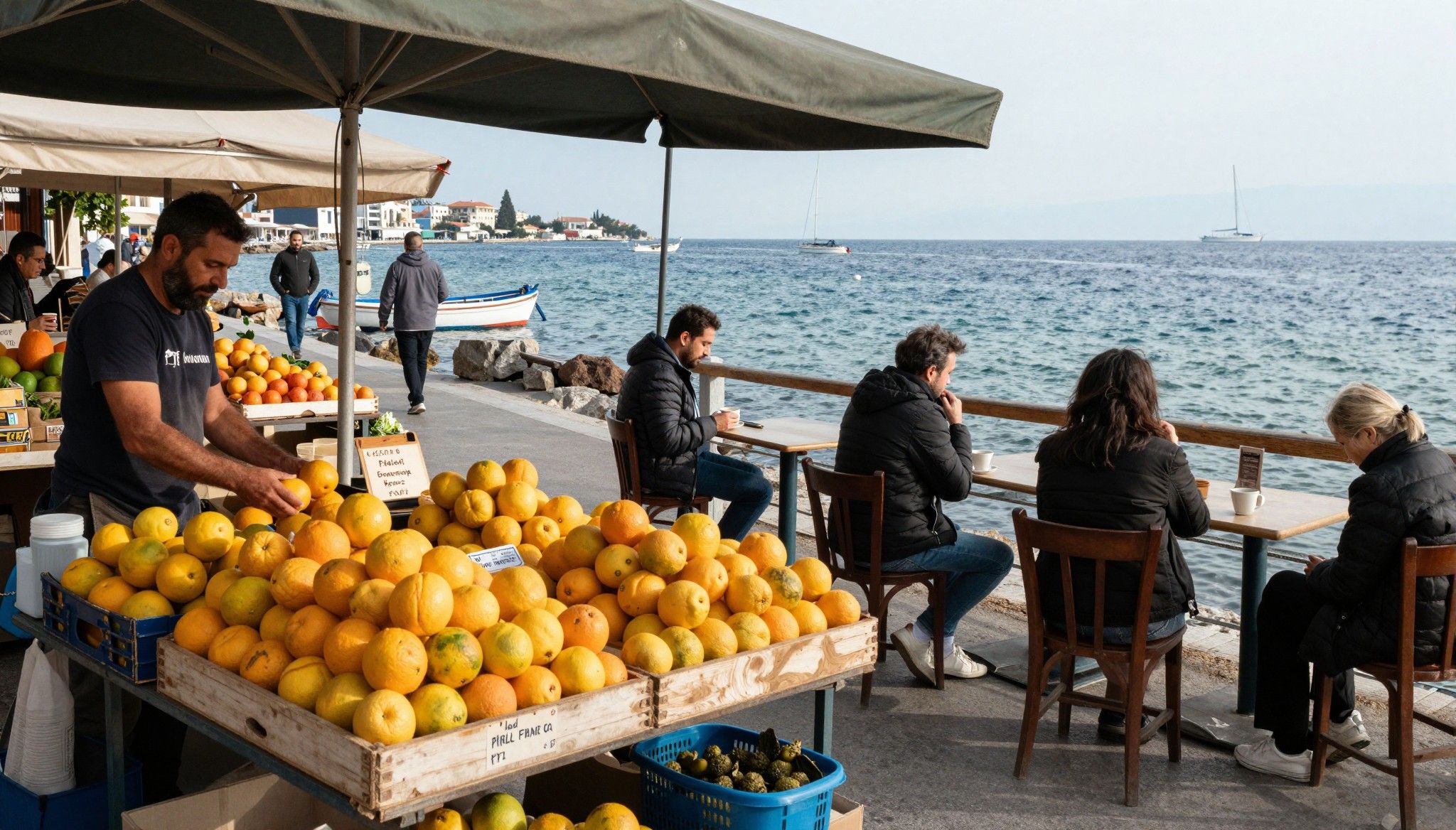
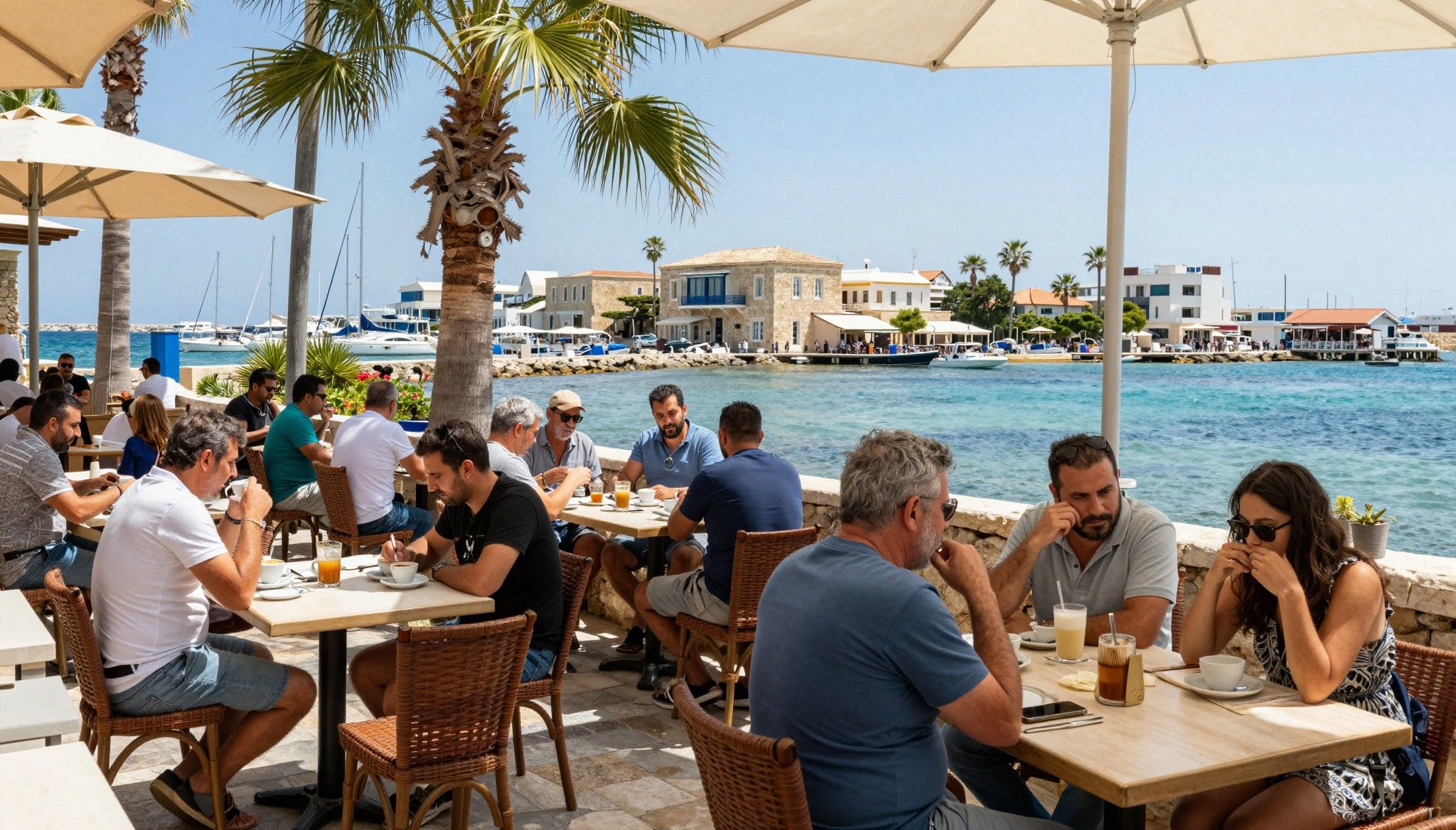
Imagine waking up to the smell of strong Cypriot coffee, a short walk to a sun-warmed promenade and a neighbourhood where a mix of yachting professionals, remote workers and long‑term locals overlap. Cyprus sells that Mediterranean fantasy easily — but for investors the real question is how the island’s lifestyle maps to measurable returns. This guide blends the island’s sensory pull with hard market data so international buyers can match feelings with facts.
Living the Cyprus Lifestyle: sun, streets and seasonal rhythms
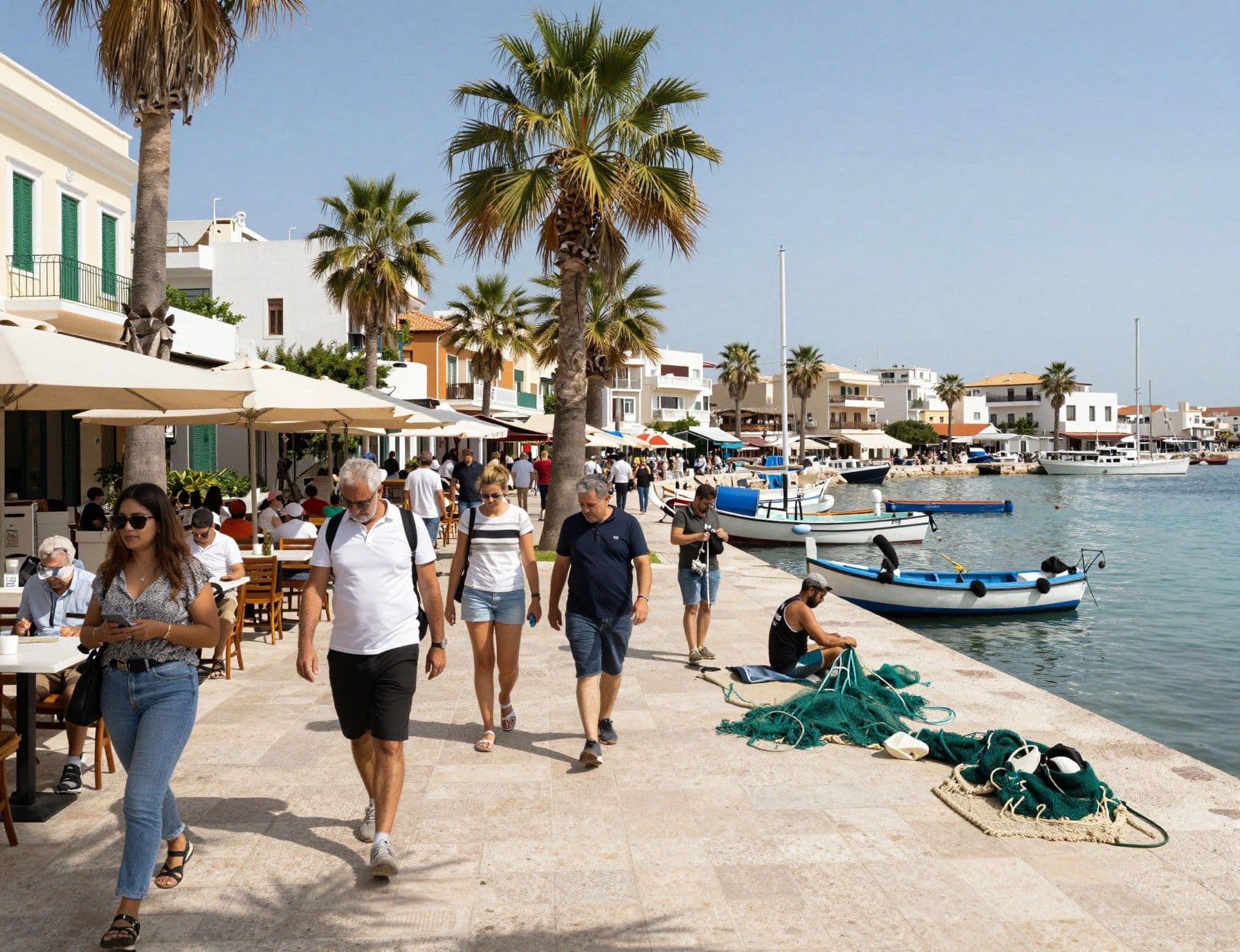
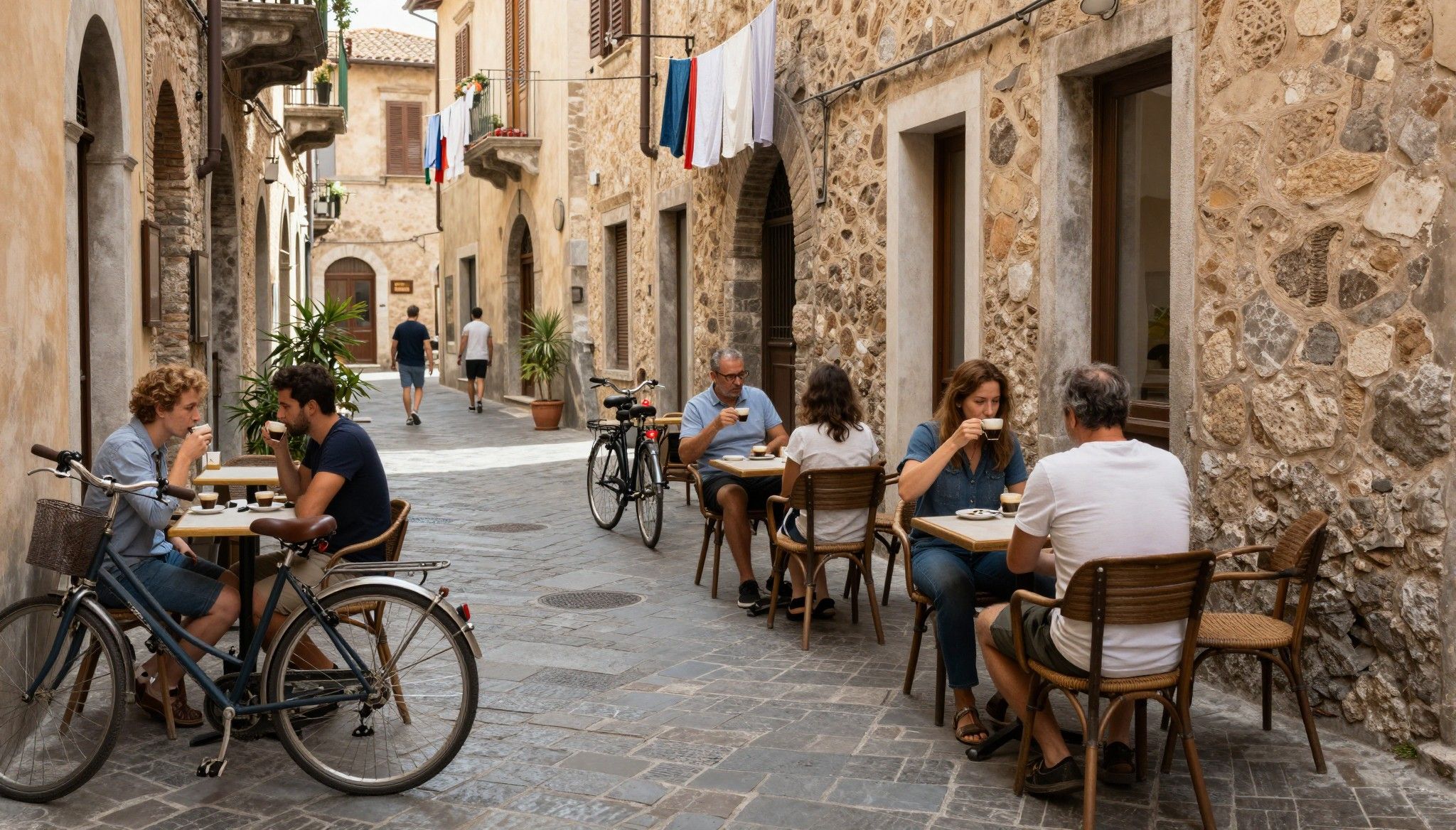
Cyprus lives at a relaxed, sunny pace: mornings in neighbourhood bakeries, slow lunches by the sea, and evenings at small squares where music drifts from tavernas. Coastal towns such as Limassol and Paphos pulse with tourism but also sustain year‑round residents; Nicosia offers a steadier urban market with public services and schools. These lifestyle patterns underpin demand cycles — holiday rental spikes in summer and stable long‑term rental in winter — which directly affect gross yields and vacancy assumptions. Recent industry reports show continued residential price growth, driven by domestic demand and limited new land supply near prime coasts.
Limassol & its neighbourhoods: old port, Germasogeia, Agios Tychonas
Limassol is Cyprus’s commercial heartbeat: the Old Port and Molos promenade hum year‑round, Germasogeia carries the tourist strip and Agios Tychonas holds villa stock for buyers prioritising privacy. The result is a clear price gradient: seafront apartments command materially higher €/m² and stronger short‑term rental cashflows, while inland suburbs like Ypsonas offer lower entry prices and more conservative yields. For lifestyle buyers who also want rental upside, targeting transitional neighbourhoods that balance walkability and lower purchase prices often produces the best risk‑adjusted outcomes.
Paphos & Larnaca: slower pace, different return profiles
Paphos trades on lifestyle authenticity: historic Kato Paphos, coastal promenades and villages like Tala create demand among retirees and long‑stay tourists. Larnaca offers airport access and affordability, making it attractive for residents who commute or work remotely. These markets tend to show slightly higher gross yields than Limassol on smaller units, but slower capital appreciation historically — a trade‑off investors must weigh when aligning income versus growth objectives.
Making the move: tying lifestyle choices to market realities
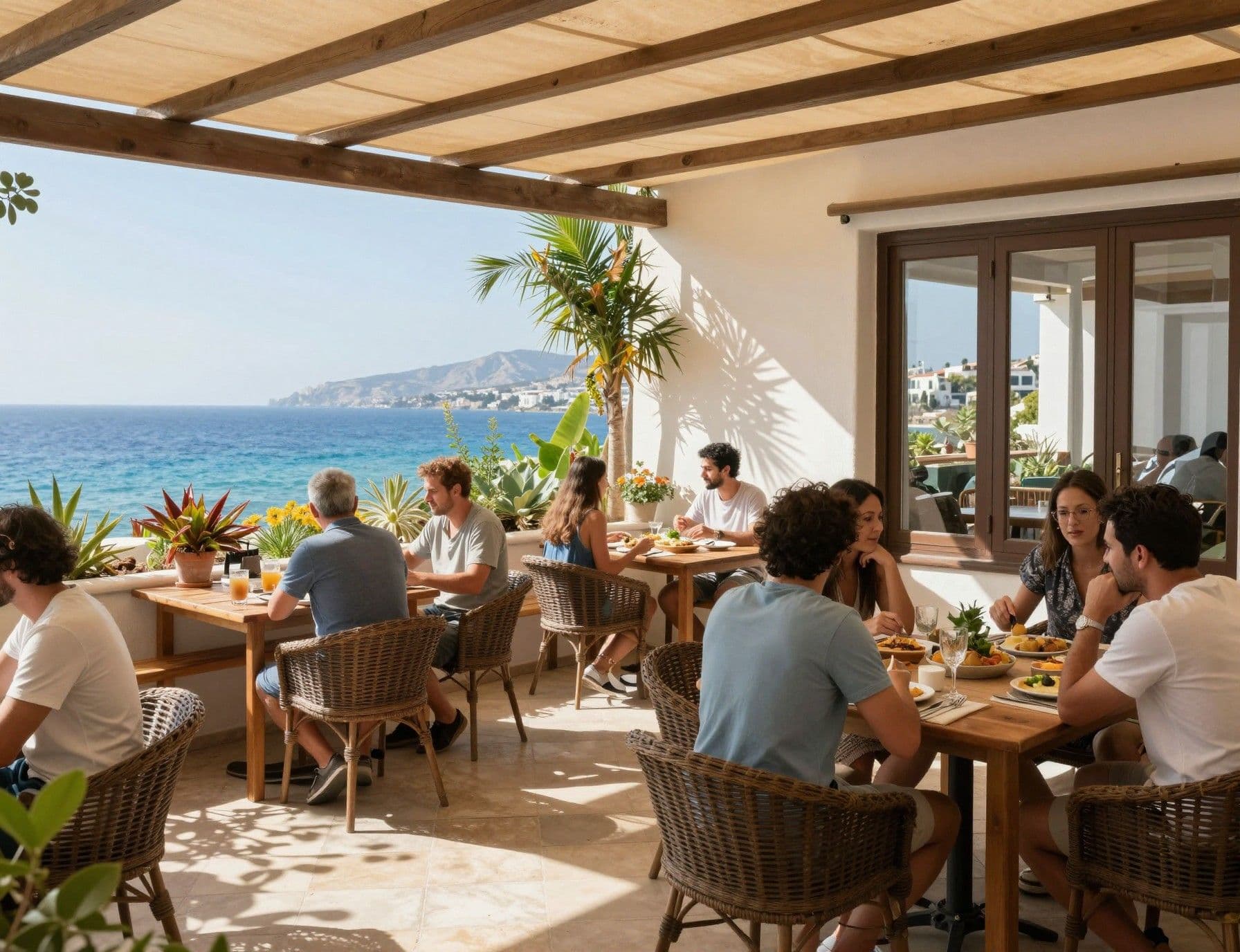
The emotional pull of a promenade apartment or hillside villa should be filtered through measurable variables: price per square metre, expected gross yield, seasonality of occupancy and total cost of ownership. The Central Bank’s Residential Property Price Index shows steady price increases in recent quarters, underscoring the island’s momentum while warning of regional divergence. Treat lifestyle priorities as constraints that shape acceptable return profiles rather than as the primary investment thesis.
Property types and how they map to daily life and returns
Apartments near the seafront: high tourist demand, higher price per m² and stronger short‑term rental peaks — suitable if you accept seasonal variability and higher management. Suburban houses and village villas: lower transactional liquidity but attractive for long‑term tenants and families; expect longer vacancy windows but better stability. New builds with amenities attract professionals but usually trade at a premium that compresses initial yields. Match the unit type to whether you prioritise rental income, appreciation, or personal use.
How local experts protect lifestyle-driven investment decisions
Agencies with local market data translate lifestyle wants into financial metrics: they model probable occupancy, realistic rents by season and net yields after management. A good agent also identifies micro‑neighbourhoods where lifestyle appeal is improving faster than headline prices. For international buyers, expert partners reduce information asymmetry on tenant demand, licensing for short‑term lets, and local renovation norms that affect time‑to-rent.
Insider knowledge: red flags, seasonal hacks and what expats really wish they'd known
Expats often underestimate seasonality and overpay for sea views at the top slice of the market. Gross yields across Cyprus average below many continental peers — roughly mid‑single digits — so you must account for service costs, property management and realistic vacancy to compute net yield. Practical experience: properties in transitional zones (walkable to a beach but not premium seafront) often outperform flashy addresses once all costs are included.
Local realities and quick checks before making an offer
• Check the Central Bank RPPI trends for the specific district rather than island‑wide averages; coastal and inland paths diverge. • Model net yield: subtract realistic management (8–15%), municipal/community fees, and seasonal vacancies from headline rents. • Ask for comparable rental contracts for the last 24 months to validate demand seasonality. • Confirm short‑let licensing rules if you plan holiday rentals; regulators and enforcement have evolved since 2022. • Prioritise walkability to everyday amenities — lifestyle convenience boosts long‑term tenancy and lowers marketing costs.
A practical 5‑step checklist to align lifestyle with investment metrics
1. Define the split: percentage of personal use vs. rental months. 2. Target a max purchase €/m² consistent with a modeled net yield (set a floor, e.g., 3–4% net). 3. Validate demand with local rent comparables and occupancy data for the neighbourhood. 4. Factor in one‑off renovation and compliance costs (electrical upgrades, title issues). 5. Lock in a local agency that provides a 12‑month rent forecast and tenant pipeline.
Longer-term lens: how Cyprus’s cycles affect lifestyle investments
Price cycles on the island are driven by a narrow pipeline of new coastal supply, domestic demand resilience and wider Eurozone liquidity conditions. Over a 5‑10 year horizon, properties that combine year‑round accessibility (airport and services) with authentic neighbourhood fabric tend to deliver steadier capital growth. Accept that prime seafront will remain a crowded trade — real edge often exists in under‑priced walkable pockets where local life attracts tenants beyond tourist seasons.
Conclusion: Cyprus sells a life as much as it sells property — but successful international buyers separate romance from return. Start with where you want to live, then quantify the financials: price per m², modeled net yield, seasonal occupancy and realistic maintenance. Use the Central Bank RPPI and local market reports as guardrails, and work with a local agency that translates your lifestyle brief into a defensible investment case. Picture evenings on the promenade; then run the numbers that justify buying the apartment that makes them possible.
Swedish financier who guided 150+ families to Spanish title deeds since relocating from Stockholm in 2012, focusing on legal and tax implications.