France: Where Lifestyle Choices Must Meet Yield Tests
How to pair the lived French lifestyle with realistic price‑and‑yield expectations: local markets, seasonality and a conservative yield test.
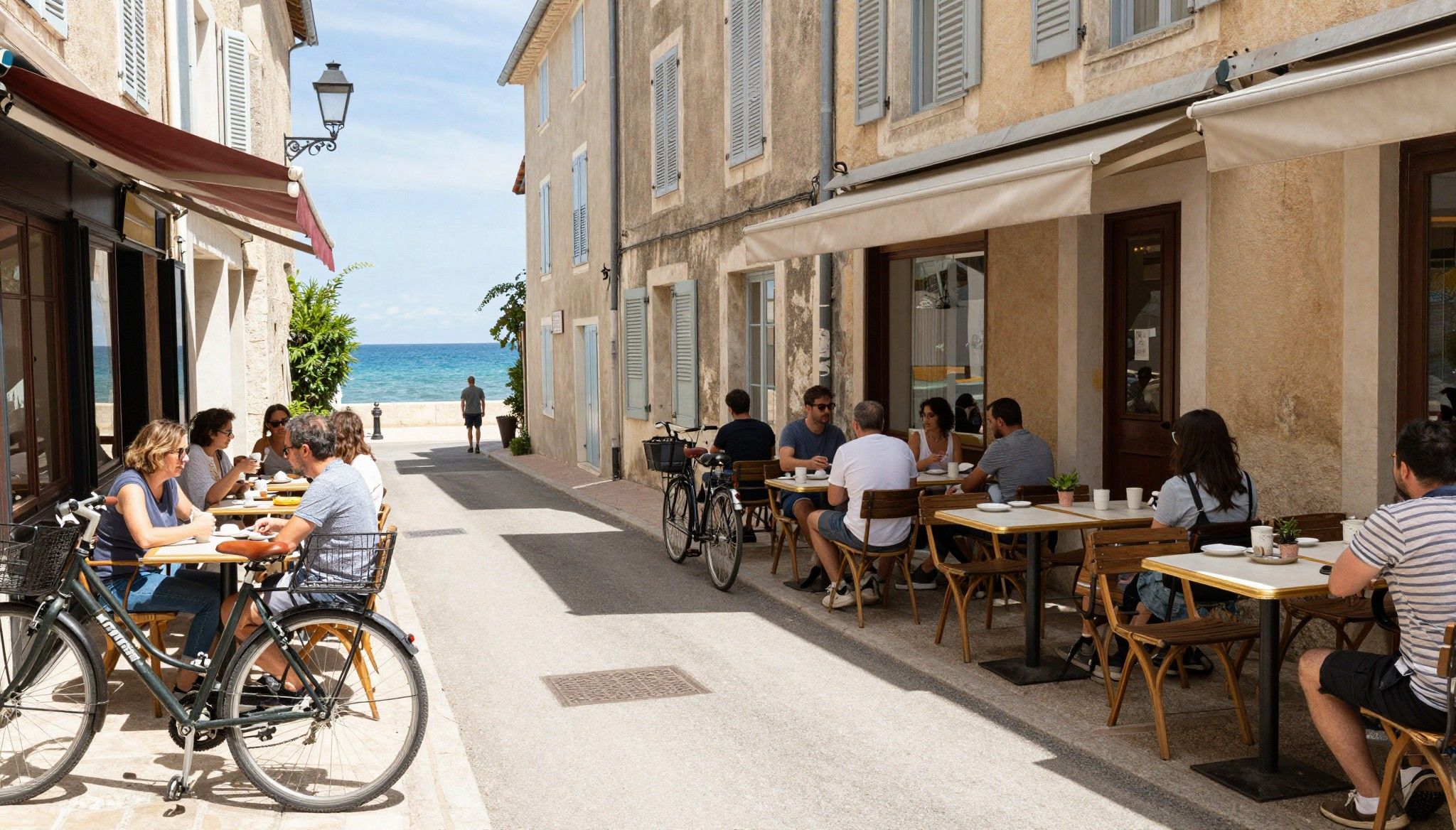
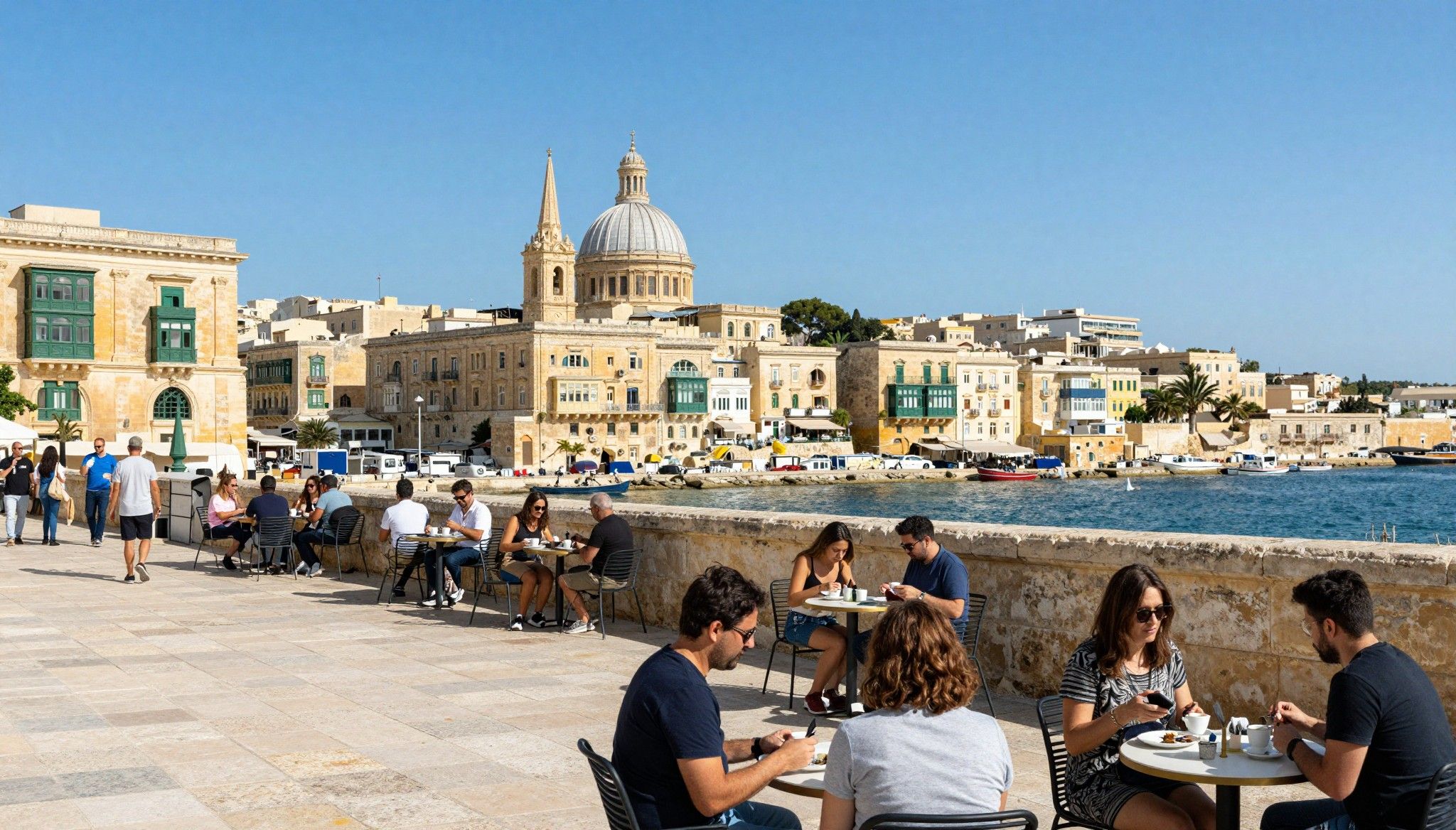
Imagine waking on a Saturday in Lyon, the smell of warm croissants drifting from Rue Mercière, then hopping a TGV to the Atlantic for lunch on a Loire estuary quay. France fixes itself in the imagination as cobbled streets, café terraces and seaside light — but for an investor the question is: where does that life meet dependable returns? Recent Notaires‑INSEE data shows regional variability that can flip a charming lifestyle pick into a poor yield choice unless you know which neighbourhoods earn back their charm. (Sources below.)
Living the French Life — and the markets behind it

France is many markets at once. Paris glitters with price per m² levels that eclipse regional centres; Bordeaux and Nantes trade on tech and wine‑country desirability; the Côte d'Azur is tourism‑driven; mountain resorts follow seasonal premium cycles. Notaires de France and INSEE report recent stabilisation after a 2023–24 correction, meaning buyer timing now looks more local than national. Know the rhythm of the place before you fall in love with a façade.
Neighbourhoods that feel like France — and what they cost
Paris remains extreme: inner arrondissements show very high price per m² while nearby suburbs offer better yield potential. In contrast, Nantes and Bordeaux pair lifestyle (riverfront life, culinary scenes) with more reasonable entry prices. On the Riviera, Nice and Cannes command tourist premiums that push gross yields lower unless properties are rented short‑term during high season.
Seasonality and the lived experience
Season shapes daily life — ski villages swell in winter, Provence and the Côte in summer — and that seasonality shows up in yields and vacancy risk. For someone who values an always‑active neighbourhood (cafés, shops, coworking), pick cities with year‑round economies; for a seasonal lifestyle, accept concentrated cashflows and higher operating complexity.
Making the move: property types, yields and market signals
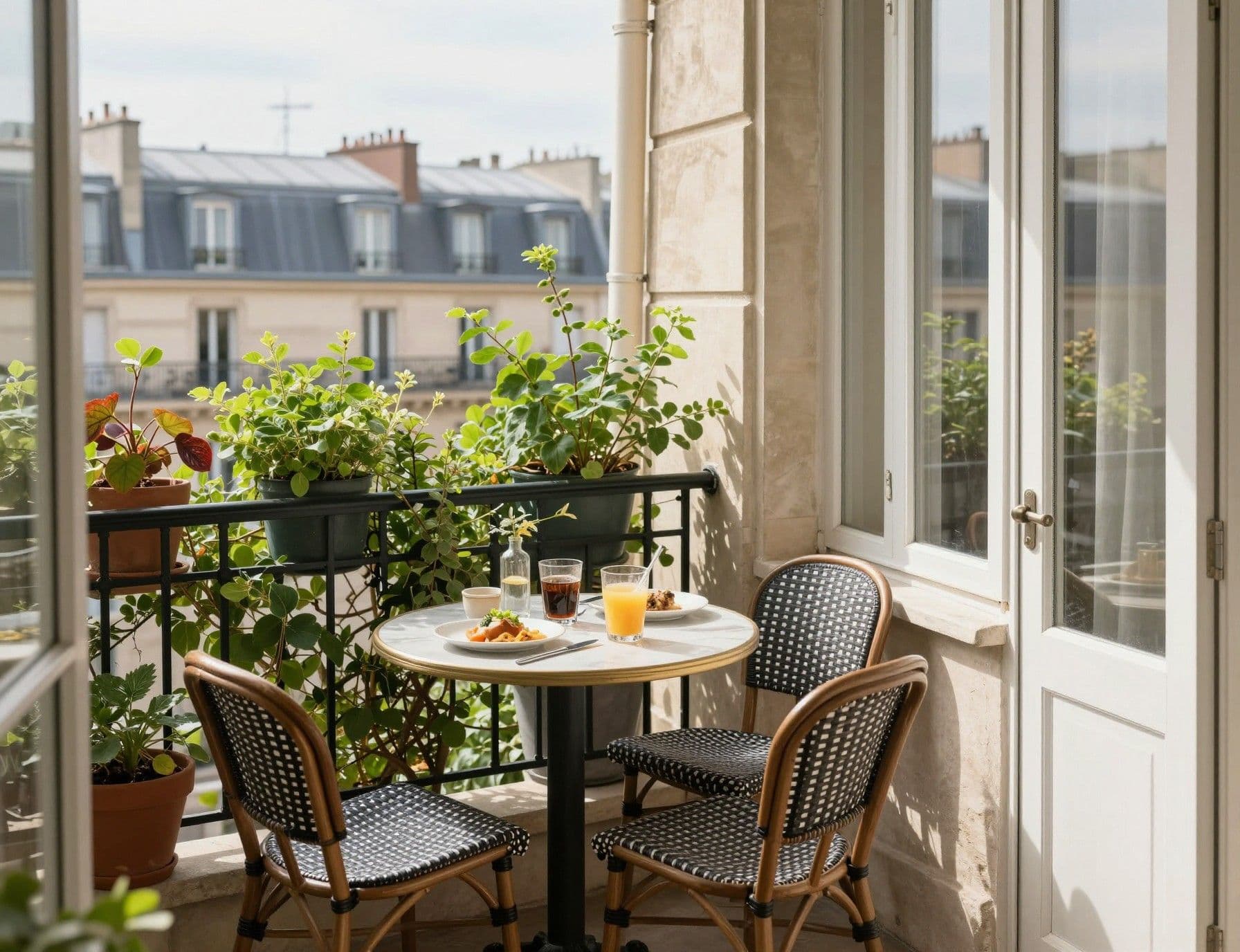
If you're buying in France for income, gross yields vary widely. Published compendia place national gross yields in the ~4–5% band, with city‑level divergence: Marseille and some secondary cities often outperform Paris and parts of the Riviera. Understand gross vs net yield: gross uses rent divided by purchase price; net deducts taxes, management, insurance and vacancy. Aim to model both under conservative vacancy assumptions (6–12%).
Property styles and how they affect returns
Historic apartments in Haussmannian buildings (Paris, Lyon) sell at high price per m² but attract premium rents from long‑term tenants; modern new builds in suburbs offer lower entry price and predictable maintenance costs. In resort towns, short‑term letting generates spikes in revenue but brings higher upkeep, stricter local regulations and seasonal vacancy risk. Match property type to rental strategy — long‑let stability or seasonal arbitrage.
Steps to test yield viability before you bid
Identify achievable market rent: survey comparable adverts and long‑let platforms and be conservative (use 80–90% of listed asking rents).
Calculate gross yield: annualised conservative rent ÷ purchase price × 100. Flag anything under 3.5% gross unless you expect strong capital growth.
Estimate net yield: subtract taxes (property tax, income tax on rental income), management (8–15%), insurance and a 6–12% vacancy buffer. Compare net yield to local government bonds and your target hurdle rate.
Stress test: model two downside scenarios (10% rent drop; 6‑month vacancy). If net yield remains acceptable, the asset withstands moderate shocks.
Insider knowledge: what expats wish they'd known
Expats often underestimate the fragmentation of France’s housing market. National headlines mask micro markets where prices and demand diverge. Recent INSEE releases show stabilisation at a national level while local pockets continue to appreciate or correct. Local expertise saves money: a Marseille neighbourhood that looks cheap on paper can outperform on rent if it's near a new university campus or transport link.
Cultural and practical quirks that change value
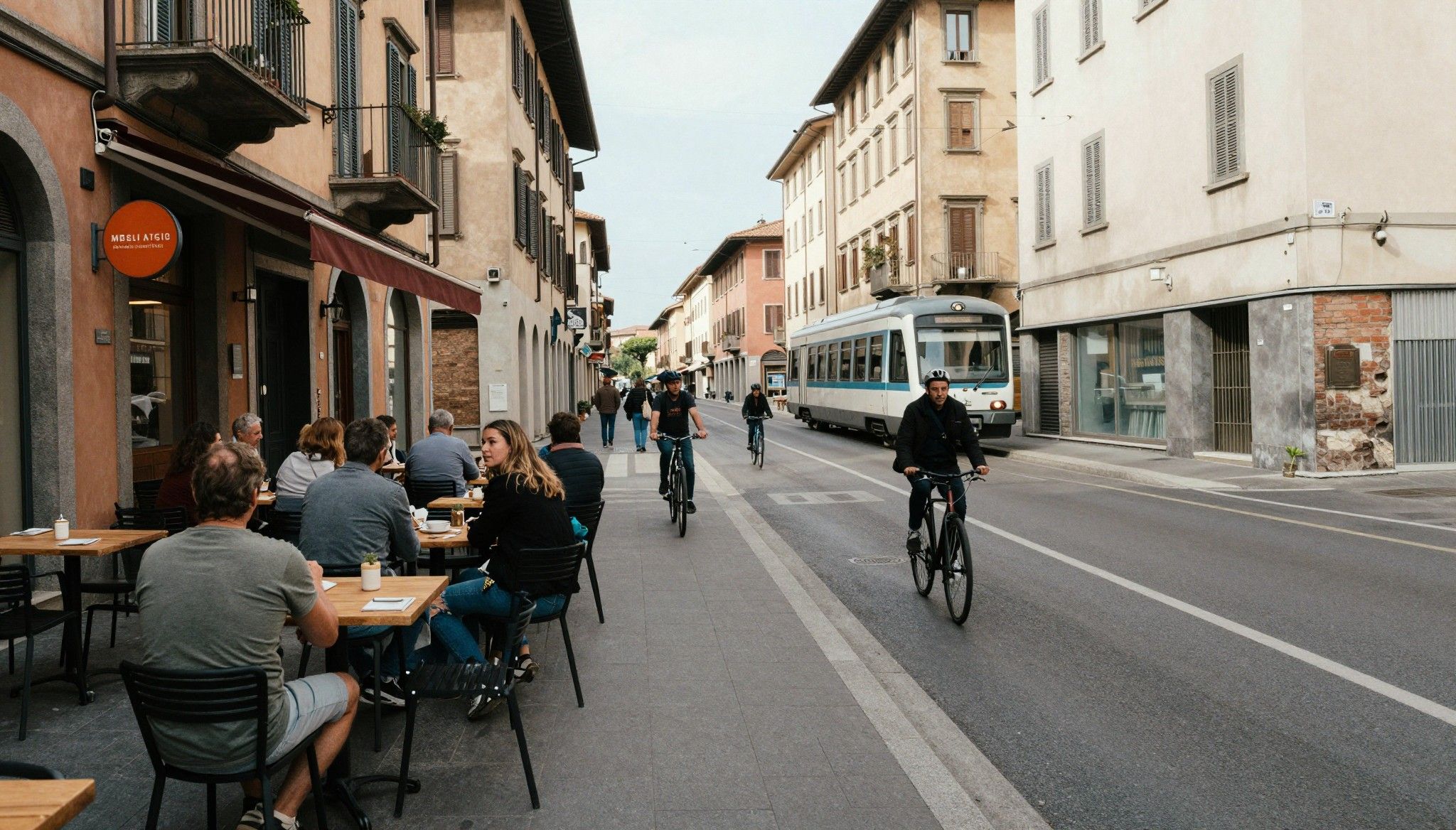
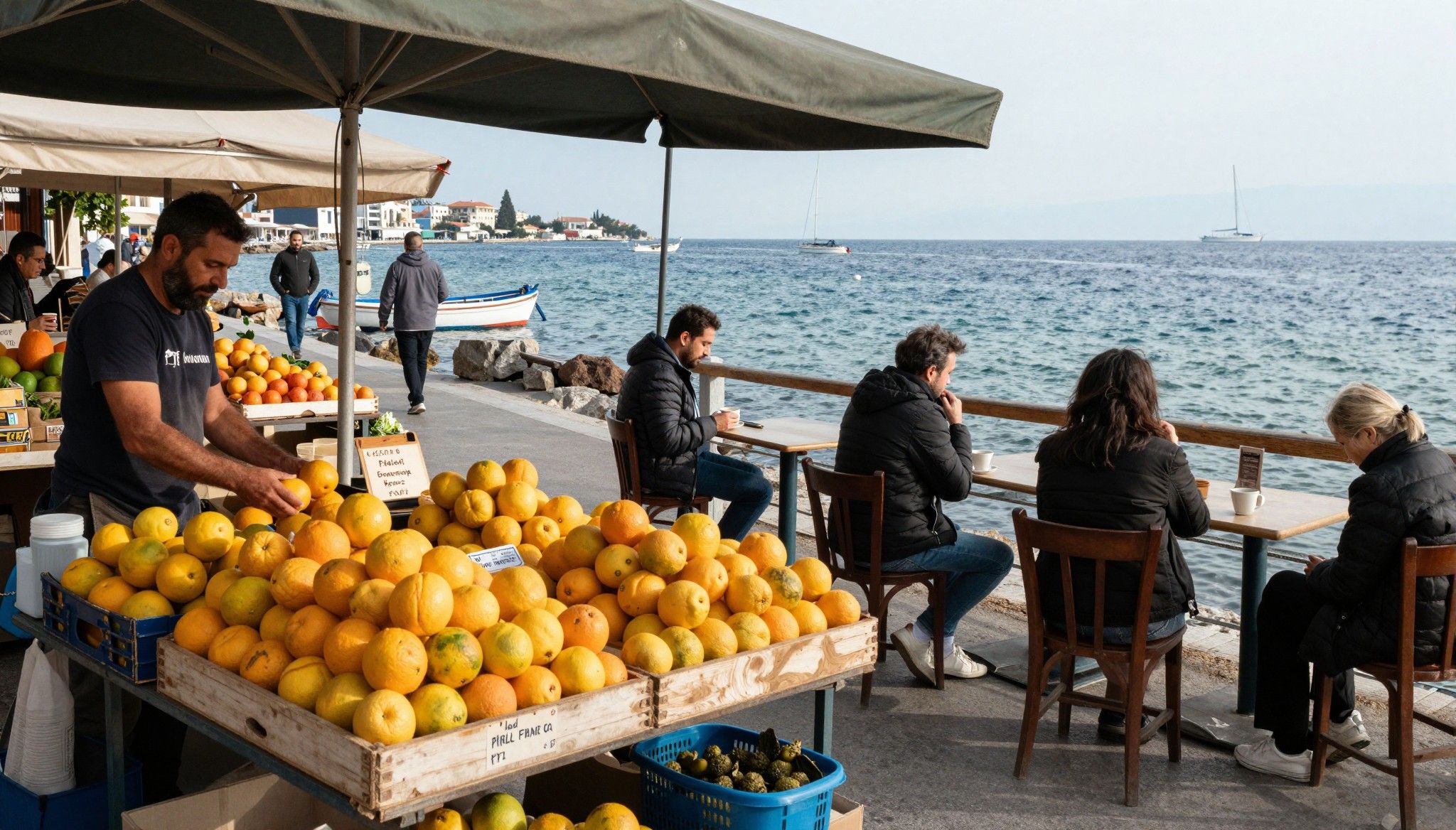
Small things matter: proximity to a marché (market), a reliable bakery, and weekday tram connections drive tenant choice more than sea views in many provincial cities. Building characteristics — elevator presence, intercom, separate toilet from bathroom — materially influence both rent and resale price in French urban markets.
Expats’ top practical takeaways
Buy near daily amenities rather than a one‑off landmark (tenants value routine).
If you want lower volatility, prefer university towns and regional capitals with diversified economies.
Check local short‑term rental rules: some communes cap tourist lets or require registration.
Working with agencies who understand both lifestyle and yield
Choose an agency that quantifies locality — not one that only sells charm. Ask for recent comparable rents, time‑on‑market data, and historical price per m² movements. A good agent will translate a café‑lined street into occupancy assumptions, tenant profiles and maintenance costs.
Conclusion — how to marry the dream with defensible returns
Fall in love with France first — the rhythm of markets second. Use Notaires‑INSEE and national datasets to calibrate your expectations, model conservative net yields, stress test seasonality and work with local specialists who quantify lifestyle in rental terms. If your yield model survives conservative scenarios, the café table where you pictured your life becomes an asset that pays for it.
British expat who moved to the Algarve in 2014. Specializes in portfolio-focused analysis, yields, and tax planning for UK buyers investing abroad.