Why Cyprus’ Coastal Hype Masks Better Yield Pockets
Coastal price hype hides better yield pockets inland; blend a lifestyle buy with an income-focused apartment and use RPPI trends to time entry.
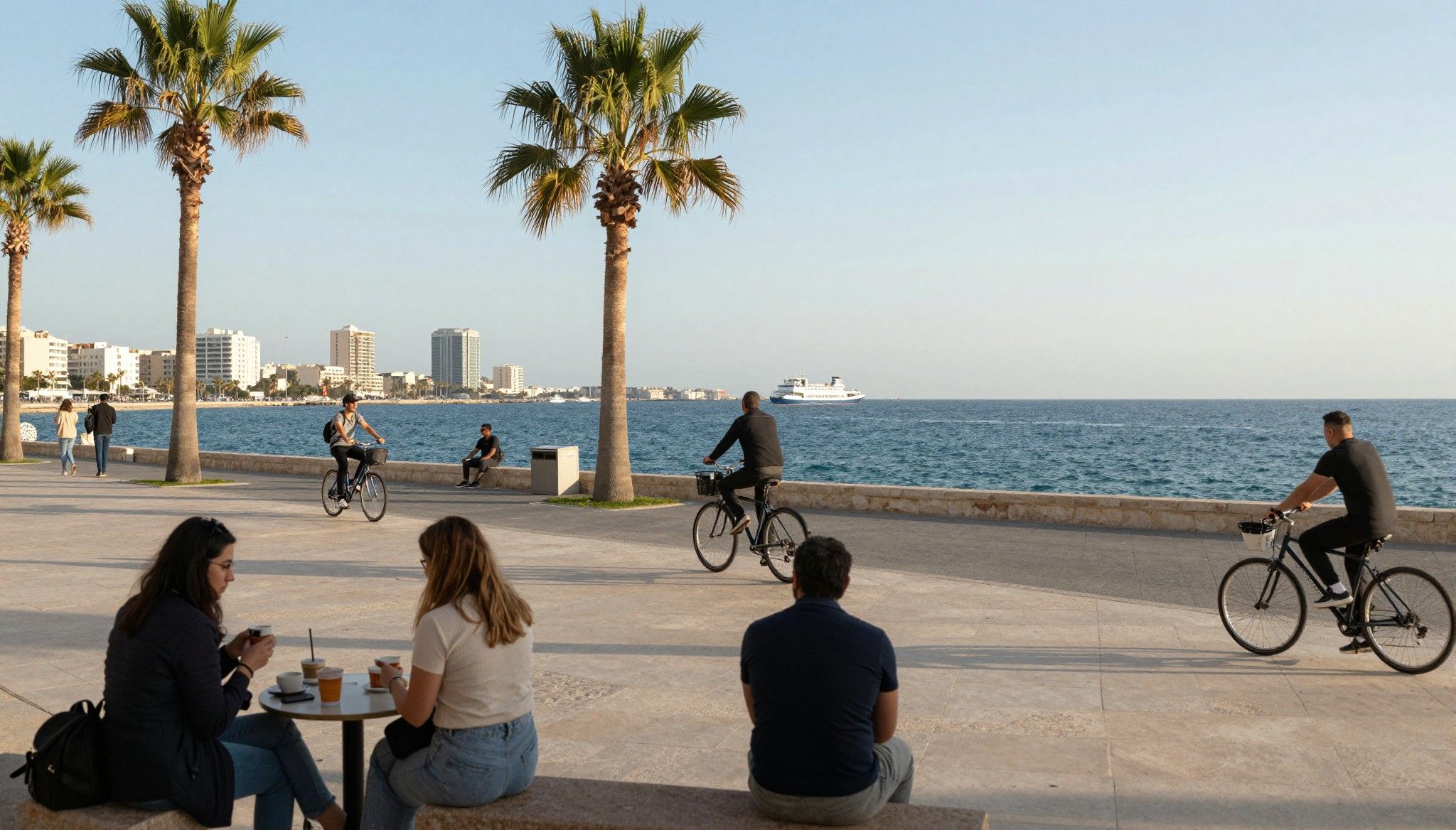
Imagine stepping out for morning coffee on Limassol’s Molos promenade, then catching an evening flight from Larnaca — Cyprus feels like compact Mediterranean living where sea, mountain and village rhythms interlock. That sunlit picture explains the island’s global appeal, but it’s incomplete: headline price growth in coastal hotspots masks higher-yield, lower-competition pockets inland and in secondary towns. Recent central-bank data show continuing price appreciation for apartments, yet rental yields and liquidity vary sharply by district. For buyers who balance lifestyle and returns, the opportunity lies in looking beyond the seaside postcard.
Living Cyprus: more than sun and sea
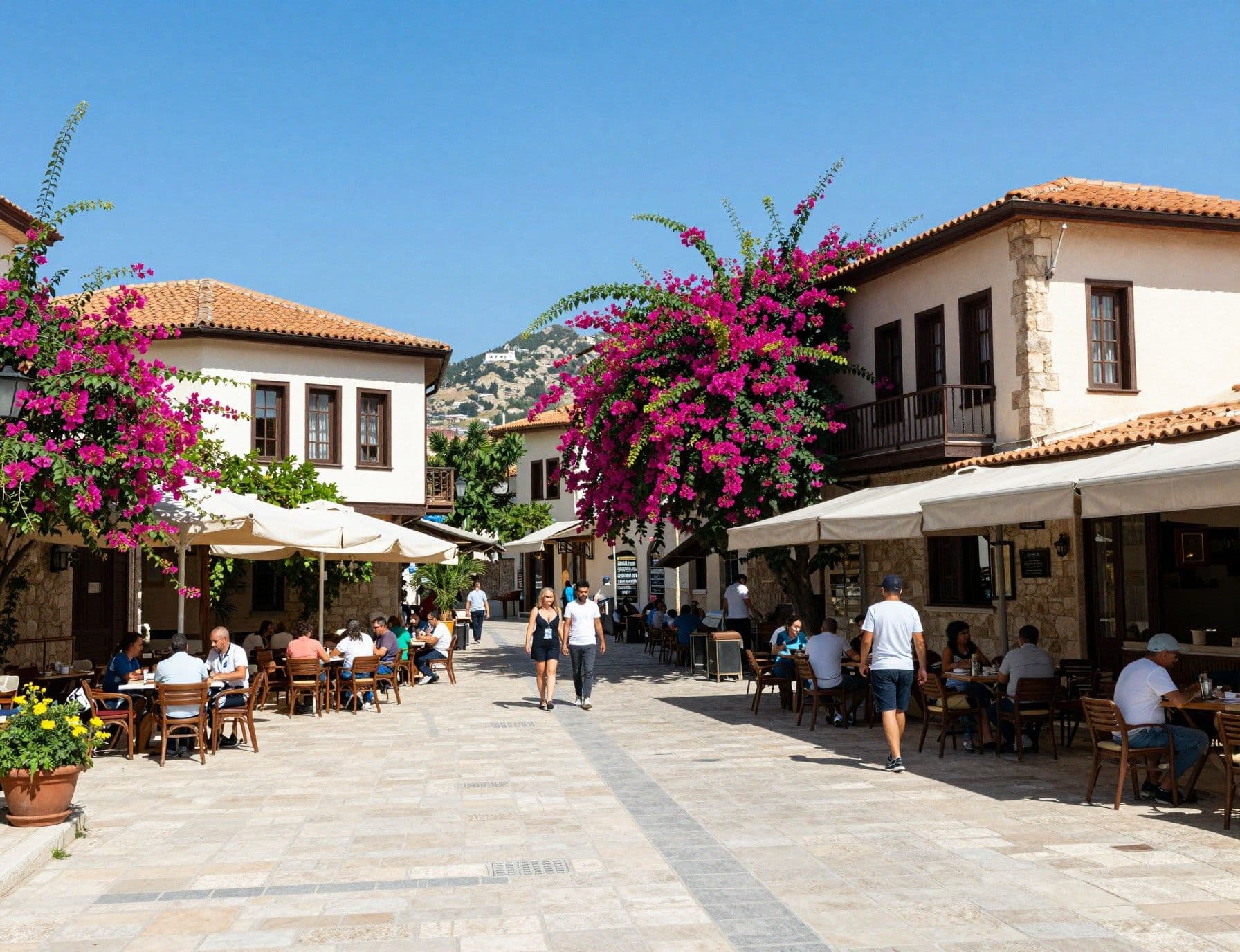
Cyprus is not a single lifestyle; it’s several compressed together. Coastal towns like Limassol and Paphos deliver beachfront cafés, yachts and an international social scene, while inland villages such as Omodos and Kakopetria offer tavernas, vineyards and slow‑paced community life. Nicosia feels urban and administrative — mornings are office-driven, evenings are university bars and family restaurants. These varied rhythms shape demand: short-let tourism fuels coastal rents, long-term rentals and family purchases dominate inland markets.
Limassol & the coast: hustle, investment premium
Limassol’s skyline and its port-driven economy attract international buyers and command the highest prices per square metre on the island. Developers favour high-density apartment blocks near the waterfront, which creates strong resale liquidity but compresses gross yields because acquisition prices are high. Secondary coastal towns like Larnaca and Paphos show lower entry prices yet growing rental demand from retirees and remote workers. Understanding those district price averages is essential to calibrate expected yields versus capital growth.
Inland towns & villages: overlooked by buyers, prized by tenants
Drive 20–40 minutes inland from the coast and you find neighbourhoods where purchase prices are materially lower but rental demand from local families and long‑stay residents remains steady. Towns close to employment nodes — for example, suburbs north of Limassol or commuter belts around Nicosia — can offer better net yields because maintenance costs and taxes are lower than seaside equivalents. For international buyers seeking yield, these micro-markets are where cap-rate math often outperforms coastal capital appreciation narratives.
Market signals: what the data really say
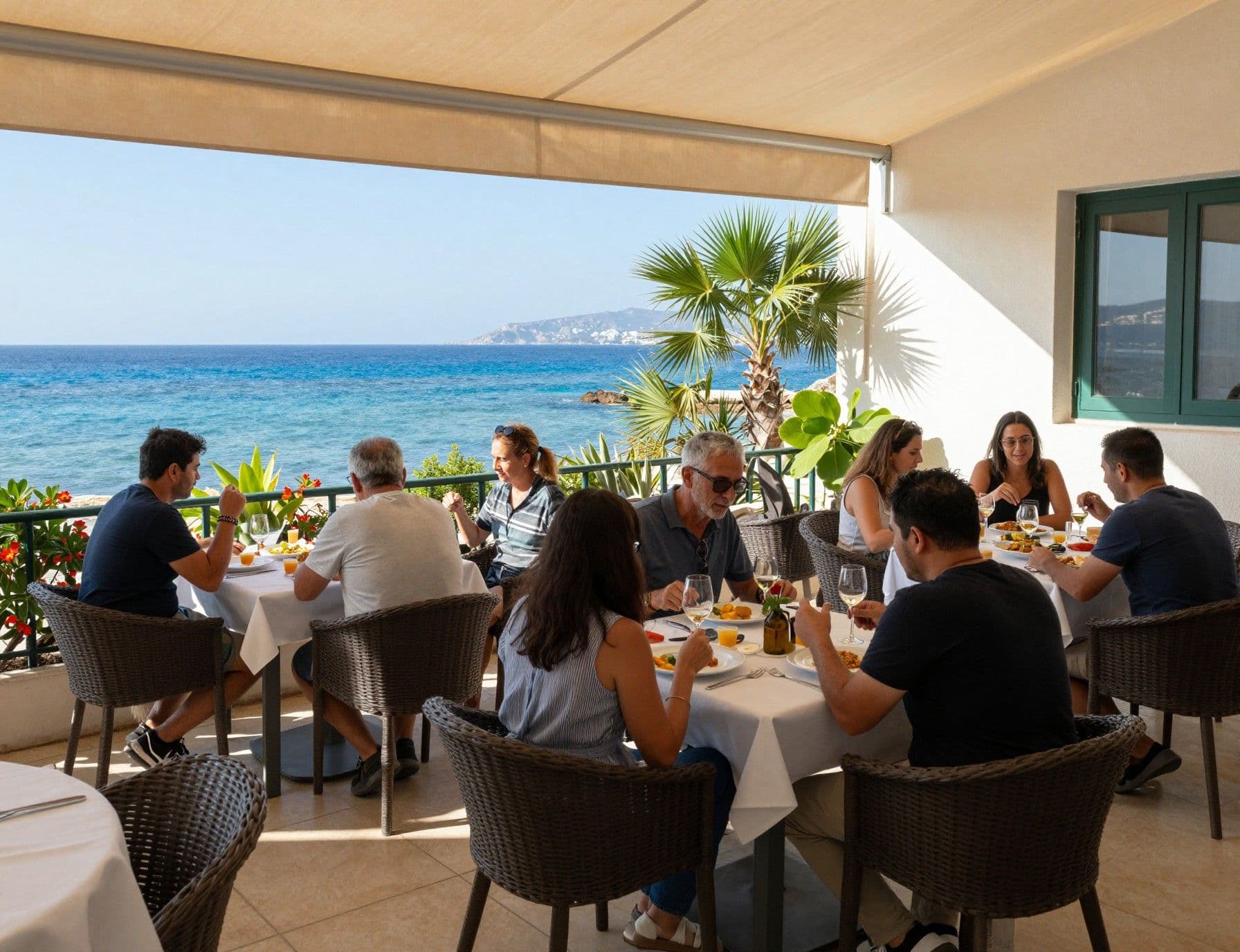
The Central Bank’s Residential Property Price Index shows continued annual growth in apartment prices through 2024, though the pace softened in late 2024 as liquidity cooled. That’s a classic mid-cycle pattern: headline price appreciation continues while momentum decelerates, creating windows where rental yields improve relative to purchase price if you focus on secondary locations. Inflation, mortgage rate trends and developer pipeline (heavy on apartments) are the three technical drivers to monitor before committing capital.
What investors miss about yields in Cyprus
Many narratives treat Cyprus as a single yield band; in reality gross yields vary from about 4–6% for centrally located apartments to sub‑3% for detached seafront villas. Reports from market analysts show apartments remain the most liquid asset class on the island, which matters for exit planning. If your priority is steady rental income, aim for smaller units near universities, business parks or transport hubs rather than headline waterfront properties.
- Lifestyle-led factors that materially affect returns
• Proximity to universities (Nicosia, Limassol) — supports year‑round demand. • Access to international schools and healthcare — commands premium long-term rents. • Transport links (Larnaca airport access, A1 motorway) — widens tenant pool and resale market. • Local tourism seasonality — affects short-let revenues but not long‑term tenancy. • Developer concentration — oversupply risk in coastal apartment segments.
Making the move: practical steps that respect lifestyle choices
Balancing lifestyle and yield requires a process that tests emotional preference against measurable return drivers. You should first map where you want to live against where tenants will pay for similar amenities. Then run scenario pricing for three horizons: 3‑year rental yield, 5‑year cash-on-cash, and 10‑year total return including expected capital appreciation. That disciplined approach keeps decisions anchored in portfolio outcomes rather than momentary desire.
- Six-step buyer checklist (lifestyle + market rigor)
1. Define lifestyle non-negotiables (walkable cafés, sea view, village life). 2. Shortlist districts and gather price/m2 and typical rents for comparable units. 3. Check Central Bank RPPI trends and local supply pipeline for oversupply risk. 4. Calculate gross yield and net yield after realistic vacancy and maintenance. 5. Speak with two local agents and one independent property manager for rentability checks. 6. Run an exit-scenario: 3–5 year resale liquidity and tax impact.
Insider knowledge: what expats wish they'd known
Experienced expats often say the surprise wasn’t bureaucracy but micro-location: which street has noisy evening traffic, which block fills with seasonal lettings, which building has perpetual elevator problems. Language is rarely a barrier; English is widely spoken in business and real estate, but local relationships still matter when negotiating repairs or planting tenants. Seasonality affects viewing strategy — many sellers overprice in high season — and a measured, off‑peak approach often produces better net returns.
Longer-term lifestyle risks and how to hedge them
Think beyond five years: demographic shifts (older UK retiree inflows, remote worker patterns) and infrastructure projects (ports, roads) will reprice neighbourhoods. Diversify: combine one lifestyle property you’ll use with one income-focused apartment that maximises yield and tenant breadth. Use conservative rental assumptions and maintain a 6–12 month cash buffer for vacancy and unexpected repairs to protect net yield.
Conclusion — Cyprus rewards selective buyers. If you prioritise lifestyle, buy where you will use the property; if you prioritise returns, target well‑connected apartments in secondary districts. For many international buyers the best solution is a blended portfolio: one coastal lifestyle asset plus one inland or commuter-belt income unit. Work with local agents who present comparable sale data, provide detailed rent roll evidence and model multiple exit scenarios before signing.
Norwegian market analyst who relocated from Oslo to Mallorca in 2016, guiding Northern buyers through regulatory risk, currency hedging, and rentability.